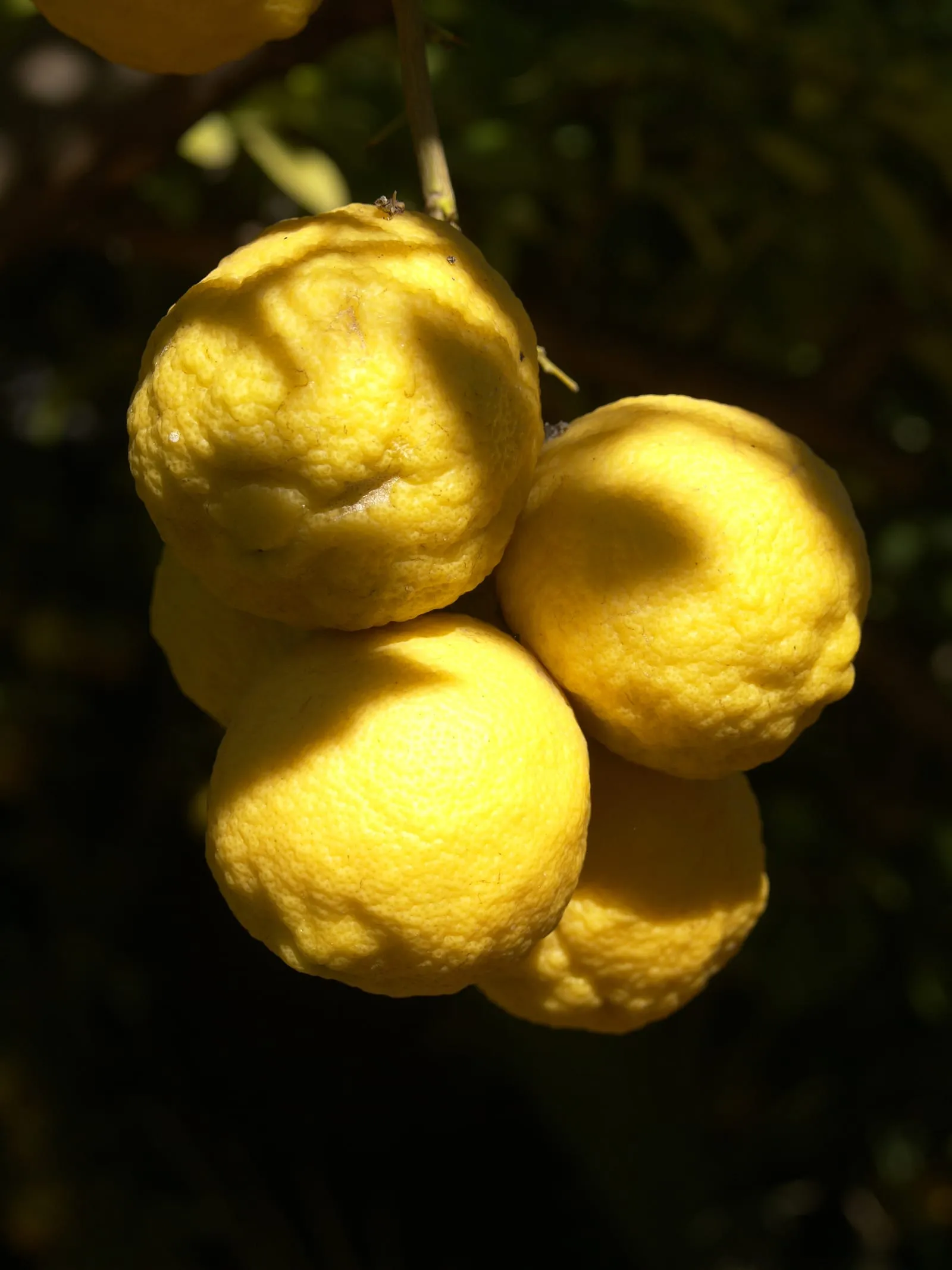
fruit tree in zone 11a
Growing lemon in zone 11a
Citrus limon
- Zone
- 11a 40°F to 45°F
- Growing season
- 365 days
- Chill needed
- 0 to 100 below 45°F
- Suitable varieties
- 4
- Days to harvest
- 180 to 365
The verdict
Zone 11a's minimum temperatures of 40 to 45°F place it at the warm end of the optimal lemon range, and the match is excellent. Lemons require 0 to 100 chill hours, and zone 11a supplies essentially none, which is precisely what these trees need. Unlike deciduous fruit crops, lemons do not depend on winter dormancy to produce. The year-round warmth eliminates frost risk to blooms and developing fruit, removing the primary hazard that limits lemon production in zones 9 and below.
Eureka and Lisbon, the two main commercial varieties, perform reliably here. Meyer, a hybrid with slightly broader temperature tolerance, also adapts readily. Ponderosa is possible but tends to produce erratically under continuous tropical heat. Zone 11a is not a marginal zone for lemons; temperature is not the limiting factor. The actual production risks are biological: year-round pest pressure and the presence of citrus greening (HLB) pose more serious long-term threats than anything the climate itself presents.
Recommended varieties for zone 11a
4 cultivars suited to this zone, with disease-resistance and zone-fit annotations.
| Variety | Notes | Zone fit | Disease resistance |
|---|---|---|---|
| Eureka fits zone 11a | Bright tart juice with a clean almost-floral finish; the standard supermarket lemon. Vigorous nearly thornless tree, fruits nearly year-round in zones 10-11. | | none noted |
| Lisbon fits zone 11a | Sharper acidity than Eureka, holds well on the tree. More cold-tolerant and thornier; the better choice for marginal zones. | | none noted |
| Meyer fits zone 11a | Sweet-tart with a distinct tangerine note from its mandarin parentage; a chef's lemon for tarts and curd. Cold-hardy to 22°F when well-established. | |
|
| Ponderosa fits zone 11a | Massive grapefruit-sized fruit with thick rind; mild-acid juice for novelty rather than volume. Compact tree fits dooryard plantings. | | none noted |
Critical timing for zone 11a
Lemons in zone 11a do not follow a single annual bloom-and-harvest cycle. Eureka and Lisbon are ever-bearing varieties capable of flowering and setting fruit in multiple flushes. In zone 11a conditions, expect bloom activity in spring (March through May) and again in fall (September through November), with intermittent flowering in other months as well. Fruit from the spring bloom typically matures 6 to 9 months later, placing peak harvest in fall through early winter, though ripe fruit can be found on the tree in almost any month.
Because zone 11a carries no meaningful frost risk, the timing complication common in zones 9 and 10 (a late cold snap hitting open blooms) is largely absent. Harvest is opportunistic: pull fruit as it reaches the desired size and color rather than working toward a seasonal deadline.
Common challenges in zone 11a
- ▸ No temperate fruit potential
- ▸ Year-round pest pressure
- ▸ Specialized crop selection
Disease pressure to watch for
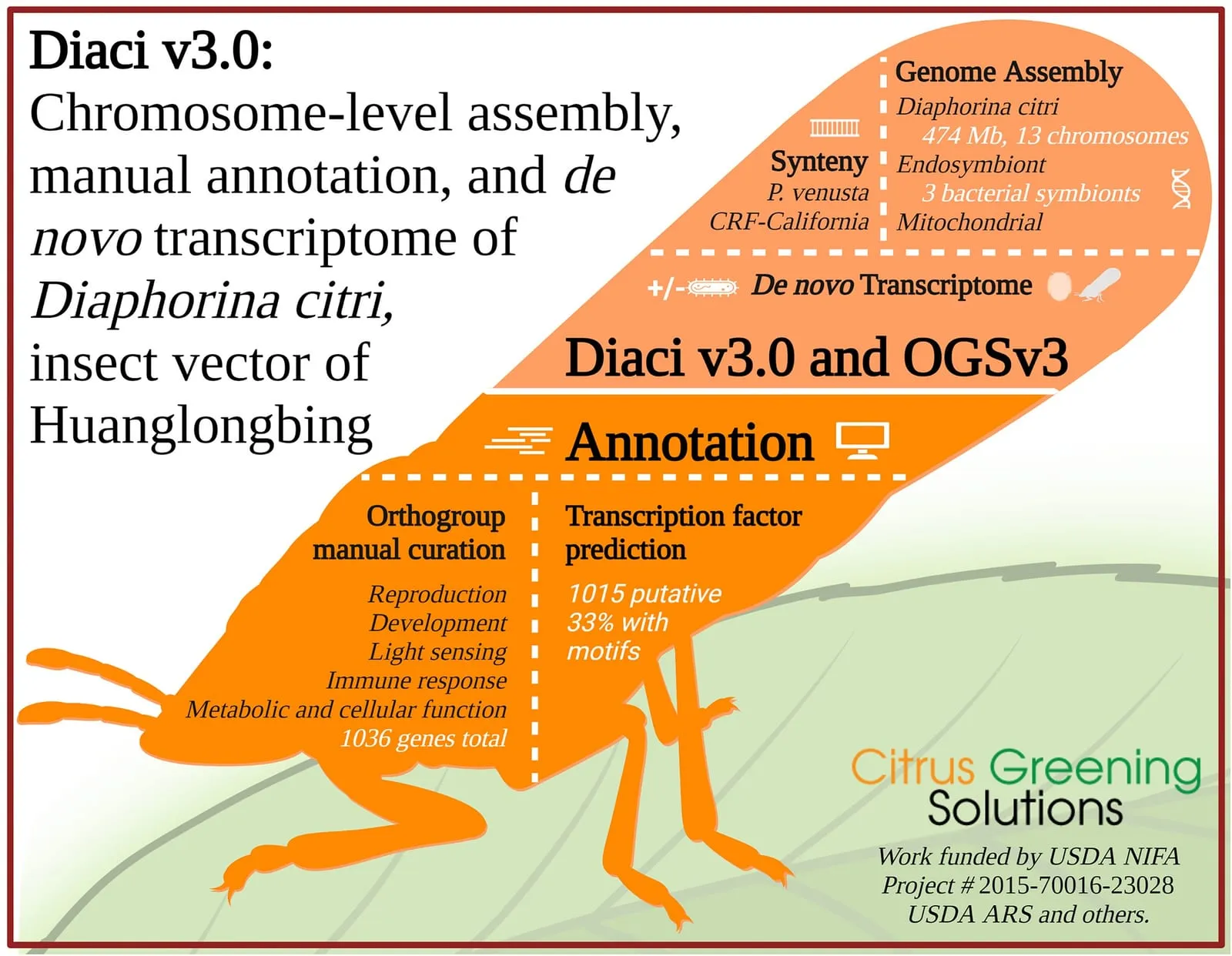
Candidatus Liberibacter asiaticus
Devastating bacterial disease vectored by the Asian citrus psyllid. Once infected, trees decline progressively over several years and there is no cure. Has destroyed commercial citrus across Florida and threatens production worldwide.
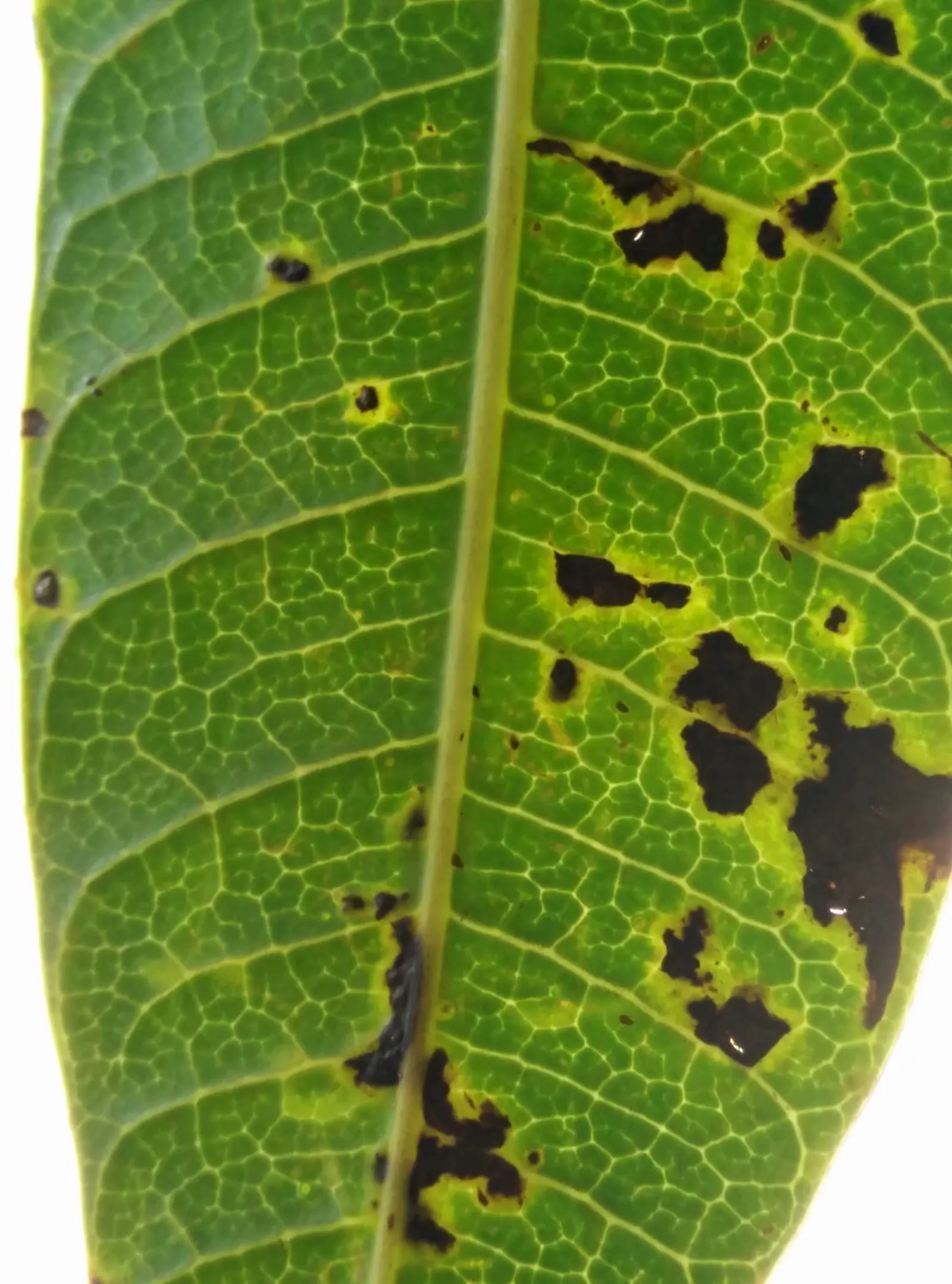
Xanthomonas citri
Bacterial disease producing raised corky lesions on leaves, twigs, and fruit. Spread by wind-driven rain and contaminated tools. Quarantine-regulated in many areas.
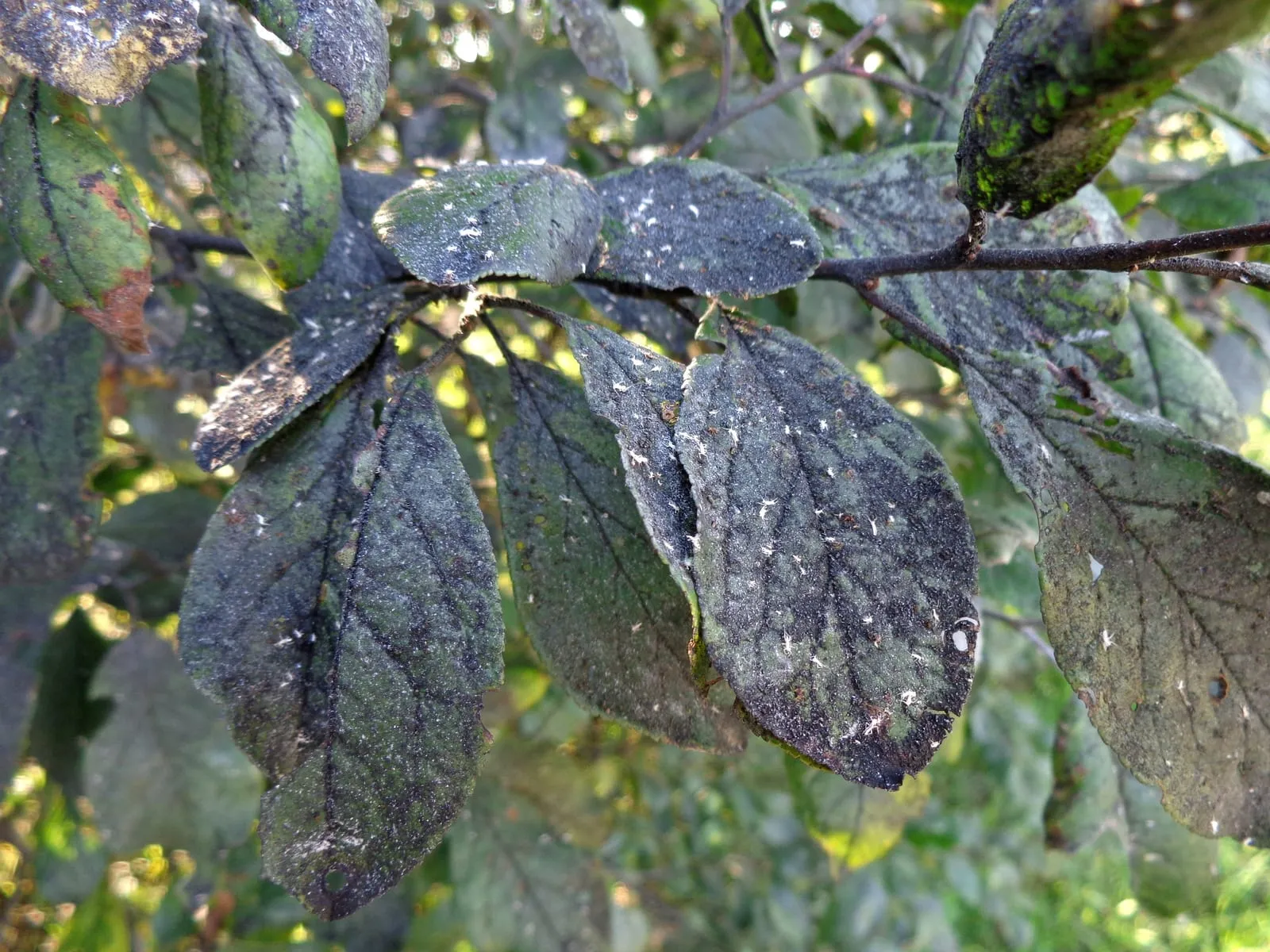
Capnodium spp.
Black fungal coating that grows on honeydew secreted by aphids, scale, mealybugs, and whiteflies. Doesn't infect plant tissue directly but blocks photosynthesis and disfigures fruit.
Modified care for zone 11a
The primary adaptation in zone 11a is managing disease and pest pressure without any winter population crash. Citrus greening (HLB), spread by the Asian citrus psyllid, poses the most serious long-term threat. The psyllid sustains year-round activity in this zone, so monitoring and suppression cannot be suspended during any season. Infected trees show yellowing leaves, misshapen fruit, and bitter juice; no cure exists, and confirmed infected trees should be removed promptly to limit spread to neighboring plants.
Citrus canker, a bacterial disease favored by warm, wet conditions, spreads readily during humid periods. Preventive copper-based sprays during wet seasons reduce infection rates. Sooty mold typically follows aphid or scale infestations; controlling the underlying insect pressure removes the mold's substrate. On the irrigation side, the combination of heat and excess soil moisture promotes root rot, so well-drained planting sites and conservative watering schedules matter more here than in cooler zones where the soil dries faster between events.
Lemon in adjacent zones
Image: "Citrus x limon (Outjo)", by Hans Hillewaert, via Wikimedia Commons, licensed under CC-BY Source.
.jpg)
Related