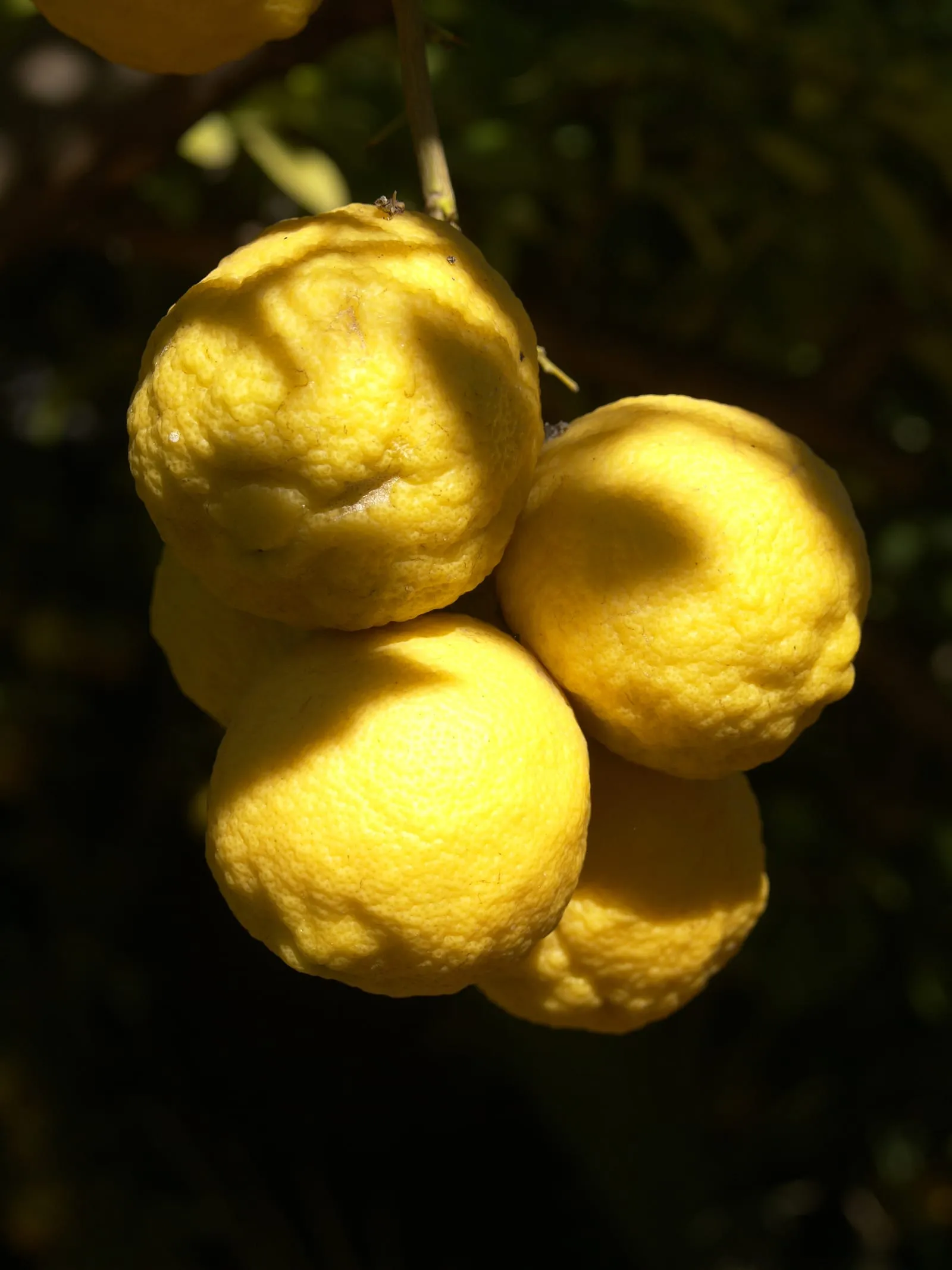
fruit tree in zone 11b
Growing lemon in zone 11b
Citrus limon
- Zone
- 11b 45°F to 50°F
- Growing season
- 365 days
- Chill needed
- 0 to 100 below 45°F
- Suitable varieties
- 4
- Days to harvest
- 180 to 365
The verdict
Zone 11b is a genuine sweet spot for lemon production. With minimum winter temperatures holding at 45 to 50°F, there is no meaningful frost risk, and lemons face no cold damage requiring protective intervention. The crop's chill-hour requirement of 0 to 100 hours is easily satisfied here, even in warmer microclimates where chill accumulation is minimal. Eureka and Lisbon, the commercial workhorses, perform reliably in 11b; Meyer and Ponderosa also do well, with Meyer showing slightly better tolerance for variable conditions. The 365-day growing season eliminates the dormancy window that can stress trees in marginal zones, and the uninterrupted warmth supports continuous flowering cycles that are unusual in colder parts of the crop's range.
The primary limiting factors in zone 11b are not temperature but biological. Citrus Greening (HLB) and Citrus Canker have both established footholds in tropical and subtropical zones, and their presence warrants ongoing vigilance regardless of how well the climate suits the tree itself.
Recommended varieties for zone 11b
4 cultivars suited to this zone, with disease-resistance and zone-fit annotations.
| Variety | Notes | Zone fit | Disease resistance |
|---|---|---|---|
| Eureka fits zone 11b | Bright tart juice with a clean almost-floral finish; the standard supermarket lemon. Vigorous nearly thornless tree, fruits nearly year-round in zones 10-11. | | none noted |
| Lisbon fits zone 11b | Sharper acidity than Eureka, holds well on the tree. More cold-tolerant and thornier; the better choice for marginal zones. | | none noted |
| Meyer fits zone 11b | Sweet-tart with a distinct tangerine note from its mandarin parentage; a chef's lemon for tarts and curd. Cold-hardy to 22°F when well-established. | |
|
| Ponderosa fits zone 11b | Massive grapefruit-sized fruit with thick rind; mild-acid juice for novelty rather than volume. Compact tree fits dooryard plantings. | | none noted |
Critical timing for zone 11b
Eureka and Lisbon lemons are effectively everbearing in zone 11b, cycling through multiple bloom and fruit-set periods across the year rather than concentrating flowering in a single spring flush. A primary bloom period typically runs from late winter through spring, with secondary and tertiary flushes in summer and fall. Because frost is absent, there is no bloom-window risk from cold damage, and timing decisions become crop-driven rather than frost-driven.
Fruit can be held on the tree for extended periods once it reaches color, though prolonged delay attracts pests and reduces juice quality. Meyer lemon tends toward heavier fall and winter fruiting in this zone, which can be an advantage where fresh citrus demand peaks during cooler months. Growers with multiple varieties can manage harvest across much of the year without significant gaps.
Common challenges in zone 11b
- ▸ Year-round pest pressure
- ▸ Salt spray near coasts
- ▸ No winter dormancy for traditional temperate species
Disease pressure to watch for
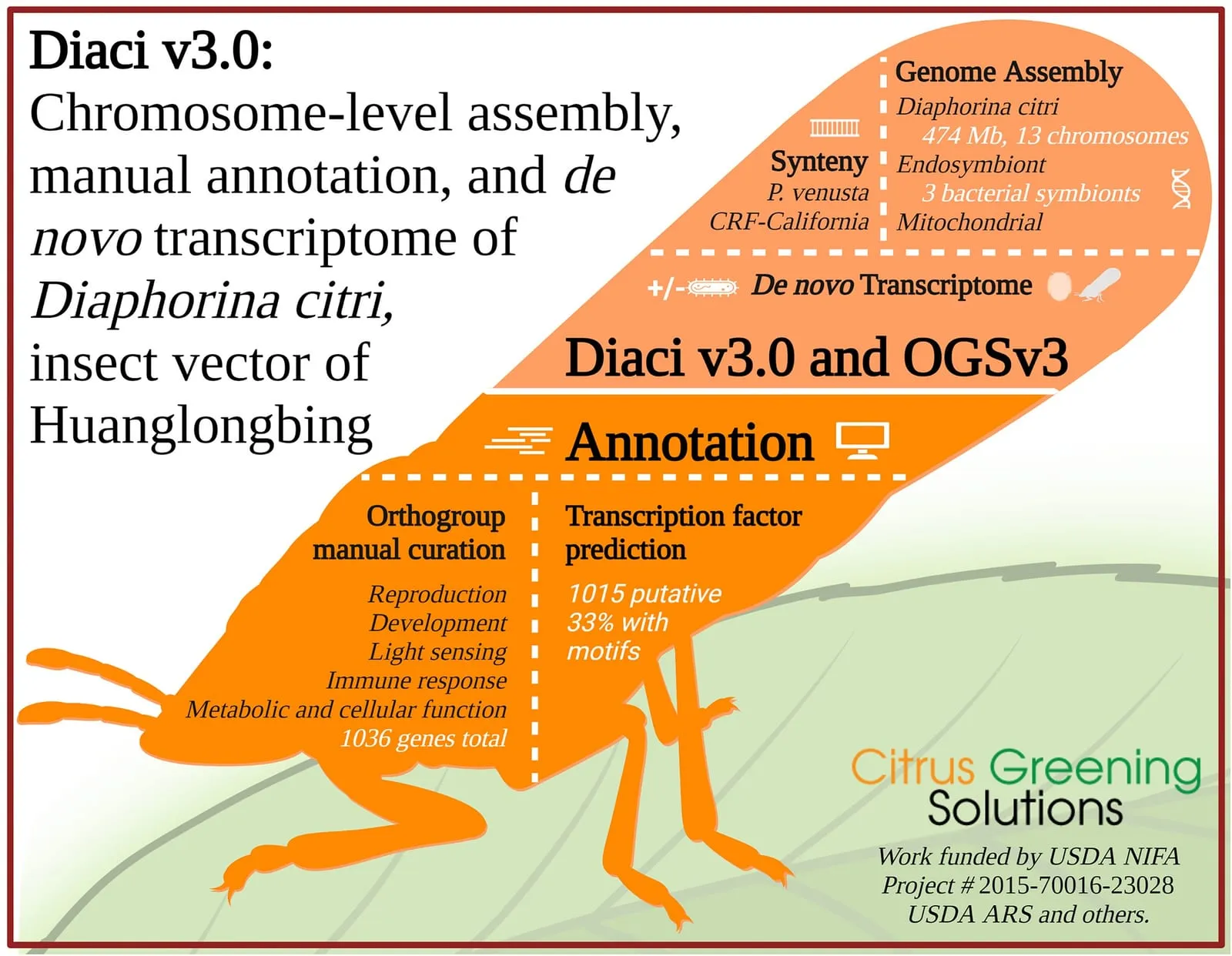
Candidatus Liberibacter asiaticus
Devastating bacterial disease vectored by the Asian citrus psyllid. Once infected, trees decline progressively over several years and there is no cure. Has destroyed commercial citrus across Florida and threatens production worldwide.
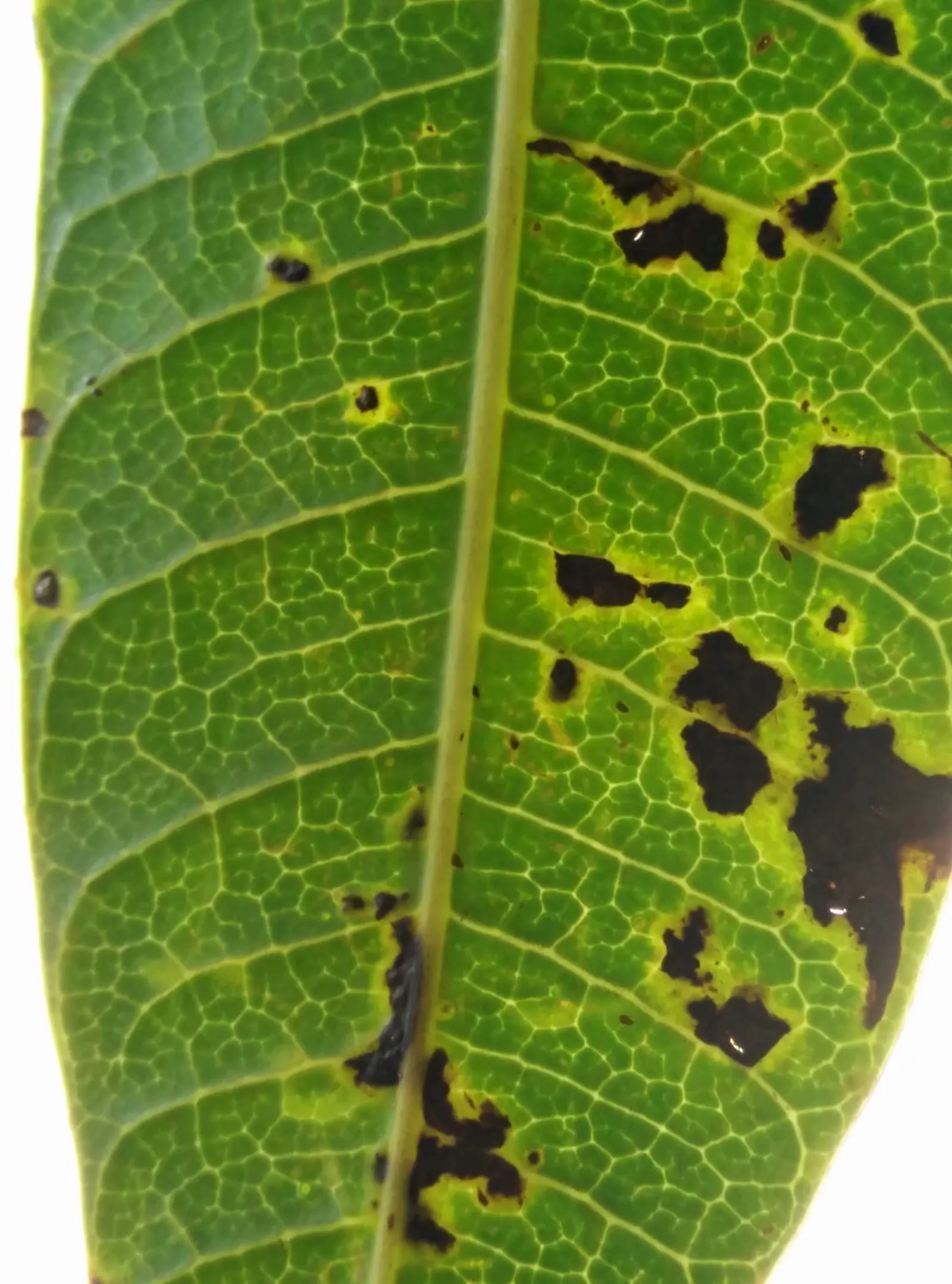
Xanthomonas citri
Bacterial disease producing raised corky lesions on leaves, twigs, and fruit. Spread by wind-driven rain and contaminated tools. Quarantine-regulated in many areas.
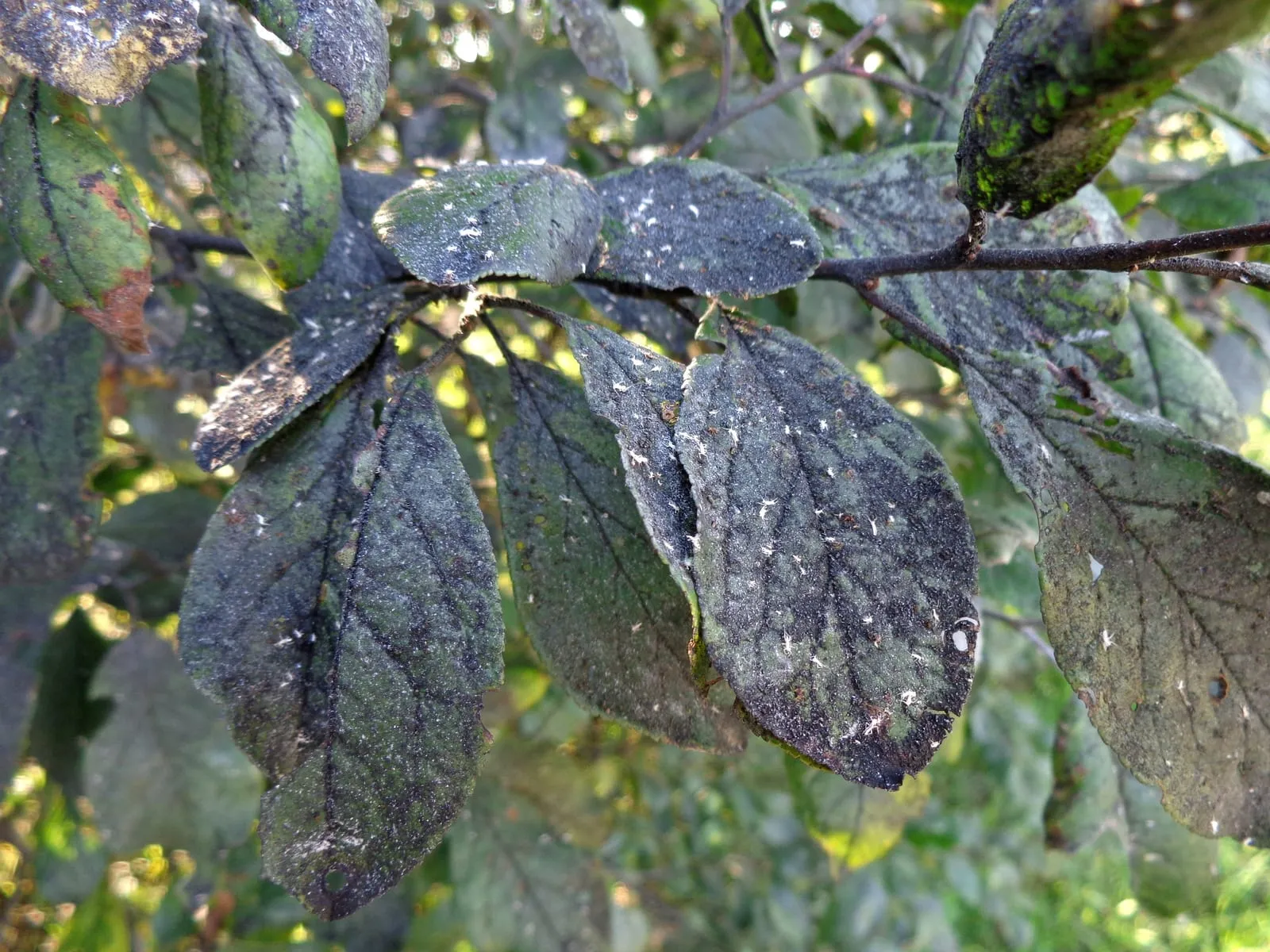
Capnodium spp.
Black fungal coating that grows on honeydew secreted by aphids, scale, mealybugs, and whiteflies. Doesn't infect plant tissue directly but blocks photosynthesis and disfigures fruit.
Modified care for zone 11b
The continuous growing season in zone 11b means the tree never enters dormancy, so nutrient cycling, irrigation, and pest management run without an off-season reset. Fertilization should be split into three to four applications per year rather than the single-season approach that works in colder zones. Near coastal exposures, salt spray accumulation on foliage causes marginal leaf burn and can interfere with photosynthesis; periodic fresh-water rinsing of the canopy reduces salt load without significant labor.
Sooty mold, a secondary fungal growth fed by honeydew from aphids, whiteflies, and scale insects, is a consistent concern under the warm, humid conditions of 11b. Controlling the insect vectors rather than the mold itself is the effective management path. Citrus Greening (HLB) has no cure; the practical response is sourcing certified disease-free nursery stock and removing symptomatic wood promptly to slow spread.
Lemon in adjacent zones
Image: "Citrus x limon (Outjo)", by Hans Hillewaert, via Wikimedia Commons, licensed under CC-BY Source.
.jpg)
Related