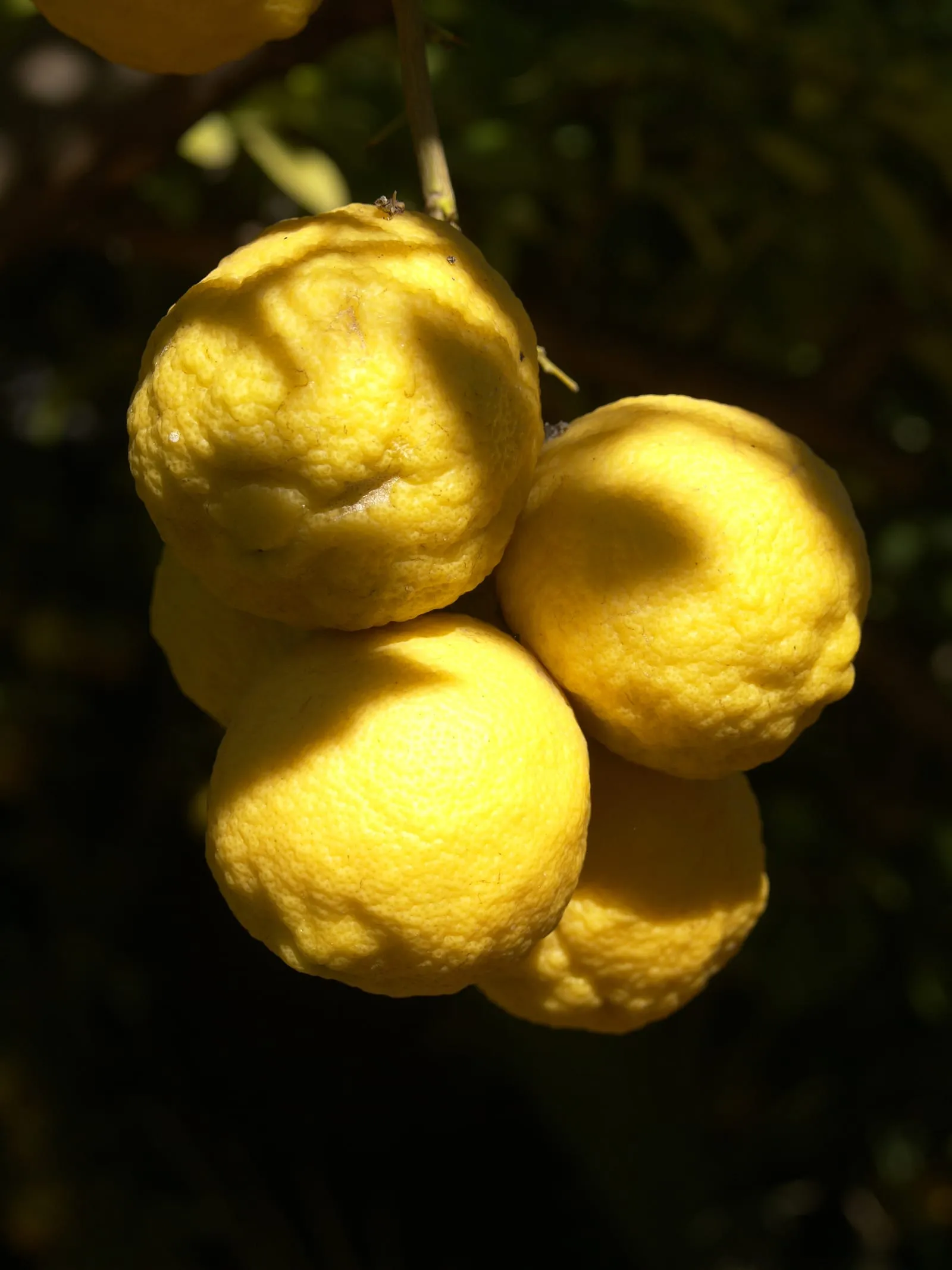
fruit tree in zone 9a
Growing lemon in zone 9a
Citrus limon
- Zone
- 9a 20°F to 25°F
- Growing season
- 290 days
- Chill needed
- 0 to 100 below 45°F
- Suitable varieties
- 2
- Days to harvest
- 180 to 365
The verdict
Zone 9a is well within the comfort range for lemon production. Lemons require essentially no chill hours, and the 0 to 100 hour threshold is met even in the mildest zone 9a winters, making chill accumulation a non-issue. The 290-day growing season gives fruit ample time to develop full flavor and color before the next bloom cycle begins.
The limiting factor in zone 9a is the cold end of the temperature range. Winter lows of 20 to 25°F can damage unprotected fruit on the tree and injure young wood on newly established trees. Mature Lisbon and Meyer trees handle brief dips into the low 20s reasonably well, but prolonged freezes or back-to-back cold nights create real injury risk. Meyer, being a hybrid with mandarin parentage, carries slightly more cold tolerance than true lemons like Lisbon. Neither is reliably hardy much below 22°F without some protection. For most of the zone 9a footprint, this represents an occasional cold event rather than a seasonal pattern, making lemons a reliable crop with modest precautions.
Recommended varieties for zone 9a
2 cultivars suited to this zone, with disease-resistance and zone-fit annotations.
| Variety | Notes | Zone fit | Disease resistance |
|---|---|---|---|
| Lisbon fits zone 9a | Sharper acidity than Eureka, holds well on the tree. More cold-tolerant and thornier; the better choice for marginal zones. | | none noted |
| Meyer fits zone 9a | Sweet-tart with a distinct tangerine note from its mandarin parentage; a chef's lemon for tarts and curd. Cold-hardy to 22°F when well-established. | |
|
Critical timing for zone 9a
In zone 9a, lemons do not follow the single-flush bloom-to-harvest schedule common to deciduous fruit. Lisbon and Meyer both tend toward near-continuous or multiple-flush flowering, with the heaviest bloom occurring in late winter and early spring, roughly February through April. A secondary flush often follows in fall.
Harvest timing tracks roughly 9 to 12 months from bloom for Lisbon and 6 to 9 months for Meyer, which means the primary winter bloom produces fruit for harvest the following winter into spring. Frost timing in zone 9a, with last frost dates typically running late January to mid-February, aligns reasonably well with the bloom window, though late cold snaps can damage open flowers. Fruit left on the tree through a hard freeze is more vulnerable than dormant wood, so growers with fruit ripening in December through February should monitor forecasts closely.
Common challenges in zone 9a
- ▸ Limited stone fruit options due to insufficient chill
- ▸ Hurricane and tropical storm exposure
- ▸ Citrus disease pressure
Disease pressure to watch for
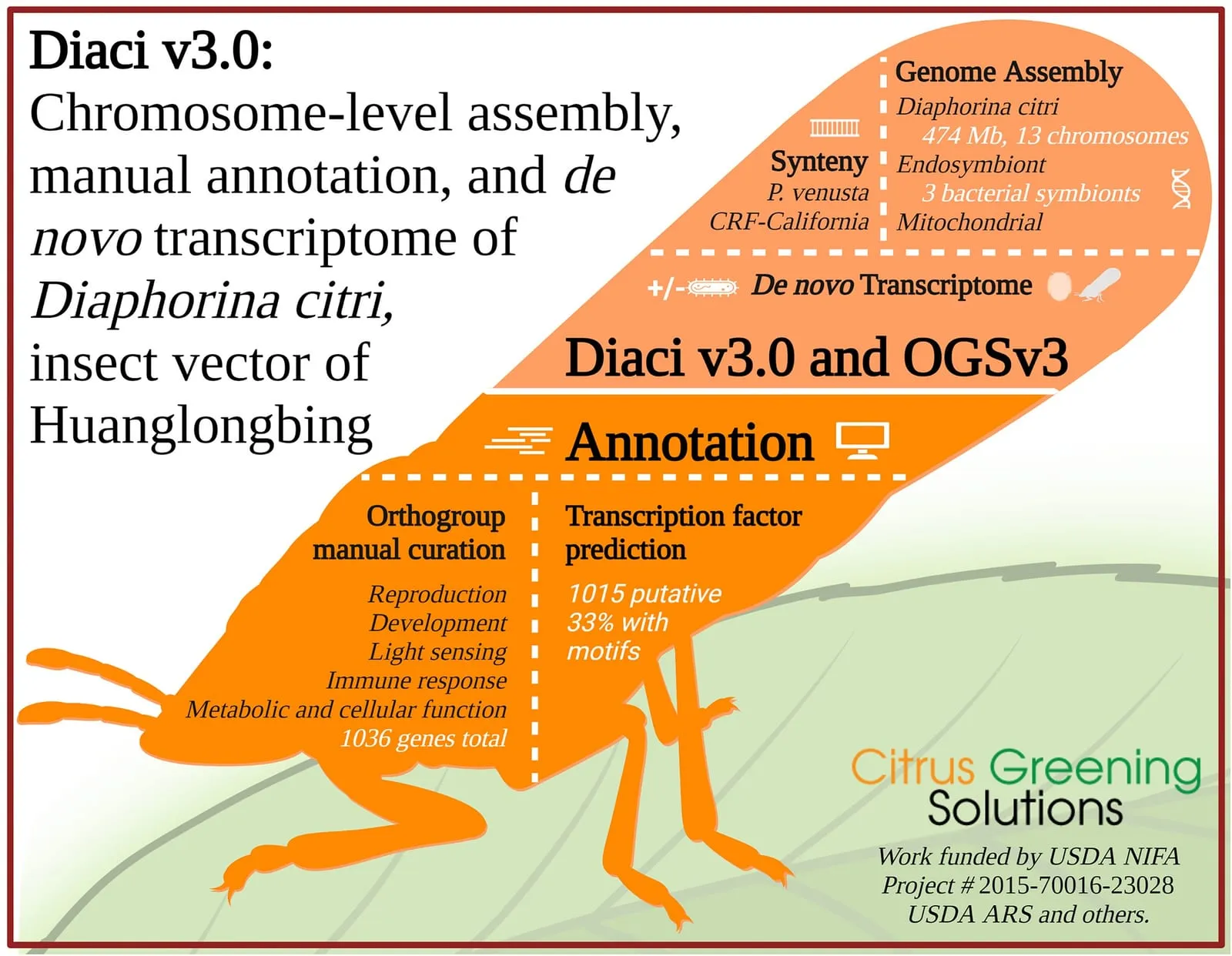
Candidatus Liberibacter asiaticus
Devastating bacterial disease vectored by the Asian citrus psyllid. Once infected, trees decline progressively over several years and there is no cure. Has destroyed commercial citrus across Florida and threatens production worldwide.
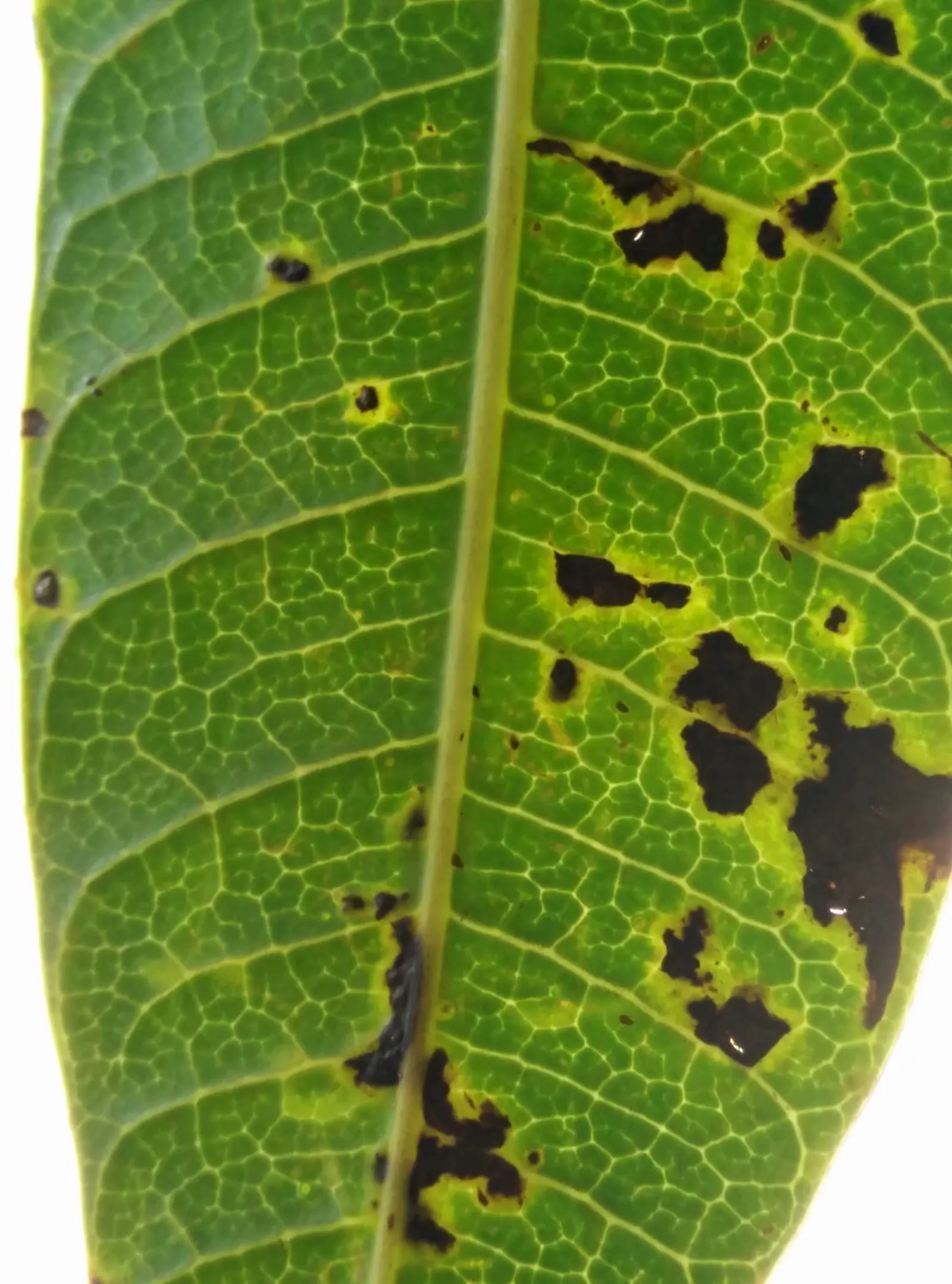
Xanthomonas citri
Bacterial disease producing raised corky lesions on leaves, twigs, and fruit. Spread by wind-driven rain and contaminated tools. Quarantine-regulated in many areas.
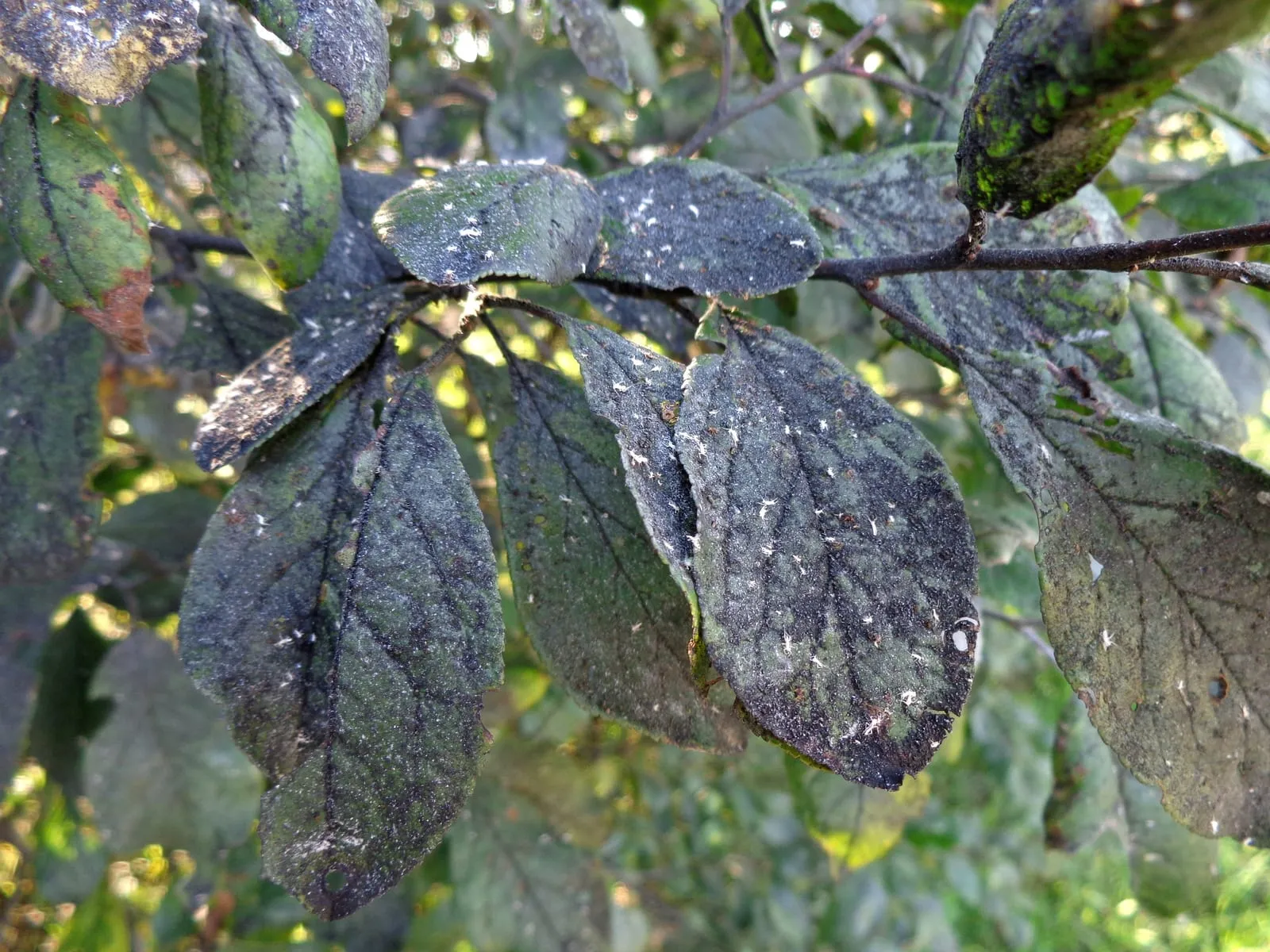
Capnodium spp.
Black fungal coating that grows on honeydew secreted by aphids, scale, mealybugs, and whiteflies. Doesn't infect plant tissue directly but blocks photosynthesis and disfigures fruit.
Modified care for zone 9a
The most significant adjustment for zone 9a growers is protecting young trees during the first two to three winters. Newly planted lemons lack the bark thickness and root mass to buffer cold snaps, and a single hard freeze can set a tree back by a season or more. Wrapping the trunk, covering with frost cloth when lows approach 25°F, and keeping a well-mulched root zone are standard precautions until the tree is established.
Disease pressure deserves consistent attention. Citrus Greening (HLB), spread by the Asian citrus psyllid, is present across most of the zone 9a range in the Southeast and Gulf Coast. There is no cure; the management strategy is early detection, controlling psyllid populations with approved insecticides, and replacing infected trees promptly. Citrus Canker, a bacterial disease, spreads through wind-driven rain, which is a real concern in the hurricane-exposed portions of zone 9a. Copper-based sprays applied before and after storm events reduce infection risk. Sooty mold, a secondary issue following scale or aphid infestations, is controlled by keeping the underlying insect populations in check.
Frequently asked questions
- Can lemons survive zone 9a winters without protection?
Established trees handle brief dips to around 22°F without lasting damage, which covers most zone 9a winters. Young trees in their first two or three years are more vulnerable and benefit from trunk wrapping and frost cloth when temperatures approach 25°F. Fruit on the tree is more cold-sensitive than the wood itself.
- Which lemon variety is better for zone 9a, Lisbon or Meyer?
Meyer carries a slight edge in cold tolerance and handles the occasional hard freeze better than Lisbon. Lisbon produces more true lemon flavor and is a higher-yielding commercial type. In the warmer parts of zone 9a with minimal frost risk, either performs well. In colder pockets near the 9a/8b boundary, Meyer is the safer choice.
- How serious is Citrus Greening (HLB) for home lemon growers in zone 9a?
HLB is present throughout most of the zone 9a range in Florida and the Gulf Coast and is the most serious long-term threat to citrus in the region. There is no treatment for infected trees. Controlling the Asian citrus psyllid vector through regular monitoring and targeted insecticide applications is the primary management tool available to home growers.
+−
+−
+−
Lemon in adjacent zones
Image: "Citrus x limon (Outjo)", by Hans Hillewaert, via Wikimedia Commons, licensed under CC-BY Source.
.jpg)
Related