fruit tree in zone 11b
Growing grapefruit in zone 11b
Citrus paradisi
- Zone
- 11b 45°F to 50°F
- Growing season
- 365 days
- Chill needed
- 0 to 100 below 45°F
- Suitable varieties
- 3
- Days to harvest
- 300 to 365
The verdict
Zone 11b, with minimum temperatures holding between 45 and 50°F year-round, is a genuine sweet spot for grapefruit rather than a marginal case. Grapefruit is a subtropical citrus that requires 0 to 100 chill hours, and zone 11b delivers essentially none of the cold accumulation that temperate fruit trees depend on. That's not a problem here; it's the point. The crop evolved for conditions close to these: warm nights, no hard frost, and a growing season that runs the full 365 days.
Full-season warmth allows fruit to develop the sugar content and color that makes Ruby Red and Marsh worth growing. There's no risk of frost damage to open blossoms or to developing fruit in late fall. The limiting factors in this zone are not cold-related at all. Year-round pest pressure, coastal salt spray, and disease management (particularly Citrus Greening) are the real concerns for growers here.
Recommended varieties for zone 11b
3 cultivars suited to this zone, with disease-resistance and zone-fit annotations.
| Variety | Notes | Zone fit | Disease resistance |
|---|---|---|---|
| Ruby Red fits zone 11b | Pink-blushed flesh with classic balanced sweet-bitter grapefruit profile; the breakfast standard. Holds well on the tree from December through May. | | none noted |
| Marsh fits zone 11b | Pale yellow flesh, seedless, sharper bitterness; the original commercial seedless grapefruit. Cold-tolerant; reliable in zone 9. | | none noted |
| Oroblanco fits zone 11b | Pomelo cross with low bitterness, almost a sweet-grapefruit hybrid; an easier introduction for newcomers. Larger fruit, thicker rind. | | none noted |
Critical timing for zone 11b
Grapefruit in zone 11b blooms primarily from February through April. Because frost is not a factor, bloom timing is driven by subtle seasonal temperature shifts and tree maturity rather than the need to clear a frost window. Established trees often produce a secondary, lighter flush of flowers in late summer.
Harvest windows vary by variety. Ruby Red typically peaks September through December. Marsh (the standard white grapefruit) runs October through January. Oroblanco, a pummelo hybrid that handles the warm-zone flavor profile well, ripens November through February. One practical advantage in this zone is that ripe fruit can hold on the tree for several months without significant quality loss, allowing growers to harvest to demand rather than to a narrow window.
Common challenges in zone 11b
- ▸ Year-round pest pressure
- ▸ Salt spray near coasts
- ▸ No winter dormancy for traditional temperate species
Disease pressure to watch for
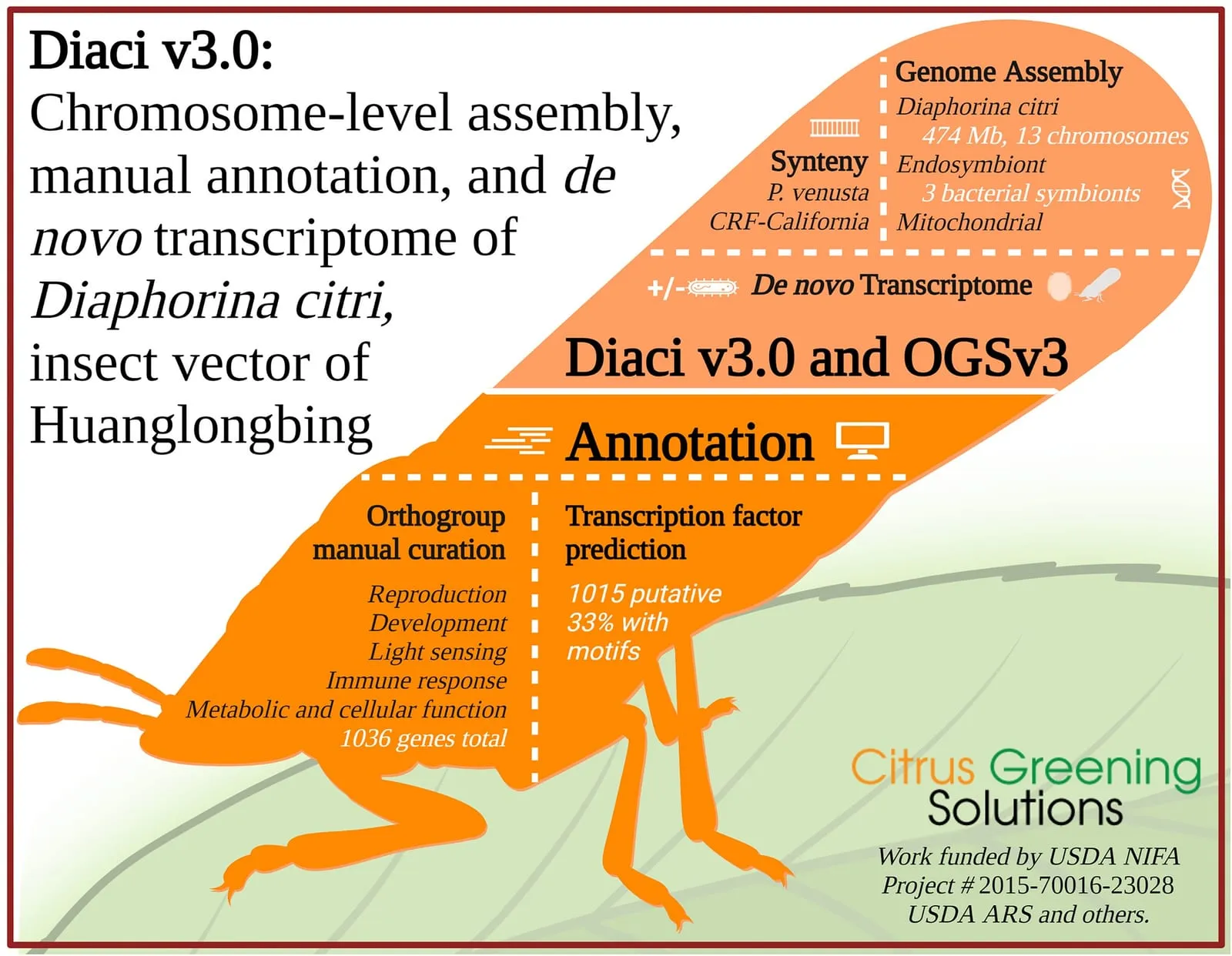
Candidatus Liberibacter asiaticus
Devastating bacterial disease vectored by the Asian citrus psyllid. Once infected, trees decline progressively over several years and there is no cure. Has destroyed commercial citrus across Florida and threatens production worldwide.
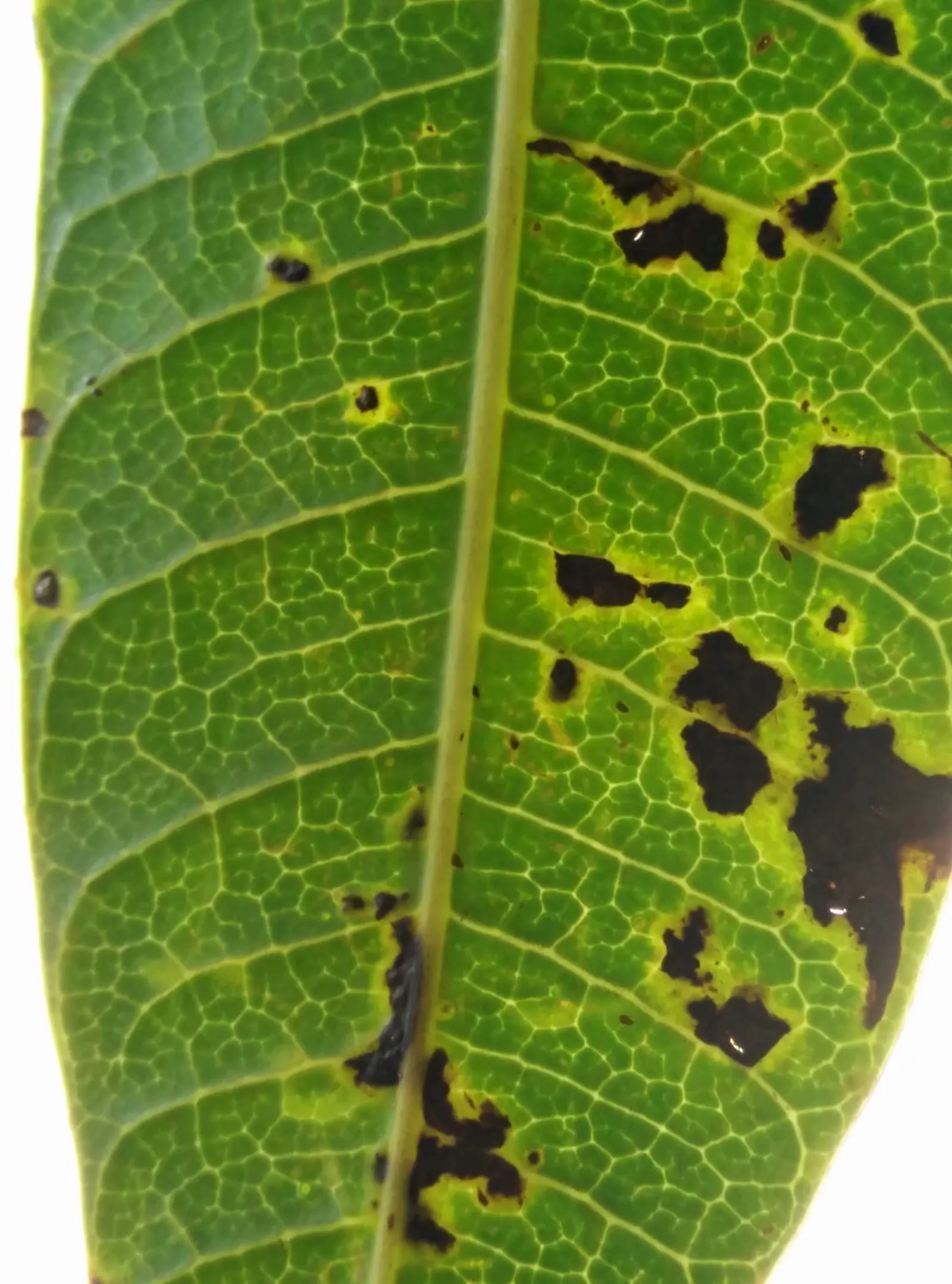
Xanthomonas citri
Bacterial disease producing raised corky lesions on leaves, twigs, and fruit. Spread by wind-driven rain and contaminated tools. Quarantine-regulated in many areas.
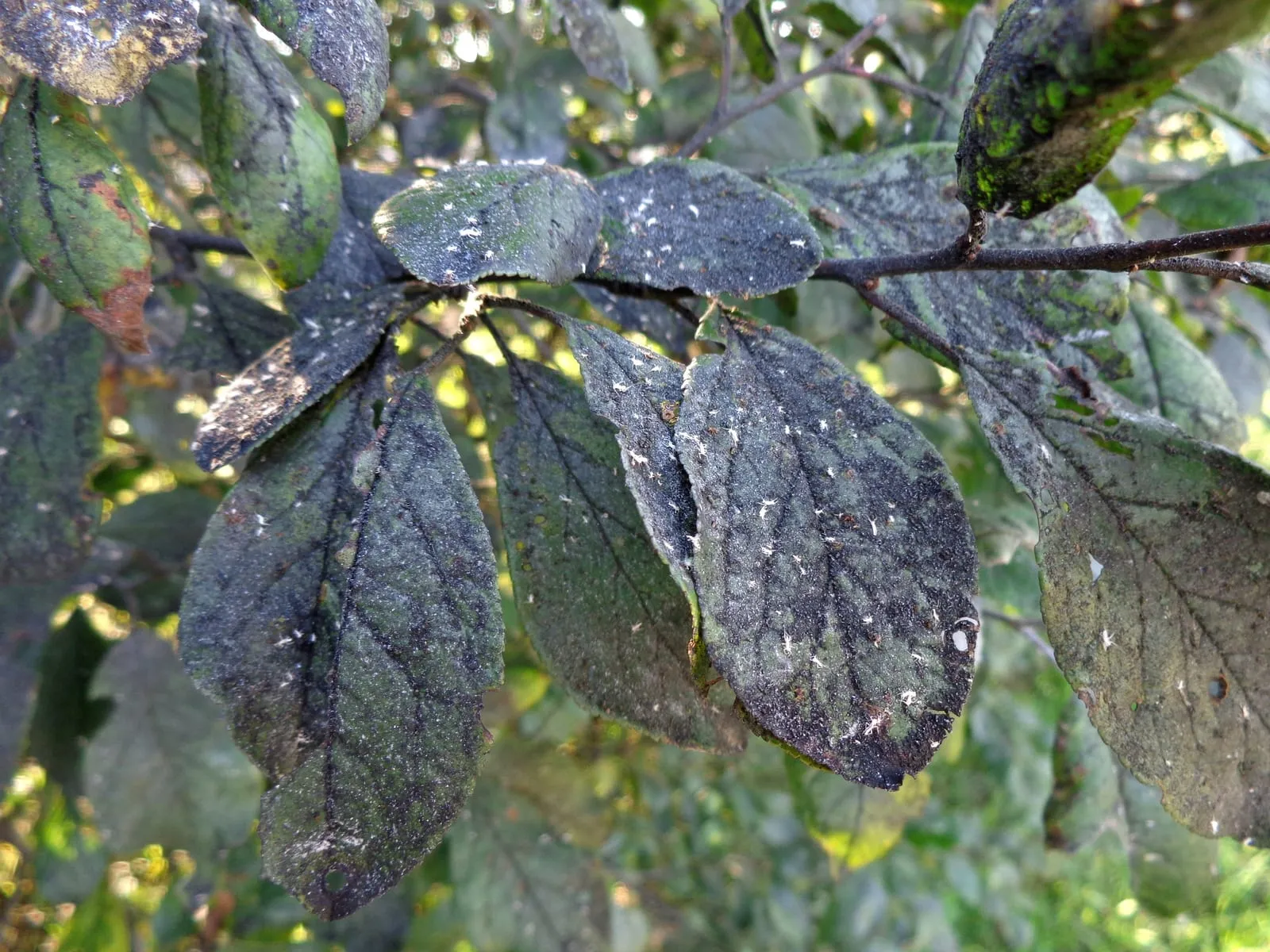
Capnodium spp.
Black fungal coating that grows on honeydew secreted by aphids, scale, mealybugs, and whiteflies. Doesn't infect plant tissue directly but blocks photosynthesis and disfigures fruit.
Modified care for zone 11b
Cold protection is not a management consideration in zone 11b, but several other adjustments matter. Citrus Greening (HLB), spread by the Asian citrus psyllid, is the highest-stakes disease risk in warm citrus zones. Psyllid populations don't crash in winter here, so monitoring must be year-round. There's no cure once a tree is infected; early detection, prompt removal of symptomatic wood, and psyllid suppression are the only practical responses.
Citrus Canker spreads readily in warm, humid conditions. Preventive copper-based sprays, applied before wet weather periods, reduce lesion development. Near coastlines, salt spray accumulates on foliage and causes marginal leaf burn; periodic freshwater rinsing and siting trees behind windbreaks reduces this. Fertilization should be split across four or more light applications per year rather than one or two heavy doses, since the tree cycles continuously without a true dormant rest period.
Grapefruit in adjacent zones
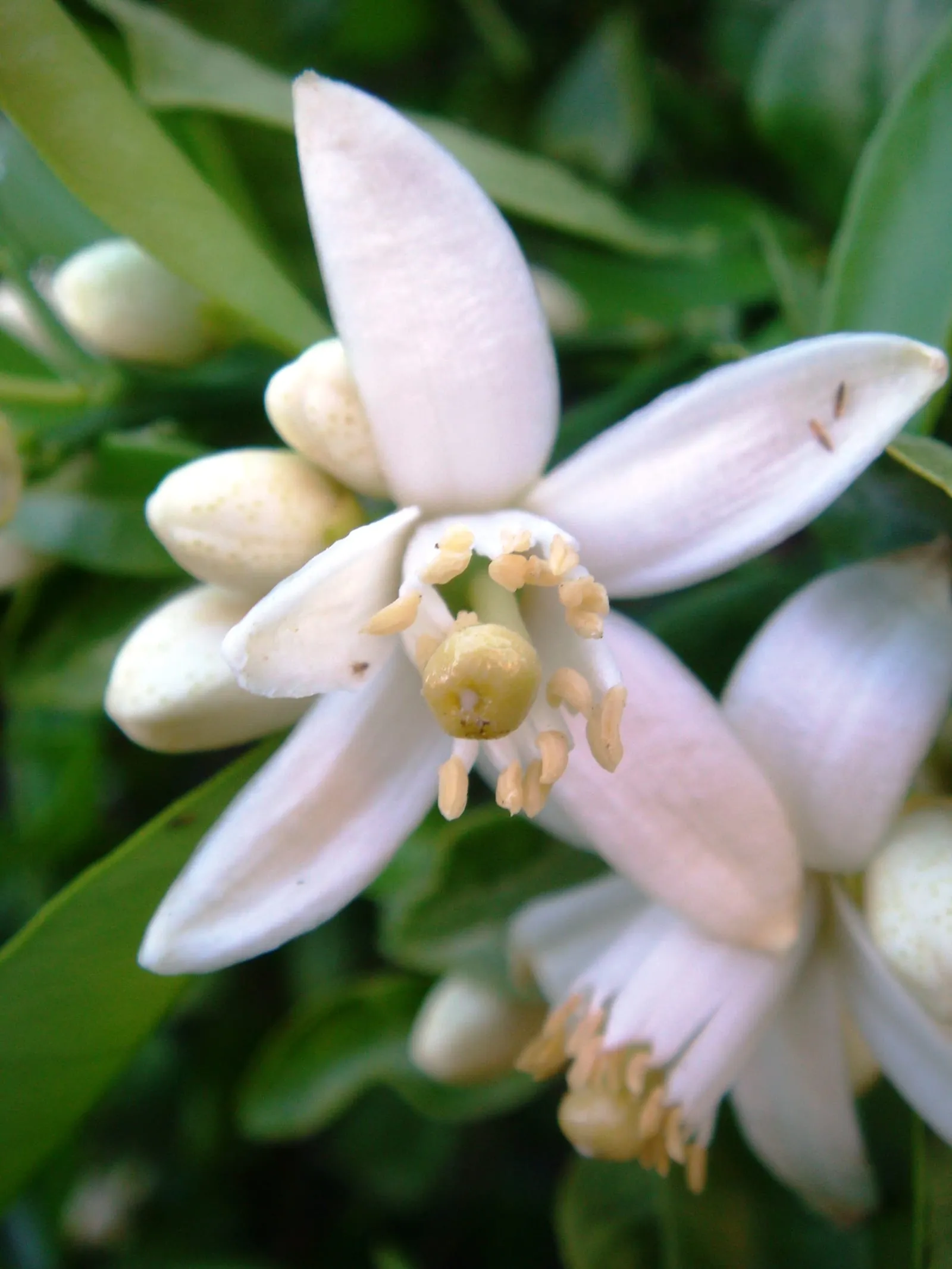
Image: "Citrus-x-paradisi-20080322", by Miwasatoshi, via Wikimedia Commons, licensed under CC-BY Source.

Related