nut in zone 12b
Growing macadamia in zone 12b
Macadamia integrifolia
- Zone
- 12b 55°F to 60°F
- Growing season
- 365 days
- Chill needed
- 0 to 100 below 45°F
- Suitable varieties
- 2
- Days to harvest
- 180 to 240
The verdict
Zone 12b is a genuine sweet spot for macadamia, not a marginal case. With minimum winter temperatures holding between 55 and 60°F and a 365-day growing season, the climate mirrors the Hawaiian and coastal Queensland conditions where macadamia production is commercially established. The crop's chill-hour requirement of 0 to 100 hours is satisfied trivially in zone 12b, where temperatures rarely drop low enough to accumulate any meaningful chilling at all. This is not a liability: macadamia simply does not need cold to initiate flowering.
Varieties like Beaumont and Keaau were selected specifically for low-chill, high-humidity tropical environments and perform predictably in these conditions. Growers coming from temperate orchard backgrounds should set aside expectations about dormancy periods. Macadamia in zone 12b grows more or less continuously, requiring a different management rhythm than deciduous tree crops.
Recommended varieties for zone 12b
2 cultivars suited to this zone, with disease-resistance and zone-fit annotations.
| Variety | Notes | Zone fit | Disease resistance |
|---|---|---|---|
| Beaumont fits zone 12b | Smooth-shelled prolific macadamia with sweet rich kernel; the most productive variety for home growers. Self-pollinating. | | none noted |
| Keaau fits zone 12b | Hawaiian commercial variety with high oil content and excellent kernel quality; the standard for export production. Vigorous tree. | | none noted |
Critical timing for zone 12b
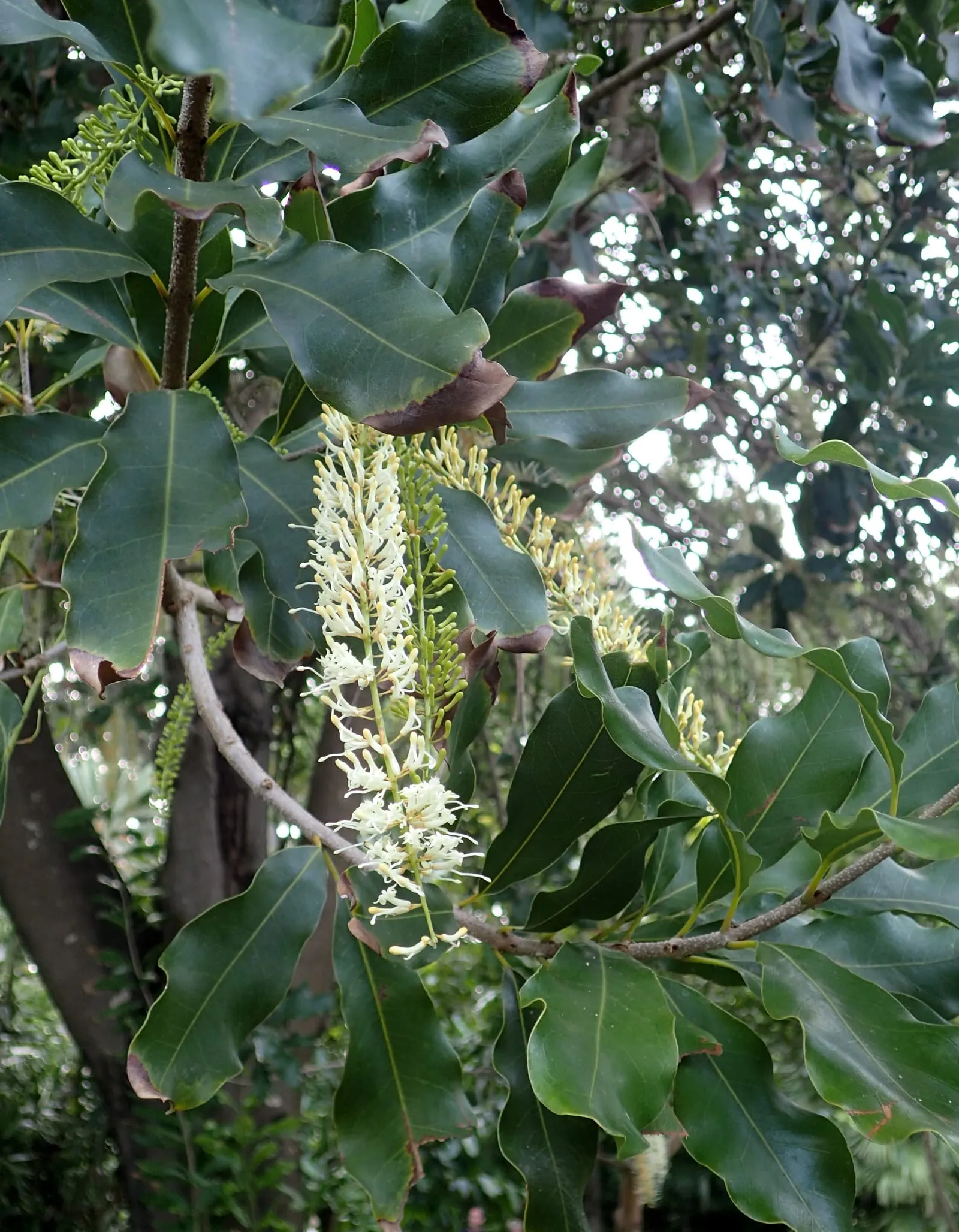
In zone 12b, macadamia typically produces racemes (the elongated flower spikes) in late winter to early spring, roughly January through March, though individual trees and microclimates vary. Pollination depends heavily on insect activity, particularly native bees and honeybees. Frost is not a factor in zone 12b, so bloom timing is driven by slight seasonal temperature shifts and photoperiod cues rather than frost risk.
Nut development takes approximately 6 to 7 months after pollination, placing primary harvest between August and November. Macadamia drops nuts when mature rather than holding them on the tree, so regular ground harvest every 1 to 2 weeks is standard practice. In a year-round growing climate, some trees may carry multiple overlapping crop stages simultaneously.
Common challenges in zone 12b
- ▸ No chilling for temperate fruit
- ▸ Pest pressure year-round
- ▸ Specialized cultivar selection
Disease pressure to watch for
Modified care for zone 12b
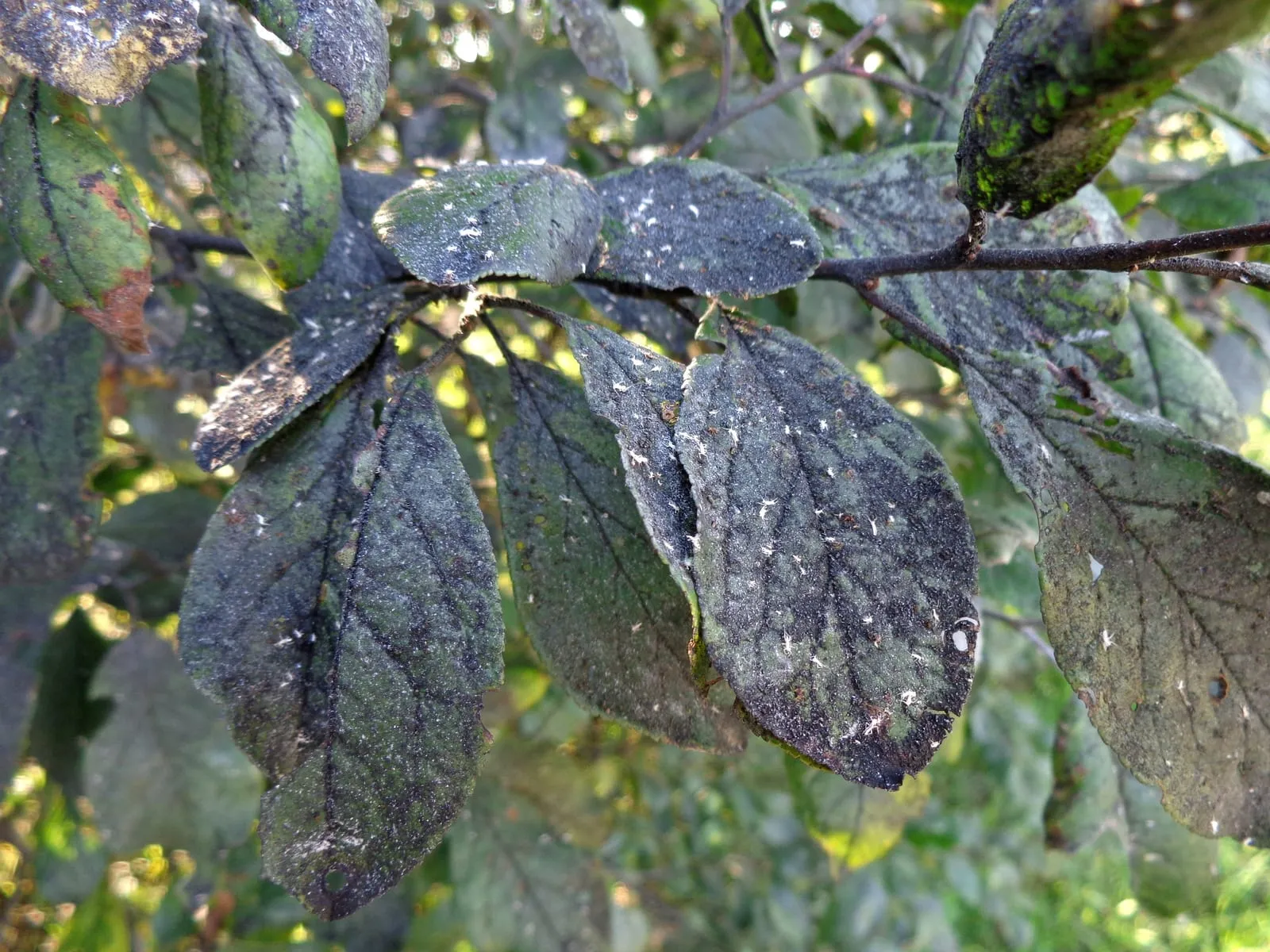
The most significant management adjustment in zone 12b is pest pressure. With no winter cold to suppress insect populations, scale insects and the sooty mold that follows heavy scale infestations are persistent concerns. Sooty mold is a secondary fungal issue: it colonizes the honeydew that sap-sucking insects deposit on leaves and husks. Controlling scale and mealybug populations with horticultural oil applications is the primary lever for keeping sooty mold in check.
Irrigation management matters more than in cooler zones because dry spells during nut fill can cause premature drop. Mulching heavily around the root zone conserves moisture and moderates soil temperature. Fertilization should be split into smaller, more frequent applications given the year-round active growth; large single-season doses are less efficient in continuously growing trees. Wind protection is worth considering at planting time, as macadamia branches are relatively brittle.
Frequently asked questions
- Do macadamia trees need a dry season to produce well in zone 12b?
A mild dry period can help synchronize flowering, but it is not strictly required. In consistently humid zone 12b conditions, trees will still flower and set nuts, though timing may be more diffuse across the year than in climates with a pronounced dry season.
- How long before a macadamia tree bears nuts in zone 12b?
Grafted trees typically begin producing small crops in years 3 to 5, with meaningful yields developing by year 7 to 10. Seedling trees take considerably longer and show more variable nut quality. Grafted nursery stock from named varieties like Beaumont is the standard recommendation.
- Is sooty mold harmful to the macadamia nuts themselves?
Sooty mold on foliage reduces photosynthesis and is a sign of underlying pest activity, but it does not typically infect the nut interior. Managing the scale or mealybug infestation that produces the honeydew is more important than treating the mold directly.
+−
+−
+−
Macadamia in adjacent zones
Image: "Macadamia integrifolia kz2", by Krzysztof Ziarnek, Kenraiz, via Wikimedia Commons, licensed under CC-BY Source.

Related