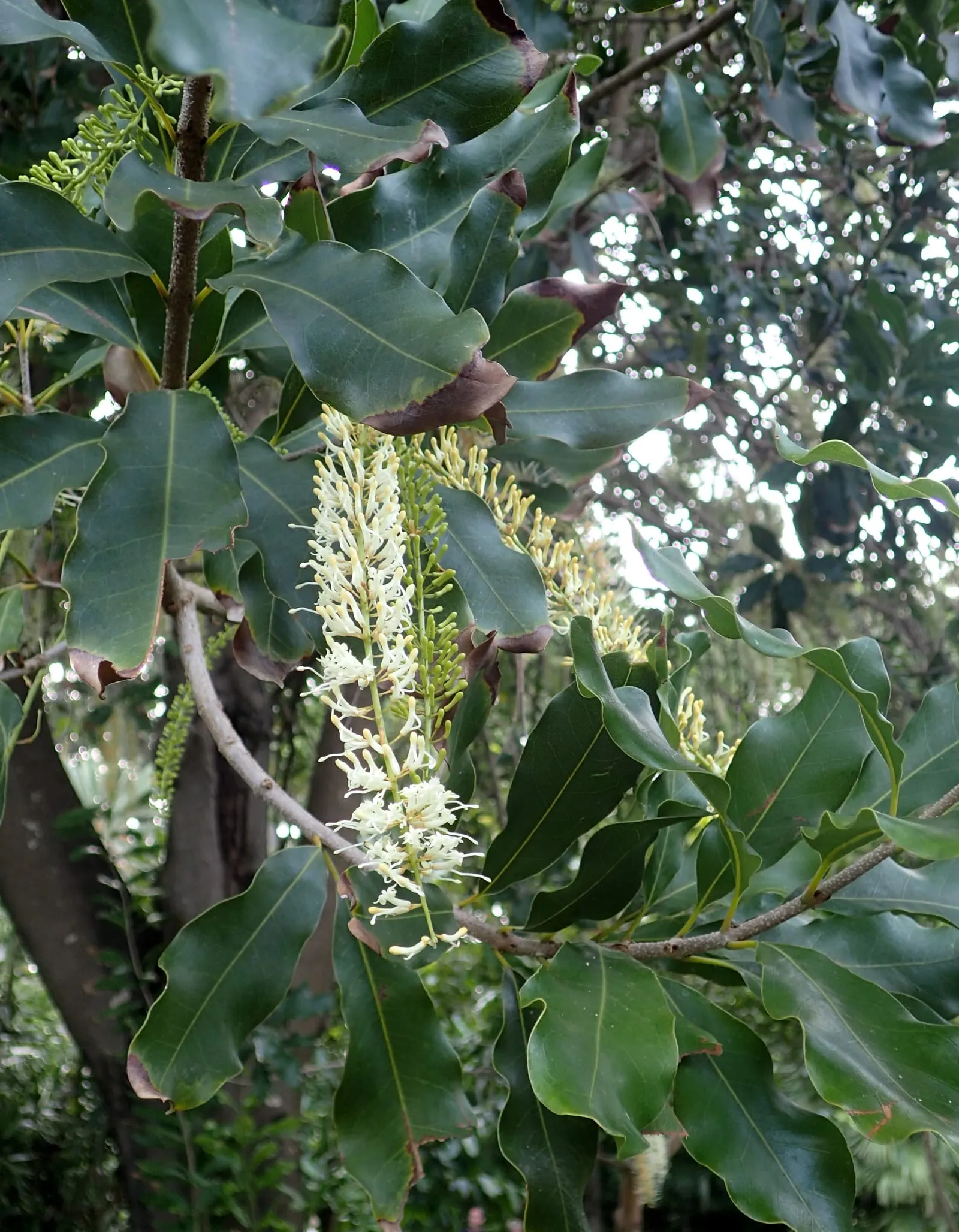
nut in zone 10b
Growing macadamia in zone 10b
Macadamia integrifolia
- Zone
- 10b 35°F to 40°F
- Growing season
- 365 days
- Chill needed
- 0 to 100 below 45°F
- Suitable varieties
- 3
- Days to harvest
- 180 to 240
The verdict
Zone 10b is a genuine sweet spot for macadamia, not a marginal case. The crop's chill-hour requirement of 0 to 100 hours means it needs virtually no winter cold to set fruit, and zone 10b's minimum temperatures of 35 to 40°F deliver exactly that without threatening the tree with frost injury. The 365-day growing season eliminates the dormancy constraints that limit macadamia performance in cooler zones, and sustained warmth supports the extended canopy and root development the trees need to reach productive maturity.
Varieties Beaumont, Cate, and Keaau were all developed or selected under Hawaiian tropical conditions that closely match zone 10b's temperature profile, which means growers here are working with material that was bred for this climate rather than adapted to it. The binding constraints in zone 10b are not thermal at all; they are the zone's coastal soil challenges and persistent tropical pest and disease pressure, both of which are manageable with appropriate cultural practices.
Recommended varieties for zone 10b
3 cultivars suited to this zone, with disease-resistance and zone-fit annotations.
| Variety | Notes | Zone fit | Disease resistance |
|---|---|---|---|
| Beaumont fits zone 10b | Smooth-shelled prolific macadamia with sweet rich kernel; the most productive variety for home growers. Self-pollinating. | | none noted |
| Cate fits zone 10b | Cold-hardier variety with smaller kernel and slightly more bitter finish; the best choice for marginal-climate California sites. Tolerates 28°F. | | none noted |
| Keaau fits zone 10b | Hawaiian commercial variety with high oil content and excellent kernel quality; the standard for export production. Vigorous tree. | | none noted |
Critical timing for zone 10b
Without a defined cold period to synchronize flowering, macadamia in zone 10b can produce racemes of small white to pale pink flowers in multiple flushes across the year. The primary bloom typically runs late winter into early spring, with secondary flushes possible in fall. Nut development from pollination to maturity takes approximately 7 to 9 months, placing the main harvest window between late summer and early winter, though off-season nuts can be present at other times.
Zone 10b's minimum temperatures pose no meaningful frost risk to bloom. The practical harvest challenge is managing multiple ripening cohorts on the tree simultaneously. Nuts are ready when they drop naturally or when the green outer husk begins to split at the seam; calendar date alone is not a reliable harvest indicator in a climate with staggered flowering.
Common challenges in zone 10b
- ▸ No winter chill
- ▸ Tropical pest and disease pressure
- ▸ Saltwater intrusion in coastal soils
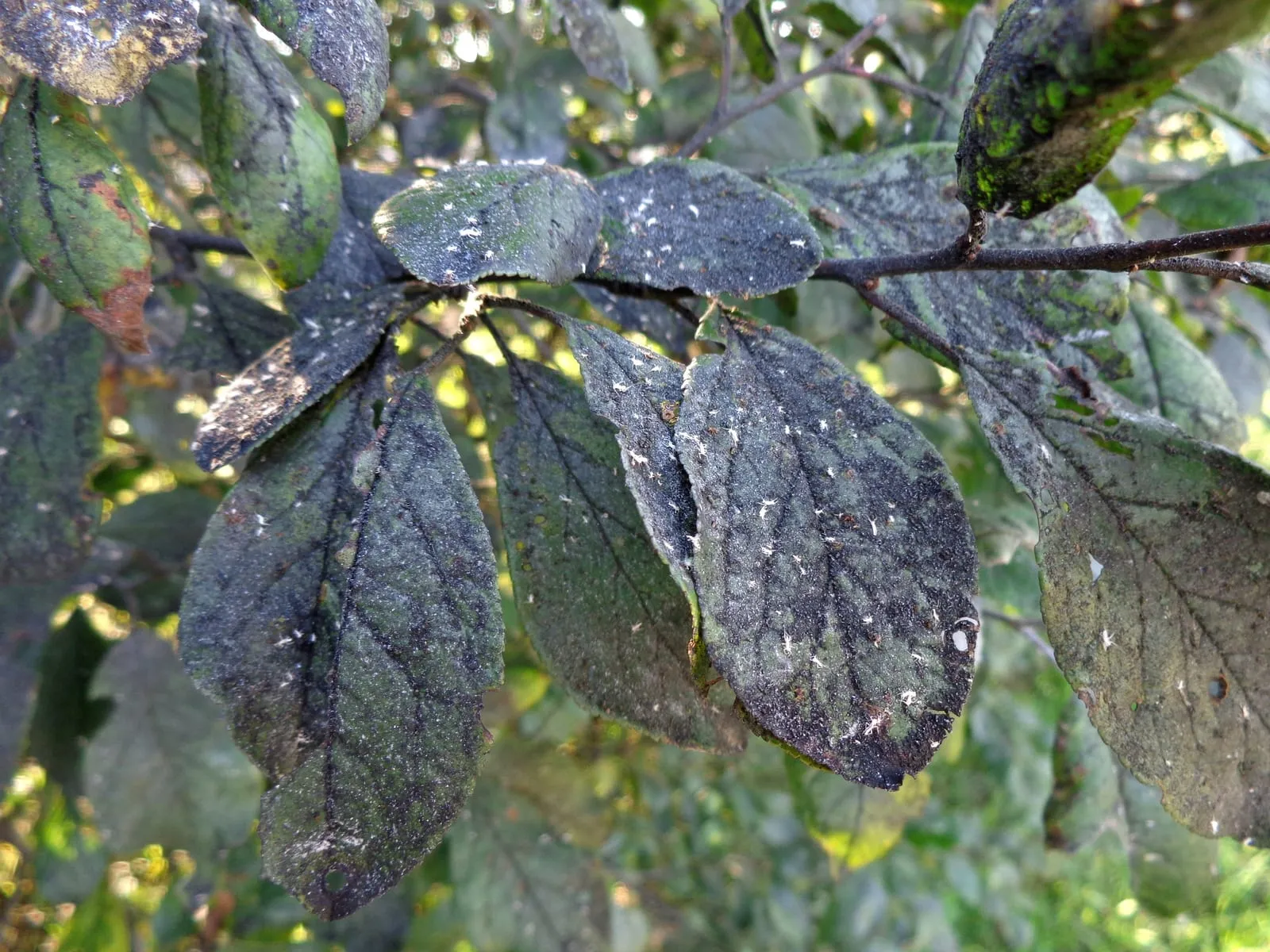
Disease pressure to watch for
Modified care for zone 10b
Macadamia in zone 10b needs no winter cold protection, but growers should build their management program around two zone-specific pressures. First, sooty mold is the principal disease threat in sustained tropical conditions. It develops on honeydew deposited by scale insects and aphids rather than from primary infection, so controlling the insect vectors through horticultural oil applications is more effective than treating the mold surface directly.
Second, coastal sites with saltwater intrusion require periodic soil monitoring for chloride accumulation. Macadamia is moderately sensitive to elevated soil salinity; deep irrigation every few weeks during dry periods helps leach salts below the active root zone. Heavy organic mulch around the trunk conserves soil moisture and moderates temperature swings during any dry season. Irrigation consistency matters more in zone 10b than in cooler parts of the crop's range because the trees have no seasonal dormancy period to buffer moisture stress.
Macadamia in adjacent zones
Image: "Macadamia integrifolia kz2", by Krzysztof Ziarnek, Kenraiz, via Wikimedia Commons, licensed under CC-BY Source.

Related