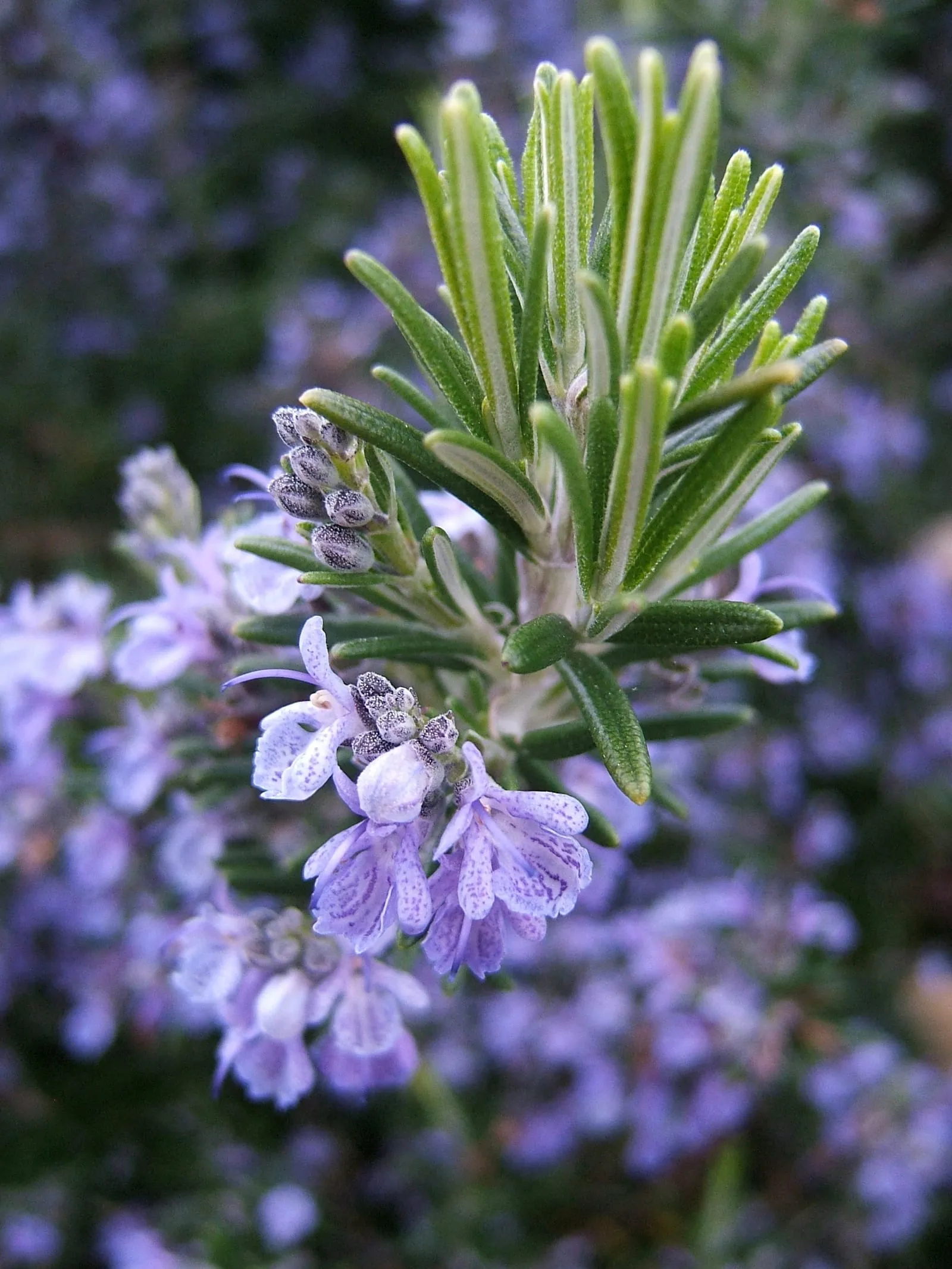
herb in zone 10b
Growing rosemary in zone 10b
Salvia rosmarinus
- Zone
- 10b 35°F to 40°F
- Growing season
- 365 days
- Suitable varieties
- 0
- Days to harvest
- 180 to 240
The verdict
Rosemary is a Mediterranean herb with no chill-hour requirement, which makes zone 10b a genuine sweet spot rather than a marginal case. Minimum winter temperatures of 35 to 40°F sit well above the damage threshold for established plants, which typically begins around 10 to 20°F. Rather than dying back each winter, rosemary in zone 10b persists as a woody perennial shrub, sometimes reaching 4 to 6 feet in height over several years.
The practical challenge in zone 10b is not cold but humidity. Rosemary evolved in the low-humidity, rocky soils of the Mediterranean basin, and the combination of warm nights, high moisture, and poor drainage is the primary cause of decline in this zone. Coastal growers also face saltwater intrusion, which rosemary tolerates poorly. On a well-drained, slightly alkaline site with good airflow, the crop performs well year-round.
Critical timing for zone 10b
Without a frost window to contend with, rosemary in zone 10b follows a loose bloom calendar driven by temperature moderation rather than cold dormancy. Flowering is most concentrated in late winter through early spring, roughly January through March, when the zone's coolest temperatures provide a mild check on vegetative growth and encourage flower set. Sporadic repeat bloom is common through fall.
Harvest is effectively continuous. Stem tips can be cut at any time for culinary use, and the plant recovers quickly in warm conditions. The absence of a hard freeze means there is no urgency to harvest before cold sets in, but heavy cutting during the hottest and most humid months increases the risk of fungal entry at cut points.
Common challenges in zone 10b
- ▸ No winter chill
- ▸ Tropical pest and disease pressure
- ▸ Saltwater intrusion in coastal soils
Modified care for zone 10b
The primary care adjustment in zone 10b is aggressive attention to drainage and airflow. Raised beds or mounded planting sites prevent the waterlogged root conditions that cause root rot, the leading cause of rosemary failure in humid warm climates. Avoid overhead irrigation; drip or hand watering at the base keeps foliage dry.
In coastal locations where saltwater intrusion is documented in the soil, raised beds filled with imported soil are often the only practical option. Salt accumulation suppresses growth and eventually kills the plant.
Summer heat rarely causes direct damage, but dense, unpruned shrubs trap moisture inside the canopy. An annual structural pruning after the spring bloom flush, removing crossing branches and opening the center, reduces fungal pressure meaningfully. No winter protection is needed at these temperatures.
Frequently asked questions
- Does rosemary need any chill hours to grow in zone 10b?
No. Unlike fruit trees, rosemary has no chill-hour requirement. It grows and blooms without a cold period, which is why zone 10b suits it well. The main limiting factor in this zone is humidity and drainage, not temperature.
- Why does rosemary sometimes die suddenly in warm, humid climates?
The most common cause is Phytophthora root rot, a water mold that thrives in warm, saturated soil. Rosemary shows few symptoms until the plant collapses. Prevention is almost entirely structural: sharp drainage, dry foliage, and good airflow around the base of the plant.
- Can rosemary tolerate the salt air in coastal zone 10b areas?
Salt spray in the air is tolerated reasonably well by established plants. Salt in the soil from intrusion or runoff is a different problem and causes root damage at lower concentrations. Growers in areas with documented saltwater intrusion should build raised planting beds with brought-in soil.
- How large does rosemary get when grown as a perennial in zone 10b?
Without winter dieback, rosemary can grow into a substantial shrub over several years, commonly reaching 4 to 6 feet tall and equally wide on a favorable site. Annual pruning after the spring bloom keeps the plant at a manageable size and improves airflow.
+−
+−
+−
+−
Rosemary in adjacent zones
Image: "Rosmarinus officinalis133095382", by THOR, via Wikimedia Commons, licensed under CC-BY Source.

Related