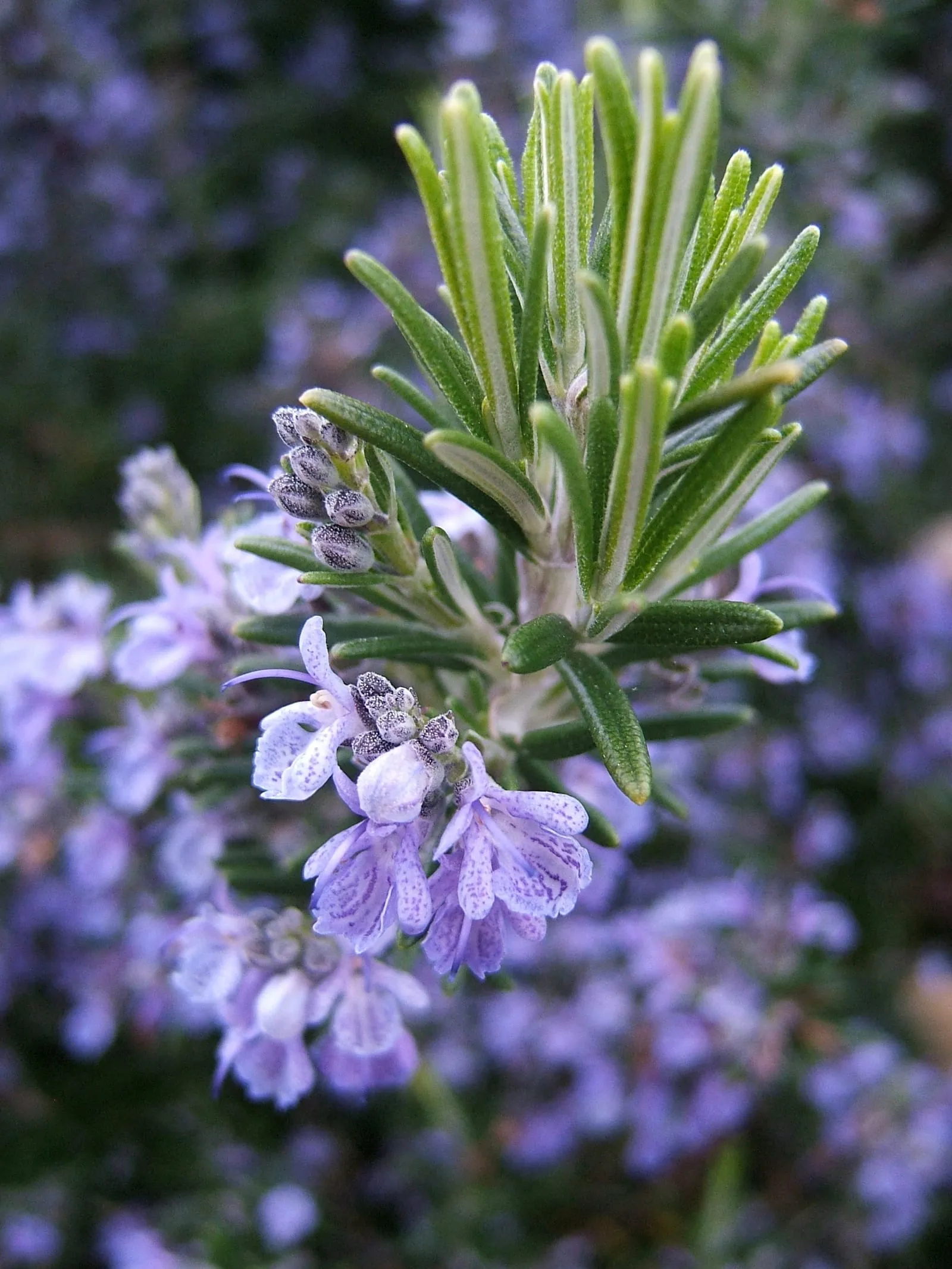
herb in zone 10a
Growing rosemary in zone 10a
Salvia rosmarinus
- Zone
- 10a 30°F to 35°F
- Growing season
- 340 days
- Suitable varieties
- 2
- Days to harvest
- 180 to 240
The verdict
Rosemary is native to the rocky, sun-baked hillsides of the Mediterranean, so zone 10a is a genuine sweet spot rather than a marginal environment. Unlike temperate fruit crops that struggle without winter chilling, rosemary has no chilling requirement at all. The 340-day growing season and minimum winter temperatures of 30 to 35°F allow it to persist as a woody perennial shrub indefinitely, putting on consistent growth from late winter through fall with little to no dormancy.
Tuscan Blue and Prostrate/Trailing are both well-suited selections for zone 10a. Tuscan Blue grows upright to 4 to 6 feet and handles heat without complaint; Prostrate/Trailing is useful along slopes or raised beds where drainage is critical. The main constraint in this zone is not cold or chill-hour deficit but rather humidity management, particularly during the wet season when standing moisture around the root zone can cause decline faster than any frost event.
Recommended varieties for zone 10a
2 cultivars suited to this zone, with disease-resistance and zone-fit annotations.
| Variety | Notes | Zone fit | Disease resistance |
|---|---|---|---|
| Tuscan Blue fits zone 10a | Strong piney, resinous classic rosemary flavor; tall upright form (3-5 ft). Roasted lamb, chicken, focaccia, infused oils. Productive, the cook's standard rosemary, holds well in the landscape. | | none noted |
| Prostrate / Trailing fits zone 10a | Classic rosemary flavor; cascading habit suited to rock walls and containers. Same culinary use as upright types. Cold-tender, often grown as a houseplant in cool climates. | | none noted |
Critical timing for zone 10a
In zone 10a, rosemary can bloom in multiple flushes rather than a single spring window. The primary bloom typically runs from late January through April, with secondary flowering possible again in fall when temperatures moderate after summer heat. Frost risk is minimal given the zone's 30 to 35°F floor, so bloom timing is not significantly constrained by cold.
Harvest is effectively year-round. Flavor and essential-oil concentration peak just before and during active bloom, making late winter and early spring the most productive harvest window for culinary use. Stem tips can be cut throughout the growing season without harming the plant, provided no more than one-third of growth is removed at once during the hottest summer months.
Common challenges in zone 10a
- ▸ No chilling for traditional temperate fruit
- ▸ Hurricane exposure
- ▸ Heat-tolerant cultivars only
Modified care for zone 10a
The primary adjustment for zone 10a is a focus on drainage and air circulation rather than cold protection. Rosemary tolerates heat and drought readily but is vulnerable to Phytophthora root rot in heavy, poorly draining soils, a risk amplified in humid coastal parts of this zone. Raised beds or mounded planting positions with fast-draining sandy or amended loam are strongly preferred over flat clay sites.
Hurricane exposure is a real consideration for growers in southern Florida and coastal Texas. Established rosemary shrubs with woody stems over an inch in diameter can snap or uproot in high winds; siting plants near windbreaks or in partially sheltered positions reduces that risk. During prolonged wet seasons, cutting back interior stems to improve airflow through the canopy helps prevent the fungal moisture problems that are the main threat to long-term plant health in this zone.
Frequently asked questions
- Does rosemary need any winter protection in zone 10a?
No. Zone 10a minimum temperatures of 30 to 35°F rarely threaten established rosemary, which can tolerate brief dips to around 10 to 15°F once hardened. Winter protection is unnecessary; the focus should instead be on drainage and airflow during the wet season.
- Which rosemary varieties perform best in zone 10a?
Tuscan Blue and Prostrate/Trailing are both reliable performers. Tuscan Blue grows upright and handles sustained heat well. Prostrate/Trailing suits slopes and raised beds where its spreading habit aids drainage. Both are heat-tolerant and do not require chilling to thrive.
- Can rosemary be harvested year-round in zone 10a?
Yes. With no true dormancy period, rosemary in zone 10a produces harvestable growth continuously. Flavor concentration is highest just before and during the late-winter to spring bloom flush, but stems can be cut lightly at any point in the year without significant setback.
- What kills rosemary in zone 10a if cold is not the issue?
Poor drainage is the primary cause of decline. Phytophthora root rot thrives in waterlogged soil during humid wet seasons. Compacted clay, low-lying sites, and overhead irrigation that keeps foliage wet are the conditions most likely to shorten a plant's life in this zone.
+−
+−
+−
+−
Rosemary in adjacent zones
Image: "Rosmarinus officinalis133095382", by THOR, via Wikimedia Commons, licensed under CC-BY Source.

Related