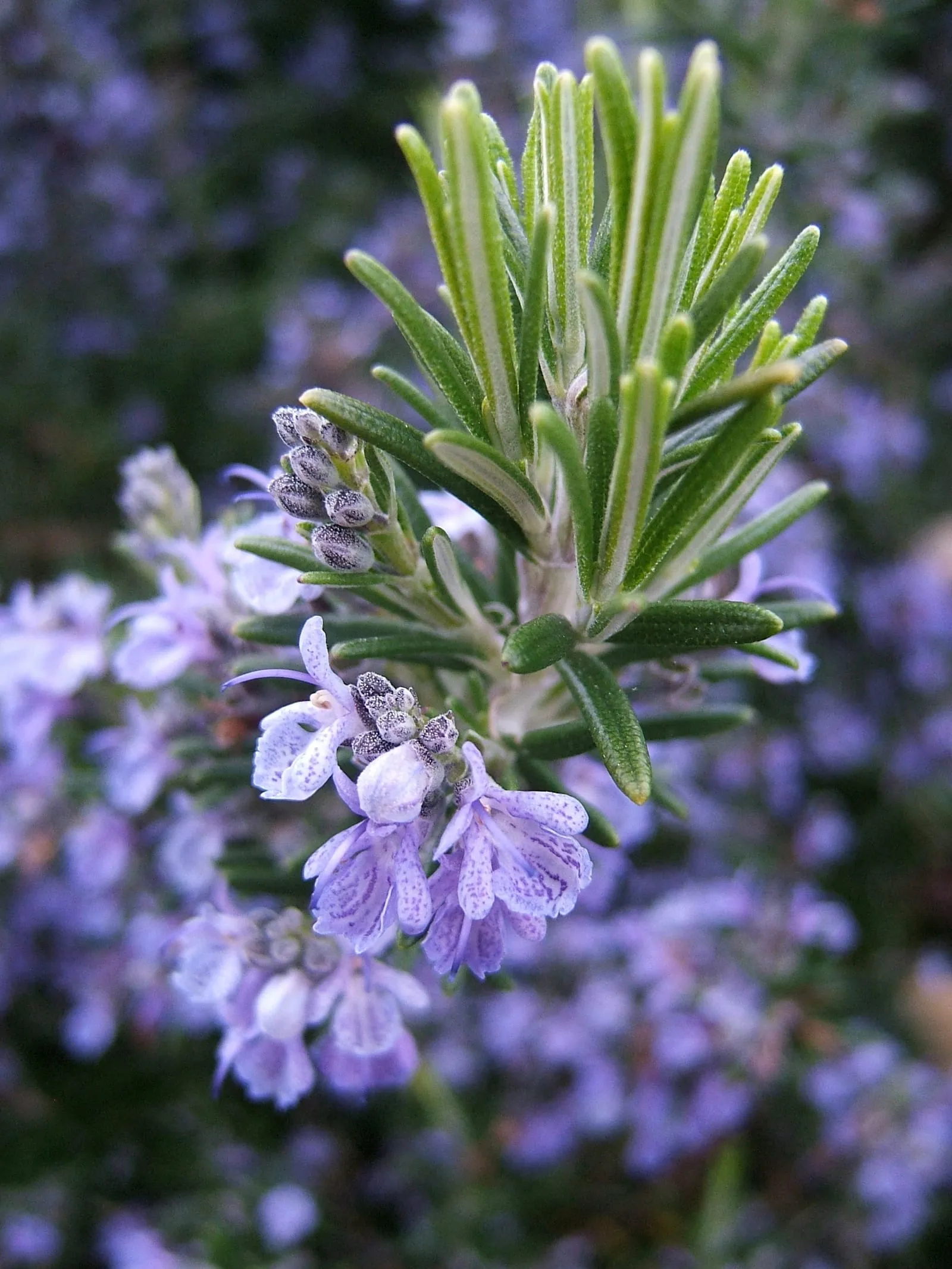
herb in zone 9b
Growing rosemary in zone 9b
Salvia rosmarinus
- Zone
- 9b 25°F to 30°F
- Growing season
- 310 days
- Suitable varieties
- 2
- Days to harvest
- 180 to 240
The verdict
Rosemary is a natural fit for zone 9b. Native to the Mediterranean basin, it evolved in conditions that closely mirror this zone: long, hot, dry summers, mild winters, and minimal frost pressure. The 310-day growing season exceeds what rosemary needs, and the minimum winter temperature range of 25 to 30°F sits comfortably above the crop's typical cold damage threshold of around 10 to 15°F for established plants.
Chill hours are not a factor for rosemary. Unlike stone fruits or apples, which require a fixed dormancy period to flower and fruit reliably, rosemary blooms on its own internal calendar, unaffected by cold accumulation in winter. Zone 9b is not a marginal zone for this crop; it is a sweet spot. The primary limiting factor here is not cold but the combination of summer heat and humidity in coastal and Gulf-facing areas, where heavy moisture impedes the sharp drainage rosemary requires. Tuscan Blue and Prostrate/Trailing are both well-suited to this zone and have proven performance in hot, low-chill climates.
Recommended varieties for zone 9b
2 cultivars suited to this zone, with disease-resistance and zone-fit annotations.
| Variety | Notes | Zone fit | Disease resistance |
|---|---|---|---|
| Tuscan Blue fits zone 9b | Strong piney, resinous classic rosemary flavor; tall upright form (3-5 ft). Roasted lamb, chicken, focaccia, infused oils. Productive, the cook's standard rosemary, holds well in the landscape. | | none noted |
| Prostrate / Trailing fits zone 9b | Classic rosemary flavor; cascading habit suited to rock walls and containers. Same culinary use as upright types. Cold-tender, often grown as a houseplant in cool climates. | | none noted |
Critical timing for zone 9b
In zone 9b, rosemary typically enters its primary bloom period in late winter, often January through March, considerably earlier than in zones with harder winters. A secondary flush is common in fall, generally September through November, when temperatures moderate. Because hard frost events in zone 9b are infrequent and brief, the bloom window is rarely disrupted by late freezes.
Harvest is effectively year-round. Sprigs can be cut at any point during active growth, and with a 310-day growing season, the plant rarely enters full dormancy. Aromatic oil concentration peaks in late morning after dew has dried, and cutting before the hottest part of a summer day tends to preserve volatile compounds better than afternoon harvests.
Common challenges in zone 9b
- ▸ Heat stress in summer
- ▸ Insufficient chill for most apples
- ▸ Salt spray near coasts
Modified care for zone 9b
The main adjustment in zone 9b is managing drainage and air circulation rather than cold protection. In humid coastal and valley settings, rosemary is vulnerable to root rot and powdery mildew when water sits at the root zone between waterings. Raised beds, coarse amended soil, and spacing plants at least 24 inches apart significantly reduce moisture retention and improve airflow.
Summer heat is less a threat to rosemary than to most herbs; established plants tolerate temperatures well above 100°F provided roots stay dry. Near coastlines, salt spray tolerance varies by variety. Tuscan Blue handles exposure reasonably well; Prostrate/Trailing functions effectively as a low ground cover in open coastal sites.
Winter protection is rarely warranted in zone 9b. A brief temperature dip toward 25°F may cause tip dieback on first-year plants, and light frost cloth during those events is reasonable. Established shrubs typically recover without intervention.
Frequently asked questions
- Does rosemary need any chill hours to grow in zone 9b?
No. Rosemary is not a chill-hour crop. It does not require a cold dormancy period to bloom or grow vigorously, which makes zone 9b a reliable environment for it year-round.
- What kills rosemary in zone 9b if it is not cold?
Root rot is the primary cause of failure. Rosemary dies quickly in poorly drained soil that stays wet, especially during humid summers. Sharp drainage and minimal supplemental irrigation are more important than any other care factor in this zone.
- Can rosemary be grown near the coast in zone 9b?
Yes, with attention to variety. Prostrate/Trailing rosemary tolerates exposed, salt-prone sites well and works as a low ground cover. Tuscan Blue also handles moderate coastal conditions. Soil drainage remains the critical factor regardless of location.
+−
+−
+−
Rosemary in adjacent zones
Image: "Rosmarinus officinalis133095382", by THOR, via Wikimedia Commons, licensed under CC-BY Source.

Related