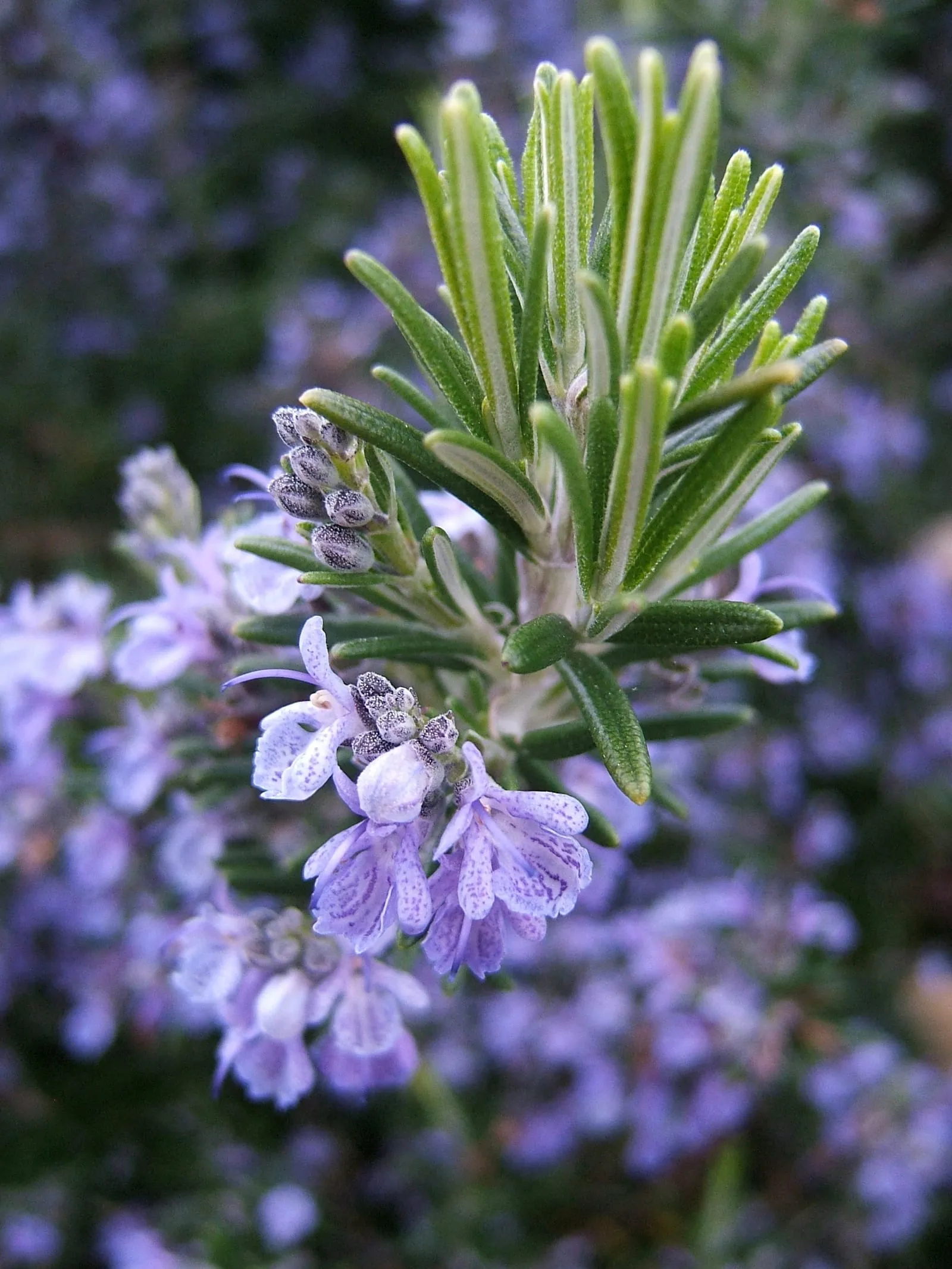
herb in zone 9a
Growing rosemary in zone 9a
Salvia rosmarinus
- Zone
- 9a 20°F to 25°F
- Growing season
- 290 days
- Suitable varieties
- 2
- Days to harvest
- 180 to 240
The verdict
Zone 9a is a strong fit for rosemary, not a marginal one. Rosemary is a Mediterranean shrub that does not require chilling to perform, so the zone's mild winters are an asset rather than a limitation. Minimum temperatures in the 20 to 25°F range fall within the cold-tolerance threshold for most established rosemary plants, though young transplants and prostrate types can suffer foliar damage at the lower end of that window.
The 290-day growing season means rosemary can function as a true perennial woody shrub here, reaching substantial size over several years rather than being cut back to the ground each winter. Tuscan Blue and Prostrate cultivars are both well adapted to these conditions. The primary limiting factor in humid parts of zone 9a is not temperature but drainage: rosemary is far more likely to fail from wet roots than from cold.
Recommended varieties for zone 9a
2 cultivars suited to this zone, with disease-resistance and zone-fit annotations.
| Variety | Notes | Zone fit | Disease resistance |
|---|---|---|---|
| Tuscan Blue fits zone 9a | Strong piney, resinous classic rosemary flavor; tall upright form (3-5 ft). Roasted lamb, chicken, focaccia, infused oils. Productive, the cook's standard rosemary, holds well in the landscape. | | none noted |
| Prostrate / Trailing fits zone 9a | Classic rosemary flavor; cascading habit suited to rock walls and containers. Same culinary use as upright types. Cold-tender, often grown as a houseplant in cool climates. | | none noted |
Critical timing for zone 9a
In zone 9a, rosemary typically begins flowering from late January through April, with peak bloom often in February and March. The mild winter means plants stay semi-active through the cold months rather than going fully dormant, so flower buds can form earlier than in zones 7 or 8.
Frost dates in zone 9a place the average last frost between late January and mid-February, which gives blooms reasonable protection in most years. Harvest is effectively year-round: stems can be cut for culinary use in any month, though growth slows somewhat in mid-summer heat. The heaviest flush of new growth suitable for harvest typically follows the spring bloom period.
Common challenges in zone 9a
- ▸ Limited stone fruit options due to insufficient chill
- ▸ Hurricane and tropical storm exposure
- ▸ Citrus disease pressure
Modified care for zone 9a
The most important adjustment in zone 9a is drainage. In the Gulf Coast portion of this zone, summer humidity combined with afternoon thunderstorms creates conditions where rosemary in heavy or poorly drained soil will decline from root rot within a season or two. Raised beds, sandy amended soil, or planting on a slope are practical solutions.
Hurricane and tropical storm exposure, a real factor for coastal 9a growers, can physically damage upright varieties like Tuscan Blue. Staking during establishment and siting plants with windbreak protection reduces storm damage risk. Prostrate types tend to handle wind better due to their lower profile.
Overhead irrigation should be avoided. Drip lines or hand watering at the base keeps foliage dry and reduces the chance of fungal spotting, which is more common in humid summers here than in the dry Mediterranean climates where rosemary originates.
Frequently asked questions
- Does rosemary die back in zone 9a winters?
Established rosemary plants generally hold their foliage through zone 9a winters without significant dieback. Brief dips to 20°F may tip-burn the outer foliage, but the woody base survives and pushes new growth in spring. Young plants in their first winter benefit from a light mulch over the root zone.
- How large does rosemary grow in zone 9a?
Upright varieties like Tuscan Blue can reach 4 to 6 feet tall and equally wide over several years in zone 9a, given adequate drainage and sun. Plants here are not reset by hard winters the way they are in colder zones, so they accumulate size steadily. Annual tip-pruning after bloom keeps plants productive and prevents woody legginess.
- Can rosemary be grown in containers in zone 9a?
Yes, and container growing is a practical solution in areas with heavy clay soil or poor drainage. Use a terracotta pot with drainage holes, a fast-draining cactus or herb mix, and site in full sun. Container plants may need more frequent watering during hot, dry stretches but generally perform well.
+−
+−
+−
Rosemary in adjacent zones
Image: "Rosmarinus officinalis133095382", by THOR, via Wikimedia Commons, licensed under CC-BY Source.

Related