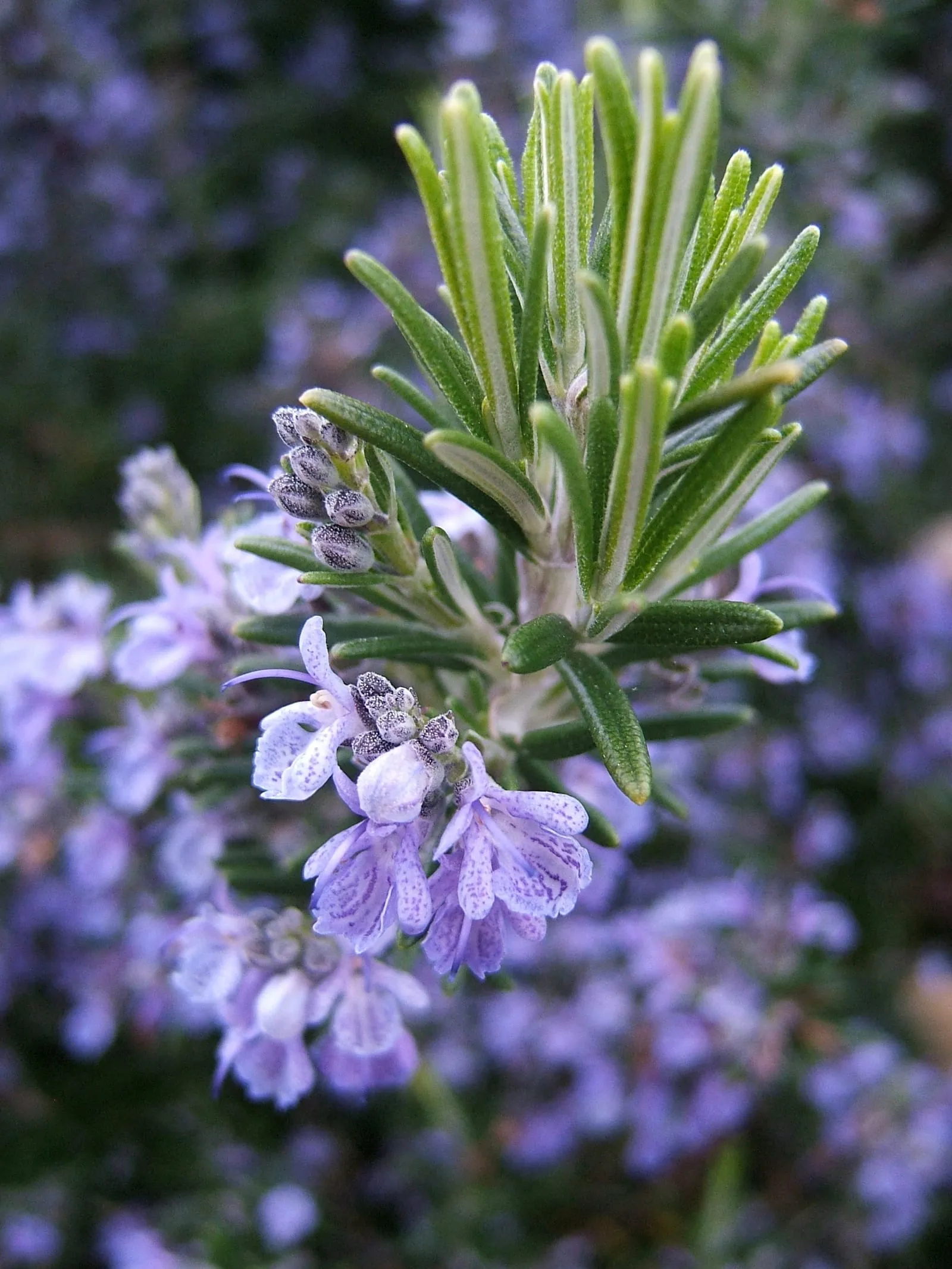
herb in zone 8b
Growing rosemary in zone 8b
Salvia rosmarinus
- Zone
- 8b 15°F to 20°F
- Growing season
- 260 days
- Suitable varieties
- 3
- Days to harvest
- 180 to 240
The verdict
Zone 8b is a strong fit for rosemary. Minimum winter temperatures of 15 to 20°F stay within or just above the cold tolerance threshold for most common varieties, keeping rosemary perennial without heavy protection in the vast majority of winters. The 260-day growing season gives plants ample time to develop the woody structure that makes established clumps more cold-resilient. Rosemary requires no chill hours, so the chill-hour limitations that constrain apple selection in zone 8b are irrelevant here.
Among the compatible varieties, Arp is the hardiest, reportedly tolerating brief dips toward 0°F and offering a reasonable margin of safety at the colder edge of 8b. Tuscan Blue is less cold-tolerant and more likely to sustain foliage damage in a sharp freeze, though established plants typically resprout from the base. Prostrate types perform well where ground-level air drainage is good. For growers in the Gulf Coast or Southeast portions of zone 8b, the primary limiting factor is summer humidity rather than winter cold.
Recommended varieties for zone 8b
3 cultivars suited to this zone, with disease-resistance and zone-fit annotations.
| Variety | Notes | Zone fit | Disease resistance |
|---|---|---|---|
| Tuscan Blue fits zone 8b | Strong piney, resinous classic rosemary flavor; tall upright form (3-5 ft). Roasted lamb, chicken, focaccia, infused oils. Productive, the cook's standard rosemary, holds well in the landscape. | | none noted |
| Arp fits zone 8b | Classic rosemary flavor, slightly milder; the cold-hardy cultivar. The most reliable rosemary in zone 6-7 with winter protection. Texan-bred, recovers from light freezes. | | none noted |
| Prostrate / Trailing fits zone 8b | Classic rosemary flavor; cascading habit suited to rock walls and containers. Same culinary use as upright types. Cold-tender, often grown as a houseplant in cool climates. | | none noted |
Critical timing for zone 8b
In zone 8b, rosemary typically begins blooming in late winter, often February through March, taking advantage of the mild shoulder season before summer heat peaks. Bloom timing can shift by several weeks depending on microclimate and variety. Arp tends to bloom slightly earlier than Tuscan Blue in most years.
Because rosemary is evergreen in zone 8b, harvest is possible year-round. Active growth resumes in earnest from late February onward, and the long growing season supports two to three substantial harvests before fall. Light tip pruning during bloom is acceptable and does not significantly reduce yield. The primary frost window in zone 8b (roughly mid-December through mid-February) may briefly slow new growth but rarely kills foliage on established plants.
Common challenges in zone 8b
- ▸ Low chill hours limit apple variety selection
- ▸ Citrus greening risk
- ▸ Nematodes in sandy soils
Modified care for zone 8b
The most common threat to rosemary in zone 8b is not cold but excess moisture. High summer humidity combined with heavy clay or compacted soils creates conditions favorable for root rot and fungal crown diseases. Raised beds, amended fast-draining soil, and spacing that promotes airflow around the base of plants are more important here than in the drier western parts of the zone.
Nematodes in sandy soils, a recognized zone challenge, can affect rosemary roots over time. Growers on sandy coastal soils should consider container culture or organic matter amendments to discourage nematode pressure. Winter protection is rarely necessary for Arp or established Tuscan Blue plants, but a light mulch around the root zone during forecast hard freezes (below 15°F) adds a buffer. Avoid overhead irrigation entirely once summer humidity rises.
Frequently asked questions
- Is rosemary winter-hardy in zone 8b?
Yes, most rosemary varieties survive zone 8b winters without protection. Arp is the most reliable choice at the colder end of the zone. Tuscan Blue may lose foliage in sharp freezes below 15°F but typically recovers from established root systems.
- Can rosemary be harvested year-round in zone 8b?
Effectively yes. The plant remains evergreen through most winters in zone 8b, and active growth resumes by late February. Light harvesting is possible even during the winter slowdown.
- Why does my rosemary die in summer, not winter, in zone 8b?
Summer root rot from humidity and poor drainage kills more zone 8b rosemary than cold does. Ensure fast-draining soil, avoid overhead watering once temperatures rise, and space plants to allow air circulation around the base.
- Which rosemary variety is best for zone 8b?
Arp offers the best combination of cold hardiness and culinary quality for zone 8b. Tuscan Blue produces excellent flavor and upright form but carries slightly more risk in the coldest winters. Prostrate types work well as ground covers where drainage is reliable.
+−
+−
+−
+−
Rosemary in adjacent zones
Image: "Rosmarinus officinalis133095382", by THOR, via Wikimedia Commons, licensed under CC-BY Source.

Related