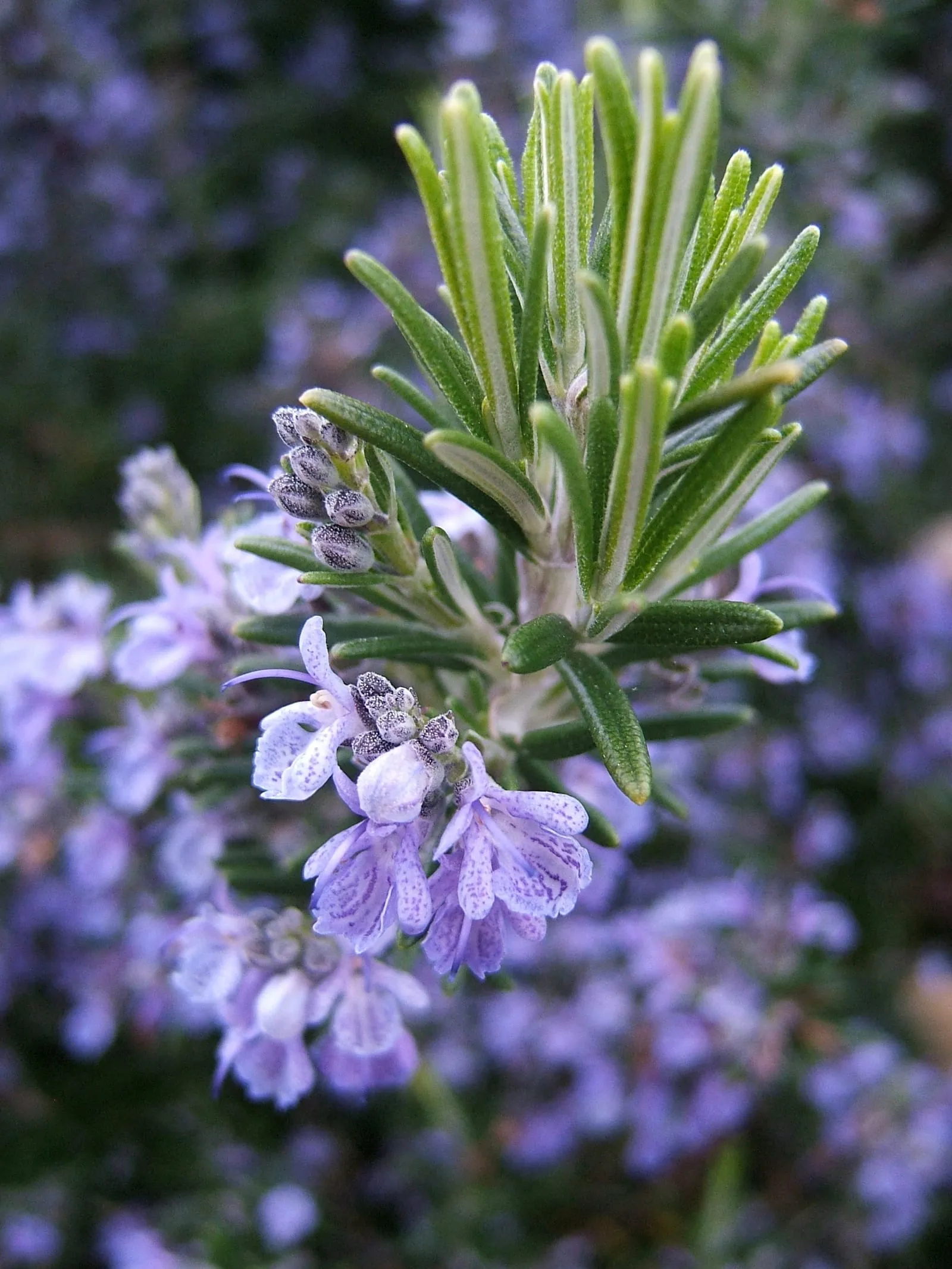
herb in zone 8a
Growing rosemary in zone 8a
Salvia rosmarinus
- Zone
- 8a 10°F to 15°F
- Growing season
- 240 days
- Suitable varieties
- 3
- Days to harvest
- 180 to 240
The verdict
Zone 8a is a comfortable fit for rosemary, not a marginal zone. Minimum winter temperatures of 10 to 15°F fall within the cold tolerance of most named varieties, and the 240-day growing season gives plants time to harden into substantial woody shrubs. Unlike fruit crops, rosemary has no chill-hour requirement, so that constraint drops out entirely.
Among the compatible varieties, Arp is the most cold-tolerant and the reliable choice when winter temperatures approach the lower end of the range. Tuscan Blue brings more vigor and a stronger culinary aroma but may take light tip damage in the coldest zone 8a winters. Prostrate forms work well as ground covers along slopes with good air drainage.
The more realistic limiting factor in many zone 8a locations is summer humidity rather than winter cold. Rosemary evolved in the drier Mediterranean basin, and persistently humid summers can push stressed plants toward fungal root problems. Growers in the wetter parts of zone 8a should treat drainage as a primary site selection criterion.
Recommended varieties for zone 8a
3 cultivars suited to this zone, with disease-resistance and zone-fit annotations.
| Variety | Notes | Zone fit | Disease resistance |
|---|---|---|---|
| Tuscan Blue fits zone 8a | Strong piney, resinous classic rosemary flavor; tall upright form (3-5 ft). Roasted lamb, chicken, focaccia, infused oils. Productive, the cook's standard rosemary, holds well in the landscape. | | none noted |
| Arp fits zone 8a | Classic rosemary flavor, slightly milder; the cold-hardy cultivar. The most reliable rosemary in zone 6-7 with winter protection. Texan-bred, recovers from light freezes. | | none noted |
| Prostrate / Trailing fits zone 8a | Classic rosemary flavor; cascading habit suited to rock walls and containers. Same culinary use as upright types. Cold-tender, often grown as a houseplant in cool climates. | | none noted |
Critical timing for zone 8a
Rosemary blooms late winter through spring in zone 8a, typically February through April depending on variety and microclimate. Some varieties, particularly Tuscan Blue, produce a secondary flush in autumn. The zone's frost window rarely threatens bloom: by the time flowers open, the hardest freezes have usually passed, and brief cold snaps in February do not typically damage open flowers the way they would a stone fruit at petal fall.
Harvest is effectively year-round. Stem tips can be cut during any period of active growth, and growth is active for most of the 240-day season in zone 8a. Flavor concentrates most noticeably just before and during bloom. Cutting back by roughly one-third after the main spring flush encourages a second wave of tender growth and slows the woody buildup that develops on neglected plants.
Common challenges in zone 8a
- ▸ Insufficient chill hours for some apple varieties
- ▸ Pierce's disease in grapes
- ▸ Heat stress on cool-season crops
Modified care for zone 8a
The primary adjustment for zone 8a is managing humidity rather than cold. In the southeastern and coastal portions of the zone, where summer rainfall is heavier, rosemary needs sharply draining soil and good airflow around the canopy. Raised beds, gravel mulch, or hillside plantings help redirect excess moisture. Overhead irrigation should be avoided.
Winter protection is rarely necessary for Arp or Tuscan Blue in zone 8a. A light layer of pine straw mulch around the root zone before the coldest nights provides some insurance without trapping moisture the way dense bark mulch can. Prostrate varieties growing close to the ground may benefit from this more than upright shrubs.
In dry inland parts of zone 8a, summer drought is the opposite concern. Established rosemary is quite drought-tolerant, but first-season plants need consistent moisture until roots establish, which generally happens within the first growing season.
Frequently asked questions
- Will rosemary survive winter in zone 8a?
Yes, most named rosemary varieties are reliably hardy in zone 8a. Arp is the most cold-tolerant option and handles temperatures at the lower end of the zone's 10 to 15°F winter range. Tuscan Blue may take minor tip damage in the coldest years but typically rebounds in spring without significant setback.
- Does rosemary need chill hours in zone 8a?
No. Rosemary is not a chill-hour crop and does not require a cold dormant period to grow or bloom productively. The zone 8a winter is mild enough that plants remain semi-active through much of the season rather than going fully dormant.
- What is the biggest threat to rosemary in zone 8a?
In humid parts of the zone, poor drainage and restricted airflow are the main risks. Rosemary is prone to root rot in persistently wet soil, which is a more common cause of plant loss in zone 8a than winter cold. Site selection and soil preparation matter more than variety choice for long-term plant health.
- When should rosemary be pruned in zone 8a?
After the main spring bloom, typically late April to early May. Cutting back by roughly one-third at that point encourages bushy regrowth and delays the woodiness that builds on unpruned plants. Avoid heavy pruning in late summer, as new growth that follows may not harden sufficiently before the first frost.
+−
+−
+−
+−
Rosemary in adjacent zones
Image: "Rosmarinus officinalis133095382", by THOR, via Wikimedia Commons, licensed under CC-BY Source.

Related