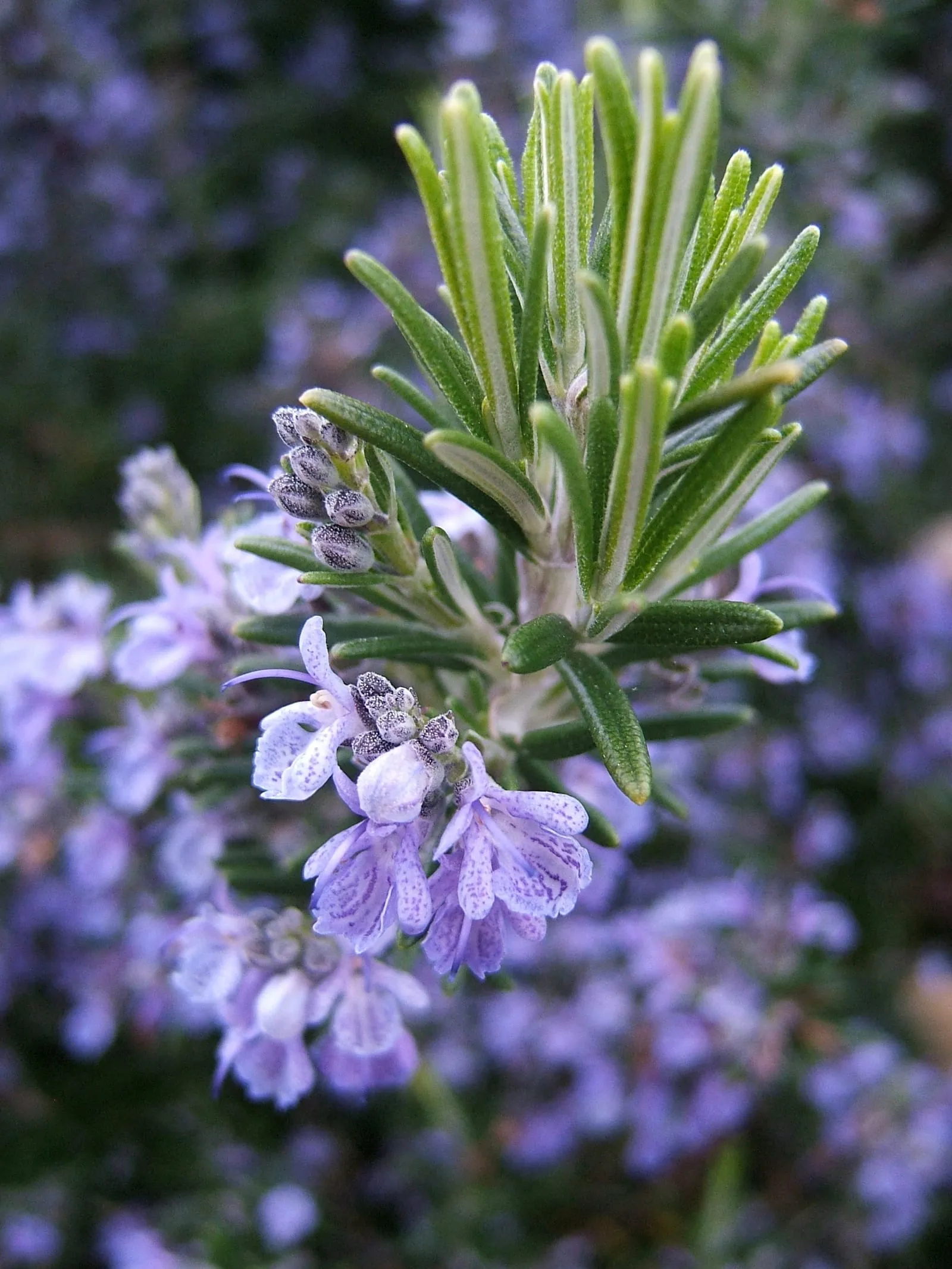
herb in zone 7b
Growing rosemary in zone 7b
Salvia rosmarinus
- Zone
- 7b 5°F to 10°F
- Growing season
- 220 days
- Suitable varieties
- 3
- Days to harvest
- 180 to 240
The verdict
Zone 7b sits at the cold edge of rosemary's reliable outdoor range. Minimum winter temperatures of 5 to 10°F are the binding constraint: most rosemary cultivars are rated hardy to around 10°F, which means a hard freeze in a typical zone 7b winter can kill plants outright, particularly those in low spots with poor air drainage.
Rosemary has no meaningful chill-hour requirement, so that is not a limiting factor here. The 220-day growing season is more than adequate for vigorous growth and repeated harvests. The challenge is winter survival, not summer production.
The variety choice matters more in 7b than in warmer zones. Arp, developed in Texas and Virginia, is consistently the most cold-tolerant selection available and is the logical default for zone 7b plantings. Tuscan Blue is a borderline choice and should be treated as marginally hardy at best. Prostrate and trailing types are generally less cold-tolerant than upright varieties and carry higher winter-loss risk.
Recommended varieties for zone 7b
3 cultivars suited to this zone, with disease-resistance and zone-fit annotations.
| Variety | Notes | Zone fit | Disease resistance |
|---|---|---|---|
| Tuscan Blue fits zone 7b | Strong piney, resinous classic rosemary flavor; tall upright form (3-5 ft). Roasted lamb, chicken, focaccia, infused oils. Productive, the cook's standard rosemary, holds well in the landscape. | | none noted |
| Arp fits zone 7b | Classic rosemary flavor, slightly milder; the cold-hardy cultivar. The most reliable rosemary in zone 6-7 with winter protection. Texan-bred, recovers from light freezes. | | none noted |
| Prostrate / Trailing fits zone 7b | Classic rosemary flavor; cascading habit suited to rock walls and containers. Same culinary use as upright types. Cold-tender, often grown as a houseplant in cool climates. | | none noted |
Critical timing for zone 7b
In zone 7b, rosemary typically blooms from late January through March, depending on how mild the preceding winter has been. The small blue-violet flowers appear on the prior year's wood during the cool, bright days of late winter, often before the last frost has passed. A hard freeze during bloom will not kill an established plant but may reduce the flower display.
Harvest is effectively year-round on established plants. Soft new growth suitable for cooking emerges in spring and continues through early fall. Light harvesting can continue in winter from plants that have held their foliage. The 220-day growing season means the window for new tip growth is long, though growth slows considerably in the hottest weeks of July and August.
Common challenges in zone 7b
- ▸ Cedar-apple rust pressure heavy in piedmont
- ▸ Japanese beetles
- ▸ Brown marmorated stink bug
- ▸ Late summer disease pressure
Modified care for zone 7b
Winter drainage is the most important management factor in zone 7b. Wet soil combined with temperatures near 5°F is far more damaging than cold alone. Raised beds or sloped planting sites with fast-draining, slightly alkaline soil reduce winter loss substantially. A light layer of mulch around the crown (keeping it a few inches from the stem) helps buffer soil temperature.
In years with forecast temperatures below 5°F, potted specimens should be moved under cover; in-ground plants can be wrapped loosely with burlap. Avoid heavy pruning in fall, which pushes tender new growth into cold weather.
Summer disease pressure in the piedmont is worth monitoring. Powdery mildew can appear on rosemary during humid, poorly ventilated conditions. Spacing plants for airflow and avoiding overhead irrigation address most of this risk. Japanese beetles will occasionally sample rosemary foliage but rarely cause serious damage compared to their preferred hosts.
Frequently asked questions
- Is rosemary winter-hardy in zone 7b?
Marginally, and variety selection matters. Arp is the most reliable choice for zone 7b; Tuscan Blue and trailing types carry higher winter-loss risk. Good drainage and a sheltered planting site improve survival odds significantly when temperatures drop to the zone's lower limit of 5°F.
- Which rosemary variety is best for zone 7b?
Arp is the standard recommendation for zone 7b. It was selected partly for its ability to survive winters in Virginia and Texas, and it consistently outperforms other cultivars in cold-hardiness trials. Tuscan Blue is worth trying in a sheltered microclimate but should not be the primary planting.
- Can rosemary be harvested year-round in zone 7b?
On established plants that survive winter, yes. Growth slows in mid-summer heat and again in winter, but foliage is accessible most of the year. Light trimming in winter is fine; avoid heavy cuts until new spring growth confirms the plant came through undamaged.
- How should rosemary be protected during a zone 7b winter?
Plant in well-drained soil, ideally on a slope or raised bed. Mulch the root zone but keep mulch away from the stem. In forecast hard freezes below 5°F, burlap wrap or temporary cold frames help. Potted rosemary should move to an unheated garage or shed during extended cold snaps.
+−
+−
+−
+−
Rosemary in adjacent zones
Image: "Rosmarinus officinalis133095382", by THOR, via Wikimedia Commons, licensed under CC-BY Source.

Related