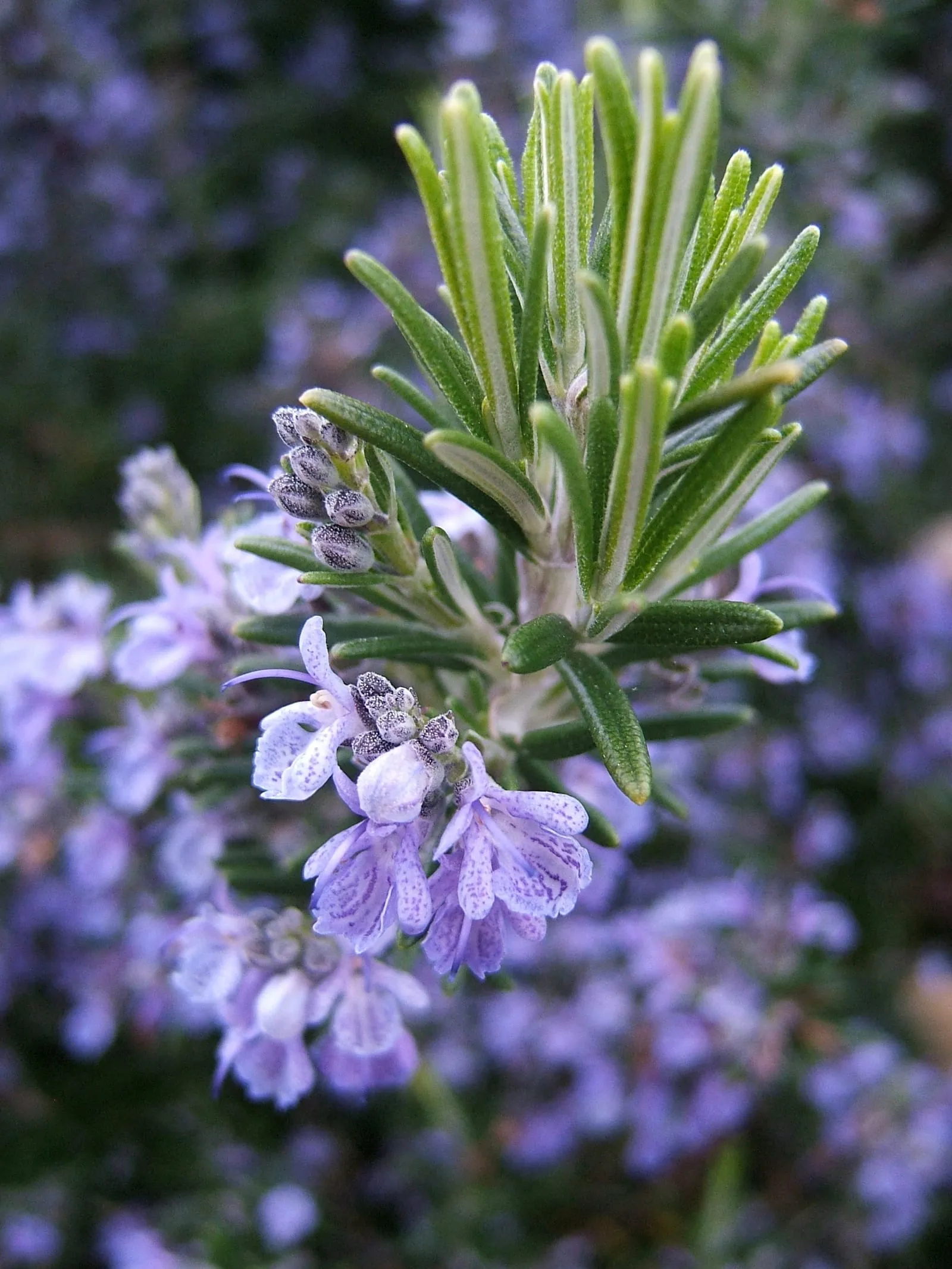
herb
Rosemary
Salvia rosmarinus
USDA hardiness range
- Zones
- 7a–10b
- Days to harvest
- 180 to 240
- Sun
- Full
- Water
- Low
- Lifespan
- perennial
Growing rosemary
Rosemary (Salvia rosmarinus) is a Mediterranean shrub that thrives on neglect when sited correctly: well-drained soil, full sun, and dry summers. In zones 7a through 10b, it grows as a true perennial, often living a decade or more with minimal intervention. In zone 6 and colder, it reliably winterkills without protection, making container culture the practical alternative for marginal climates.
The plant's durability is zone-dependent in ways that catch growers off guard. A rosemary thriving in zone 9b is experiencing a fundamentally different winter than one in zone 7a. At the colder edge, prolonged wet cold kills rosemary faster than a brief hard freeze. Winters combining extended soil saturation with temperatures below 10 to 15°F are the primary culprit in zones 7a and 7b, not the temperature alone.
The gap between a productive planting and a failed one often comes down to drainage. Rosemary in clay that holds winter moisture routinely fails at temperatures it would easily survive in sandy or well-amended beds. South-facing exposures and raised beds meaningfully extend survivability in marginal zones.
First harvest comes 180 to 240 days after planting, but established plants in good conditions produce harvestable stems continuously. Rosemary requires no chill hours, no pollinators, and no companion plant to produce. Once established, drought tolerance is genuine; supplemental irrigation is rarely needed beyond the first season of establishment.
Recommended varieties
See all 3 →3 cultivars for home growers, with notes on flavor, ripening, and disease resistance.
| Variety | Notes | Zone fit | Disease resistance |
|---|---|---|---|
| Tuscan Blue | Strong piney, resinous classic rosemary flavor; tall upright form (3-5 ft). Roasted lamb, chicken, focaccia, infused oils. Productive, the cook's standard rosemary, holds well in the landscape. | | none noted |
| Arp | Classic rosemary flavor, slightly milder; the cold-hardy cultivar. The most reliable rosemary in zone 6-7 with winter protection. Texan-bred, recovers from light freezes. | | none noted |
| Prostrate / Trailing | Classic rosemary flavor; cascading habit suited to rock walls and containers. Same culinary use as upright types. Cold-tender, often grown as a houseplant in cool climates. | | none noted |
Soil and site requirements
Rosemary performs best in soils with a pH between 6.0 and 7.0, though it tolerates slightly alkaline conditions up to 8.0 better than it tolerates acidity or waterlogging. The single most important requirement is drainage. Standing water, even briefly, promotes crown and root rot that kills established plants quickly and is often mistaken for frost damage after the fact.
Sandy loam or loamy soil with good structure is ideal. In heavy clay, amend aggressively with coarse sand and organic matter, or plant in raised beds. A 12-inch raised bed eliminates the drainage problem on most residential sites. Avoid amending with peat, which retains moisture rather than improving percolation.
Full sun, meaning six or more hours of direct sunlight daily, is non-negotiable for productive, aromatic growth. Plants in partial shade produce softer foliage, less essential oil concentration, and slower overall development. South or southwest-facing exposures also provide additional radiant heat and winter protection in zones 7a and 7b, which can meaningfully shift survivability during cold snaps.
Space upright varieties such as Tuscan Blue at 3 to 4 feet apart; prostrate types at 2 to 3 feet. Rosemary spreads slowly but fills its allocated space over several seasons. Close planting reduces airflow and can encourage aphid pressure on stressed plants. Microclimate considerations matter at zone edges: a heat-reflecting wall, a south-facing slope, or an overhang that sheds winter rain can shift effective hardiness by half a zone.
Common pests
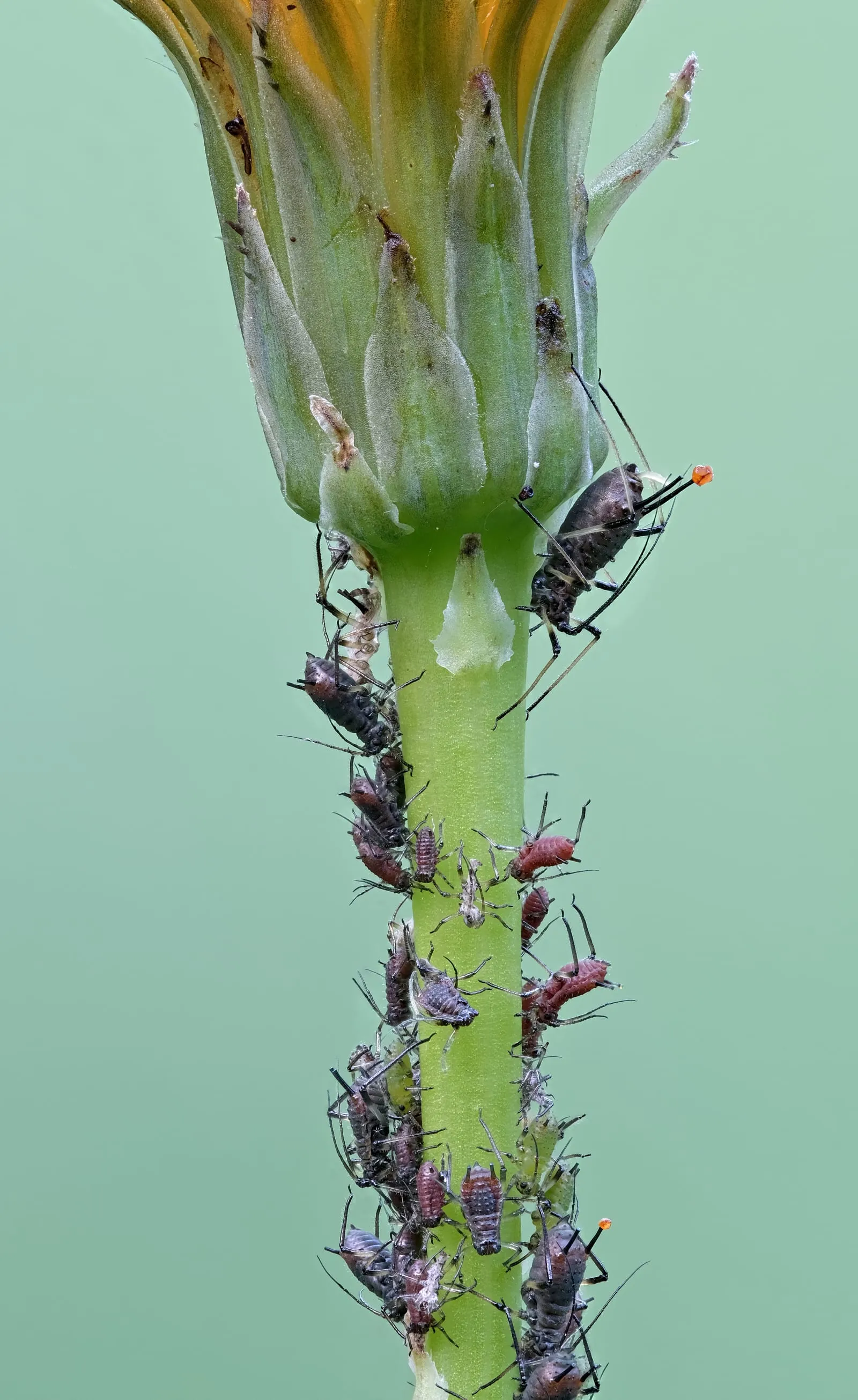
Common challenges
Three problems account for most rosemary failures in home gardens.
Winter wet combined with cold is the leading killer in zones 7a and 7b. Rosemary handles brief freezes into the low teens (Fahrenheit) in well-drained soil, but sustained wet cold at those temperatures destroys the root system. Many growers assume their plants were frost-killed when the actual cause was anaerobic root conditions following a wet stretch. Site selection and drainage correction are the effective interventions; mulching the crown before hard freezes provides marginal additional protection but does not compensate for poor drainage.
Aphids are the primary pest concern, particularly on young or stressed plants. Established, vigorous rosemary in full sun is largely aphid-resistant, but plants weakened by shade or drainage problems become targets. Dislodging colonies with a sharp water spray is sufficient for light infestations; heavier pressure warrants insecticidal soap. Avoid broad-spectrum insecticides that reduce beneficial insect populations.
Overwatering is the third common failure mode, especially in containers and newly planted beds. Rosemary evolved in dry, rocky Mediterranean soils and has genuine drought tolerance once established. Growers accustomed to herbs that wilt dramatically when dry often apply water on the same schedule, which saturates the root zone before it can dry adequately between cycles. The rule of thumb: water when the top two inches of soil are dry, not on a calendar interval.
Companion plants
Frequently asked questions
- Does rosemary require chill hours?
No. Rosemary does not require a chilling period. It is an evergreen perennial that does not go dormant in the conventional sense and flowers in response to day length and temperature rather than accumulated chill hours. It is one of the few culinary herbs with no chill requirement whatsoever.
- How long until rosemary is ready to harvest?
First harvest from a transplant typically comes 180 to 240 days after planting. Established plants produce harvestable stems continuously. Light, frequent harvesting encourages bushier growth; cutting back to bare wood rarely produces new growth and should be avoided.
- What USDA zones does rosemary overwinter in reliably?
Rosemary overwinters as a perennial in zones 7a through 10b with adequate drainage and a well-chosen site. In zones 6 and colder, it is generally treated as an annual or overwintered in containers brought indoors before hard frost. Zone 7a represents the practical cold limit for reliable outdoor survival.
- Does rosemary need a second plant for pollination?
No. Rosemary is self-fertile and produces foliage without any pollination requirement. The flowers attract bees and other beneficial insects, making it a useful companion in kitchen gardens, but a single plant produces culinary growth without a partner.
- Which rosemary variety is most cold-hardy?
Arp is the most cold-hardy cultivar widely available, bred in Texas specifically to survive zone 6 and 7 winters with some protection. It recovers from light freezes that kill standard varieties outright. The flavor is slightly milder than Tuscan Blue but fully usable in cooking. Arp is the practical first choice for growers at the cold edge of rosemary's range.
- What disease is most likely to kill rosemary?
Root rot from waterlogged soil is the most common pathological problem. It results from site conditions rather than a specific airborne pathogen, and rosemary has very low susceptibility to fungal foliar diseases in well-drained locations. Correct drainage first; most disease problems resolve with it.
- Can rosemary be grown in containers in colder climates?
Yes. Both upright and prostrate types perform well in containers, which allows growers in zones 6 and colder to move plants indoors before hard frost. Container-grown rosemary requires well-draining potting mix and careful watering; the root rot that kills outdoor plants in wet soil occurs just as readily in overwatered pots indoors.
+−
+−
+−
+−
+−
+−
+−
Sources
Image: "Rosmarinus officinalis133095382", by THOR, via Wikimedia Commons, licensed under CC-BY. Source.

Rosemary by zone
Related