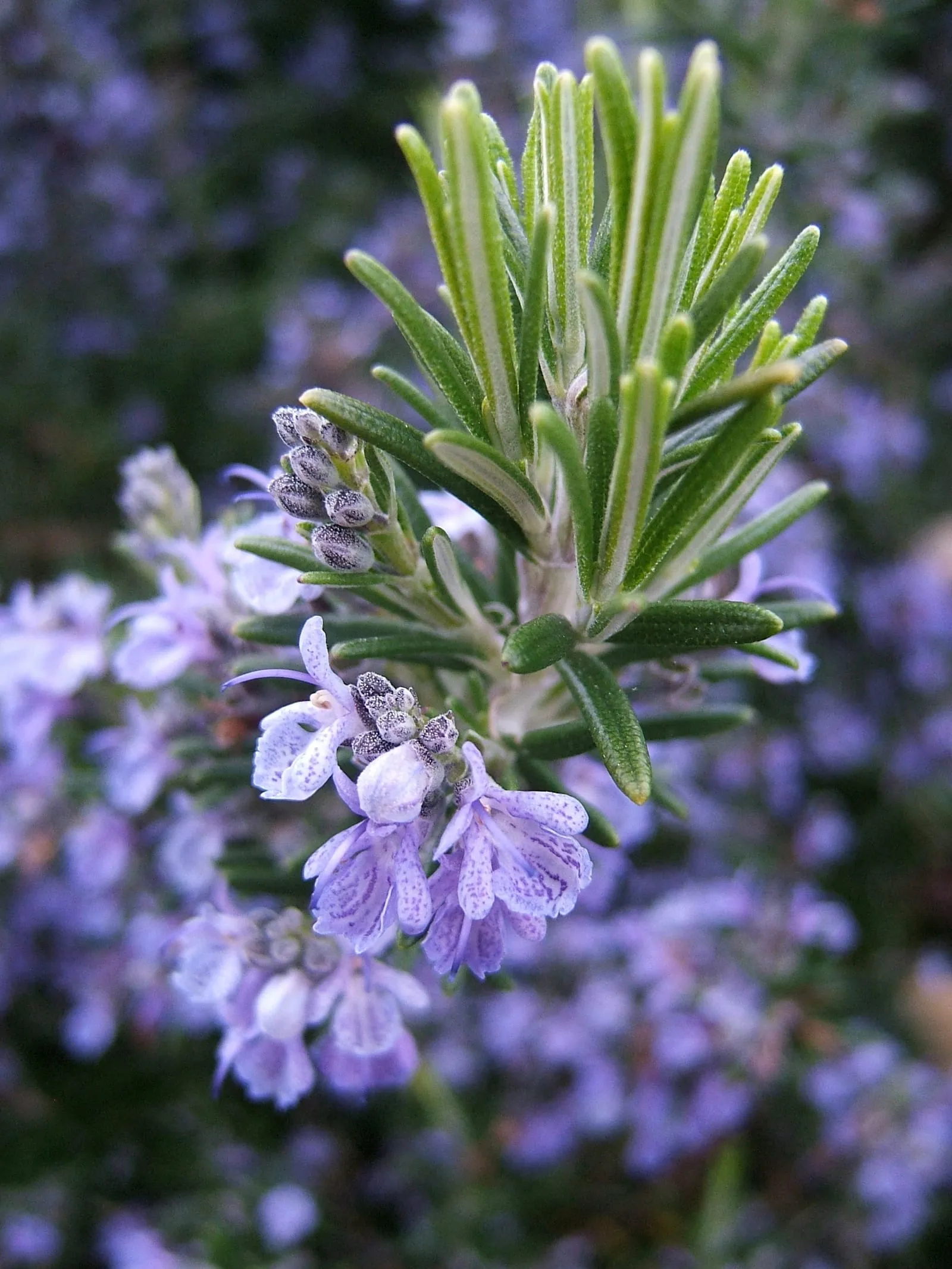
herb in zone 7a
Growing rosemary in zone 7a
Salvia rosmarinus
- Zone
- 7a 0°F to 5°F
- Growing season
- 210 days
- Suitable varieties
- 1
- Days to harvest
- 180 to 240
The verdict
Zone 7a sits at the cold edge of reliable rosemary cultivation. Most rosemary cultivars are hardy only to around 10°F to 15°F, which means zone 7a's minimum temperatures of 0°F to 5°F can kill unprotected plants outright in a hard winter. The variety 'Arp', developed in Texas and rated reliably to zone 6, is the practical choice here; it survives zone 7a winters with minimal protection in typical years.
Unlike fruit trees, rosemary has no chill-hour requirement. Cold hardiness, not dormancy temperature accumulation, is the limiting factor. Zone 7a is workable but not a sweet spot for the crop. It sits at the northern boundary of reliable in-ground rosemary culture, and any winter with sustained temperatures below 0°F will test even 'Arp'. Growers in south-facing exposures or urban heat pockets have more margin; those on flat, open sites in colder pockets of the zone should plan for potential plant loss in severe winters and avoid treating rosemary as a permanent fixture without backup.
Recommended varieties for zone 7a
1 cultivar suited to this zone, with disease-resistance and zone-fit annotations.
| Variety | Notes | Zone fit | Disease resistance |
|---|---|---|---|
| Arp fits zone 7a | Classic rosemary flavor, slightly milder; the cold-hardy cultivar. The most reliable rosemary in zone 6-7 with winter protection. Texan-bred, recovers from light freezes. | | none noted |
Critical timing for zone 7a
Rosemary in zone 7a typically blooms late February through April, with timing shifting earlier in warm microclimates and later after harsh winters. The 210-day growing season provides ample time for shoot growth and essential oil development once the plant breaks dormancy.
Unlike annual herbs, rosemary is harvested year-round once established. Spring and early summer growth is the most productive period for culinary cuts, as shoot tips are tender and oil concentration is high before full summer heat sets in. Zone 7a's last spring frost generally falls in late March to mid-April, coinciding with early bloom; a light frost during that window poses little threat to the plant's overall health. Active harvest can continue through fall until temperatures drop consistently below 20°F.
Common challenges in zone 7a
- ▸ Cedar-apple rust
- ▸ Brown rot
- ▸ Fire blight
- ▸ High humidity disease pressure
Modified care for zone 7a
The primary zone 7a adjustment is winter protection. Even 'Arp' benefits from 3 to 4 inches of straw or bark mulch around the root zone before the first hard freeze, which buffers soil temperature and reduces root kill risk when air temperatures approach 0°F. Keep mulch away from the crown and foliage; trapped moisture there accelerates the crown rot that kills more zone 7a rosemary than cold alone.
High humidity, a persistent condition across zone 7a, compounds the risk. Rosemary's Mediterranean origin leaves it poorly adapted to wet winters. Sharp drainage is non-negotiable: raised beds or sloped sites outperform flat ground significantly. Avoid overhead irrigation and maintain airflow between plants to limit fungal pressure. Container growing is a practical hedge for exposed sites; a large pot can move to an unheated garage during extreme cold events and return outdoors once temperatures moderate.
Frequently asked questions
- Will rosemary survive zone 7a winters outdoors?
With the right variety and site, yes. 'Arp' is the most cold-tolerant cultivar reliably available and is rated to zone 6. In zone 7a, it typically survives with root-zone mulch and good drainage. Severe winters with sustained temperatures below 0°F remain a risk, so growers in exposed sites should keep a rooted backup cutting indoors.
- Does rosemary need any special care during zone 7a summers?
Heat is not the problem; humidity is. Zone 7a summers bring moisture levels well above what rosemary evolved for. Prioritize airflow, avoid waterlogged soil, and skip overhead watering. Afternoon shade in the hottest weeks can reduce heat stress, but it must be balanced against the increased humidity that shade can trap.
- When should rosemary be pruned in zone 7a?
Light harvesting can happen year-round, but hard shaping cuts should wait until after the last frost in spring, typically late March to mid-April in zone 7a. Cutting into woody stems in late fall stimulates tender growth that is vulnerable to winter damage. Leave the plant largely unpruned entering winter.
+−
+−
+−
Rosemary in adjacent zones
Image: "Rosmarinus officinalis133095382", by THOR, via Wikimedia Commons, licensed under CC-BY Source.

Related