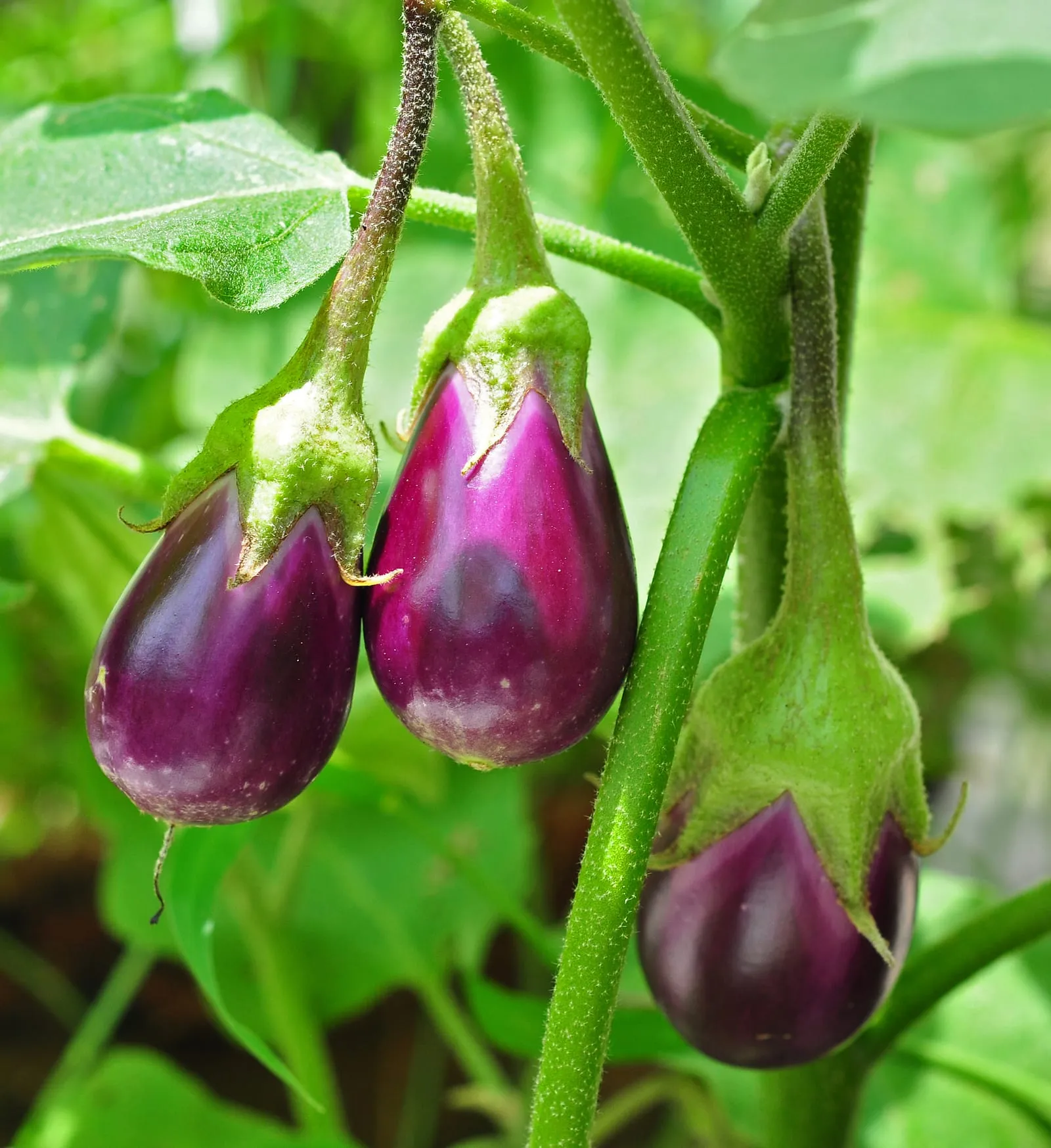
vegetable
Eggplant
Solanum melongena
USDA hardiness range
- Zones
- 5a–10b
- Days to harvest
- 70 to 100
- Sun
- Full
- Water
- Moderate
- Lifespan
- annual
Growing eggplant
Eggplant is a heat-loving annual that rewards patience and punishes early planting. Grown across zones 5a through 10b, it performs very differently depending on how much sustained warmth a site actually delivers. In zones 9 and 10, plants can bear heavily over a long season with minimal intervention. In zones 5 and 6, the window between last frost and first fall frost is tight enough that starting transplants 8 to 10 weeks indoors is essentially mandatory, not optional.
The most consistent failure mode is transplanting too early. Eggplant is more cold-sensitive than tomatoes or peppers. Soil temperature below 60°F stalls growth and can permanently set back young plants. In zone 5, that often means waiting until late May or even early June to set transplants out, even after the nominal frost date has passed.
Where eggplant thrives: zones 7 through 9, where warm nights accelerate fruit set and the season is long enough to work through the 70- to 100-day days-to-harvest range comfortably. In these zones, continuous-picking Japanese types like Ichiban make multiple successions practical.
Where it consistently underperforms: zones 5 and 6, where short summers and cool nights mean even a well-timed planting may not reach full production before fall frost arrives. Black plastic mulch and south-facing microsite selection both meaningfully improve outcomes in marginal zones.
Recommended varieties
See all 4 →4 cultivars for home growers, with notes on flavor, ripening, and disease resistance.
| Variety | Notes | Zone fit | Disease resistance |
|---|---|---|---|
| Black Beauty | Mild, slightly sweet, meaty; classic large dark-purple Italian-style eggplant. Grilling, roasting, parmigiana, baba ghanoush. Heritage open-pollinated, productive once warm. | | none noted |
| Ichiban | Mild, tender, thin-skinned; long slender Japanese-style eggplant. Stir-fries, grilling, miso glazes. Productive, picks continuously, less bitter than larger types. | | none noted |
| Rosa Bianca | Creamy, mild, low-bitterness; pink-and-white striped Italian heirloom. Roasting, stuffing, parmigiana. Productive in warm gardens, beautiful ornamental fruit. | | none noted |
| Fairy Tale | Sweet, tender, no need to peel or salt; small lavender-and-white striped fruit. Grilling whole, stir-fry, fresh. AAS winner, productive even in cool short seasons. | | none noted |
Soil and site requirements
Eggplant prefers a soil pH of 6.0 to 6.8. Outside that range, nutrient uptake suffers regardless of fertilizer inputs. A pre-plant soil test is worth the effort, particularly for beds that have grown other Solanaceae crops (tomatoes, peppers, potatoes) in recent seasons, both for pH correction and to assess accumulated disease risk.
Full sun is non-negotiable. Fewer than 8 hours of direct sun per day delays fruit set and reduces total yield. East-facing beds that shade out by mid-afternoon are a common underperformer that growers often misattribute to soil problems.
Drainage matters more than moisture retention with eggplant. Plants tolerate moderate drought better than wet feet. Heavy clay soils that stay saturated after rain predispose plants to Verticillium wilt, a persistent soil-borne pathogen with no cure once established. Raised beds or ridged rows improve drainage in borderline sites.
Spacing of 18 to 24 inches within rows and 30 to 36 inches between rows gives plants adequate airflow to reduce foliar disease pressure and sufficient root volume for consistent water uptake during fruit fill.
In zones 5 and 6, microclimate selection is a meaningful lever. A south-facing wall, a dark-colored raised bed, or a low-lying frost pocket that drains cold air can shift effective warmth by several degrees, extending the productive window on both ends of the season.
Common diseases
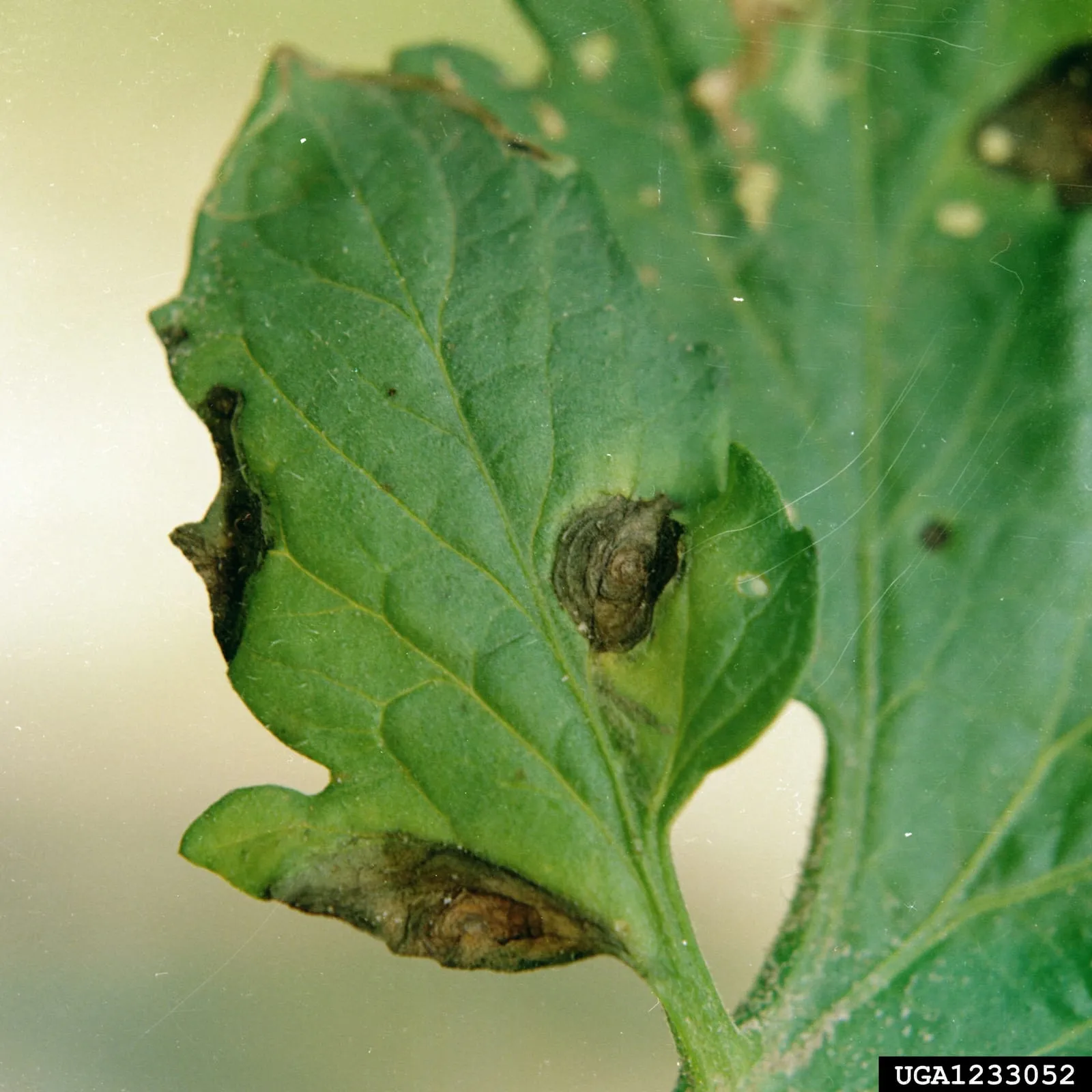
Alternaria solani
Fungal disease starting on lower leaves and progressing upward. The most common tomato and potato leaf disease in the eastern US.
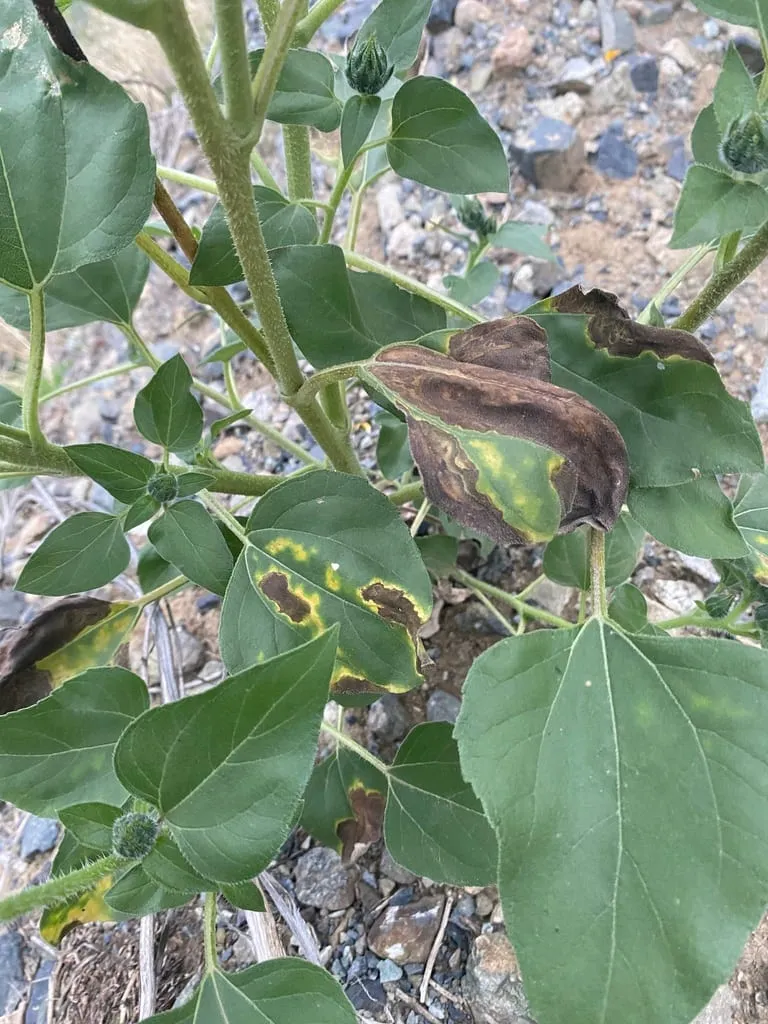
Verticillium dahliae
Soil-borne fungal disease similar to fusarium wilt but with broader host range and cooler temperature optimum. Persists in soil for 10+ years.
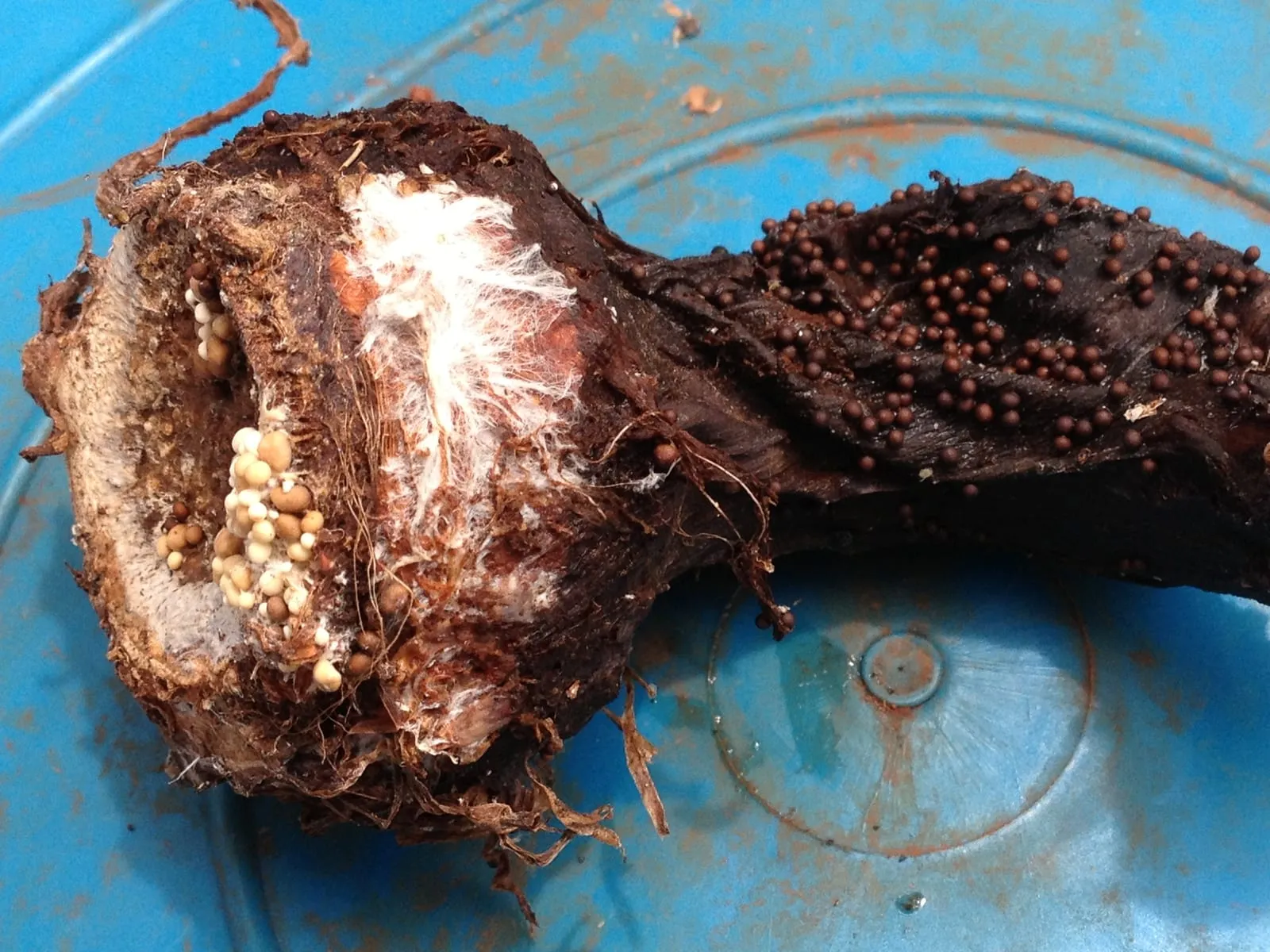
Sclerotium rolfsii
Soil-borne fungal disease most damaging in warm humid Southern conditions. White mycelial fans and small mustard-seed-sized sclerotia at the soil line are diagnostic.
Common pests
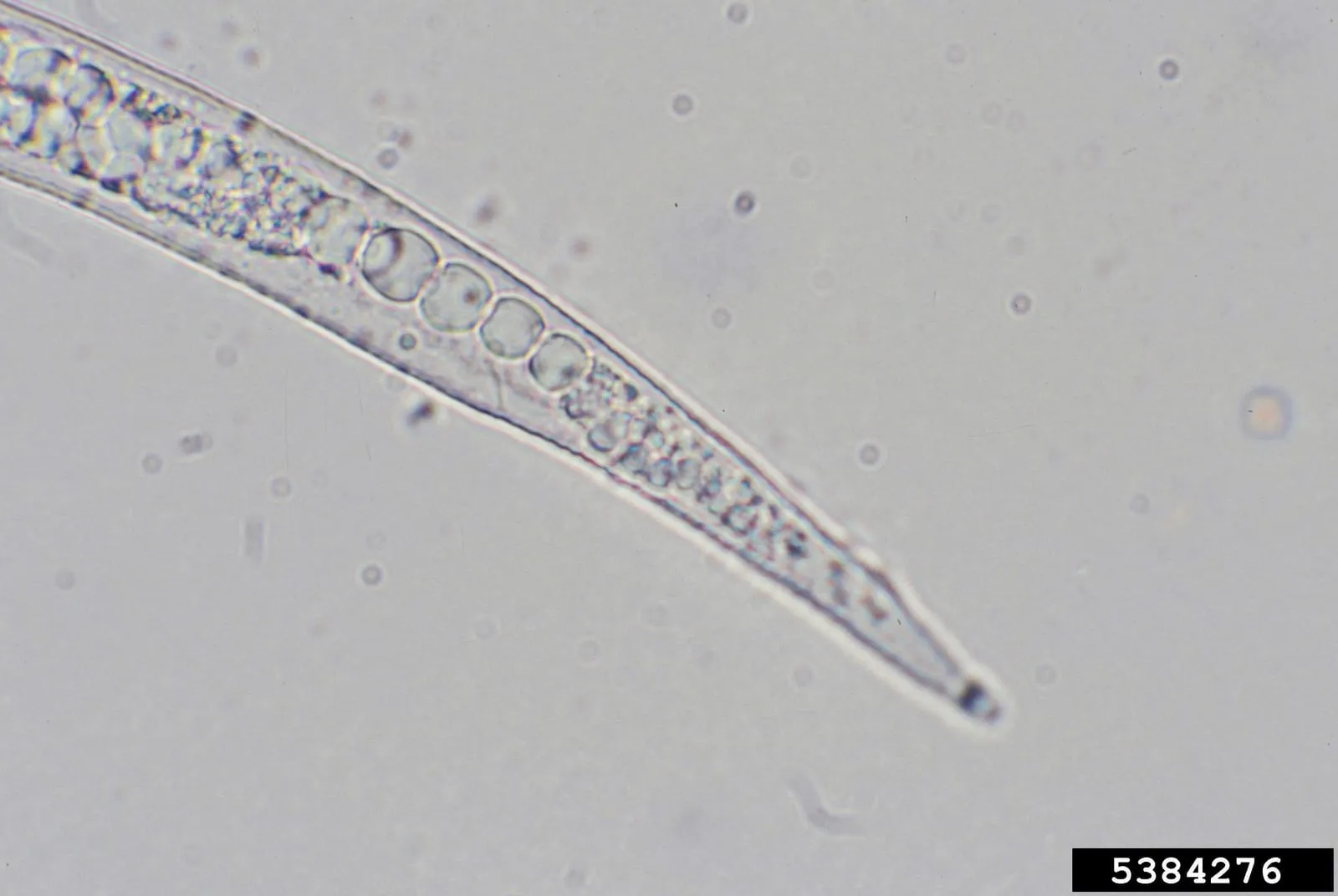
Meloidogyne species
Microscopic soil-dwelling worm that forms galls on roots, reducing vigor and yield.
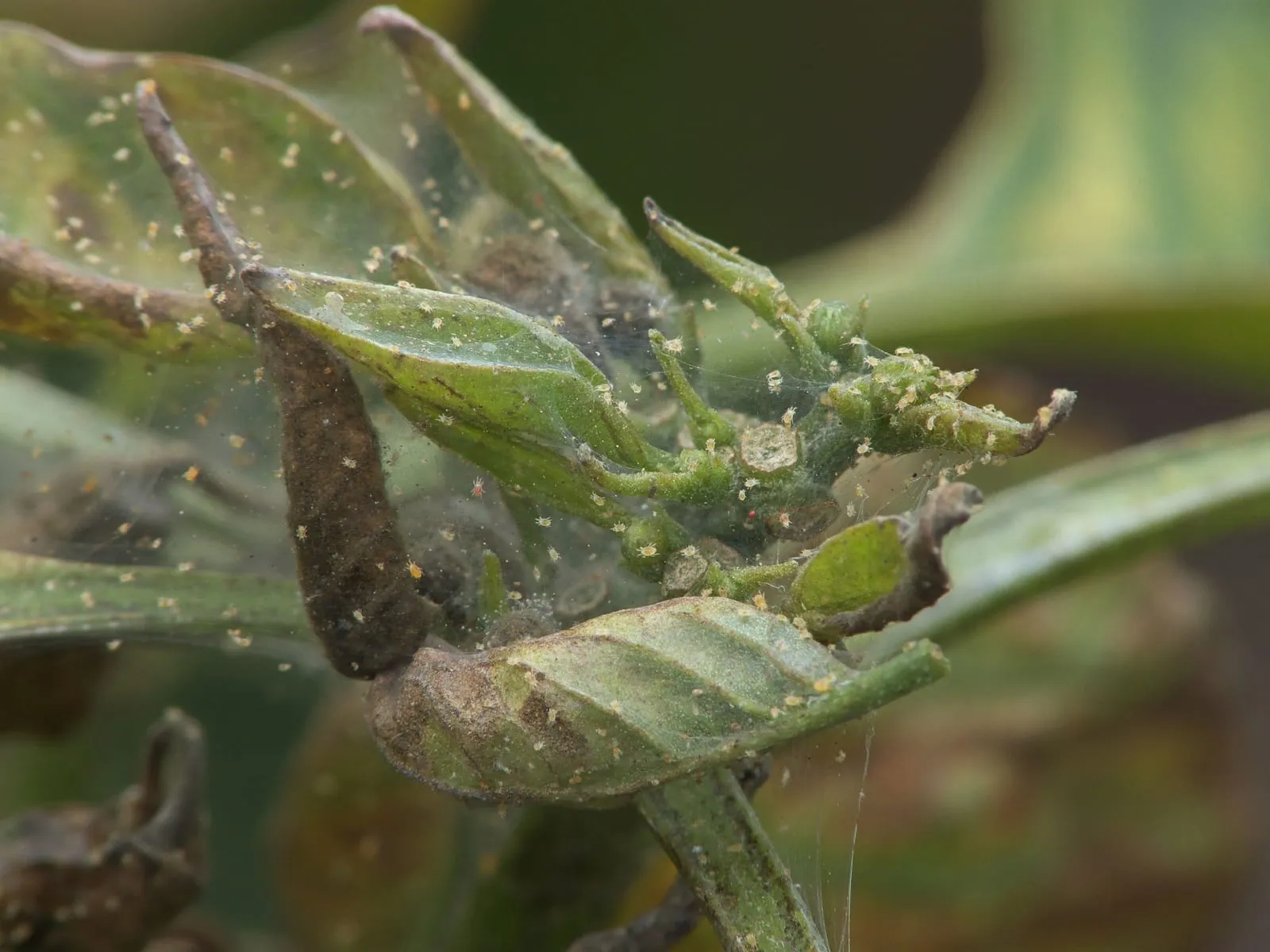
Tetranychus urticae
Tiny mite that feeds on leaf undersides, causing stippling and webbing during hot dry weather.
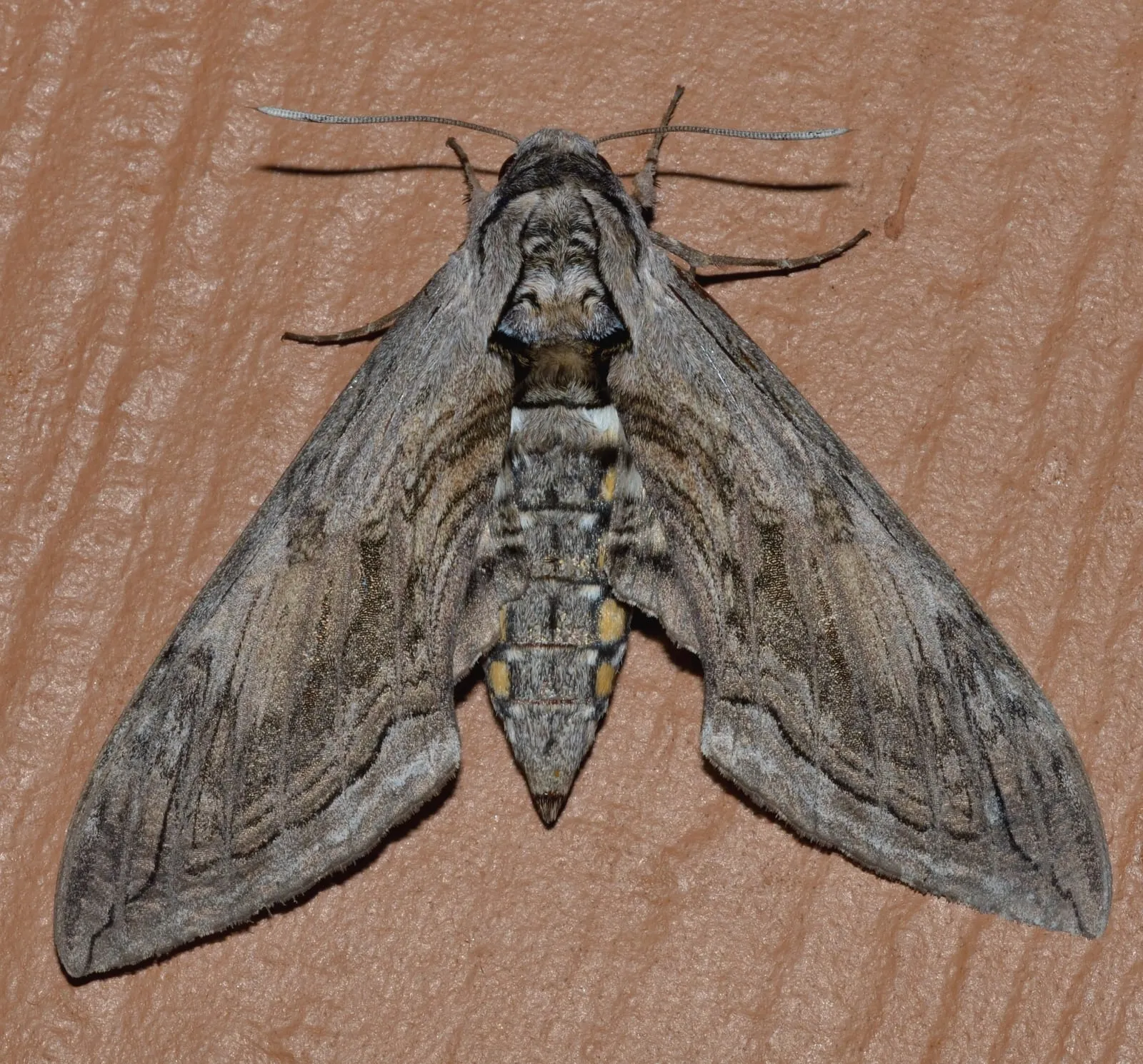
Manduca quinquemaculata
Large green caterpillar (up to 4 inches) that defoliates tomato and other Solanaceae plants rapidly. Mature larvae become five-spotted hawk moths.
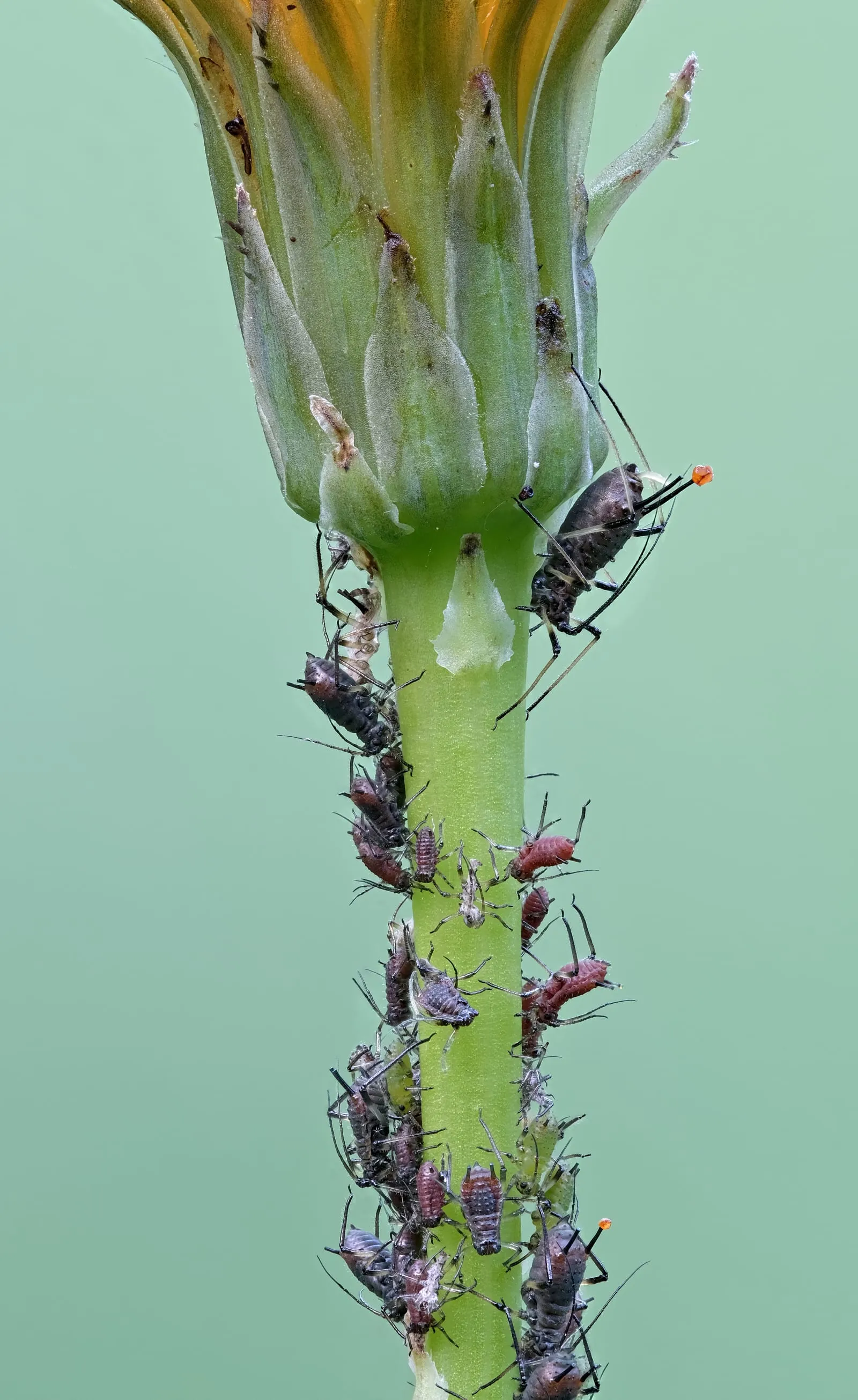
Multiple species (Aphididae)
Small soft-bodied sap-sucking insects that reproduce explosively in spring. Excrete honeydew that supports sooty mold and attracts ants. Transmit viral diseases.
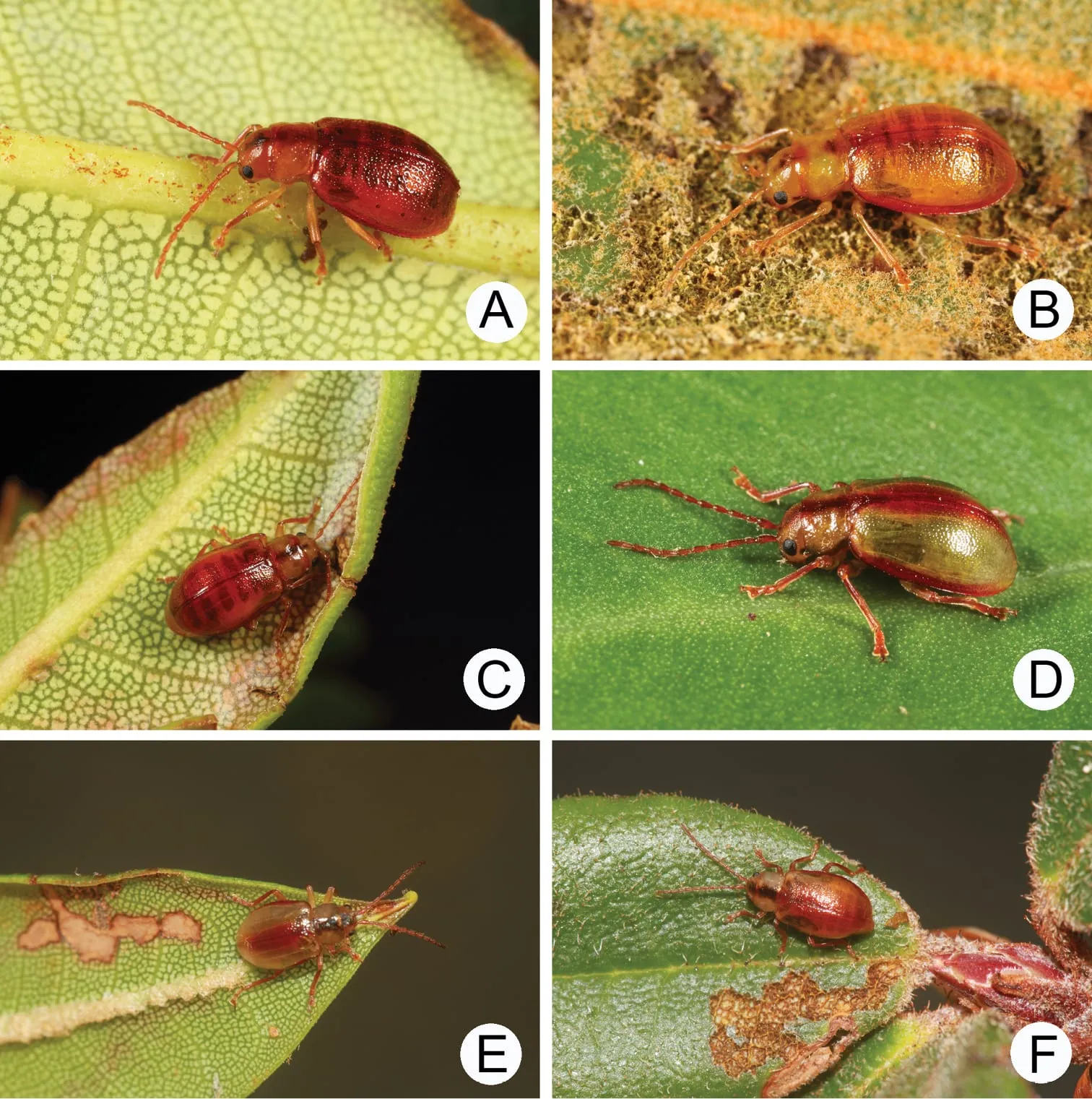
Multiple species (Chrysomelidae)
Tiny black or bronze jumping beetles that put hundreds of small holes in seedling leaves. Most damaging on direct-seeded brassicas and young eggplant.
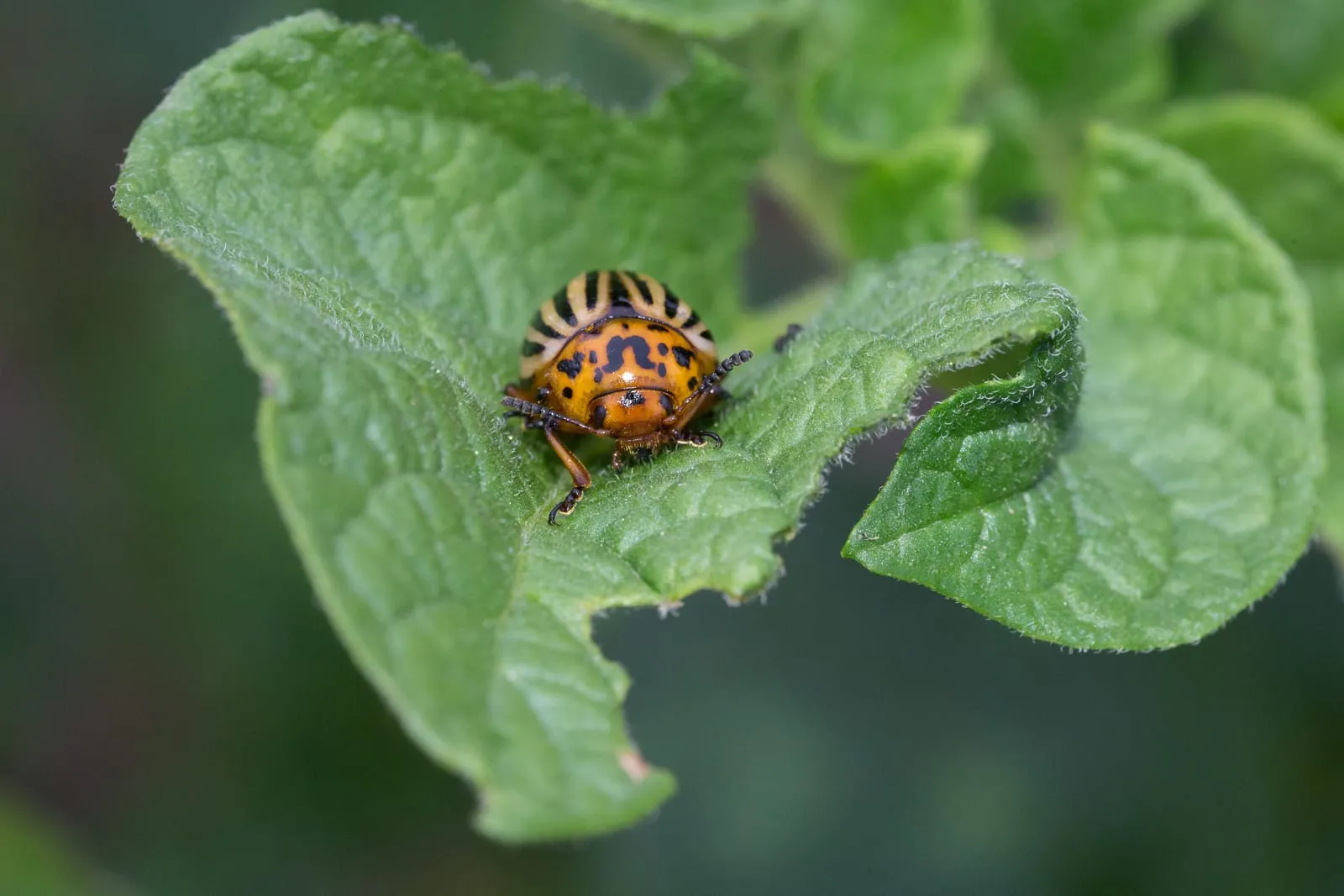
Leptinotarsa decemlineata
Yellow-and-black-striped beetle and red-orange humpbacked larvae that defoliate potato and eggplant. Capable of destroying a planting in days during peak feeding.
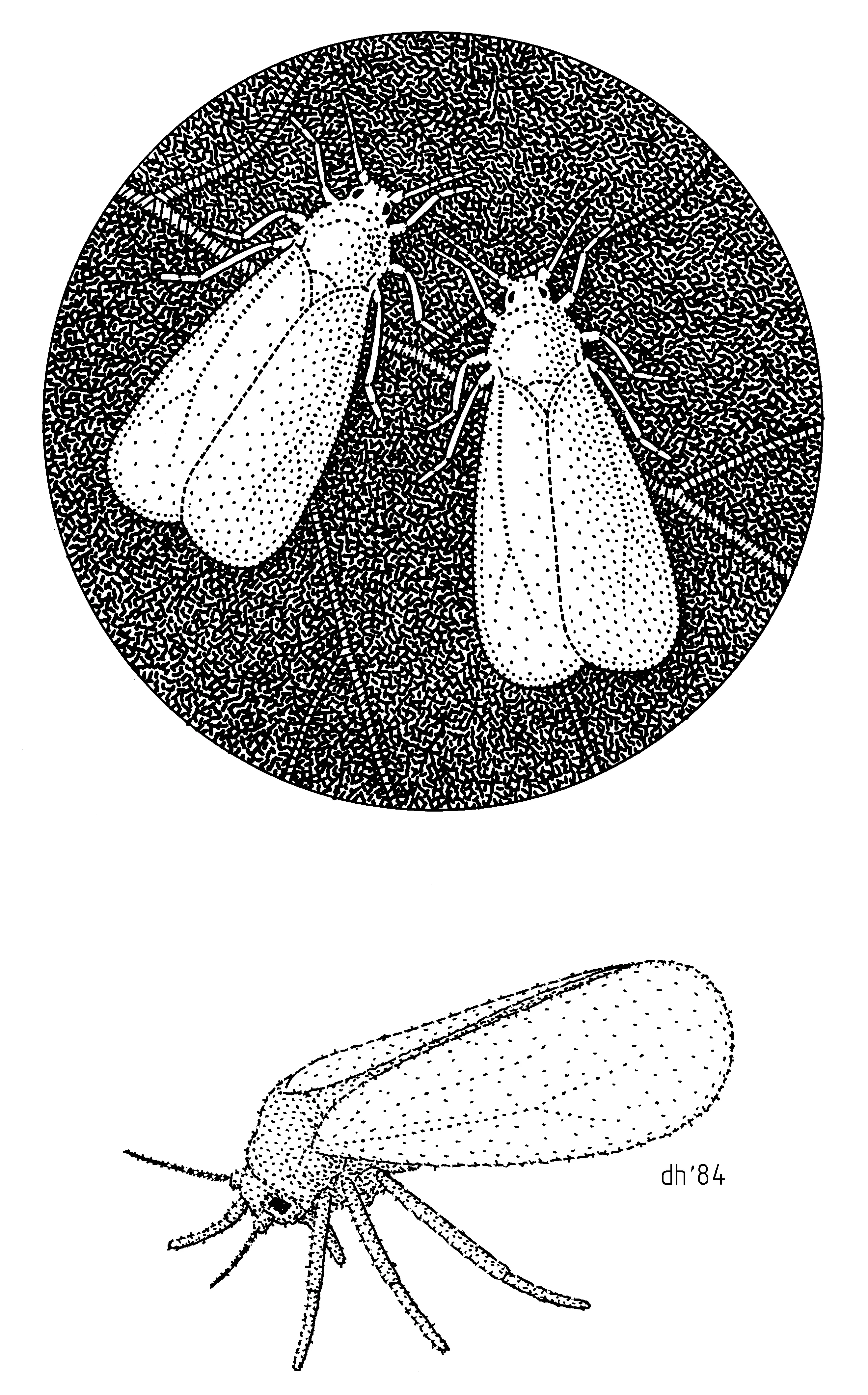
Multiple species (Aleyrodidae)
Tiny white moth-like flying insects that feed on plant sap and excrete honeydew. Transmit numerous viral diseases including tomato yellow leaf curl virus.
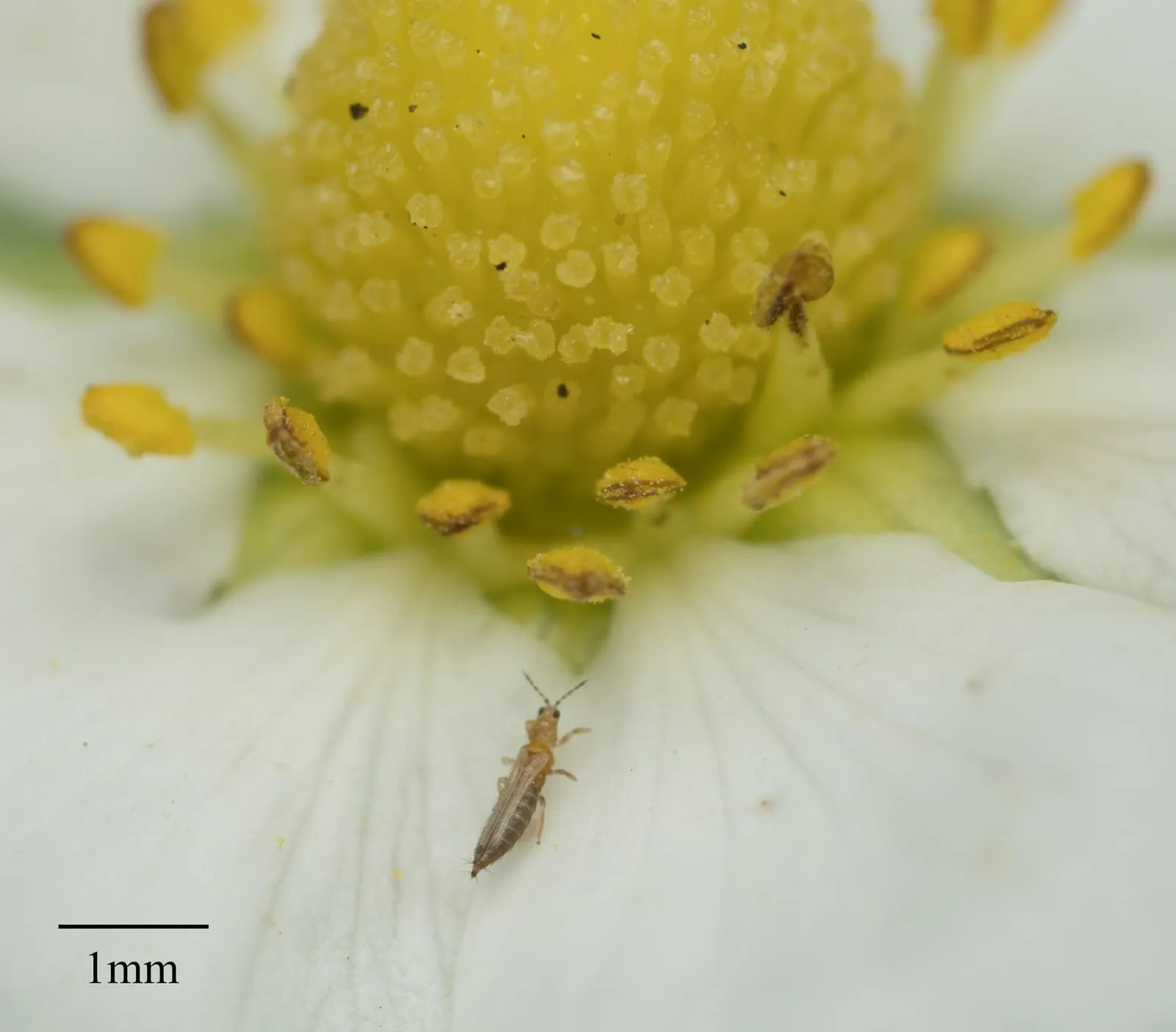
Frankliniella occidentalis
Tiny slender insect that rasps leaf and flower surfaces. The primary vector for Tomato Spotted Wilt Virus and Iris Yellow Spot Virus, which makes it more damaging through disease transmission than direct feeding.
Common challenges
Three issues account for most eggplant failures in home gardens.
Cold transplant shock is the most preventable. Setting transplants in the ground before soil reaches 60°F causes stunting the plant rarely fully recovers from. The instinct to plant immediately after the last frost date, while understandable, costs growers several weeks of productive growth later in the season. Use a soil thermometer, not the calendar.
Flea beetle pressure is severe on young transplants, particularly in zones 5 through 7. The small shotholes they leave in foliage are alarming but rarely fatal to established plants. On seedlings under 8 inches tall, however, heavy feeding can set back growth significantly. Row cover applied immediately after transplanting provides reliable protection and can be removed once plants are established and nighttime temperatures are consistently above 55°F.
Verticillium wilt is the chronic challenge on sites with a history of Solanaceae crops. The fungus persists in soil for years and causes progressive wilting and yellowing that no amount of irrigation corrects. Crop rotation of 4 to 5 years between Solanaceae plantings in the same bed is the primary management tool. No widely available home-garden eggplant varieties carry Verticillium resistance, unlike tomatoes where resistance is common and clearly labeled.
Aphids and Colorado potato beetles appear regularly but respond well to early detection and targeted intervention before populations establish.
Companion plants
Frequently asked questions
- Does eggplant require chill hours like fruit trees?
No. Eggplant is a warm-season annual with no chilling requirement. Unlike apples or peaches, it does not need winter cold exposure to break dormancy or trigger fruiting. What it requires is the opposite: consistently warm soil and air temperatures throughout the growing season, with sustained heat driving fruit set and development.
- How many days does eggplant take from transplant to first harvest?
Depending on variety, 70 to 100 days from transplant. Slender Japanese types like Ichiban tend toward the shorter end and begin producing continuously once they start. Large-fruited Italian types like Black Beauty typically take longer to reach full size. In zones 5 and 6, selecting varieties in the 70-to-80-day range improves the odds of a full harvest before fall frost.
- What USDA zones can grow eggplant successfully?
Eggplant is listed for zones 5a through 10b, but performance varies considerably across that range. Zones 7 through 9 offer the best combination of warm nights, long seasons, and manageable pest pressure. In zones 5 and 6, success depends on indoor transplant starts, warm microsite selection, and early-maturing variety choices. In zones 9b and 10, eggplant can be grown as a short-lived perennial in frost-free winters.
- Is eggplant self-fertile, or does it need pollinators?
Eggplant is self-fertile. Each flower contains both male and female parts and can set fruit without cross-pollination from another plant. However, vibration from buzz-pollinating bees (bumblebees in particular) improves fruit set by shaking loose pollen within the flower. Gardens with low pollinator activity sometimes see poor fruit set even with healthy plants.
- What is the most serious disease affecting eggplant in home gardens?
Verticillium wilt is the most damaging because it is soil-borne, persistent, and has no cure once established. Plants wilt progressively from the bottom up; cutting a stem near the crown often reveals brown discoloration in the vascular tissue. Crop rotation (avoiding Solanaceae in the same bed for 4 to 5 years) is the primary prevention strategy. Early blight, a fungal leaf disease, is also common but manageable with adequate plant spacing and airflow.
- Why is my eggplant flowering but not setting fruit?
The most common cause is temperature stress. Blossoms drop when daytime temperatures exceed 95°F or nighttime temperatures fall below 55°F. A stretch of cool nights in zones 5 and 6, or an early-season heat spike in any zone, can stall fruit set for weeks. Inconsistent watering during the flowering period also causes blossom drop. Once temperatures stabilize in the target range, plants typically resume setting fruit without intervention.
- How do you know when eggplant is ready to harvest?
The most reliable indicator is skin glossiness. Ripe eggplant has a taut, high-gloss skin; overripe fruit turns dull and the flesh becomes seedy and bitter inside. For most varieties, pressing the skin gently should leave a slight indentation that springs back slowly. Harvest regularly once fruit reaches usable size: leaving overripe fruit on the plant signals the plant to stop producing new flowers.
+−
+−
+−
+−
+−
+−
+−
Sources
Image: "Solanum melongena 24 08 2012 (1)", by Joydeep, via Wikimedia Commons, licensed under CC-BY. Source.
.JPG)
Eggplant by zone
Related