vegetable in zone 8b
Growing eggplant in zone 8b
Solanum melongena
- Zone
- 8b 15°F to 20°F
- Growing season
- 260 days
- Suitable varieties
- 4
- Days to harvest
- 70 to 100
The verdict
Zone 8b is a reliable sweet spot for eggplant, not a marginal case. Eggplant is a warm-season annual with no chill-hour requirement, so the zone's minimum winter temperatures of 15 to 20°F are irrelevant to the crop's performance; what matters is summer heat accumulation and a long frost-free window. Zone 8b delivers both, with a growing season of approximately 260 days. The extended warm period allows full-season varieties such as Black Beauty and Rosa Bianca to reach maturity without racing against an early fall frost. Ichiban and Fairy Tale, which are shorter-season types, perform especially well here and can often support a second productive flush if plants are cut back after the first heavy harvest. The primary limiting factor in zone 8b is not climate suitability but soil health: nematode pressure in sandy soils can shorten plant productive life considerably, making site selection and soil amendment decisions more consequential than in heavier soils.
Recommended varieties for zone 8b
4 cultivars suited to this zone, with disease-resistance and zone-fit annotations.
| Variety | Notes | Zone fit | Disease resistance |
|---|---|---|---|
| Black Beauty fits zone 8b | Mild, slightly sweet, meaty; classic large dark-purple Italian-style eggplant. Grilling, roasting, parmigiana, baba ghanoush. Heritage open-pollinated, productive once warm. | | none noted |
| Ichiban fits zone 8b | Mild, tender, thin-skinned; long slender Japanese-style eggplant. Stir-fries, grilling, miso glazes. Productive, picks continuously, less bitter than larger types. | | none noted |
| Rosa Bianca fits zone 8b | Creamy, mild, low-bitterness; pink-and-white striped Italian heirloom. Roasting, stuffing, parmigiana. Productive in warm gardens, beautiful ornamental fruit. | | none noted |
| Fairy Tale fits zone 8b | Sweet, tender, no need to peel or salt; small lavender-and-white striped fruit. Grilling whole, stir-fry, fresh. AAS winner, productive even in cool short seasons. | | none noted |
Critical timing for zone 8b
In zone 8b, eggplant transplants typically go into the ground between late March and mid-April, after the last frost date has passed and soil temperatures have reached at least 60°F. Starting seeds indoors 8 to 10 weeks before transplant puts seed-start at late January to early February. First harvest from transplants generally arrives in June for early varieties, July for full-season types. With 260 growing-season days available, productive harvests can continue into October or November before cold forces senescence. The generous frost-free window also allows growers to attempt a late-summer replanting in late July for a fall crop, though heat-stressed midsummer transplants establish slowly and results vary by site.
Common challenges in zone 8b
- ▸ Low chill hours limit apple variety selection
- ▸ Citrus greening risk
- ▸ Nematodes in sandy soils
Disease pressure to watch for
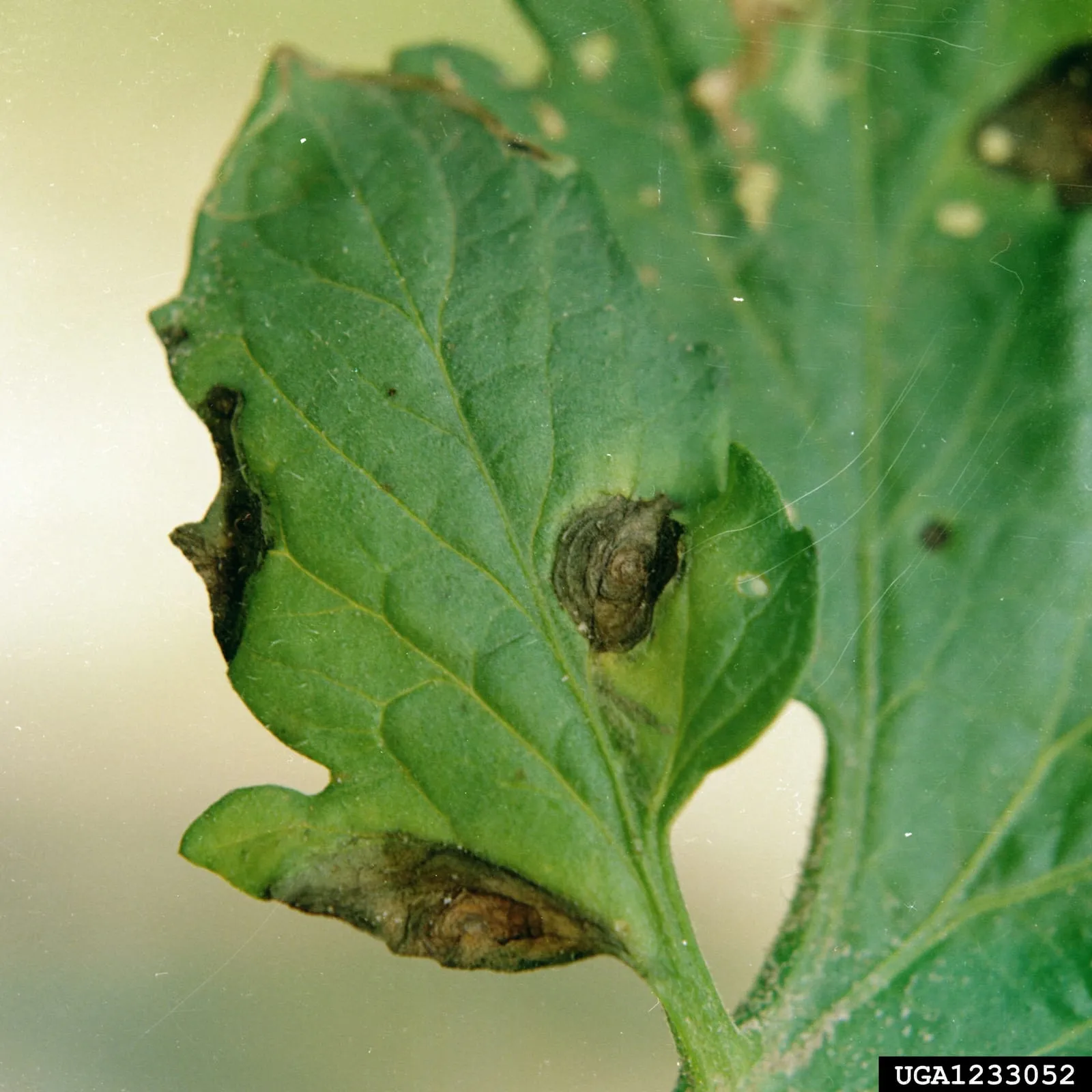
Alternaria solani
Fungal disease starting on lower leaves and progressing upward. The most common tomato and potato leaf disease in the eastern US.
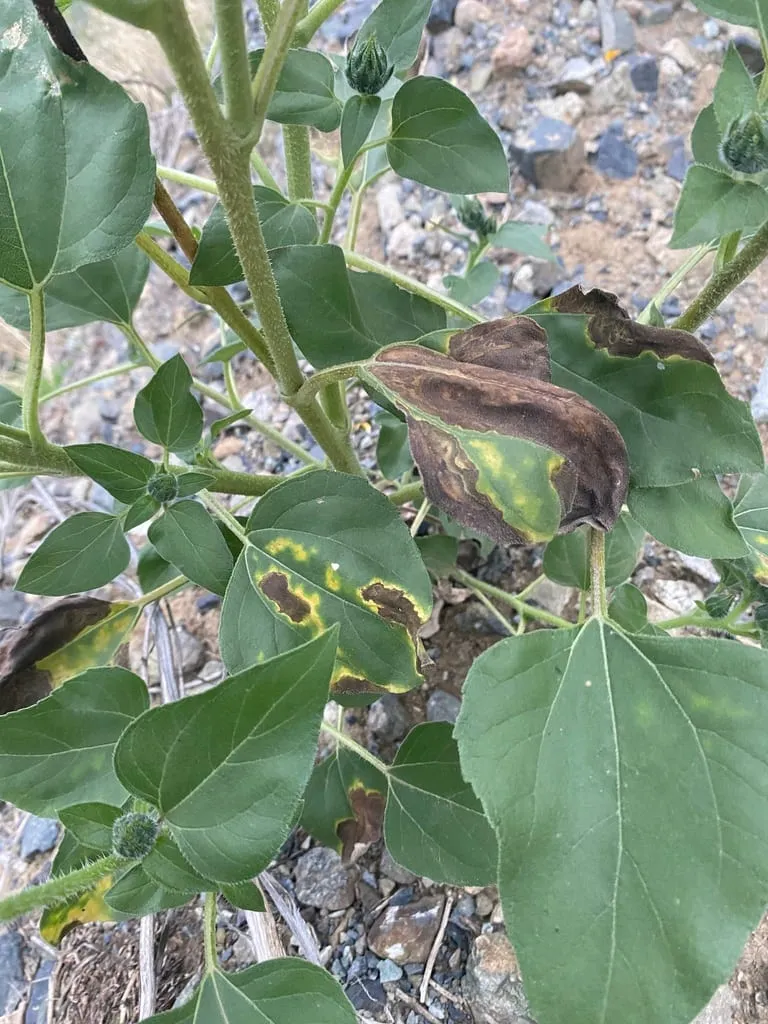
Verticillium dahliae
Soil-borne fungal disease similar to fusarium wilt but with broader host range and cooler temperature optimum. Persists in soil for 10+ years.
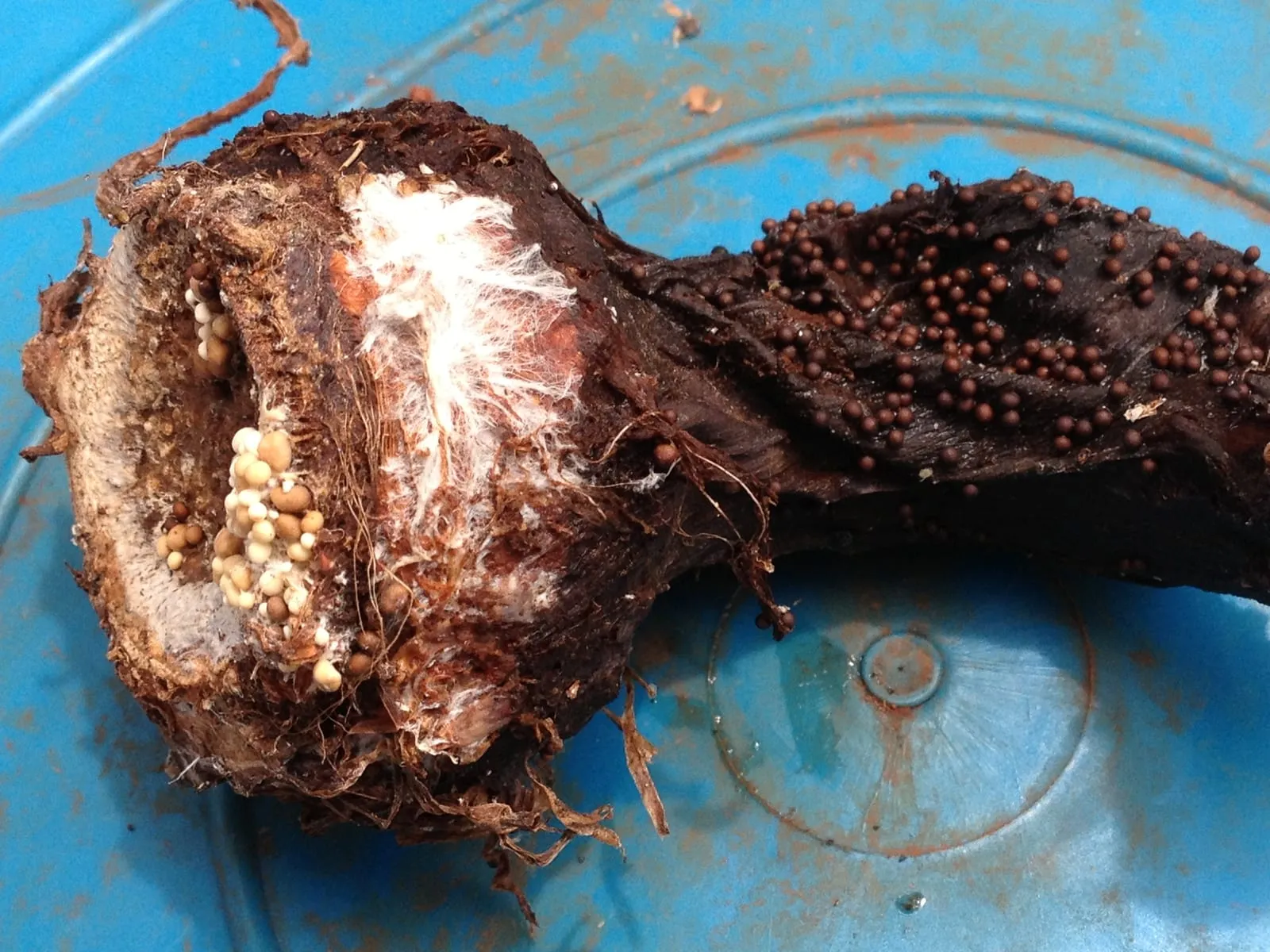
Sclerotium rolfsii
Soil-borne fungal disease most damaging in warm humid Southern conditions. White mycelial fans and small mustard-seed-sized sclerotia at the soil line are diagnostic.
Modified care for zone 8b
The main adjustments in zone 8b center on soil management and pest pressure rather than cold protection. Nematodes are a documented concern in the region's sandy soils; rotating eggplant away from prior Solanaceous plantings and incorporating organic matter or using resistant rootstock grafts where available reduces population buildup. Verticillium wilt is endemic in many zone 8b soils, so confirmed infested beds should not host eggplant or other susceptible crops for at least three seasons. During peak summer heat above 95°F, consistent soil moisture matters more than fertilizer; water stress accelerates fruit hardening and seed development, reducing quality. Early blight appears in humid periods; removing lower foliage to improve air circulation around the base of the plant slows spread without requiring fungicide intervention in most home garden situations.
Frequently asked questions
- Does eggplant need any winter protection in zone 8b?
No. Eggplant is grown as an annual in all of zone 8b. Plants will not survive a hard freeze, but no protective measures are needed because the crop completes its cycle well before winter temperatures become a factor. Pull spent plants after the first killing frost and amend soil for next season.
- Which eggplant varieties perform best in zone 8b?
Black Beauty and Ichiban are reliable standards for the zone. Rosa Bianca, an Italian heirloom, handles zone 8b heat well and produces mild-flavored fruit. Fairy Tale, a compact hybrid, is well suited to containers and small beds and tends to produce earlier and more prolifically than full-size types in hot climates.
- How do nematodes affect eggplant in zone 8b, and what can be done?
Root-knot nematodes are common in sandy zone 8b soils and reduce plant vigor by damaging root tissue, leading to stunted growth and early decline. Crop rotation away from tomatoes, peppers, and other Solanaceae for two to three seasons is the most practical control. Incorporating compost and using French marigolds as interplanted cover crops between beds can suppress nematode populations over time.
+−
+−
+−
Eggplant in adjacent zones
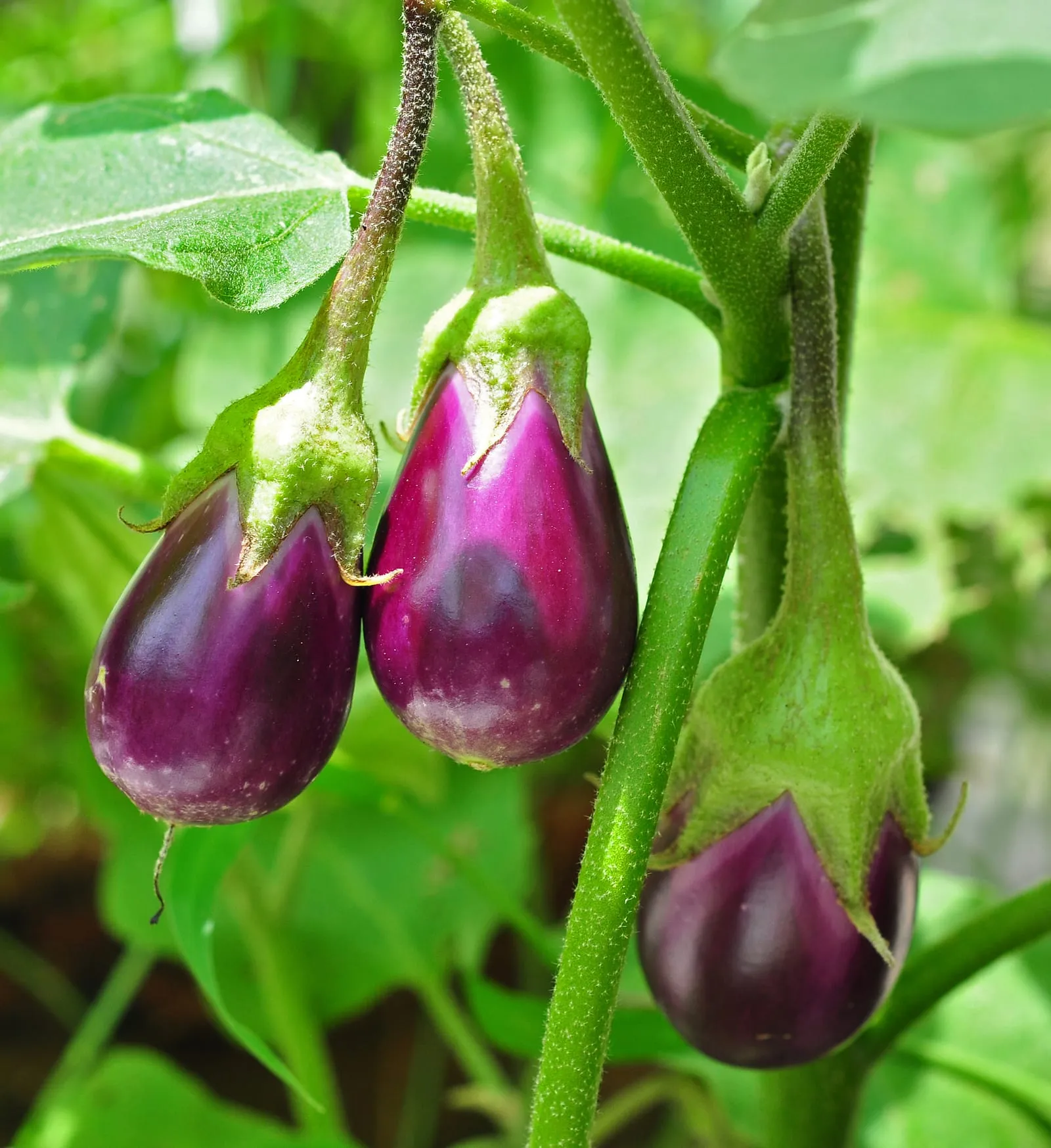
Image: "Solanum melongena 24 08 2012 (1)", by Joydeep, via Wikimedia Commons, licensed under CC-BY Source.
.JPG)
Related