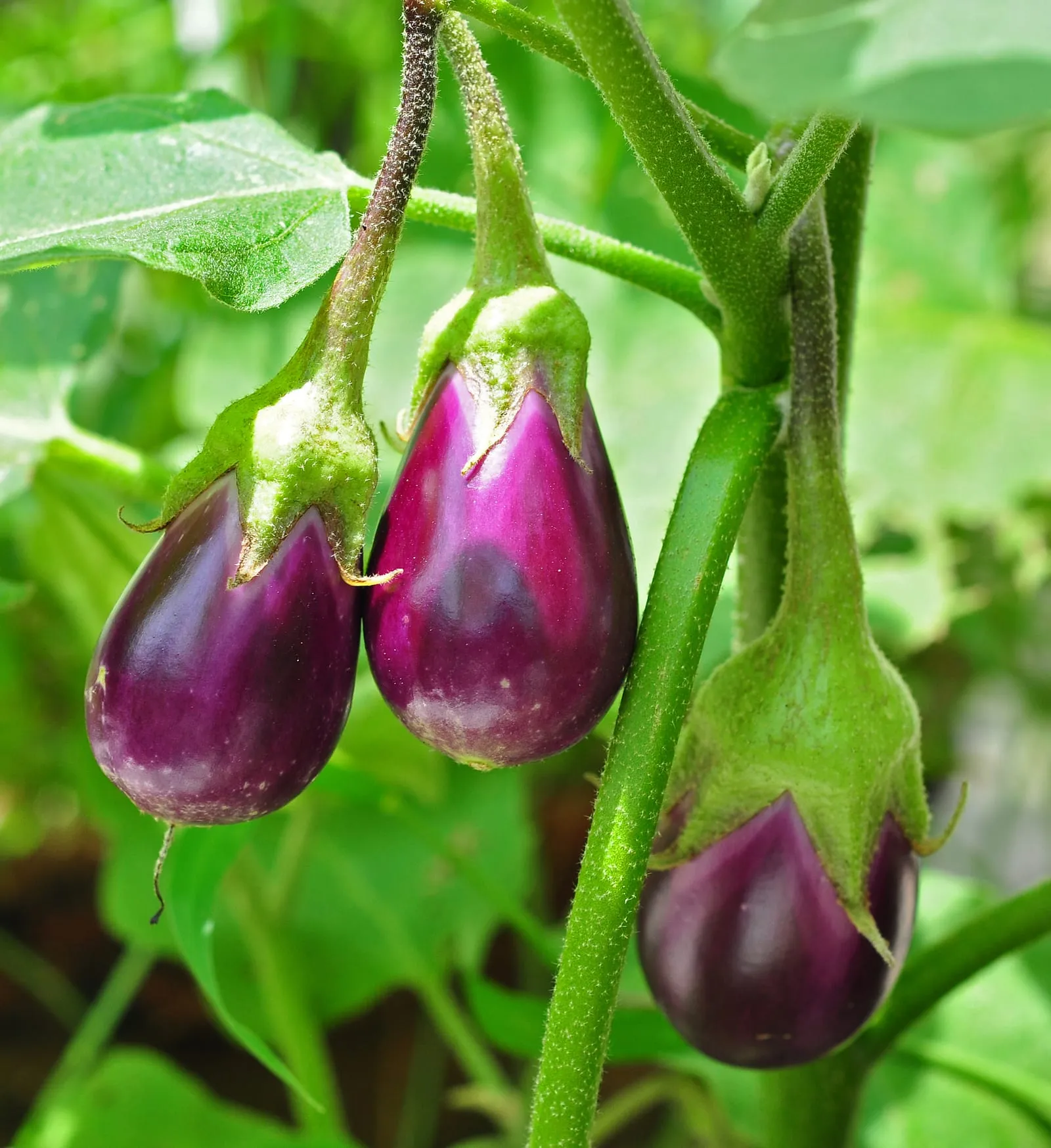
vegetable in zone 9a
Growing eggplant in zone 9a
Solanum melongena
- Zone
- 9a 20°F to 25°F
- Growing season
- 290 days
- Suitable varieties
- 3
- Days to harvest
- 70 to 100
The verdict
Zone 9a is solidly within eggplant's preferred range, not a marginal case. Eggplant is a heat-demanding crop with no chill-hour requirement, so the zone's mild winters and 290-day growing season work entirely in its favor. The minimum winter temperature of 20 to 25°F is cold enough to kill frost-tender plants but rarely damages established garden infrastructure, and eggplant is treated as an annual in this zone regardless.
Black Beauty, Ichiban, and Rosa Bianca all perform reliably here. Ichiban, being a slender Japanese-type, handles sustained heat particularly well and tends to hold fruit quality later into the season when nights stay warm. The primary limiting factor in zone 9a is not cold tolerance but summer heat management: prolonged temperatures above 95°F can cause blossom drop and temporarily stall fruit set, which is a different problem than zone suitability.
Recommended varieties for zone 9a
3 cultivars suited to this zone, with disease-resistance and zone-fit annotations.
| Variety | Notes | Zone fit | Disease resistance |
|---|---|---|---|
| Black Beauty fits zone 9a | Mild, slightly sweet, meaty; classic large dark-purple Italian-style eggplant. Grilling, roasting, parmigiana, baba ghanoush. Heritage open-pollinated, productive once warm. | | none noted |
| Ichiban fits zone 9a | Mild, tender, thin-skinned; long slender Japanese-style eggplant. Stir-fries, grilling, miso glazes. Productive, picks continuously, less bitter than larger types. | | none noted |
| Rosa Bianca fits zone 9a | Creamy, mild, low-bitterness; pink-and-white striped Italian heirloom. Roasting, stuffing, parmigiana. Productive in warm gardens, beautiful ornamental fruit. | | none noted |
Critical timing for zone 9a
In zone 9a, eggplant transplants go out after the last frost, typically late February through mid-March depending on the specific location. Starting seeds indoors 8 to 10 weeks before transplant puts the start date in late December or January. With a 290-day growing season, the window for harvest is long: fruit reaches maturity 70 to 85 days after transplant, placing first harvest in late May or June.
The bloom window runs spring through fall. Unlike stone fruits, eggplant is not vulnerable to late-season frost damage on blooms because it sets fruit well into October and November in most zone 9a locations. A second planting in late July can extend harvest through early winter where frosts arrive late.
Common challenges in zone 9a
- ▸ Limited stone fruit options due to insufficient chill
- ▸ Hurricane and tropical storm exposure
- ▸ Citrus disease pressure
Disease pressure to watch for
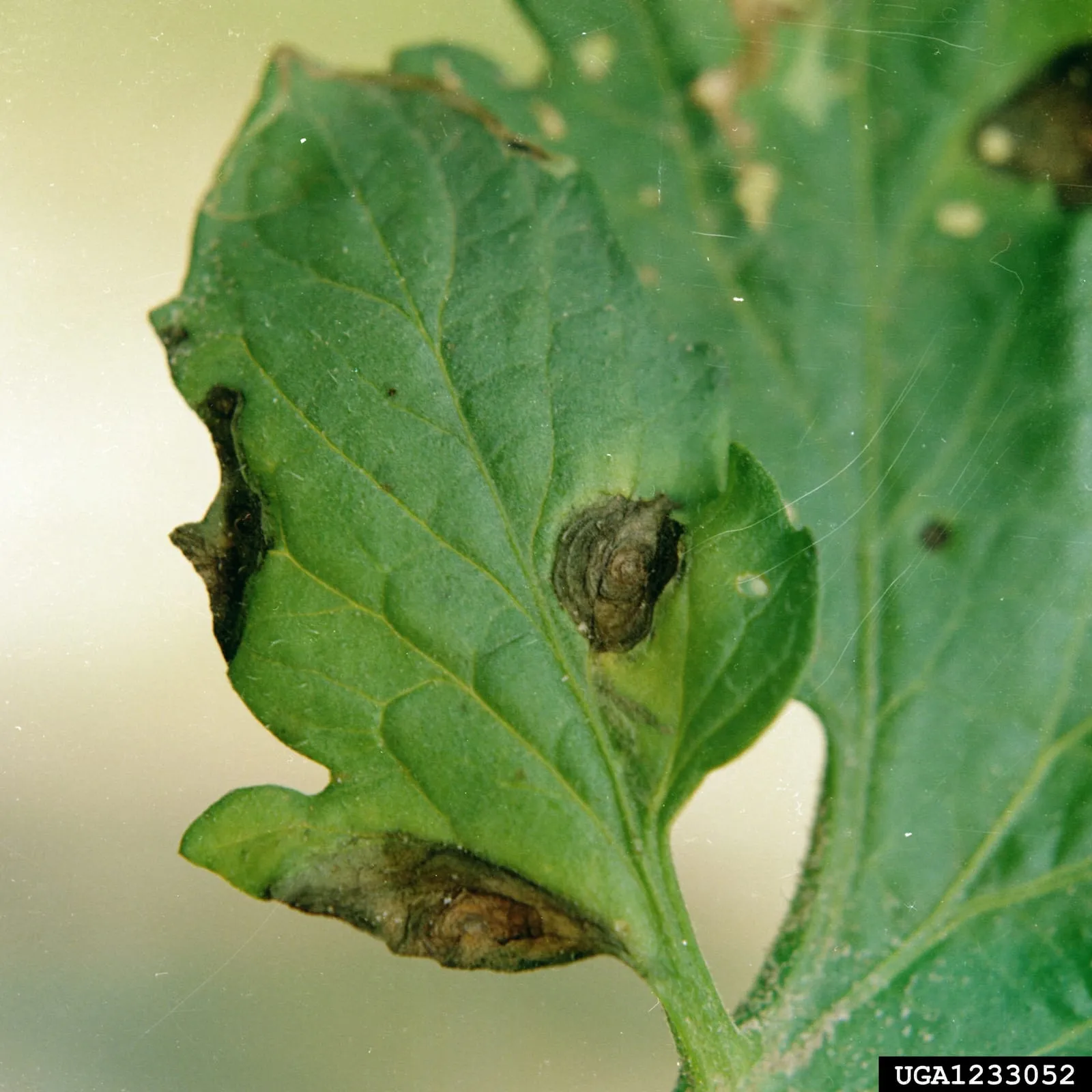
Alternaria solani
Fungal disease starting on lower leaves and progressing upward. The most common tomato and potato leaf disease in the eastern US.
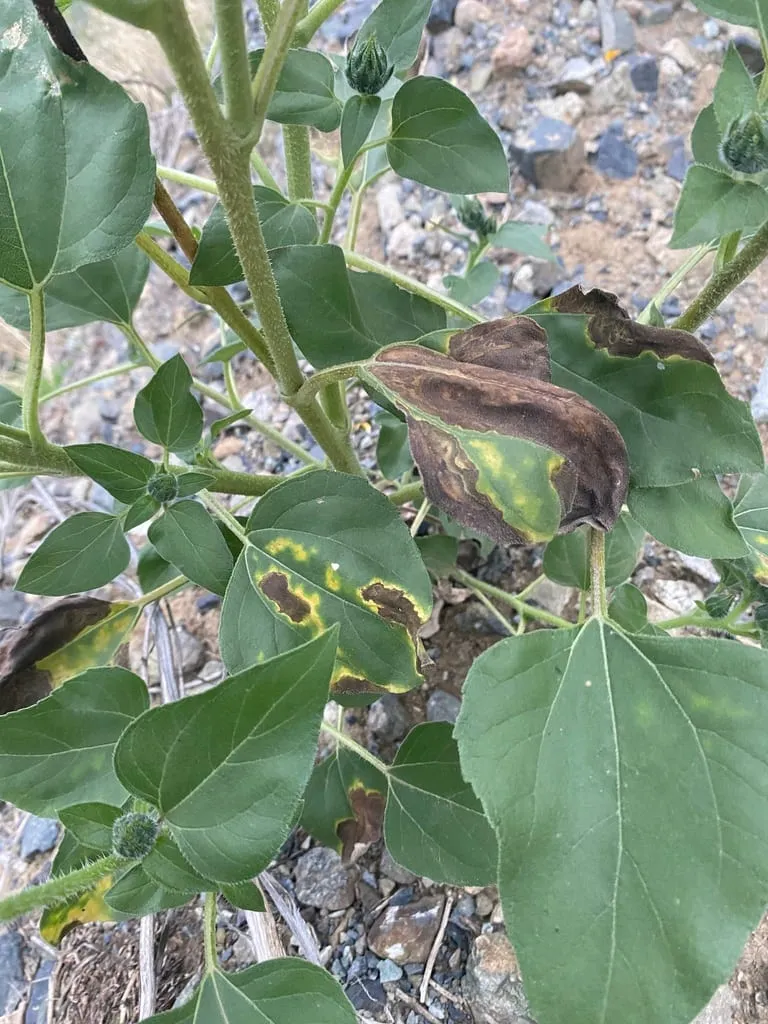
Verticillium dahliae
Soil-borne fungal disease similar to fusarium wilt but with broader host range and cooler temperature optimum. Persists in soil for 10+ years.
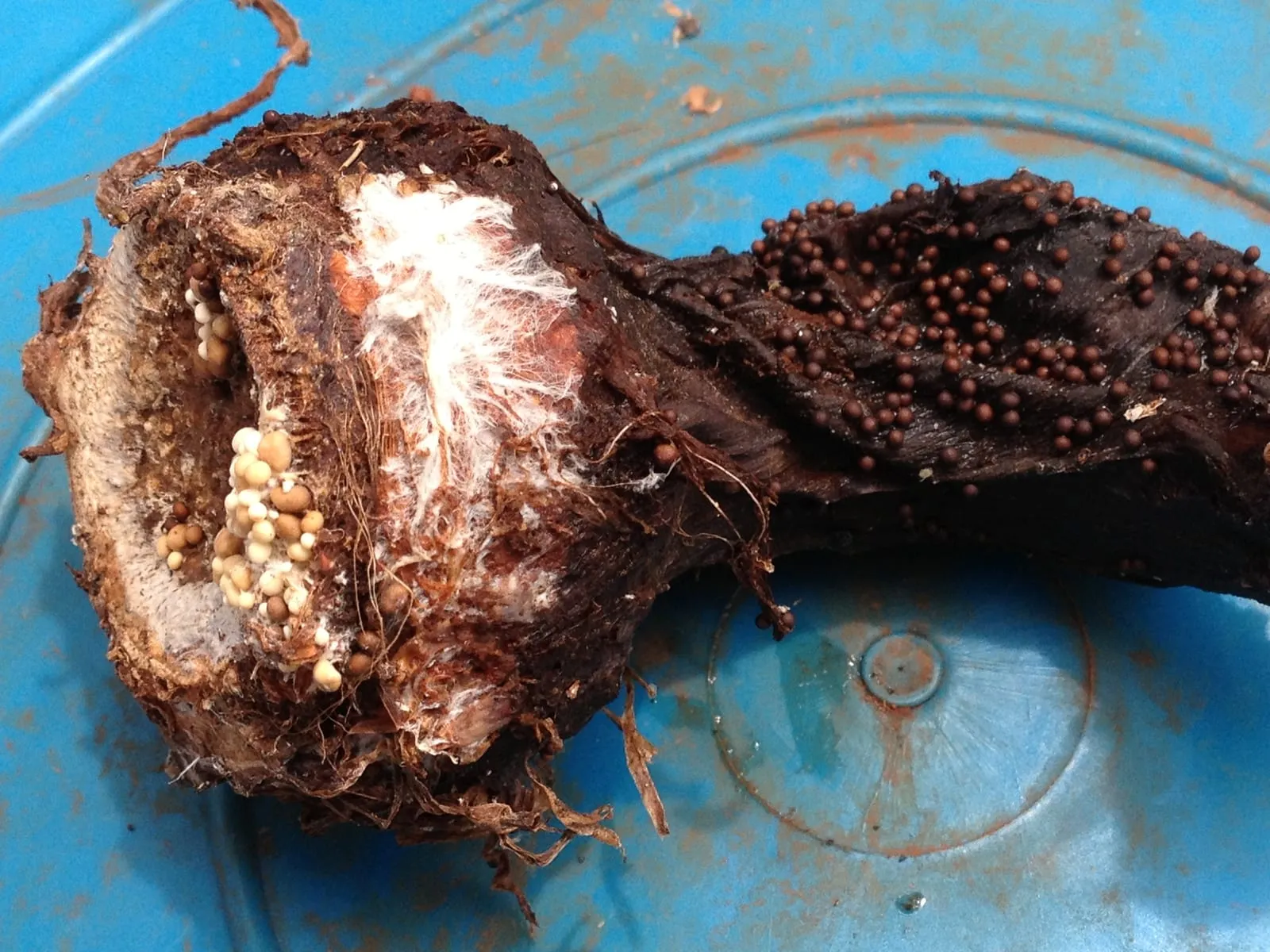
Sclerotium rolfsii
Soil-borne fungal disease most damaging in warm humid Southern conditions. White mycelial fans and small mustard-seed-sized sclerotia at the soil line are diagnostic.
Modified care for zone 9a
The main adjustment in zone 9a is managing summer heat stress during July and August. When daytime temperatures exceed 95°F for multiple consecutive days, blossom drop is likely. A 30% shade cloth over plants during peak afternoon hours can reduce this; removing it once temperatures moderate in September allows the plant to carry a fall flush of fruit.
Verticillium wilt pressure is significant in zone 9a soils, particularly in areas with a history of solanaceous crops. Rotating eggplant to a bed that has not grown tomatoes, peppers, or eggplant in the past three years is the most practical mitigation; resistant rootstock grafting exists but is uncommon at the home-garden scale. Early blight shows up during humid periods; removing lower leaves that contact soil and spacing plants for airflow reduces incidence. Hurricane and tropical storm exposure warrants staking plants early, before fruit load makes the canopy heavy.
Frequently asked questions
- Can eggplant overwinter in zone 9a?
Eggplant is frost-tender and will not survive a hard freeze. In zone 9a, minimum temperatures of 20 to 25°F will kill the plant. Most growers treat it as an annual and replant each season, though in frost-free microclimates it occasionally persists into a second year.
- Which eggplant variety handles zone 9a heat best?
Ichiban, a slender Japanese-type variety, tends to hold fruit quality and continue setting during sustained heat better than large-fruited types like Black Beauty. Rosa Bianca performs well but is more sensitive to blossom drop when temperatures stay above 95°F for extended periods.
- How do you prevent verticillium wilt in zone 9a?
Crop rotation is the primary tool: avoid planting eggplant, tomatoes, or peppers in the same bed for at least three years. There is no effective chemical treatment once infection is established. Soils with a long history of solanaceous crops carry higher inoculum levels and present greater risk.
+−
+−
+−
Eggplant in adjacent zones
Image: "Solanum melongena 24 08 2012 (1)", by Joydeep, via Wikimedia Commons, licensed under CC-BY Source.
.JPG)
Related