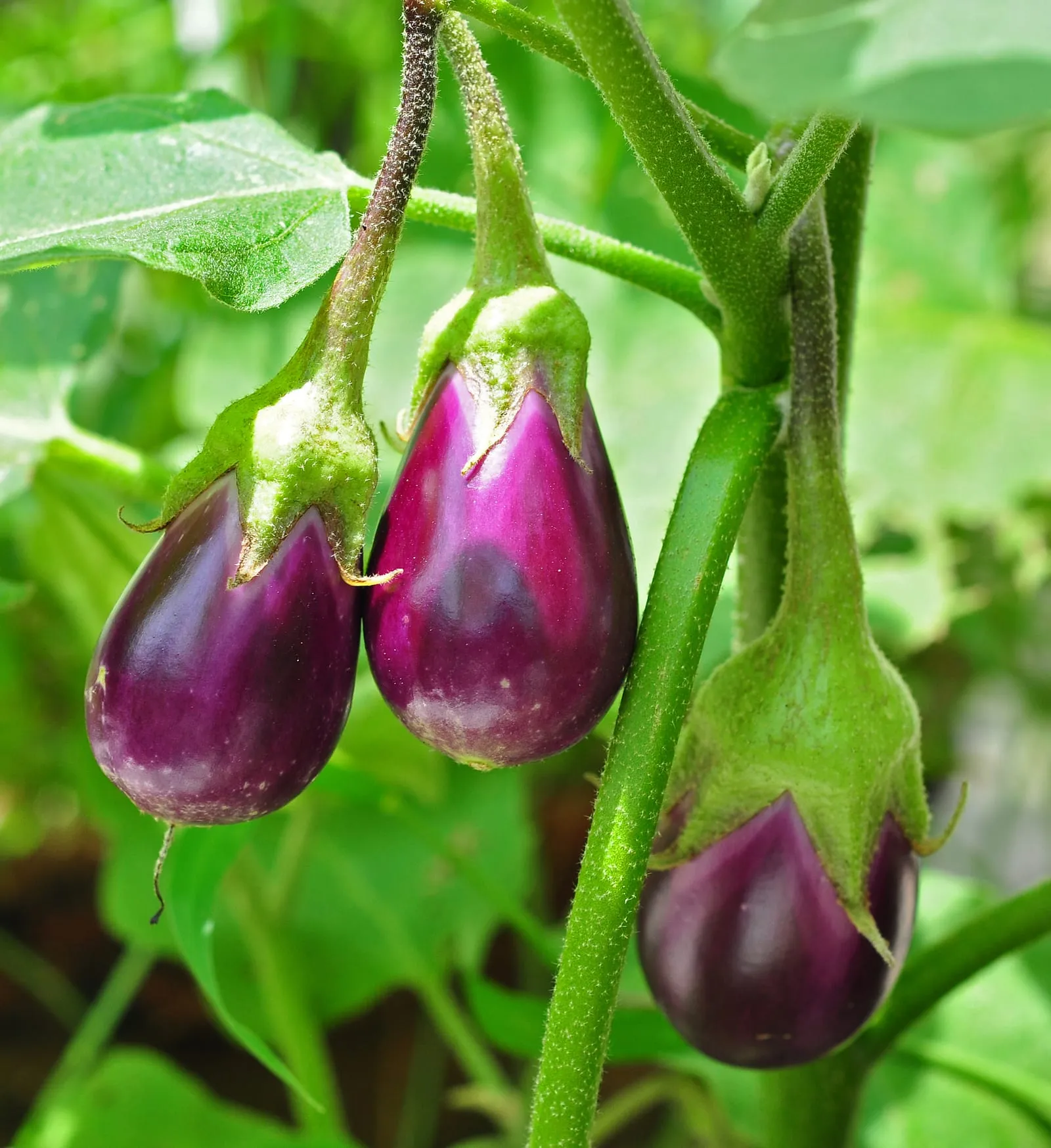
vegetable in zone 9b
Growing eggplant in zone 9b
Solanum melongena
- Zone
- 9b 25°F to 30°F
- Growing season
- 310 days
- Suitable varieties
- 0
- Days to harvest
- 70 to 100
The verdict
Eggplant is a heat-loving crop native to South and Southeast Asia, and zone 9b sits squarely in its sweet spot. Unlike many fruit crops, eggplant has no chill-hour requirement, so the zone's mild winters are an asset rather than a limitation. The 310-day growing season allows for extended harvests and, in many 9b locations, the possibility of successive plantings in both spring and fall.
The primary constraint in 9b is not cold but heat: sustained temperatures above 95°F cause flower drop and reduce fruit set. Coastal 9b locations with marine influence tend to moderate summer peaks and see more reliable fruiting through the hottest months. Inland 9b areas, particularly in the desert Southwest and Central Valley, may experience brief midsummer production gaps when daytime highs are extreme. Overall, zone 9b is one of the most productive zones for eggplant in the continental United States.
Critical timing for zone 9b
In zone 9b, transplants go into the ground as early as late February to mid-March, once nighttime temperatures are consistently above 50°F. Eggplant sets fruit poorly below that threshold even without frost risk. From transplant, expect first bloom in 6 to 8 weeks and harvestable fruit roughly 70 to 85 days after transplanting, depending on variety size.
The long frost-free window allows a second planting in late July or August for fall harvest, with fruit maturing before the first frost, which typically arrives in December or later across most 9b locations. Growers willing to manage heat stress can keep established plants productive from spring through early winter, effectively running a single extended season rather than two discrete plantings.
Common challenges in zone 9b
- ▸ Heat stress in summer
- ▸ Insufficient chill for most apples
- ▸ Salt spray near coasts
Disease pressure to watch for
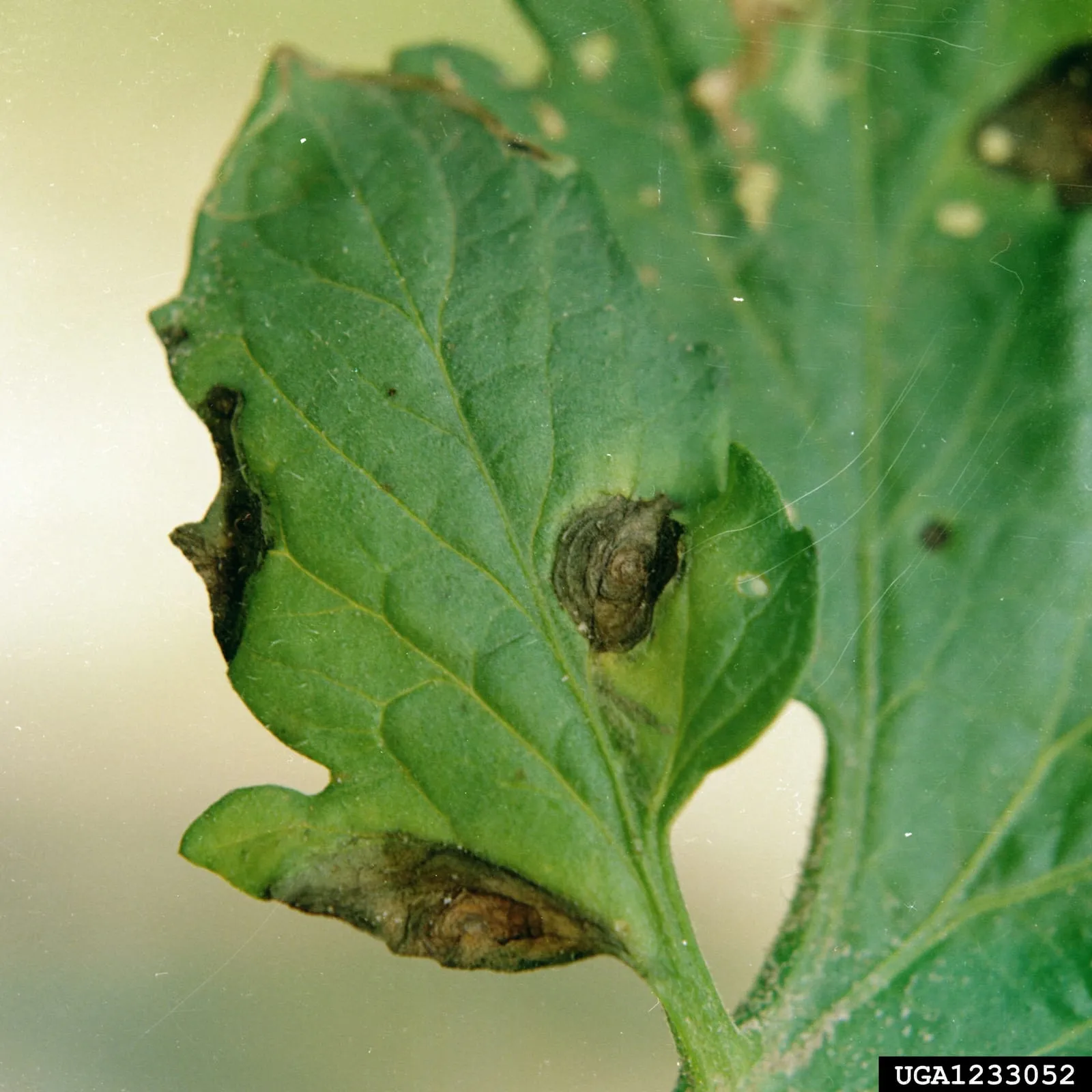
Alternaria solani
Fungal disease starting on lower leaves and progressing upward. The most common tomato and potato leaf disease in the eastern US.
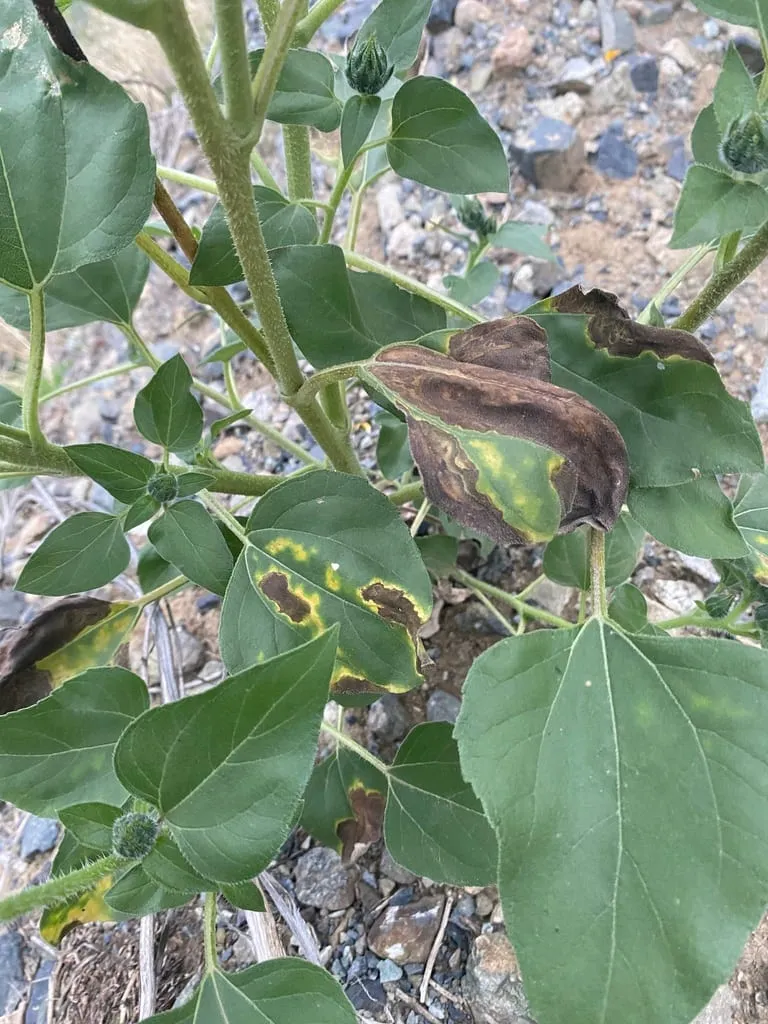
Verticillium dahliae
Soil-borne fungal disease similar to fusarium wilt but with broader host range and cooler temperature optimum. Persists in soil for 10+ years.
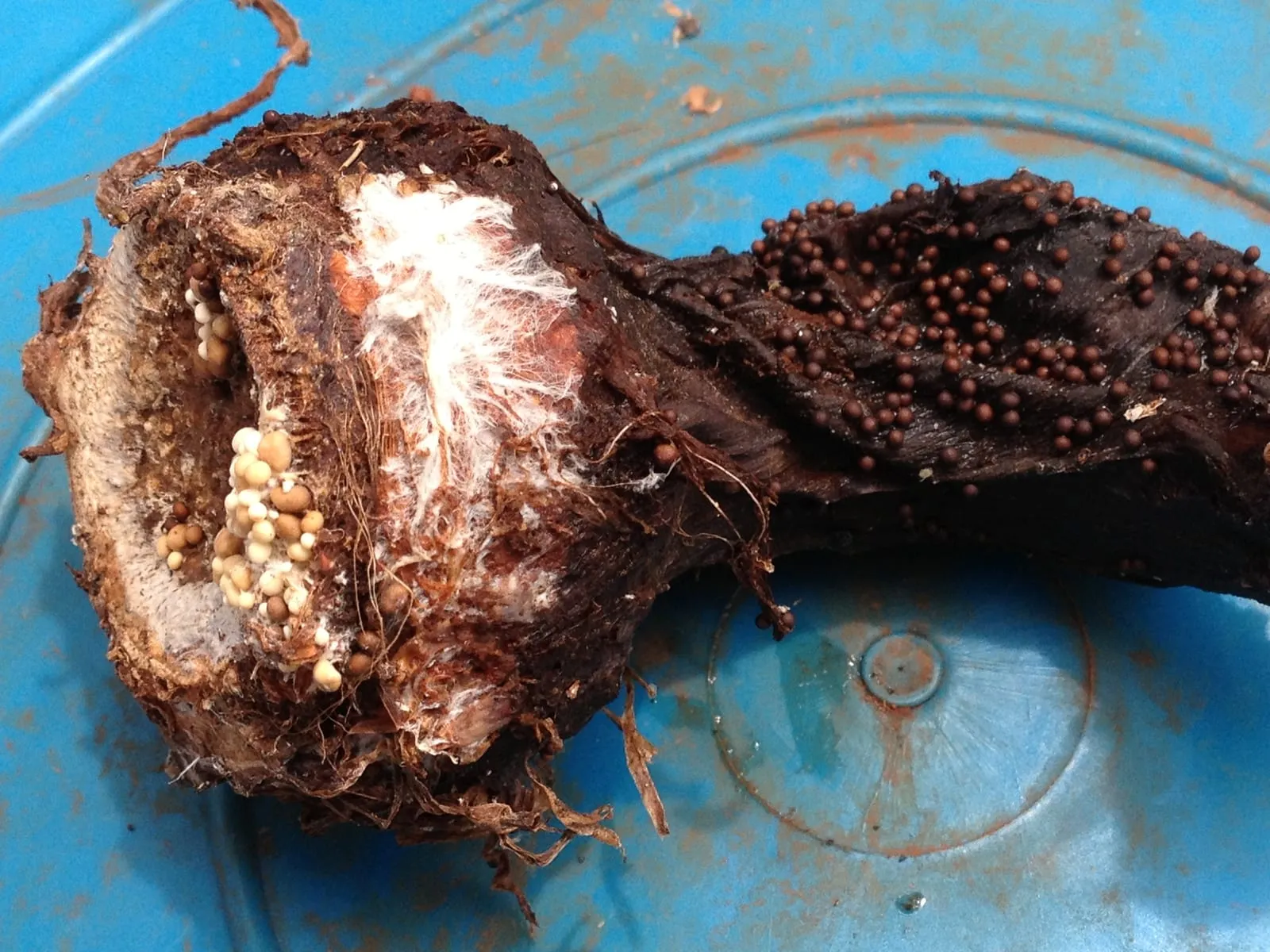
Sclerotium rolfsii
Soil-borne fungal disease most damaging in warm humid Southern conditions. White mycelial fans and small mustard-seed-sized sclerotia at the soil line are diagnostic.
Modified care for zone 9b
The most important adjustment in zone 9b is managing summer heat stress. When forecasts call for multiple consecutive days above 95°F, temporary shade cloth (30 to 40 percent density) placed over plants during afternoon hours can preserve flower set. Deep watering every 2 to 3 days and a 3-inch layer of mulch help keep root-zone temperatures from climbing.
Verticillium Wilt, one of the two primary disease risks in this zone, persists in soil for many years. Rotating eggplant out of beds where tomatoes, peppers, or potatoes grew in the past two seasons is the most practical mitigation. Early Blight pressure increases during humid stretches; removing lower leaves that touch soil and maintaining good airflow between plants reduces infection spread. Coastal growers should also rinse foliage after salt-spray events to prevent tip burn on younger leaves.
Frequently asked questions
- Can eggplant be grown year-round in zone 9b?
In frost-free coastal 9b microclimates, established plants can survive through winter and continue producing, though growth slows significantly below 60°F. Most growers treat it as a long-season annual, planting in spring and pulling plants after the fall harvest rather than overwintering them.
- Why does my eggplant drop flowers in midsummer?
Flower drop in zone 9b is almost always heat-related. Eggplant stops setting fruit reliably when daytime temperatures exceed 95°F or nighttime temperatures stay above 75°F. Production typically resumes on its own once temperatures moderate in late August or September.
- How do I reduce Verticillium Wilt risk in my 9b garden?
Crop rotation is the primary tool. Avoid planting eggplant, tomatoes, peppers, or potatoes in the same bed more than once every three years. The pathogen is soil-borne and not eliminated by standard garden practices; resistant rootstocks exist but are not widely available for home gardeners.
+−
+−
+−
Eggplant in adjacent zones
Image: "Solanum melongena 24 08 2012 (1)", by Joydeep, via Wikimedia Commons, licensed under CC-BY Source.
.JPG)
Related