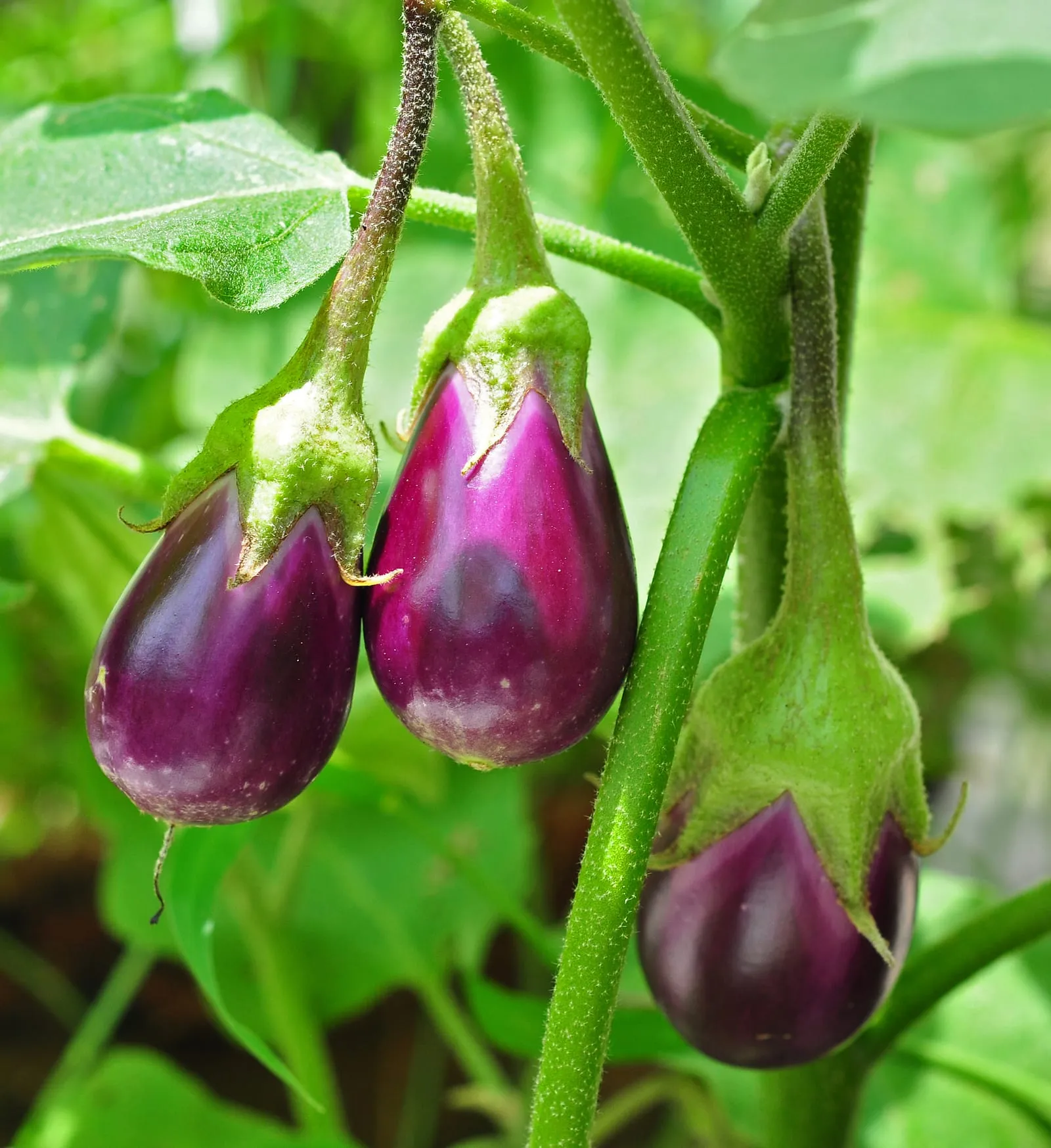
vegetable in zone 10a
Growing eggplant in zone 10a
Solanum melongena
- Zone
- 10a 30°F to 35°F
- Growing season
- 340 days
- Suitable varieties
- 0
- Days to harvest
- 70 to 100
The verdict
Eggplant is a heat-loving crop with tropical origins, and zone 10a is firmly in its comfort zone. Unlike temperate fruit trees, eggplant has no chill-hour requirement whatsoever, so the zone's inability to provide winter chilling is irrelevant. What matters to eggplant is sustained warmth, and zone 10a delivers: a 340-day growing season with minimum winter temperatures of 30 to 35°F means the plant can persist as a short-lived perennial or be cycled through multiple annual plantings.
This is not a marginal zone for eggplant. It is one of the most productive zones in the country for the crop. The primary limiting factors are summer heat intensity (which can cause blossom drop above 95°F), humidity-driven disease pressure, and the need to time plantings around hurricane season. Heat-tolerant varieties are strongly preferred over standard commercial types, which were bred for more temperate climates.
Critical timing for zone 10a
Zone 10a supports two main planting windows for eggplant. The fall planting (transplants set out September through October) avoids peak summer heat and produces harvests from November through February. The spring planting (February through March transplants) yields from May into early summer before heat stress peaks.
Eggplant typically blooms 8 to 12 weeks after transplant, with fruit reaching harvest size 70 to 90 days from transplant depending on cultivar. In zone 10a, frost risk is low but not zero; temperatures can drop to 30°F in January, which will damage or kill fruiting plants. The fall planting window is generally the more reliable of the two, as plants establish during cooling temperatures rather than intensifying heat.
Common challenges in zone 10a
- ▸ No chilling for traditional temperate fruit
- ▸ Hurricane exposure
- ▸ Heat-tolerant cultivars only
Disease pressure to watch for
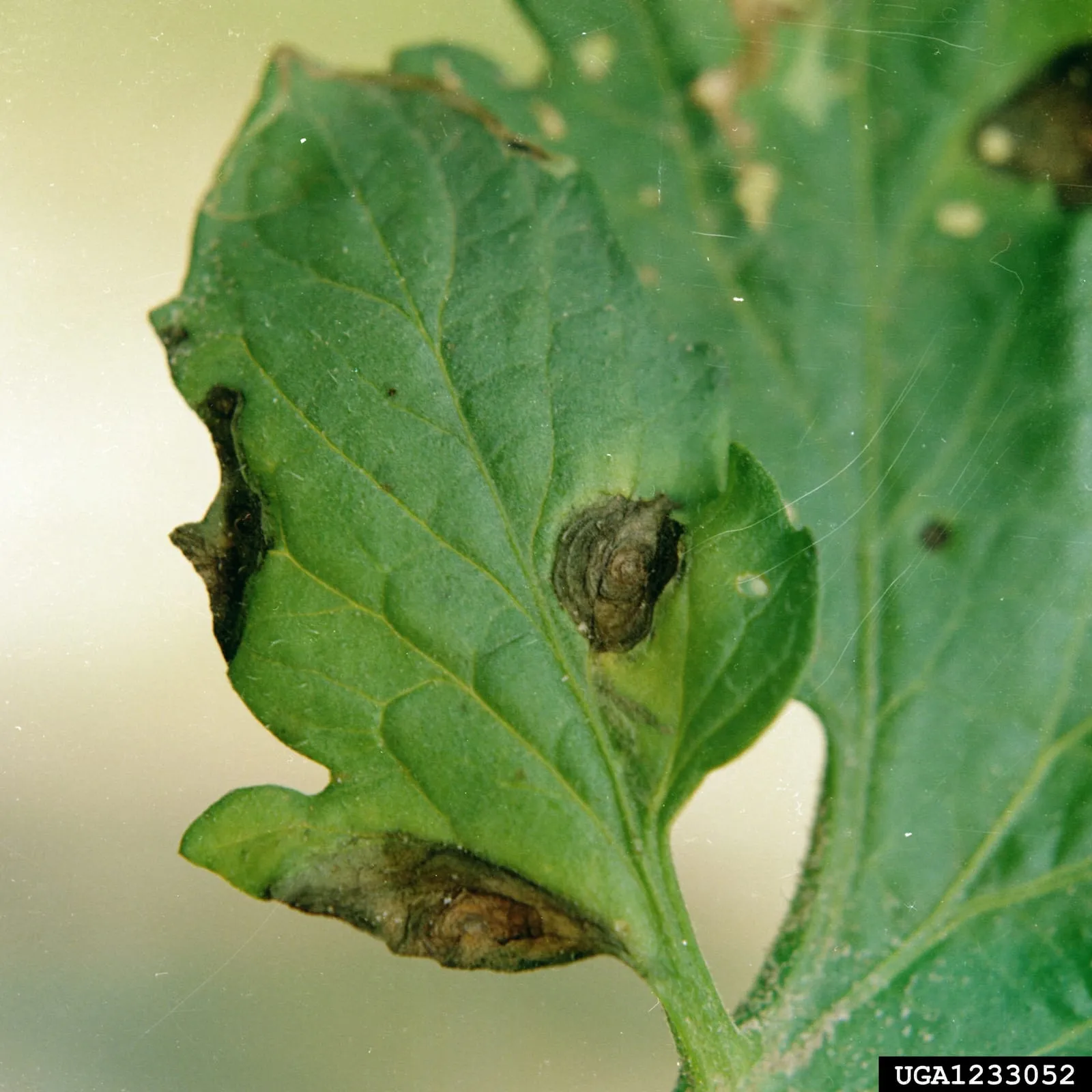
Alternaria solani
Fungal disease starting on lower leaves and progressing upward. The most common tomato and potato leaf disease in the eastern US.
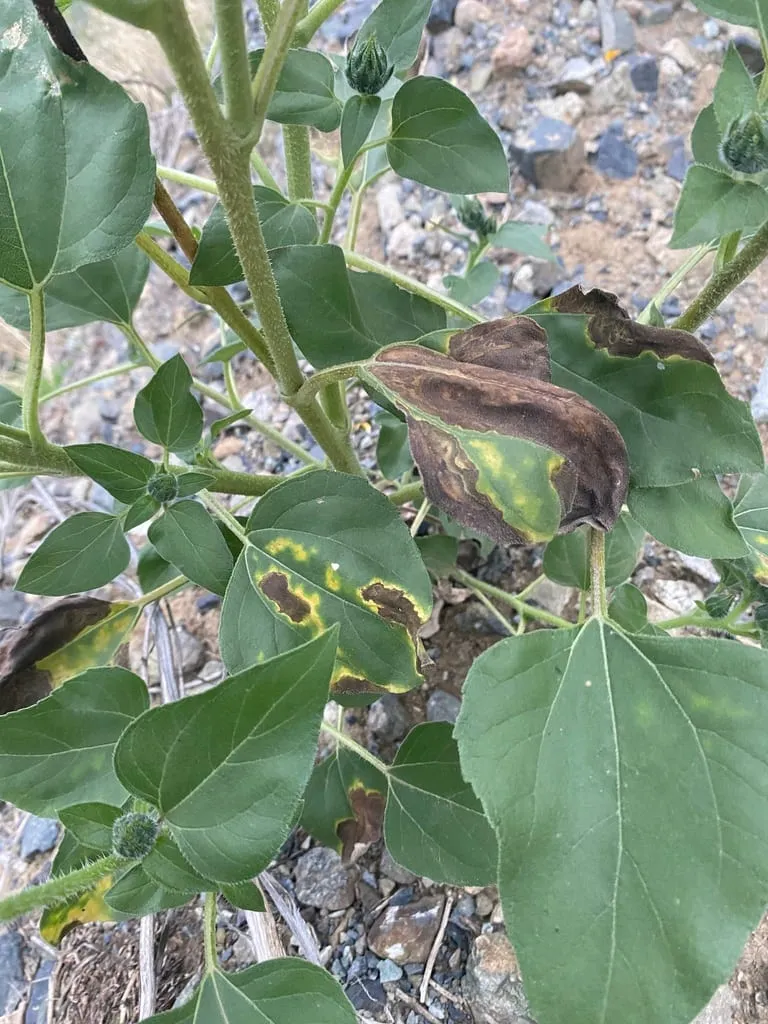
Verticillium dahliae
Soil-borne fungal disease similar to fusarium wilt but with broader host range and cooler temperature optimum. Persists in soil for 10+ years.
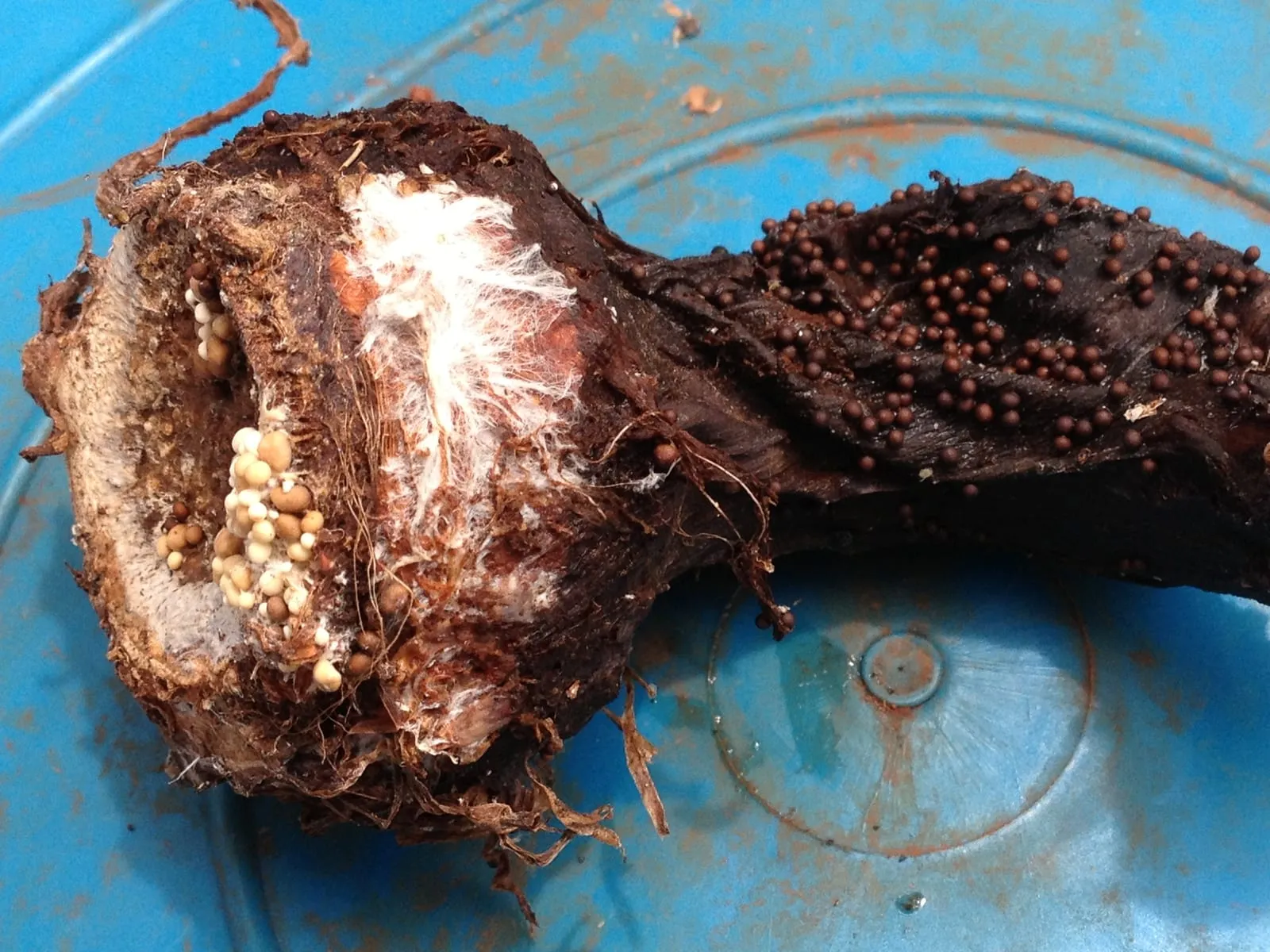
Sclerotium rolfsii
Soil-borne fungal disease most damaging in warm humid Southern conditions. White mycelial fans and small mustard-seed-sized sclerotia at the soil line are diagnostic.
Modified care for zone 10a
The primary care adjustment in zone 10a is managing heat stress during June through September. Blossom drop is common when daytime temperatures exceed 95°F for extended periods; mulching heavily (3 to 4 inches of organic material) helps stabilize soil temperature and retain moisture. Consistent irrigation becomes critical during these months, as water stress compounds heat stress and accelerates Verticillium Wilt progression.
Disease management requires attention to Early Blight and Verticillium Wilt, both of which are favored by the warm, humid conditions typical of zone 10a summers. Crop rotation of at least three years away from other solanaceous crops (tomato, pepper, potato) reduces Verticillium pressure significantly. Hurricane exposure warrants sturdy staking at transplant time rather than after the plant is established. Plants that survive a second season should be cut back hard in late fall to rejuvenate fruiting wood.
Frequently asked questions
- Can eggplant grow year-round in zone 10a?
Eggplant can survive as a short-lived perennial in zone 10a, but productivity drops significantly during peak summer heat and during the brief cool season. Most growers get better yields by running two distinct planting cycles (fall and spring) rather than trying to maintain a single plant year-round.
- Which eggplant varieties perform best in zone 10a heat?
Long, slender Asian types such as 'Ichiban' and 'Orient Express' generally tolerate heat better than large globe varieties like 'Black Beauty'. Thai and Indian types bred for tropical conditions are also well suited. Avoid varieties with short fruiting windows bred for northern climates.
- Does Verticillium Wilt get worse in zone 10a?
Verticillium Wilt is a persistent soil-borne pathogen that builds up wherever solanaceous crops are grown repeatedly. Zone 10a's warm soil temperatures don't eliminate the pathogen. Rotating eggplant to a bed not used for tomato, pepper, or potato in the past three years is the most effective management strategy available to home growers.
+−
+−
+−
Eggplant in adjacent zones
Image: "Solanum melongena 24 08 2012 (1)", by Joydeep, via Wikimedia Commons, licensed under CC-BY Source.
.JPG)
Related