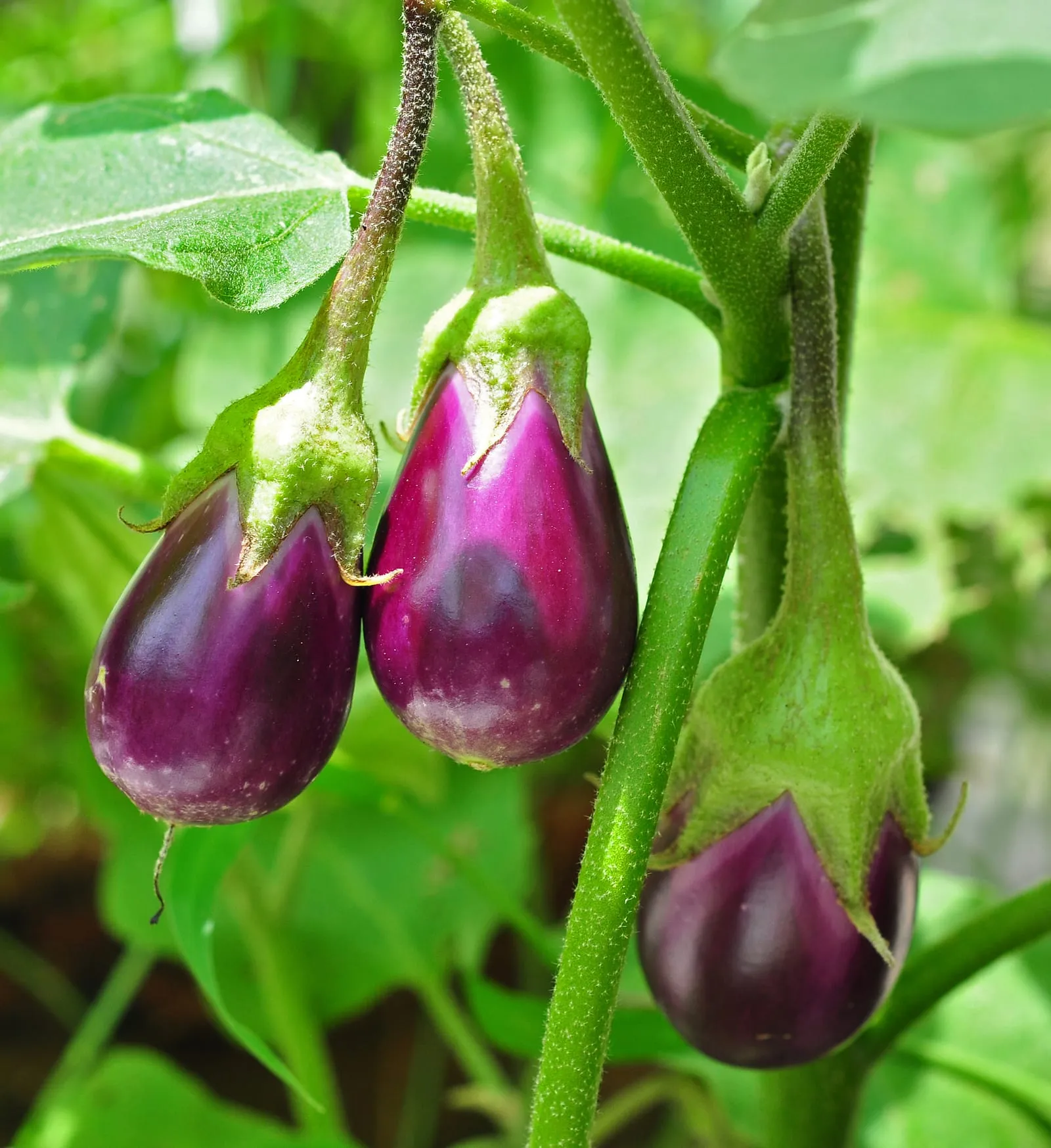
vegetable in zone 8a
Growing eggplant in zone 8a
Solanum melongena
- Zone
- 8a 10°F to 15°F
- Growing season
- 240 days
- Suitable varieties
- 4
- Days to harvest
- 70 to 100
The verdict
Eggplant is a heat-loving crop with origins in tropical South Asia, and zone 8a sits squarely in its comfort range. Unlike stone fruits or apples, eggplant has no chill-hour requirement, so the zone's mild winters are irrelevant to crop performance. What matters is summer heat accumulation and a frost-free window long enough to bring fruit to maturity. Zone 8a's 240-day growing season covers that requirement with room to spare. Most eggplant varieties reach harvest 65 to 85 days from transplant, meaning a late-March planting can yield fruit by late June with harvests continuing well into October. The zone's minimum winter temperatures (10 to 15°F) are low enough to kill overwintering eggplant, so it is grown as an annual, but that is standard practice across most of the continental United States. For gardeners in zone 8a, eggplant is a reliable warm-season crop, not a marginal one.
Recommended varieties for zone 8a
4 cultivars suited to this zone, with disease-resistance and zone-fit annotations.
| Variety | Notes | Zone fit | Disease resistance |
|---|---|---|---|
| Black Beauty fits zone 8a | Mild, slightly sweet, meaty; classic large dark-purple Italian-style eggplant. Grilling, roasting, parmigiana, baba ghanoush. Heritage open-pollinated, productive once warm. | | none noted |
| Ichiban fits zone 8a | Mild, tender, thin-skinned; long slender Japanese-style eggplant. Stir-fries, grilling, miso glazes. Productive, picks continuously, less bitter than larger types. | | none noted |
| Rosa Bianca fits zone 8a | Creamy, mild, low-bitterness; pink-and-white striped Italian heirloom. Roasting, stuffing, parmigiana. Productive in warm gardens, beautiful ornamental fruit. | | none noted |
| Fairy Tale fits zone 8a | Sweet, tender, no need to peel or salt; small lavender-and-white striped fruit. Grilling whole, stir-fry, fresh. AAS winner, productive even in cool short seasons. | | none noted |
Critical timing for zone 8a
Last frost in zone 8a typically falls between mid-March and early April, depending on local elevation and proximity to urban heat islands. Soil temperatures need to reach at least 60°F before transplants go in; planting into cold soil stunts growth and delays fruiting by several weeks. In practice, most zone 8a gardeners set transplants out in late March to mid-April and start seeds indoors 8 to 10 weeks prior, in late January to early February. Flowers appear roughly 60 to 70 days after transplanting. First fall frost arrives in mid-to-late November in most of the zone, giving a generous harvest window. Starting seeds on time is the critical scheduling decision; a late start compresses the fall harvest window without adding to it.
Common challenges in zone 8a
- ▸ Insufficient chill hours for some apple varieties
- ▸ Pierce's disease in grapes
- ▸ Heat stress on cool-season crops
Disease pressure to watch for
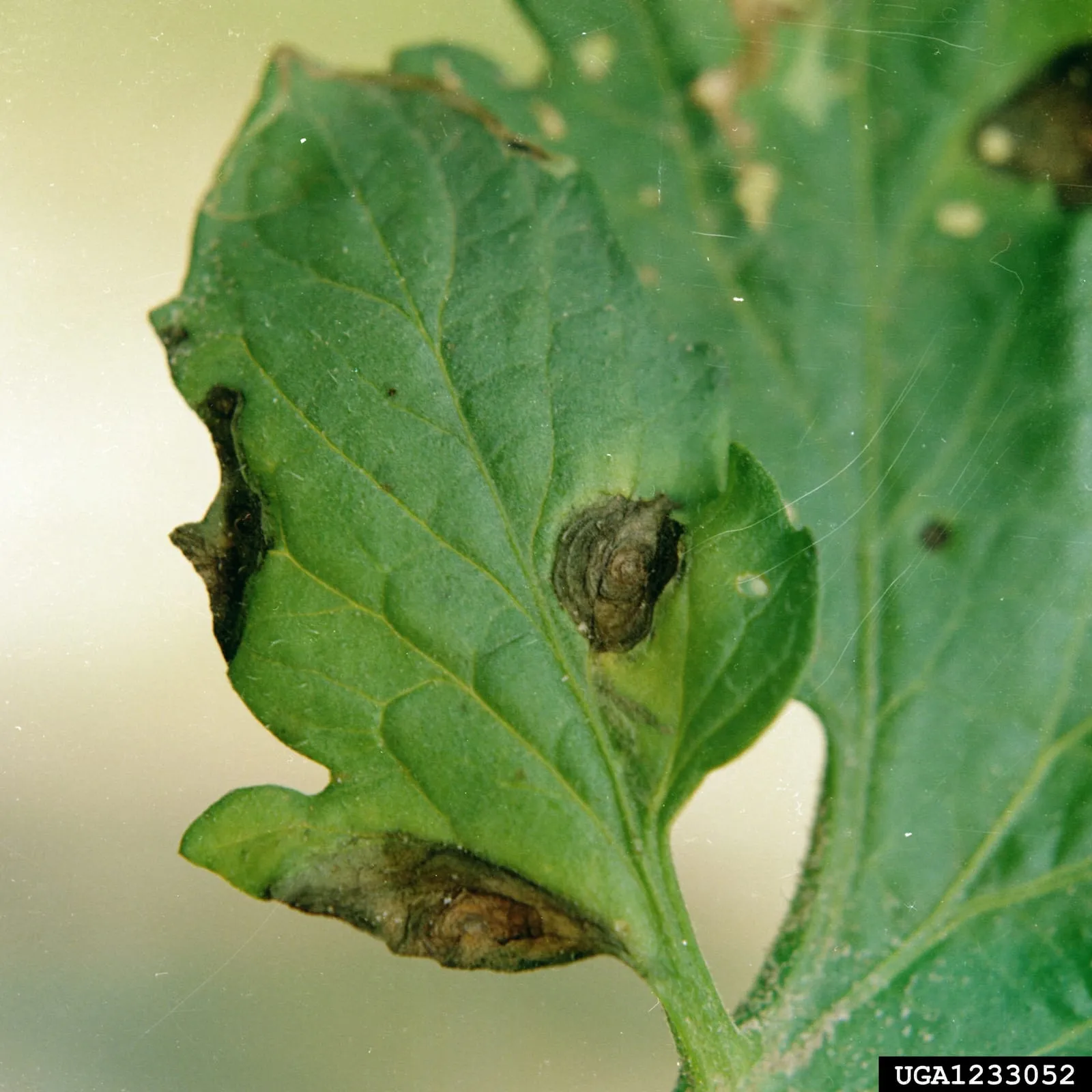
Alternaria solani
Fungal disease starting on lower leaves and progressing upward. The most common tomato and potato leaf disease in the eastern US.
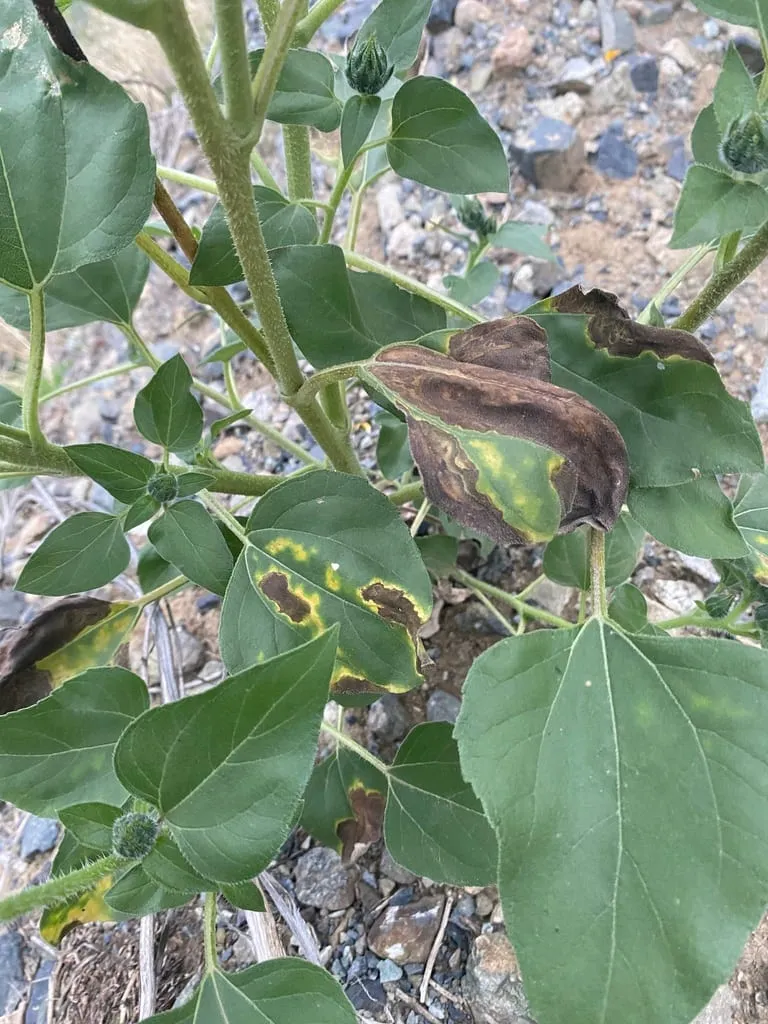
Verticillium dahliae
Soil-borne fungal disease similar to fusarium wilt but with broader host range and cooler temperature optimum. Persists in soil for 10+ years.
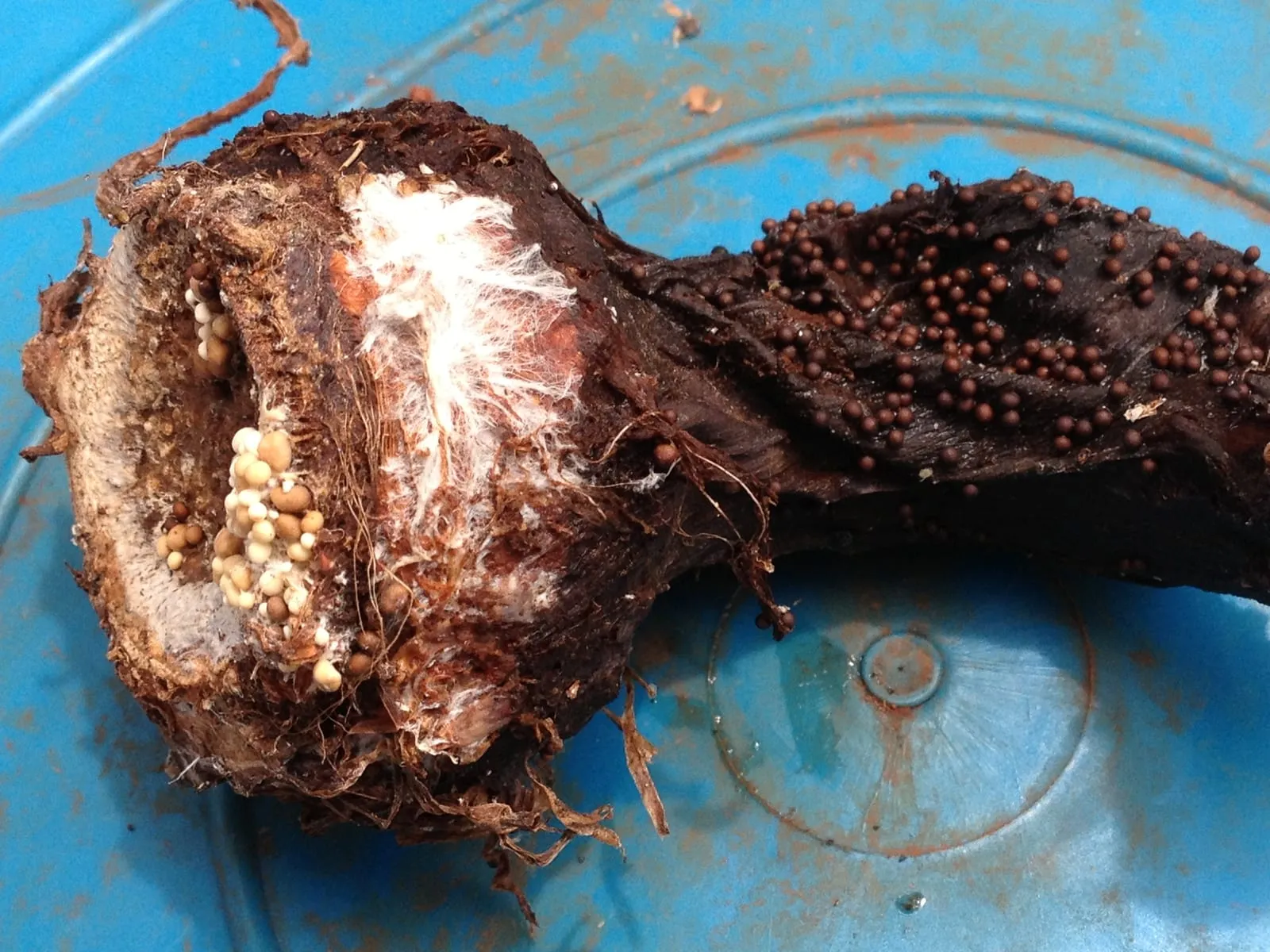
Sclerotium rolfsii
Soil-borne fungal disease most damaging in warm humid Southern conditions. White mycelial fans and small mustard-seed-sized sclerotia at the soil line are diagnostic.
Modified care for zone 8a
The main adjustment in zone 8a is managing summer heat stress. Daytime temperatures above 95°F can cause blossom drop, which temporarily halts fruit set even though the plant itself is not damaged. Mulching heavily around the base reduces soil temperature fluctuations and retains moisture during dry stretches. Consistent irrigation matters most during fruit set; irregular watering encourages bitter, misshapen fruit. Verticillium wilt is a persistent soil-borne pathogen in zones where solanaceous crops have been grown repeatedly, and zone 8a's mild winters do not provide enough cold to suppress it. Rotating eggplant out of beds where tomatoes, peppers, or potatoes have grown recently is the most effective mitigation. Early blight, a fungal disease that causes leaf lesions and defoliation, spreads faster in warm humid conditions; removing lower leaves that touch the soil and improving air circulation between plants reduces pressure.
Frequently asked questions
- Can eggplant survive winter in zone 8a and come back the following year?
No. Zone 8a minimum temperatures of 10 to 15°F will kill eggplant roots and stems. It is grown as an annual and replanted each spring. In zones 10 and warmer, eggplant can persist as a short-lived perennial, but that does not apply here.
- Which eggplant varieties perform best in zone 8a heat?
Black Beauty and Ichiban are reliable producers in hot climates. Ichiban, a slender Japanese-style variety, tends to set fruit more consistently during heat spikes than thick-fruited types. Rosa Bianca and Fairy Tale are worth trialing in zone 8a but may show more blossom drop during peak summer heat.
- When should eggplant seeds be started indoors for zone 8a?
Start seeds indoors 8 to 10 weeks before the anticipated last frost date. For most of zone 8a, that means late January to early February. Eggplant germinates slowly at temperatures below 75°F; bottom heat helps.
- How does Verticillium wilt spread and can it be treated?
Verticillium wilt is a soil-borne fungus that enters through roots and causes wilting, yellowing, and eventual plant death. There is no chemical cure once a plant is infected. Crop rotation away from solanaceous plants (tomatoes, peppers, potatoes) for at least three years is the standard management approach.
+−
+−
+−
+−
Eggplant in adjacent zones
Image: "Solanum melongena 24 08 2012 (1)", by Joydeep, via Wikimedia Commons, licensed under CC-BY Source.
.JPG)
Related