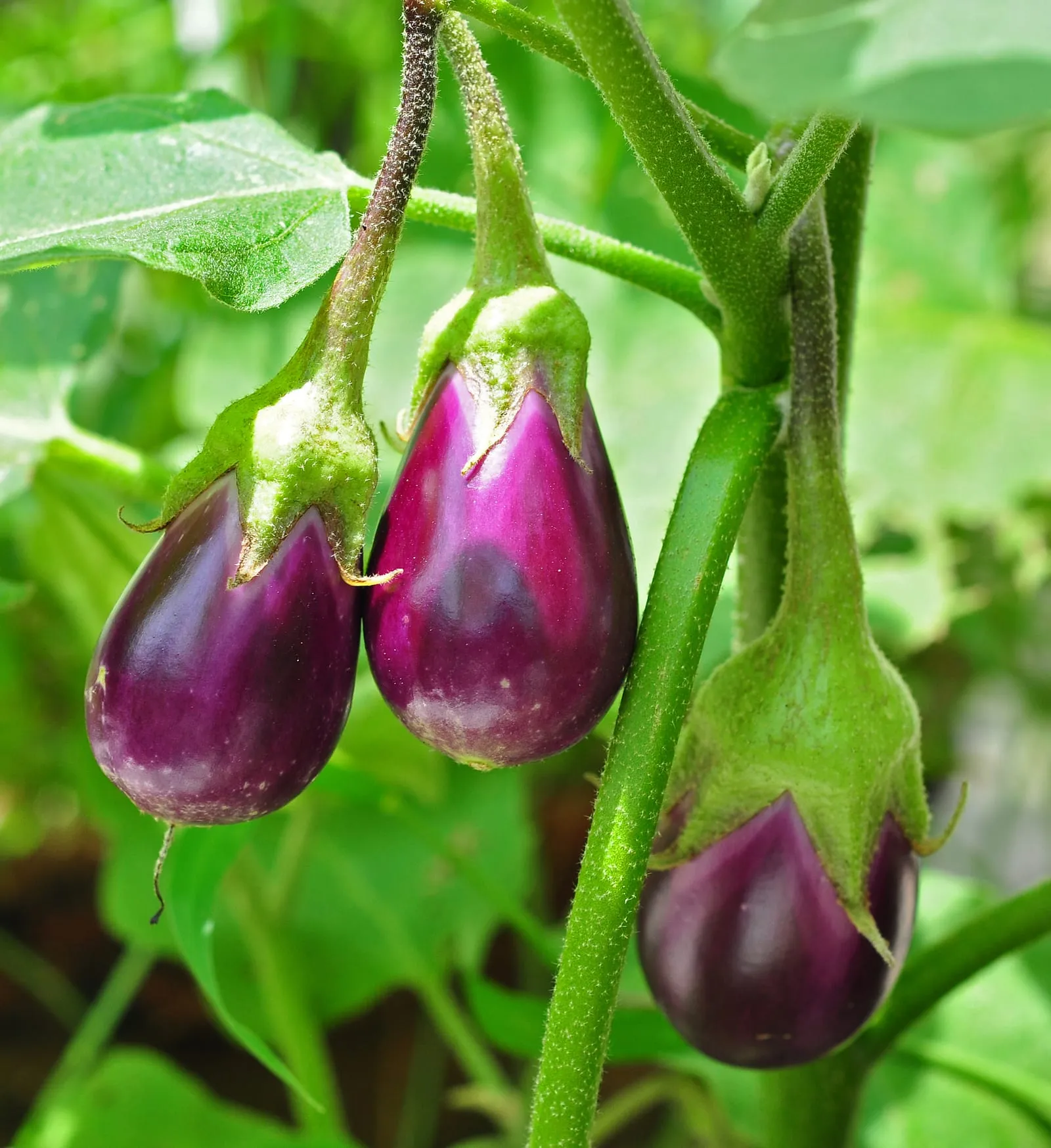
vegetable in zone 7b
Growing eggplant in zone 7b
Solanum melongena
- Zone
- 7b 5°F to 10°F
- Growing season
- 220 days
- Suitable varieties
- 4
- Days to harvest
- 70 to 100
The verdict
Eggplant is a heat-demanding annual, and zone 7b is a genuine sweet spot for it. Unlike fruit trees, eggplant has no chill-hour requirement. What it needs is a long, warm growing season with sustained soil temperatures above 60°F, and zone 7b's 220-day season delivers that comfortably. Summer highs in the piedmont routinely exceed 90°F for weeks at a stretch, which accelerates fruit set and sizing. The minimum winter temperature range of 5 to 10°F is irrelevant for an annual crop started fresh each year.
The primary constraint in this zone is not season length but pest and disease pressure. Japanese beetles, brown marmorated stink bug, and late-summer fungal buildup can significantly reduce yields if not managed. Verticillium wilt, which persists in soil, limits where eggplant can be planted in beds with a history of solanaceous crops. Given those caveats, zone 7b is productive territory for eggplant, not a marginal one.
Recommended varieties for zone 7b
4 cultivars suited to this zone, with disease-resistance and zone-fit annotations.
| Variety | Notes | Zone fit | Disease resistance |
|---|---|---|---|
| Black Beauty fits zone 7b | Mild, slightly sweet, meaty; classic large dark-purple Italian-style eggplant. Grilling, roasting, parmigiana, baba ghanoush. Heritage open-pollinated, productive once warm. | | none noted |
| Ichiban fits zone 7b | Mild, tender, thin-skinned; long slender Japanese-style eggplant. Stir-fries, grilling, miso glazes. Productive, picks continuously, less bitter than larger types. | | none noted |
| Rosa Bianca fits zone 7b | Creamy, mild, low-bitterness; pink-and-white striped Italian heirloom. Roasting, stuffing, parmigiana. Productive in warm gardens, beautiful ornamental fruit. | | none noted |
| Fairy Tale fits zone 7b | Sweet, tender, no need to peel or salt; small lavender-and-white striped fruit. Grilling whole, stir-fry, fresh. AAS winner, productive even in cool short seasons. | | none noted |
Critical timing for zone 7b
In zone 7b, seeds are typically started indoors 8 to 10 weeks before the average last frost, which falls between late March and mid-April depending on exact location within the zone. Transplants go out after that frost window closes and soil has warmed to at least 60°F, generally early to mid-May. Eggplant is slower to set fruit than tomatoes and needs several weeks of warm weather before flowering begins, usually in June.
Harvest runs from mid-July through October for most varieties. The zone's first fall frost, typically mid-October to early November, sets the hard endpoint. With 220 days of growing season, there is enough time for a full productive run without any season-extension tricks, though late planting will compress the harvest window noticeably.
Common challenges in zone 7b
- ▸ Cedar-apple rust pressure heavy in piedmont
- ▸ Japanese beetles
- ▸ Brown marmorated stink bug
- ▸ Late summer disease pressure
Disease pressure to watch for
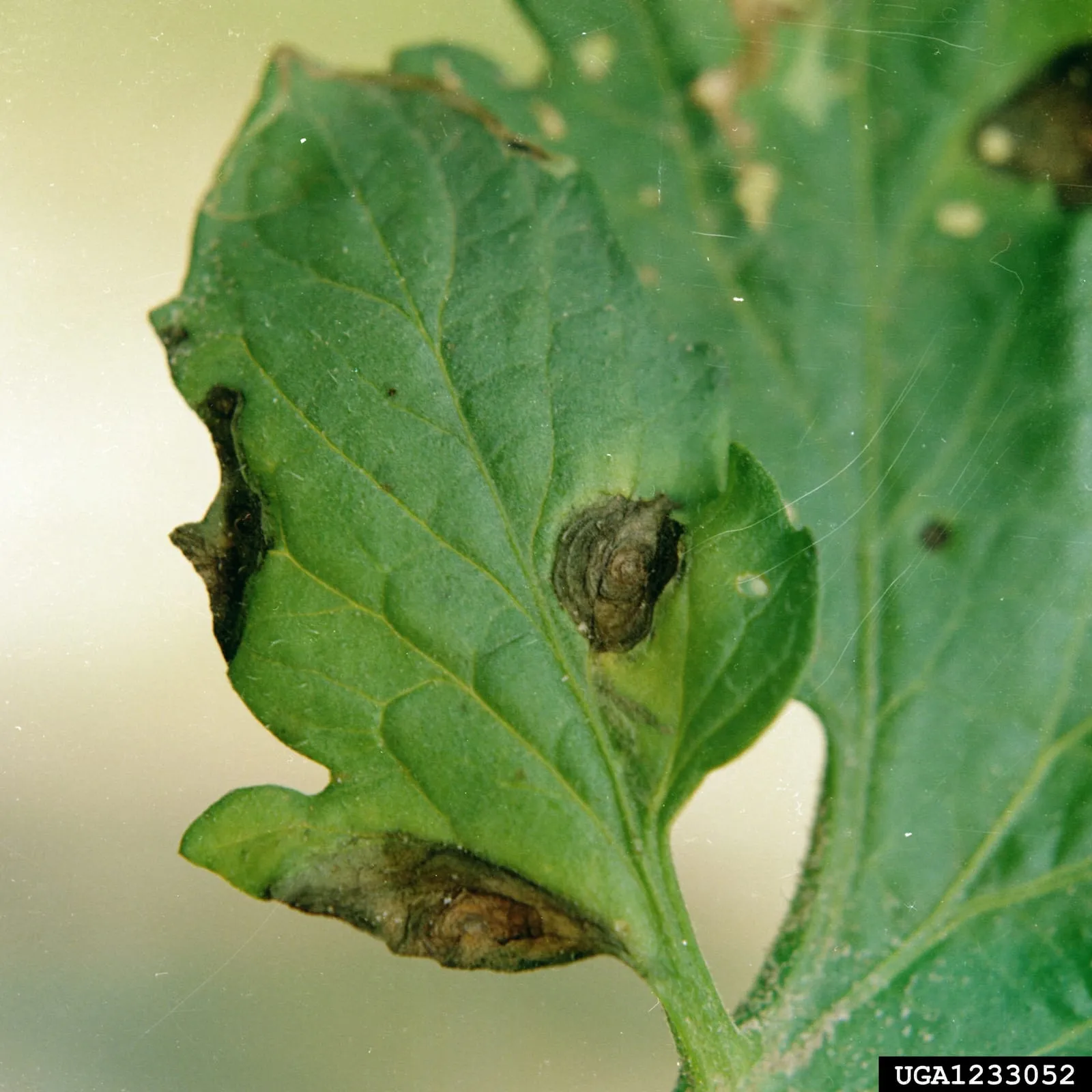
Alternaria solani
Fungal disease starting on lower leaves and progressing upward. The most common tomato and potato leaf disease in the eastern US.
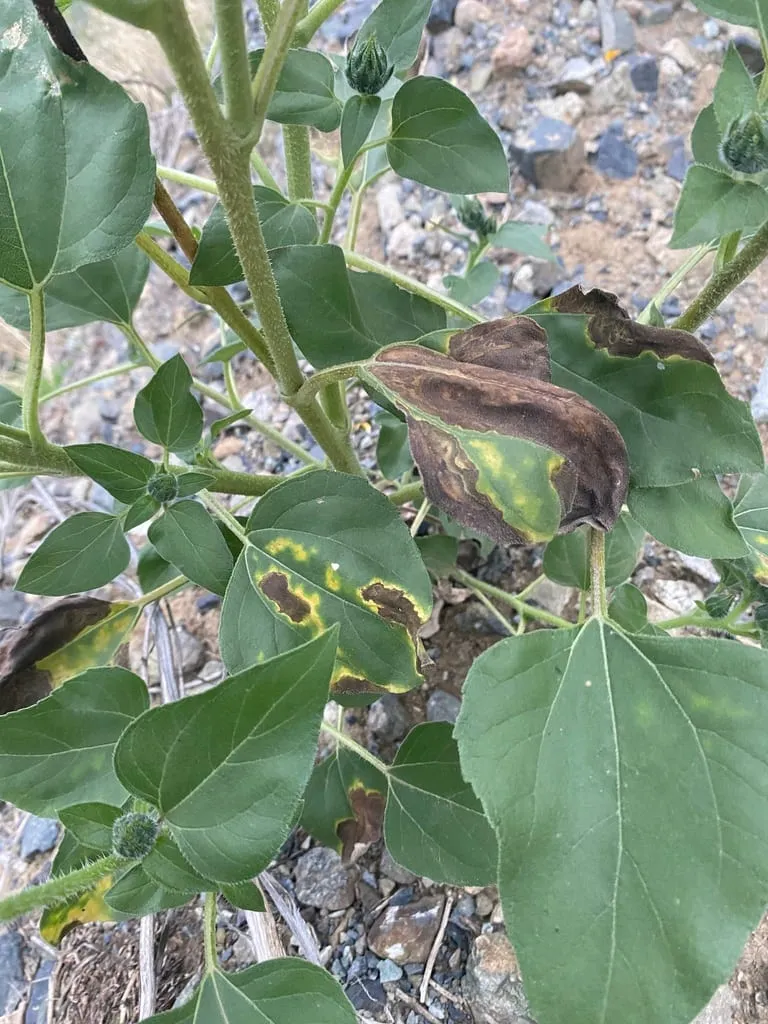
Verticillium dahliae
Soil-borne fungal disease similar to fusarium wilt but with broader host range and cooler temperature optimum. Persists in soil for 10+ years.
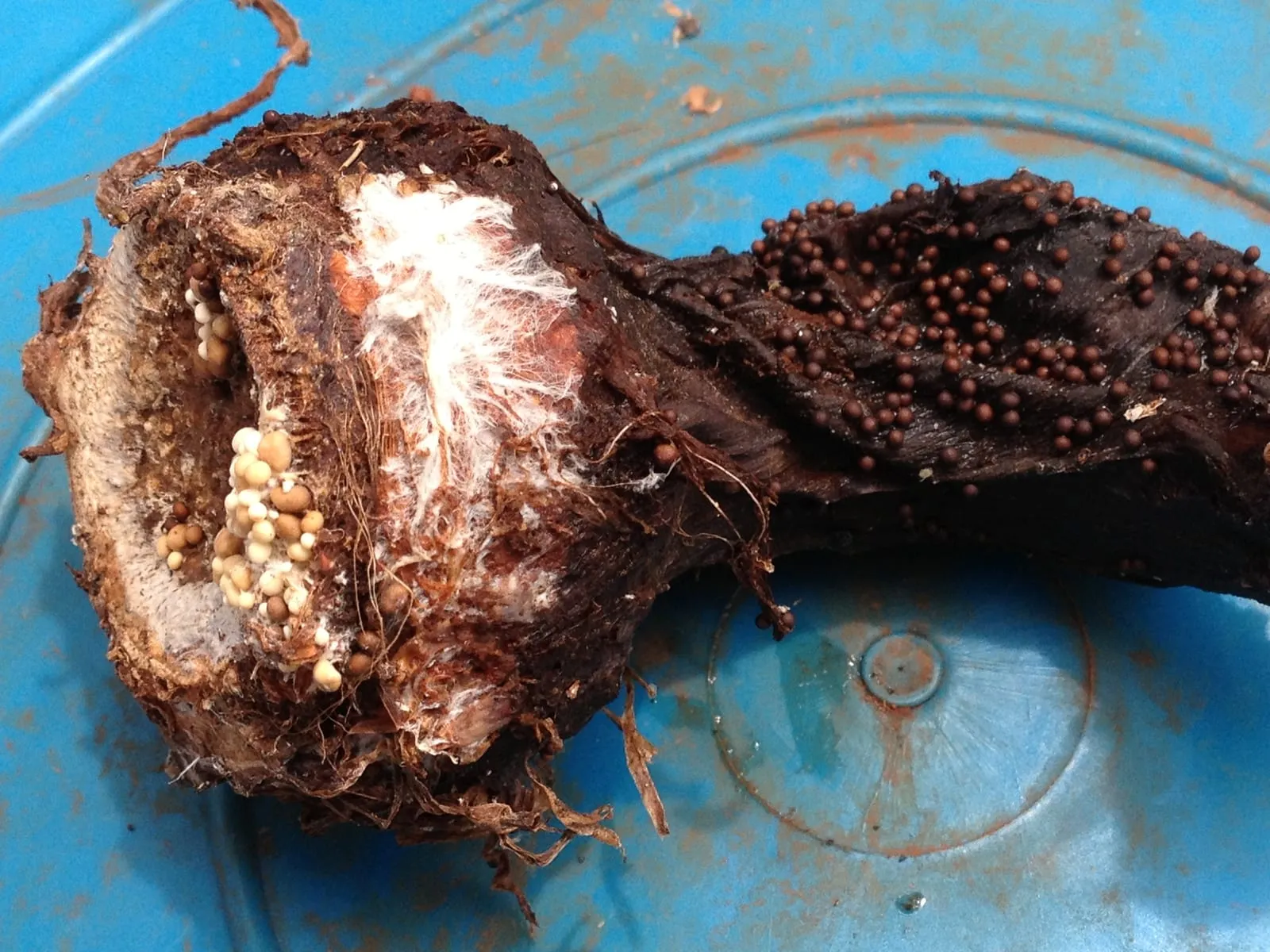
Sclerotium rolfsii
Soil-borne fungal disease most damaging in warm humid Southern conditions. White mycelial fans and small mustard-seed-sized sclerotia at the soil line are diagnostic.
Modified care for zone 7b
The two adjustments that matter most in zone 7b are pest vigilance and rotation discipline. Japanese beetles and brown marmorated stink bugs both feed heavily on eggplant foliage and fruit; monitoring should begin in early July and continue through August. Row cover provides protection during establishment but must come off at flowering.
Verticillium wilt is soil-persistent and builds up quickly where eggplant, tomatoes, or peppers are grown in the same beds year after year. A minimum three-year rotation away from solanaceous crops is a practical floor, not an optional precaution. Early blight pressure increases through August as humidity accumulates; removing lower leaves that contact the soil and maintaining airflow through the canopy slows its spread without chemical intervention. Thick mulch conserves moisture during heat spikes and is worth applying at transplant time rather than waiting until mid-summer.
Frequently asked questions
- Can eggplant overwinter in zone 7b?
No. Eggplant is a tender perennial grown as an annual in all temperate zones, including 7b. Frost will kill the plant. There is no practical way to overwinter it outdoors in this zone. Start fresh from seed or transplants each spring.
- Which eggplant varieties perform best in zone 7b's heat?
Black Beauty and Ichiban both handle zone 7b summers reliably. Ichiban, a slender Japanese type, tends to set fruit more continuously through heat spikes. Rosa Bianca and Fairy Tale are productive here as well, though Fairy Tale's smaller fruit size means it reaches harvest faster, which suits shorter planting windows.
- How do I manage stink bugs on eggplant without heavy pesticide use?
Brown marmorated stink bugs are difficult to control once established. The most effective low-spray approach is kaolin clay applied to fruit and foliage starting in early July, before populations peak. Exclusion netting over individual plants is labor-intensive but effective for small plantings. Pyrethrin sprays provide short-term knockdown but require frequent reapplication.
+−
+−
+−
Eggplant in adjacent zones
Image: "Solanum melongena 24 08 2012 (1)", by Joydeep, via Wikimedia Commons, licensed under CC-BY Source.
.JPG)
Related