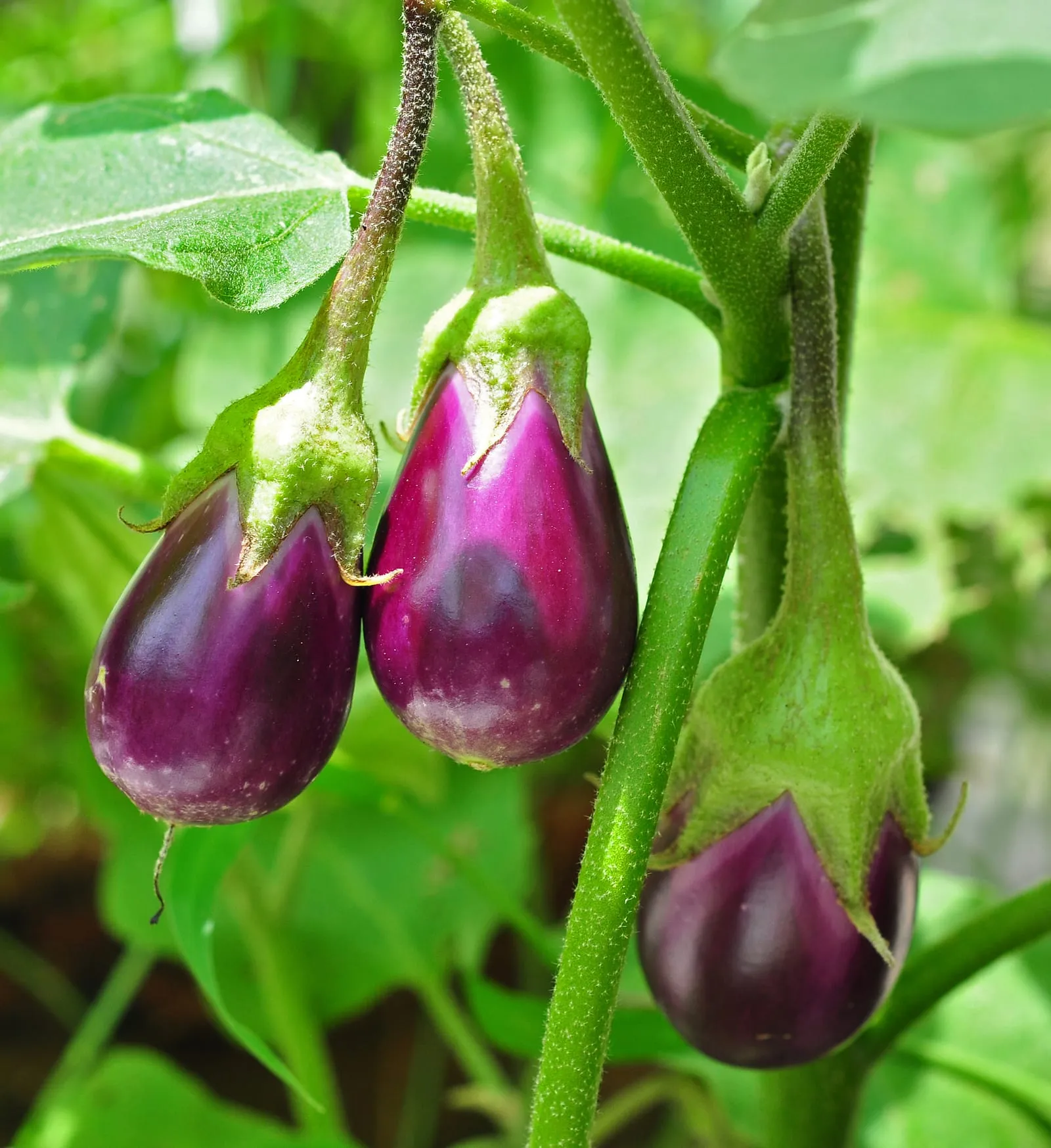
vegetable in zone 5b
Growing eggplant in zone 5b
Solanum melongena
- Zone
- 5b -15°F to -10°F
- Growing season
- 165 days
- Suitable varieties
- 3
- Days to harvest
- 70 to 100
The verdict
Eggplant is a heat-dependent crop with no chill-hour requirement, so zone suitability turns entirely on summer warmth and season length rather than winter cold. Zone 5b's 165-day growing season is technically sufficient, but eggplant is a borderline crop here, not a sweet spot. The crop originates in tropical and subtropical climates and sets fruit most reliably when daytime temperatures stay in the 75-90°F range for extended stretches. Zone 5b summers can deliver that, but the window is compressed. A cool, wet June or an early September frost can cut fruit set short before plants reach peak production. Growers in zone 5b routinely get a harvest, but the yield ceiling is lower than in zones 7 and warmer, where the same varieties produce through September and into October without interruption. Choosing shorter-season varieties is the primary adaptation that makes zone 5b eggplant viable.
Recommended varieties for zone 5b
3 cultivars suited to this zone, with disease-resistance and zone-fit annotations.
| Variety | Notes | Zone fit | Disease resistance |
|---|---|---|---|
| Black Beauty fits zone 5b | Mild, slightly sweet, meaty; classic large dark-purple Italian-style eggplant. Grilling, roasting, parmigiana, baba ghanoush. Heritage open-pollinated, productive once warm. | | none noted |
| Ichiban fits zone 5b | Mild, tender, thin-skinned; long slender Japanese-style eggplant. Stir-fries, grilling, miso glazes. Productive, picks continuously, less bitter than larger types. | | none noted |
| Fairy Tale fits zone 5b | Sweet, tender, no need to peel or salt; small lavender-and-white striped fruit. Grilling whole, stir-fry, fresh. AAS winner, productive even in cool short seasons. | | none noted |
Critical timing for zone 5b
In zone 5b, last spring frost typically falls between late April and mid-May depending on location. Eggplant cannot go into the ground until both air and soil temperatures are reliably past frost risk and soil temps have reached at least 60°F, which generally means late May transplanting. Seeds should be started indoors 8 to 10 weeks before the transplant date, putting seed-start in mid-March. Fruit set begins once plants are established and daytime temps climb into the 70s, usually mid-June to early July. Harvest runs from mid-July through early to mid-September. First fall frost in zone 5b typically arrives in late September to early October, so the productive harvest window is roughly 6 to 8 weeks, shorter than in warmer zones.
Common challenges in zone 5b
- ▸ Plum curculio
- ▸ Codling moth
- ▸ Cedar-apple rust
Disease pressure to watch for
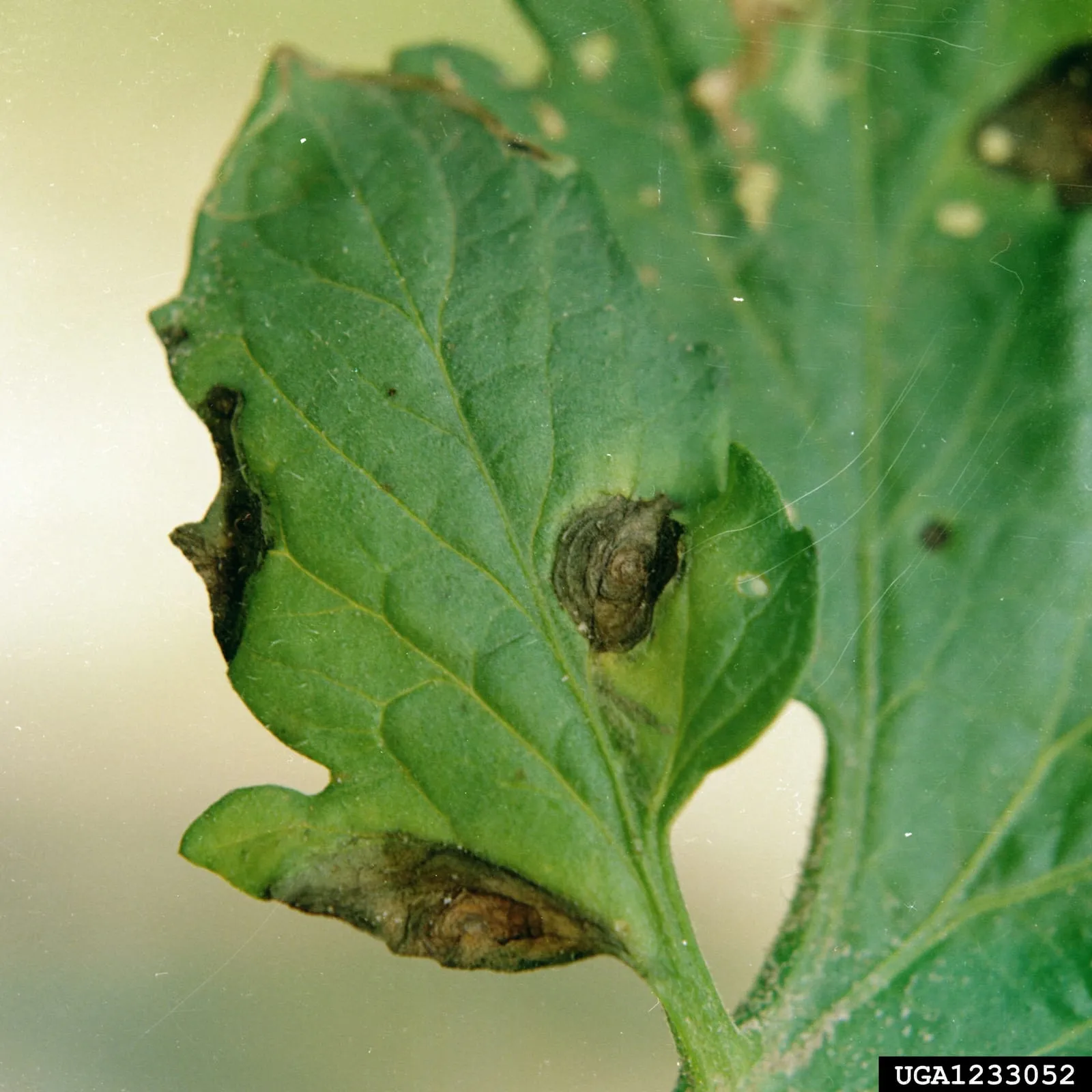
Alternaria solani
Fungal disease starting on lower leaves and progressing upward. The most common tomato and potato leaf disease in the eastern US.
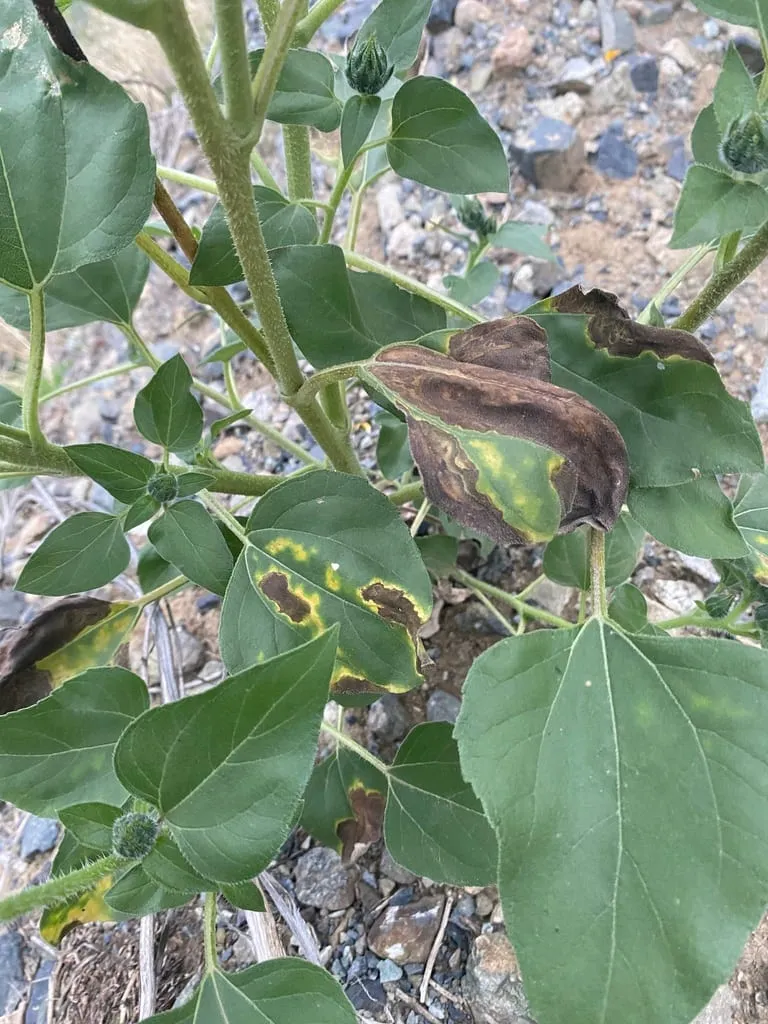
Verticillium dahliae
Soil-borne fungal disease similar to fusarium wilt but with broader host range and cooler temperature optimum. Persists in soil for 10+ years.
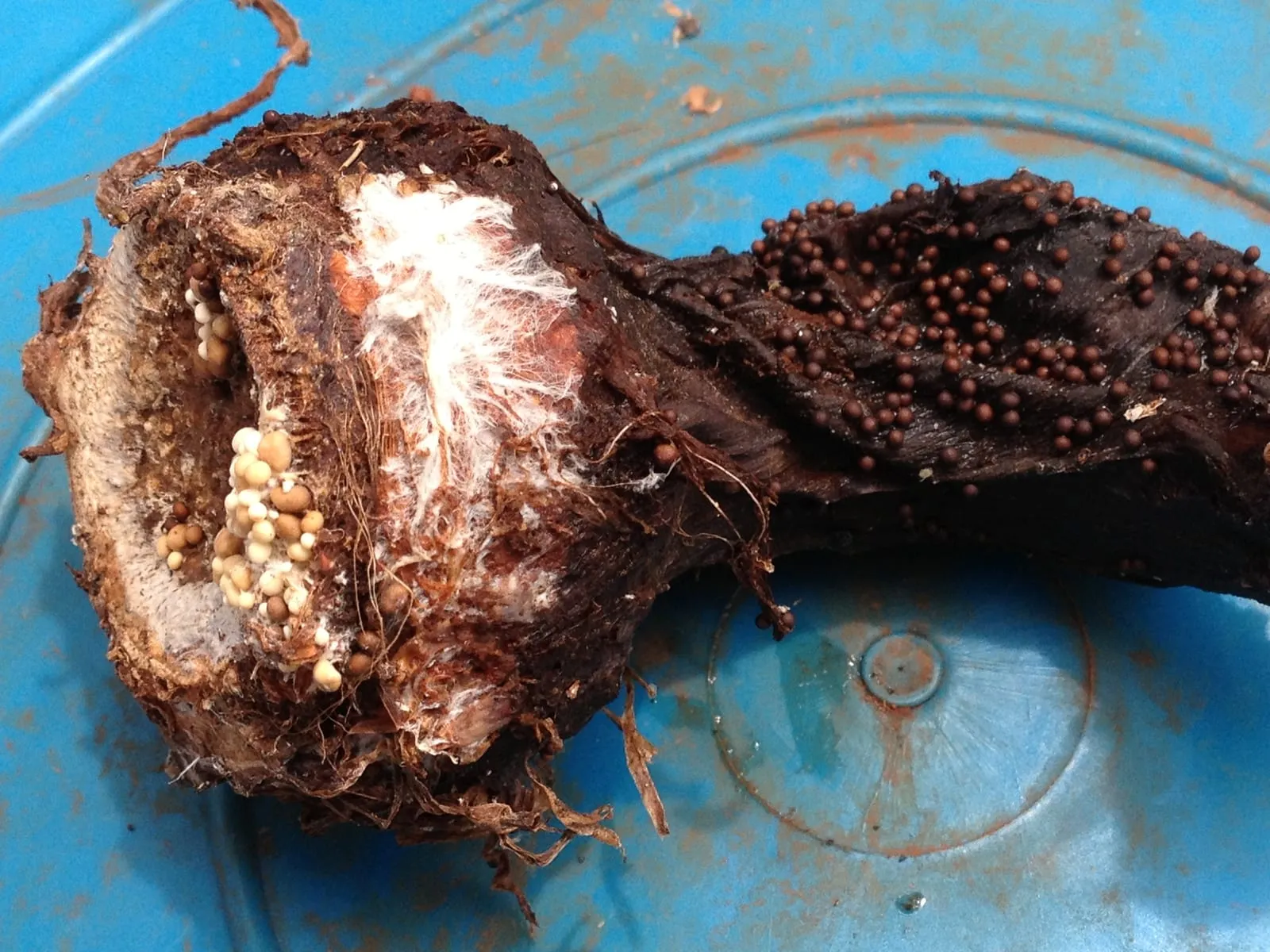
Sclerotium rolfsii
Soil-borne fungal disease most damaging in warm humid Southern conditions. White mycelial fans and small mustard-seed-sized sclerotia at the soil line are diagnostic.
Modified care for zone 5b
Black plastic mulch is close to mandatory in zone 5b. It warms the soil faster in spring and holds heat through the growing season, directly supporting fruit set on a crop that stalls in cool conditions. Row covers in the first few weeks after transplanting extend the effective warm period without risking sunscald later. Variety selection matters more here than in warmer zones: Ichiban and Fairy Tale mature faster than Black Beauty and are better suited to zone 5b's compressed season. Verticillium wilt is a persistent concern because the pathogen overwinters in soil; rotating eggplant (and other solanums) to a new bed each year is the primary management tool. Early Blight pressure increases in wet summers, so thinning for airflow and avoiding overhead irrigation reduce infection risk. Plum curculio, listed as a zone challenge, is primarily a fruit tree pest and is not a significant eggplant concern.
Frequently asked questions
- Can eggplant survive a zone 5b winter in the ground?
No. Eggplant is a tender perennial treated as an annual in all temperate climates. Zone 5b's minimum temperatures of -15 to -10°F will kill the plant outright. Start fresh from transplants each season.
- Which eggplant variety does best in zone 5b?
Shorter-season varieties outperform in zone 5b. Fairy Tale and Ichiban both mature in roughly 60 to 65 days from transplant, fitting comfortably within the zone's warm window. Black Beauty typically needs 73 to 80 days and carries more risk of frost cutting the season short.
- Does early blight on eggplant spread to tomatoes and peppers?
Yes. Early blight (Alternaria solani) infects all solanaceous crops, including tomatoes and peppers. Avoid planting these crops in the same bed in consecutive years and remove infected foliage promptly to slow spread.
+−
+−
+−
Eggplant in adjacent zones
Image: "Solanum melongena 24 08 2012 (1)", by Joydeep, via Wikimedia Commons, licensed under CC-BY Source.
.JPG)
Related