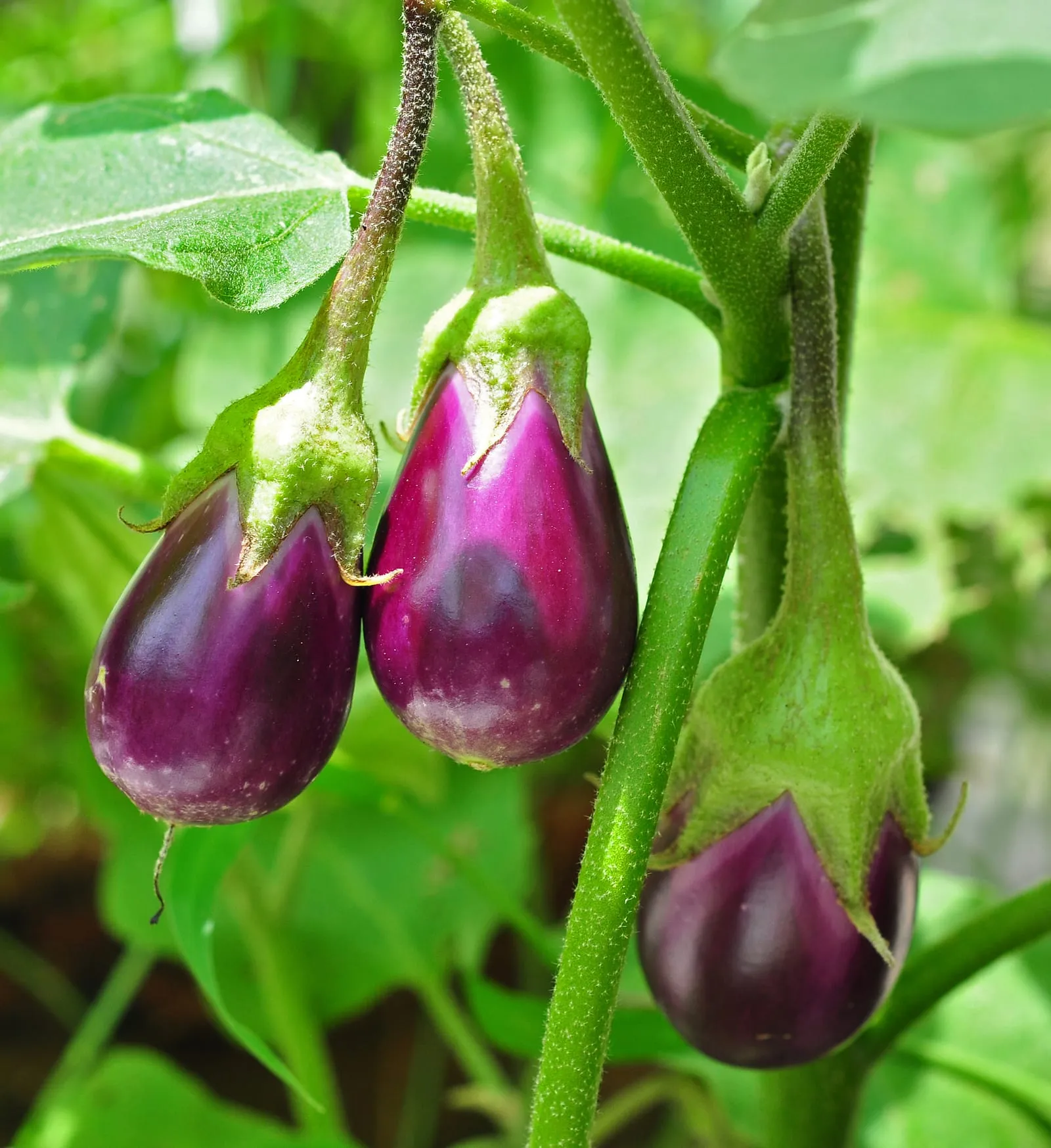
vegetable in zone 6a
Growing eggplant in zone 6a
Solanum melongena
- Zone
- 6a -10°F to -5°F
- Growing season
- 180 days
- Suitable varieties
- 4
- Days to harvest
- 70 to 100
The verdict
Eggplant can be grown successfully in zone 6a, though it requires attentive timing to work within the roughly 180-day frost-free window. The binding constraint is not winter cold (eggplant is grown as an annual and killed by frost everywhere), but the heat accumulation needed for fruit development. Most varieties need 100 to 120 days from transplant to peak harvest and perform poorly in soils below 60°F.
Zone 6a sits at the northern edge of reliable eggplant production. It is not a marginal zone so much as an unforgiving one: a late spring frost or a cool, cloudy summer can compress the harvest window significantly. Variety selection carries more weight here than in warmer zones. Ichiban and Fairy Tale mature 10 to 20 days faster than large-fruited types like Black Beauty, and that difference is often the margin between a productive season and a marginal one. Rosa Bianca is worth growing for flavor, though its somewhat longer maturity timeline warrants an early start indoors.
Recommended varieties for zone 6a
4 cultivars suited to this zone, with disease-resistance and zone-fit annotations.
| Variety | Notes | Zone fit | Disease resistance |
|---|---|---|---|
| Black Beauty fits zone 6a | Mild, slightly sweet, meaty; classic large dark-purple Italian-style eggplant. Grilling, roasting, parmigiana, baba ghanoush. Heritage open-pollinated, productive once warm. | | none noted |
| Ichiban fits zone 6a | Mild, tender, thin-skinned; long slender Japanese-style eggplant. Stir-fries, grilling, miso glazes. Productive, picks continuously, less bitter than larger types. | | none noted |
| Rosa Bianca fits zone 6a | Creamy, mild, low-bitterness; pink-and-white striped Italian heirloom. Roasting, stuffing, parmigiana. Productive in warm gardens, beautiful ornamental fruit. | | none noted |
| Fairy Tale fits zone 6a | Sweet, tender, no need to peel or salt; small lavender-and-white striped fruit. Grilling whole, stir-fry, fresh. AAS winner, productive even in cool short seasons. | | none noted |
Critical timing for zone 6a
Last spring frost in zone 6a falls between late April and mid-May in most locations, with higher-elevation and north-facing sites trending later. Eggplant cannot be transplanted until soil temperatures reach 60°F consistently, which typically means late May across the zone.
Starting transplants indoors 8 to 10 weeks before the last frost date puts the seeding window in late February to early March. Flowering generally begins 60 to 75 days after transplanting, placing first bloom in late July for most zone 6a locations. Fruit set and development peak through August. Harvest typically runs mid-August through mid-September, with first fall frost (commonly mid-October in zone 6a) ending production. Growers at the cooler end of the zone should favor faster-maturing varieties to avoid losing fruit to frost while still on the plant.
Common challenges in zone 6a
- ▸ Brown rot in stone fruit
- ▸ Japanese beetles
- ▸ Spring frost damage to peach buds
Disease pressure to watch for
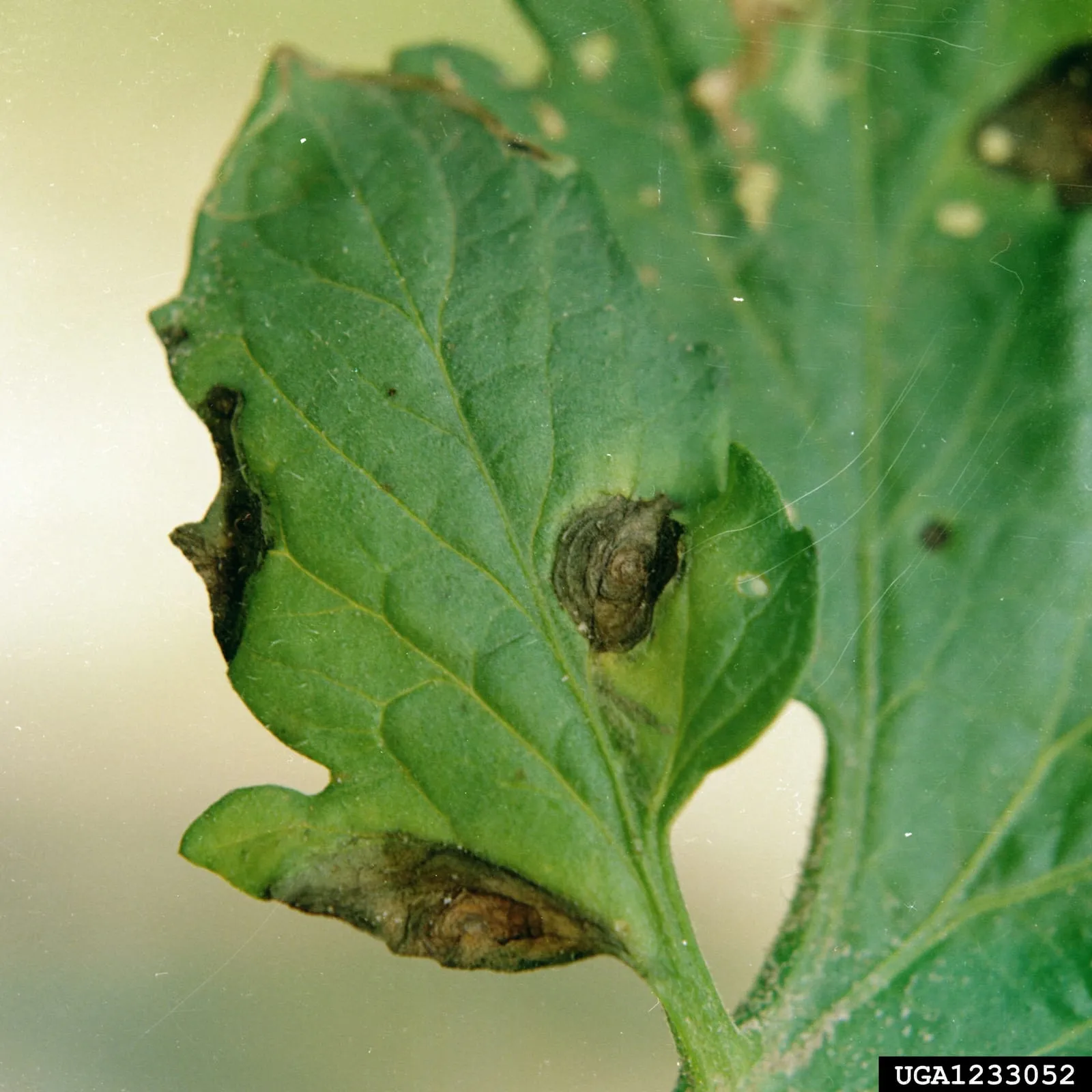
Alternaria solani
Fungal disease starting on lower leaves and progressing upward. The most common tomato and potato leaf disease in the eastern US.
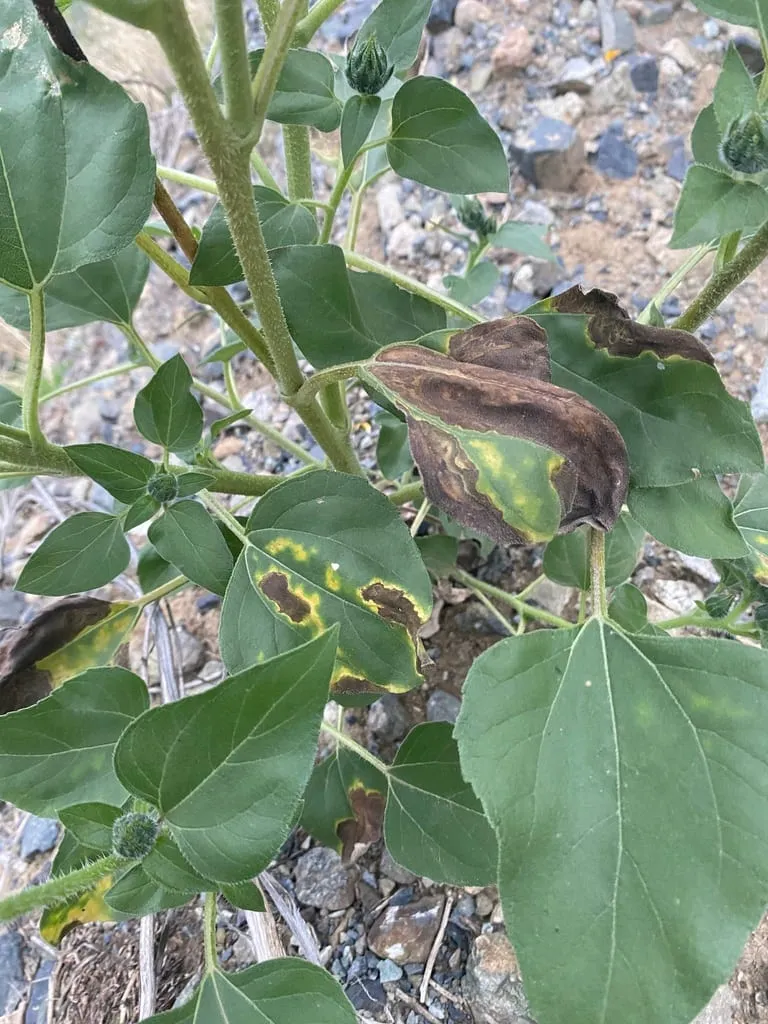
Verticillium dahliae
Soil-borne fungal disease similar to fusarium wilt but with broader host range and cooler temperature optimum. Persists in soil for 10+ years.
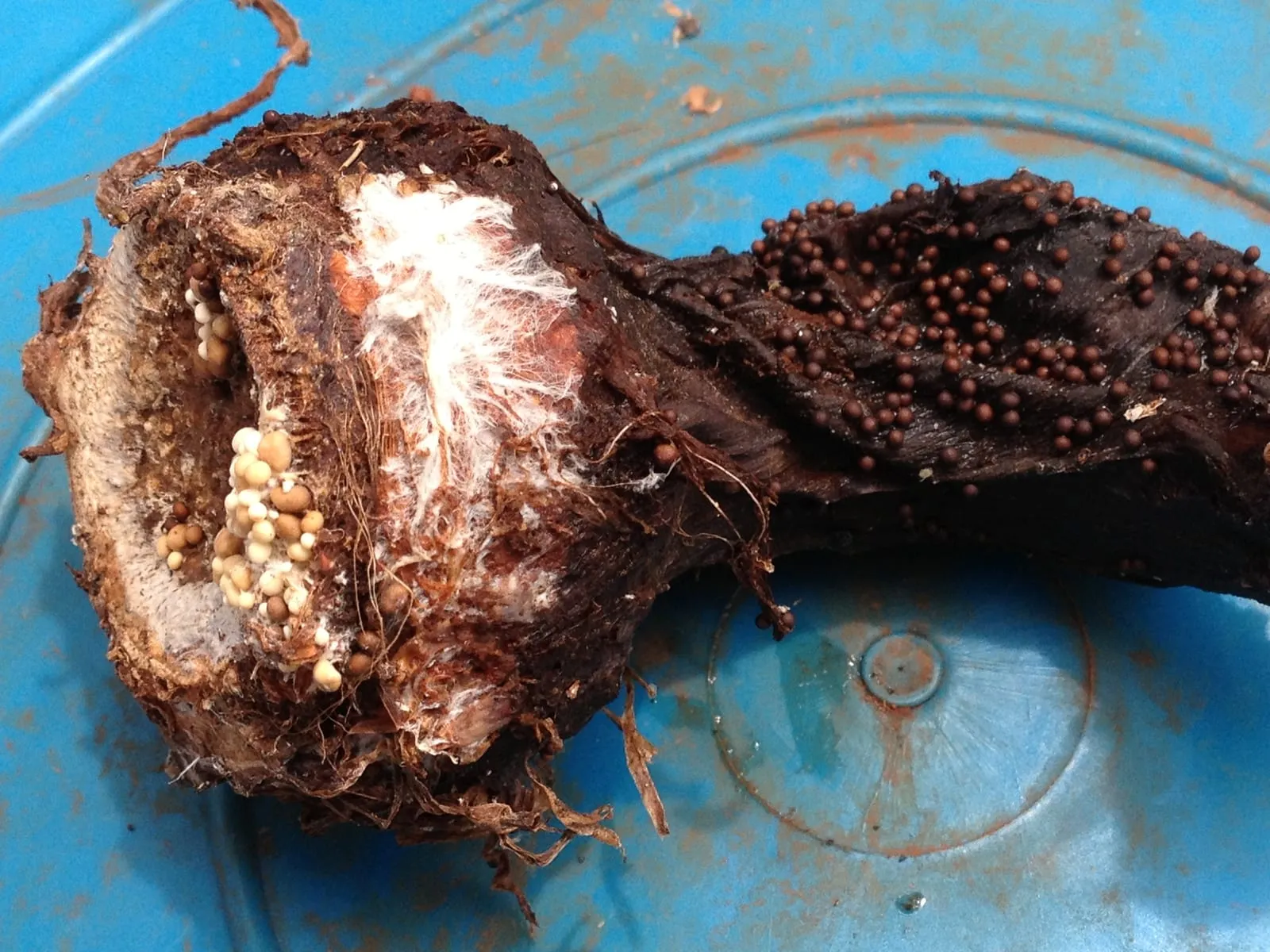
Sclerotium rolfsii
Soil-borne fungal disease most damaging in warm humid Southern conditions. White mycelial fans and small mustard-seed-sized sclerotia at the soil line are diagnostic.
Modified care for zone 6a
Soil warming is the highest-leverage early-season intervention in zone 6a. Black plastic mulch raises soil temperature 2 to 4°F and meaningfully accelerates establishment after transplanting, which matters when the growing window is already short.
Verticillium wilt, caused by Verticillium dahliae, is a persistent challenge in beds that have hosted tomatoes, peppers, or potatoes in recent seasons. Rotating eggplant to a new bed every 3 to 4 years reduces soilborne inoculum more reliably than reactive treatments. Early blight pressure increases in late summer as temperatures moderate and humidity rises; removing lower leaves showing lesions slows disease progression.
Japanese beetle feeding can cause significant defoliation from late June through August in zone 6a. At small planting scales, hand-removal is effective during peak emergence. Row cover provides reliable protection but must be removed when plants are flowering to allow pollination.
Frequently asked questions
- Is zone 6a too cold for eggplant?
Zone 6a is not too cold for eggplant, since it is grown as a warm-season annual everywhere and winter temperatures are irrelevant to production. The real challenge is the shorter growing season. With transplants started indoors in late February and set out in late May, most zone 6a locations can support a 6 to 8 week harvest window.
- Which eggplant varieties perform best in zone 6a?
Fast-maturing varieties give the most reliable results in zone 6a. Ichiban and Fairy Tale reach harvest 10 to 20 days sooner than large-fruited types like Black Beauty, which matters at this latitude. Rosa Bianca produces well with an early indoor start but is better suited to growers who can provide a reliable late-May transplant date.
- How do I prevent Verticillium wilt in zone 6a eggplant beds?
Crop rotation is the most effective prevention. Avoid planting eggplant in beds that grew tomatoes, peppers, potatoes, or other solanaceous crops within the past 3 to 4 years. Verticillium persists in soil; fungicide applications are generally ineffective against established infections.
- When should I start eggplant seeds indoors in zone 6a?
Start seeds 8 to 10 weeks before the last expected frost date. In most zone 6a locations, that means late February to early March. Eggplant germinates best at soil temperatures of 80 to 90°F, so bottom heat significantly improves germination speed and uniformity.
+−
+−
+−
+−
Eggplant in adjacent zones
Image: "Solanum melongena 24 08 2012 (1)", by Joydeep, via Wikimedia Commons, licensed under CC-BY Source.
.JPG)
Related