vegetable in zone 6b
Growing eggplant in zone 6b
Solanum melongena
- Zone
- 6b -5°F to 0°F
- Growing season
- 190 days
- Suitable varieties
- 4
- Days to harvest
- 70 to 100
The verdict
Zone 6b sits at the cooler edge of eggplant's viable range in North America. Unlike tree fruits, eggplant has no chill-hour requirement; the relevant metric is accumulated heat. Eggplant needs sustained soil temperatures above 60°F to establish and air temperatures consistently in the 70-85°F range for reliable fruit set. Zone 6b's 190-day growing season provides sufficient calendar time, but not all of those days are warm enough for strong performance. Late springs and cool August nights can compress the effective fruiting window to 60-90 days depending on the specific year.
Black Beauty and Fairy Tale are better suited to shorter warm periods; Ichiban and Rosa Bianca produce best when heat accumulation is generous. Growers on south-facing slopes or in heat-absorbing urban lots consistently outperform those on flat, open sites. This is a workable zone for eggplant, not a sweet spot. Consistent success requires attentive timing and site selection rather than passive planting.
Recommended varieties for zone 6b
4 cultivars suited to this zone, with disease-resistance and zone-fit annotations.
| Variety | Notes | Zone fit | Disease resistance |
|---|---|---|---|
| Black Beauty fits zone 6b | Mild, slightly sweet, meaty; classic large dark-purple Italian-style eggplant. Grilling, roasting, parmigiana, baba ghanoush. Heritage open-pollinated, productive once warm. | | none noted |
| Ichiban fits zone 6b | Mild, tender, thin-skinned; long slender Japanese-style eggplant. Stir-fries, grilling, miso glazes. Productive, picks continuously, less bitter than larger types. | | none noted |
| Rosa Bianca fits zone 6b | Creamy, mild, low-bitterness; pink-and-white striped Italian heirloom. Roasting, stuffing, parmigiana. Productive in warm gardens, beautiful ornamental fruit. | | none noted |
| Fairy Tale fits zone 6b | Sweet, tender, no need to peel or salt; small lavender-and-white striped fruit. Grilling whole, stir-fry, fresh. AAS winner, productive even in cool short seasons. | | none noted |
Critical timing for zone 6b
Eggplant requires 8-10 weeks of indoor seed starting before outdoor transplanting. In zone 6b, that means starting seeds in late February to early March for transplanting in early to mid-May, after last frost risk has passed and soil has warmed. Fruit set runs through summer, with harvest beginning roughly 70-85 days after transplanting, typically mid-July through September.
The first fall frost in mid-October closes the window hard. Fruit still sizing up at that point will not reach maturity. Row covers can extend harvest by two to three weeks on either end of the season, which matters more in zone 6b than in warmer regions where the warm window is not the limiting factor.
Common challenges in zone 6b
- ▸ Cedar-apple rust
- ▸ Fire blight
- ▸ Stink bugs
Disease pressure to watch for
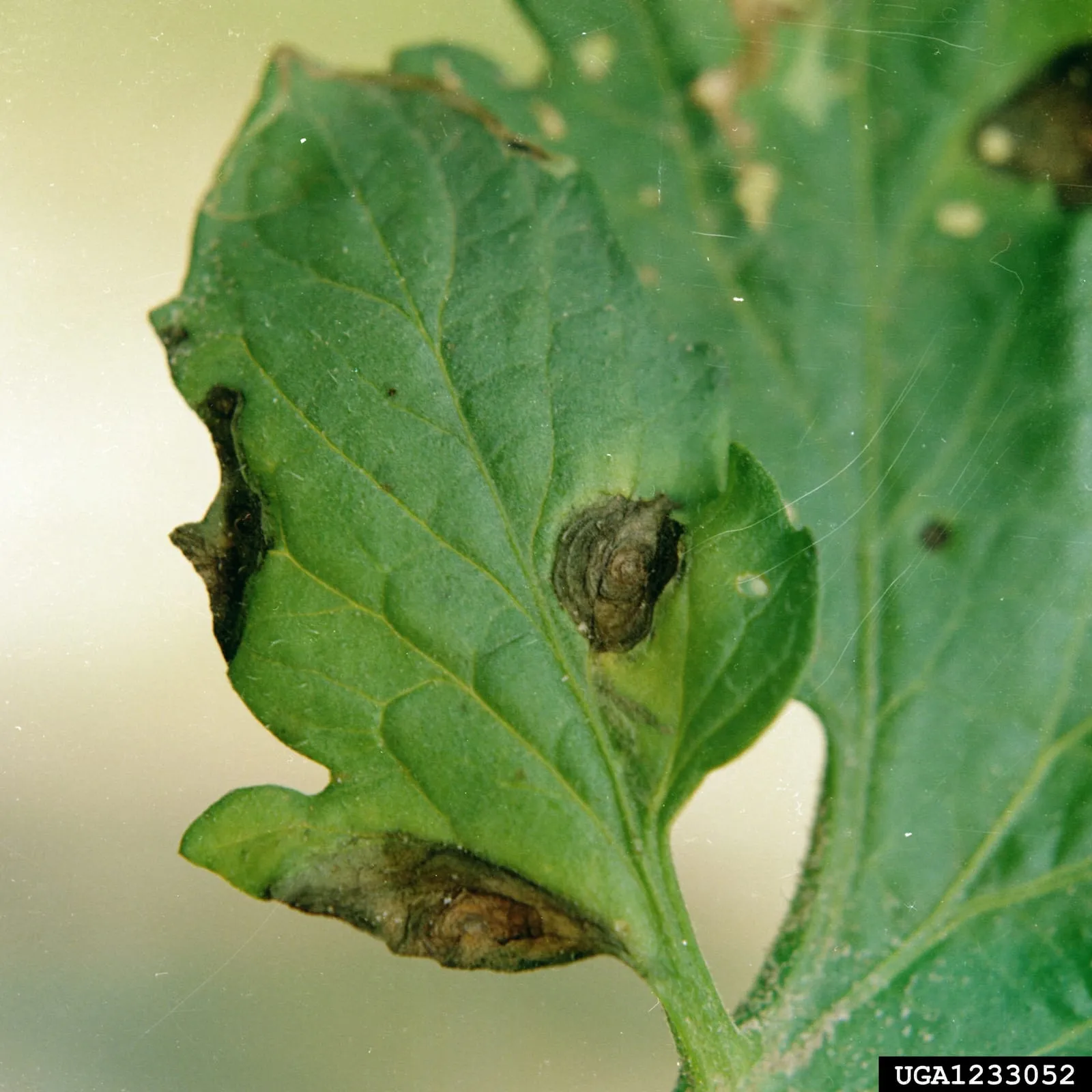
Alternaria solani
Fungal disease starting on lower leaves and progressing upward. The most common tomato and potato leaf disease in the eastern US.
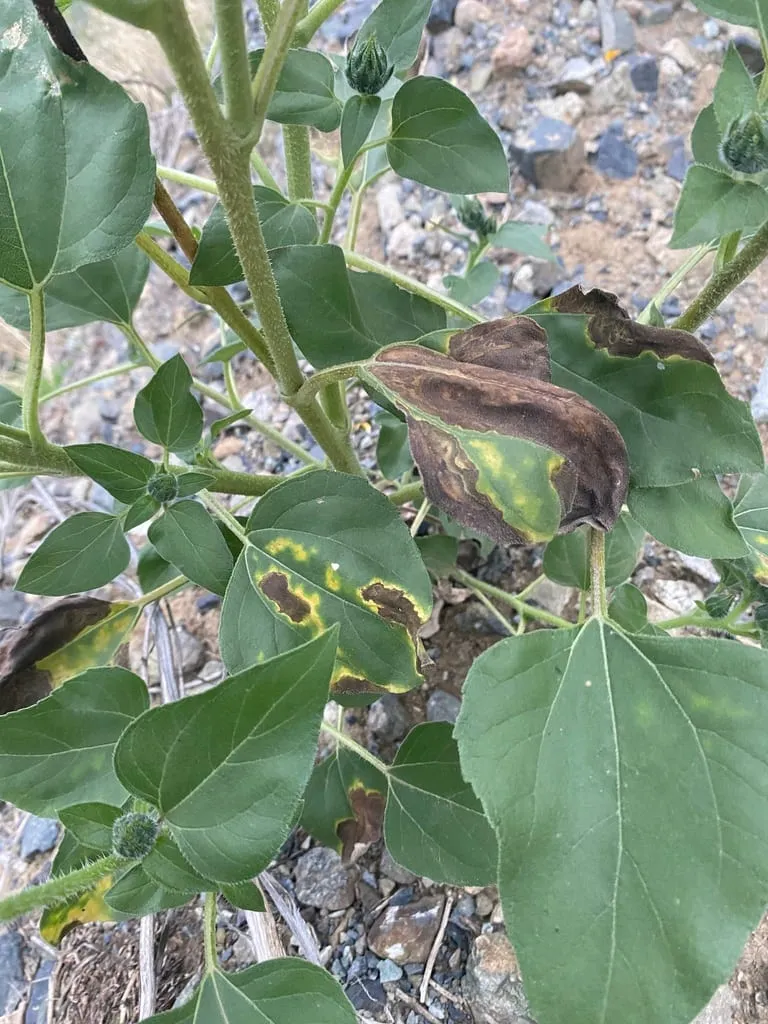
Verticillium dahliae
Soil-borne fungal disease similar to fusarium wilt but with broader host range and cooler temperature optimum. Persists in soil for 10+ years.
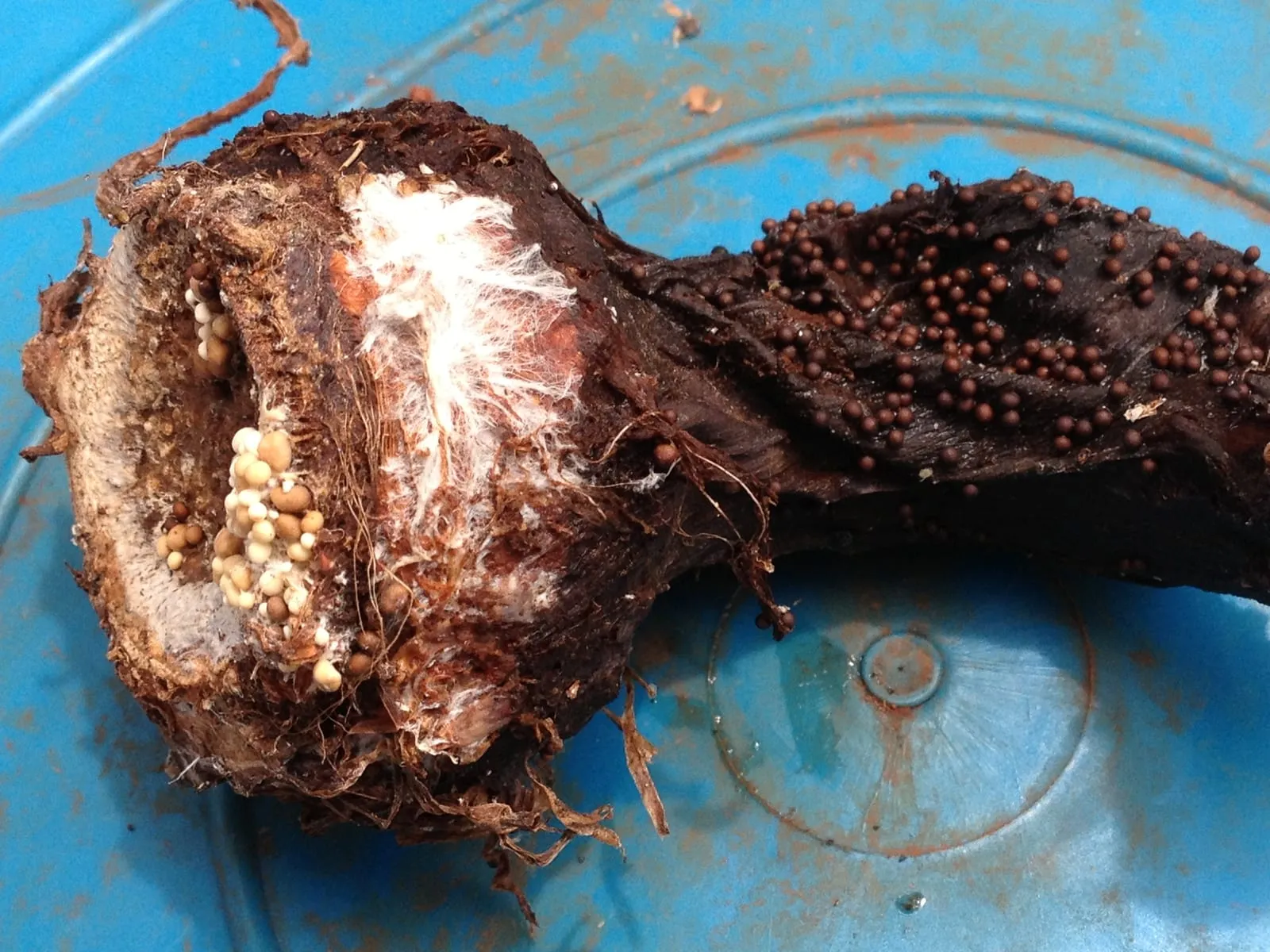
Sclerotium rolfsii
Soil-borne fungal disease most damaging in warm humid Southern conditions. White mycelial fans and small mustard-seed-sized sclerotia at the soil line are diagnostic.
Modified care for zone 6b
Black plastic mulch is worth the effort in zone 6b. It raises soil temperature 5-10°F and significantly reduces the transplant stall that occurs when eggplant is set into ground still below 60°F. Transplants that stall in cold soil often never recover full vigor.
Early Blight (Alternaria solani) tends to arrive in late July and August, just as plants hit peak production. In wet summers, a preventive fungicide rotation beginning at first fruit set reduces defoliation during the harvest window. Verticillium Wilt is soilborne and persistent; avoid planting eggplant, tomatoes, or peppers in any bed where wilting occurred in prior seasons, as zone 6b's cooler soil does not suppress the pathogen between seasons.
Stink bugs become significant feeders in late summer when fruit is sizing. Floating row covers earlier in the season limit colonization; remove them once harvest access is needed and monitor closely from late July onward.
Frequently asked questions
- Is zone 6b too cold for eggplant?
Zone 6b is not too cold, but it is on the cooler margin of eggplant's productive range. The limiting factor is not winter cold but the length and warmth of the summer growing window. Starting seeds indoors 8-10 weeks before last frost and using black plastic mulch to warm the soil are the two practices most likely to determine success or failure.
- Which eggplant varieties perform best in zone 6b?
Black Beauty and Fairy Tale are reliable choices because they tolerate shorter warm periods better than large-fruited Italian types. Ichiban and Rosa Bianca can produce well in zone 6b but benefit from the warmest available microsite and consistent soil moisture.
- How do I prevent Verticillium Wilt in zone 6b?
Verticillium Wilt is soilborne and has no cure once established. The only practical management is crop rotation: avoid planting eggplant, tomatoes, or peppers in the same bed more than once every three to four years. Zone 6b's cooler soils do not naturally suppress the pathogen between seasons.
+−
+−
+−
Eggplant in adjacent zones
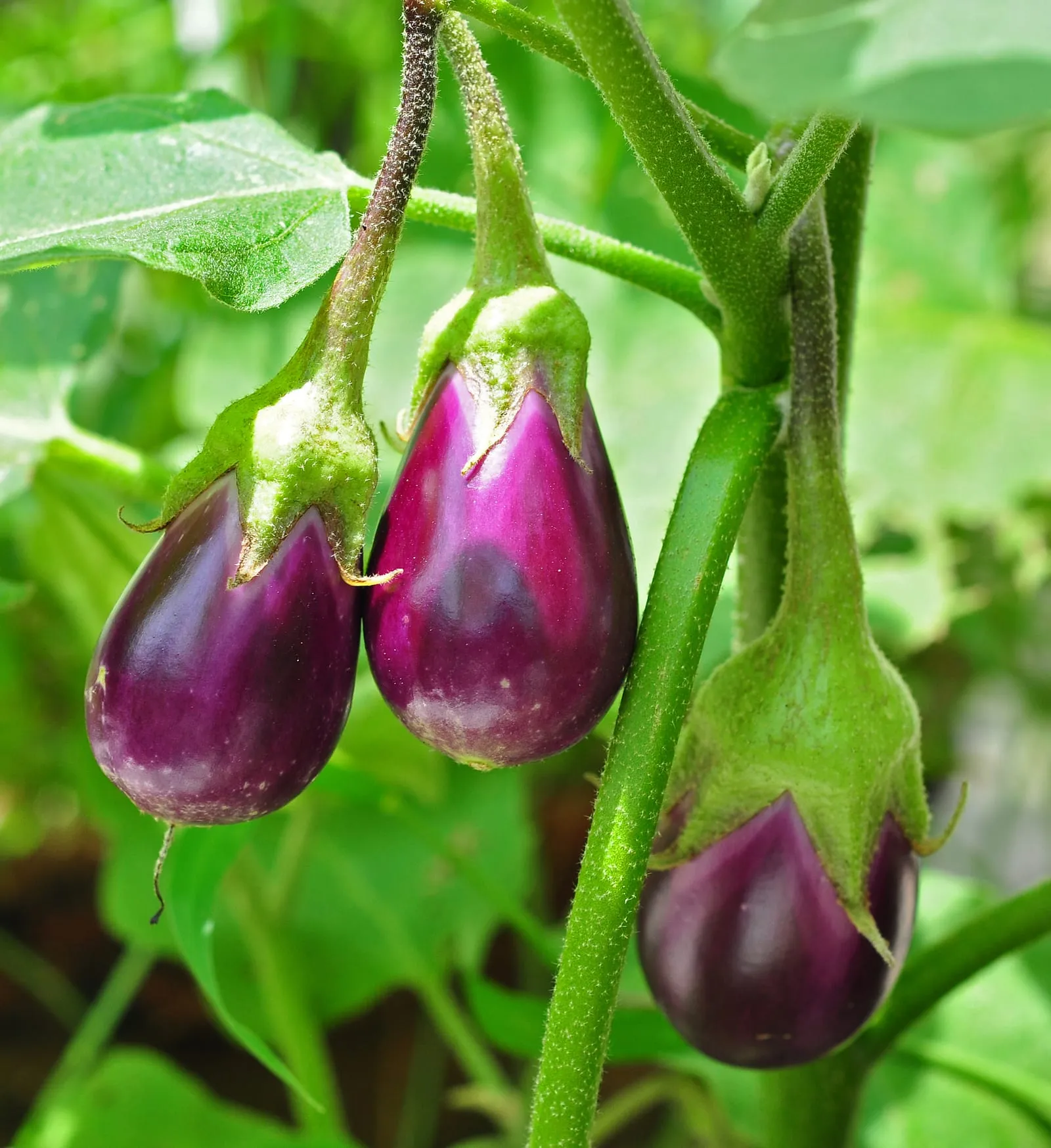
Image: "Solanum melongena 24 08 2012 (1)", by Joydeep, via Wikimedia Commons, licensed under CC-BY Source.
.JPG)
Related