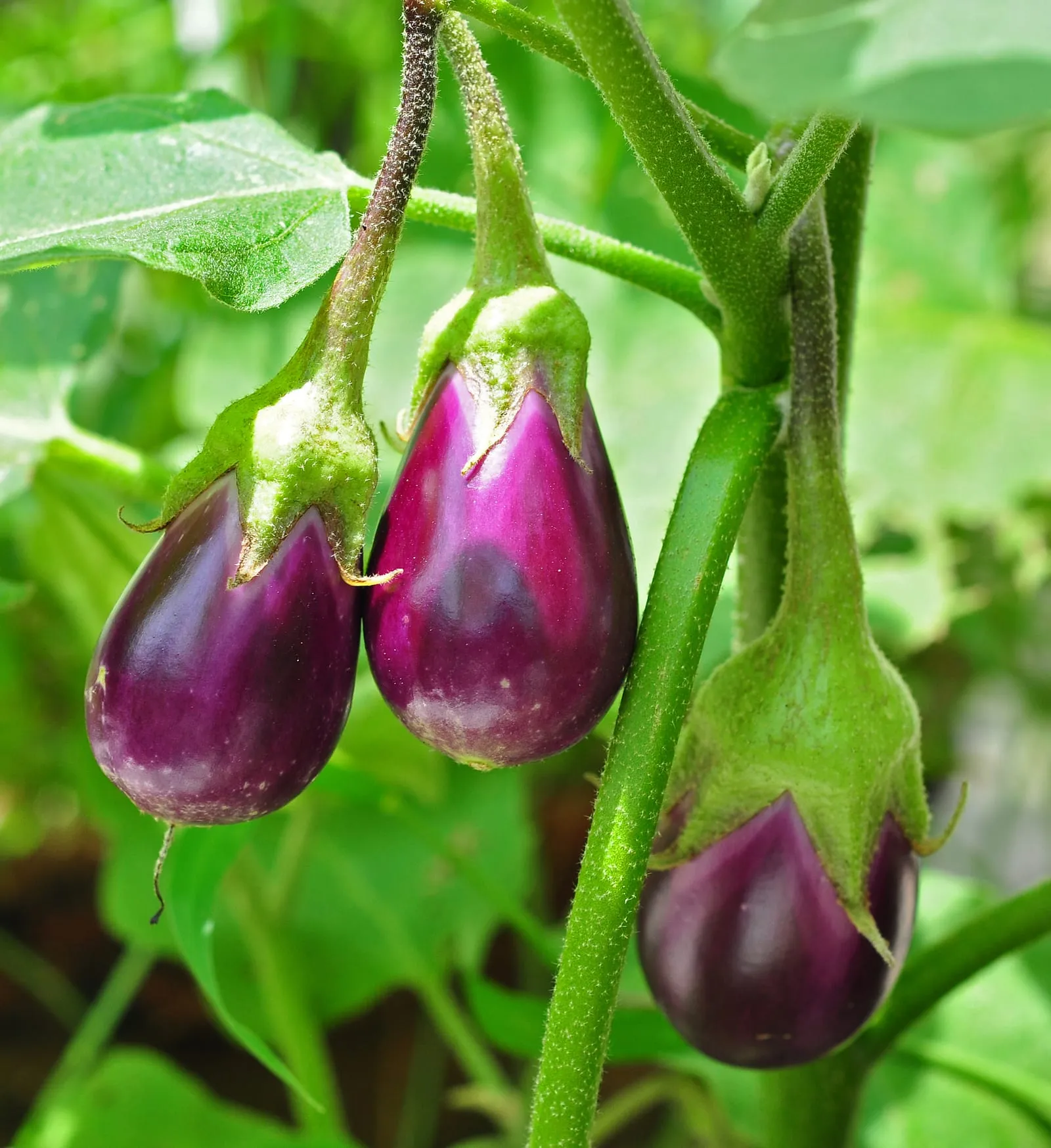
vegetable in zone 5a
Growing eggplant in zone 5a
Solanum melongena
- Zone
- 5a -20°F to -15°F
- Growing season
- 150 days
- Suitable varieties
- 2
- Days to harvest
- 70 to 100
The verdict
Eggplant is heat-loving and zone 5a sits at the cool edge of its viable range. Unlike fruit trees, eggplant has no chill-hour requirement; the binding constraint is heat accumulation and season length. Zone 5a's 150-day frost-free window is workable, but only with short-to-medium-season varieties. Ichiban (typically 61 days from transplant to harvest) and Fairy Tale (around 50 days) are well-matched to this constraint, finishing before early fall cold arrives. Full-season Italian globe types that need 80 or more days from transplant carry meaningful risk of a frost cutoff before peak production. Zone 5a is not a sweet spot for eggplant, but it is not truly marginal either, provided growers choose accordingly and start plants indoors early. Success depends more on soil warmth and variety selection than on the calendar date alone.
Recommended varieties for zone 5a
2 cultivars suited to this zone, with disease-resistance and zone-fit annotations.
| Variety | Notes | Zone fit | Disease resistance |
|---|---|---|---|
| Ichiban fits zone 5a | Mild, tender, thin-skinned; long slender Japanese-style eggplant. Stir-fries, grilling, miso glazes. Productive, picks continuously, less bitter than larger types. | | none noted |
| Fairy Tale fits zone 5a | Sweet, tender, no need to peel or salt; small lavender-and-white striped fruit. Grilling whole, stir-fry, fresh. AAS winner, productive even in cool short seasons. | | none noted |
Critical timing for zone 5a
Seed starting in zone 5a belongs in early to mid-March, 8 to 10 weeks before the typical last frost date of around May 10 to May 15. Transplants go out no earlier than late May, once soil temperatures reach 60°F at 4-inch depth. Eggplant sets flower buds reliably in July when daytime highs consistently exceed 75°F. Harvest on Fairy Tale runs from mid-July onward under good conditions; Ichiban typically peaks through August. Late spring frosts, a documented challenge in this zone, can damage transplants set out prematurely, so soil temperature is a more reliable planting trigger than the date alone. The season closes with the first hard frost, which arrives in zone 5a around mid-October, leaving an 8-to-10-week harvest window for early-variety plants established on schedule.
Common challenges in zone 5a
- ▸ Fire blight in pears
- ▸ Cedar-apple rust
- ▸ Late spring frosts
Disease pressure to watch for
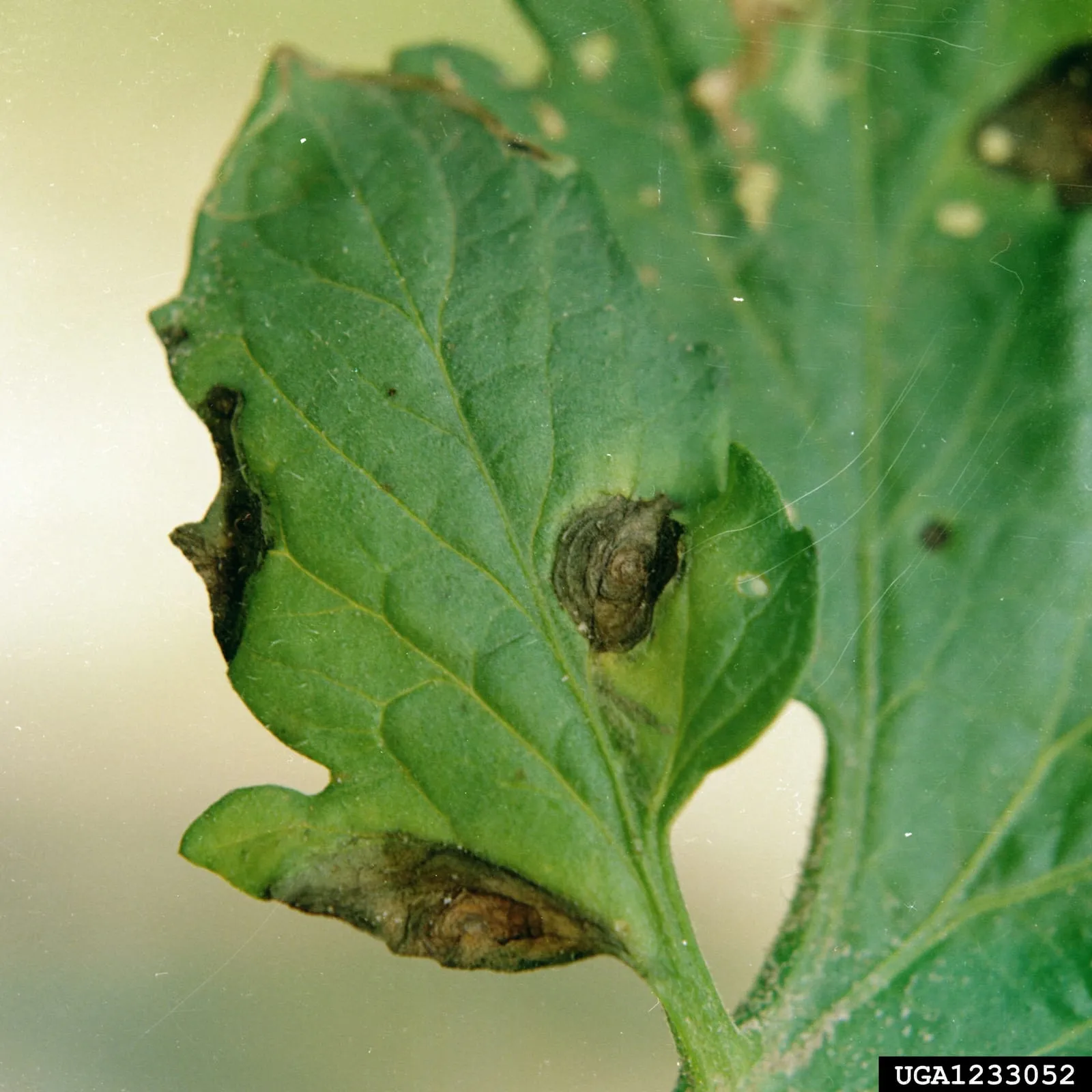
Alternaria solani
Fungal disease starting on lower leaves and progressing upward. The most common tomato and potato leaf disease in the eastern US.
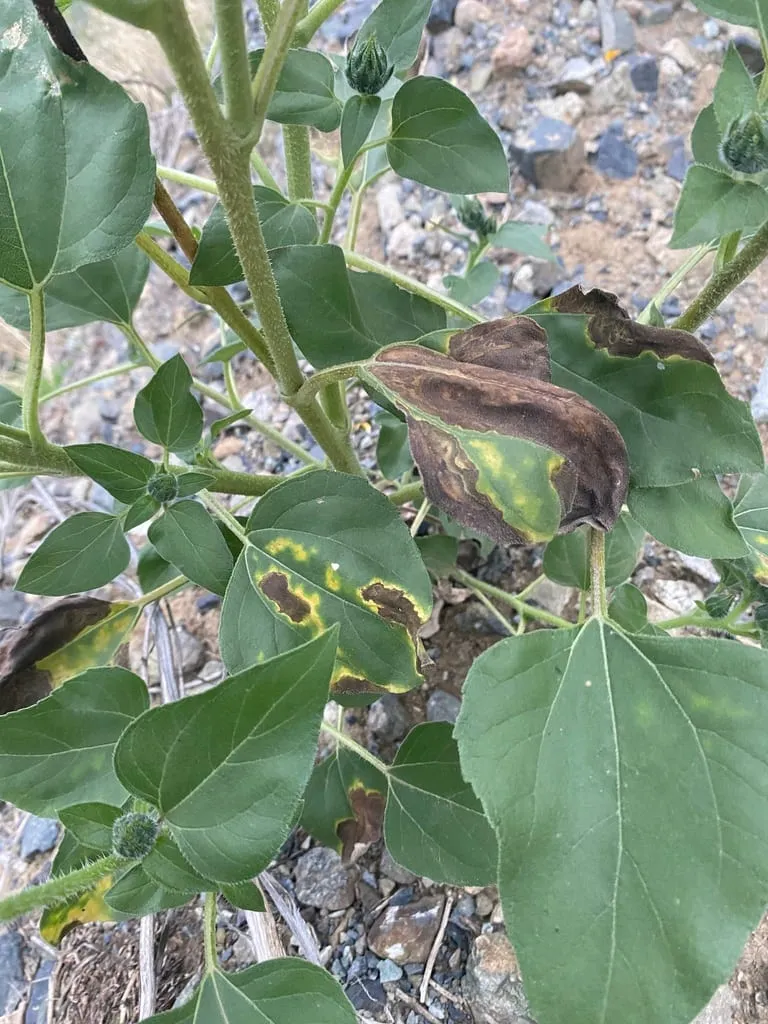
Verticillium dahliae
Soil-borne fungal disease similar to fusarium wilt but with broader host range and cooler temperature optimum. Persists in soil for 10+ years.
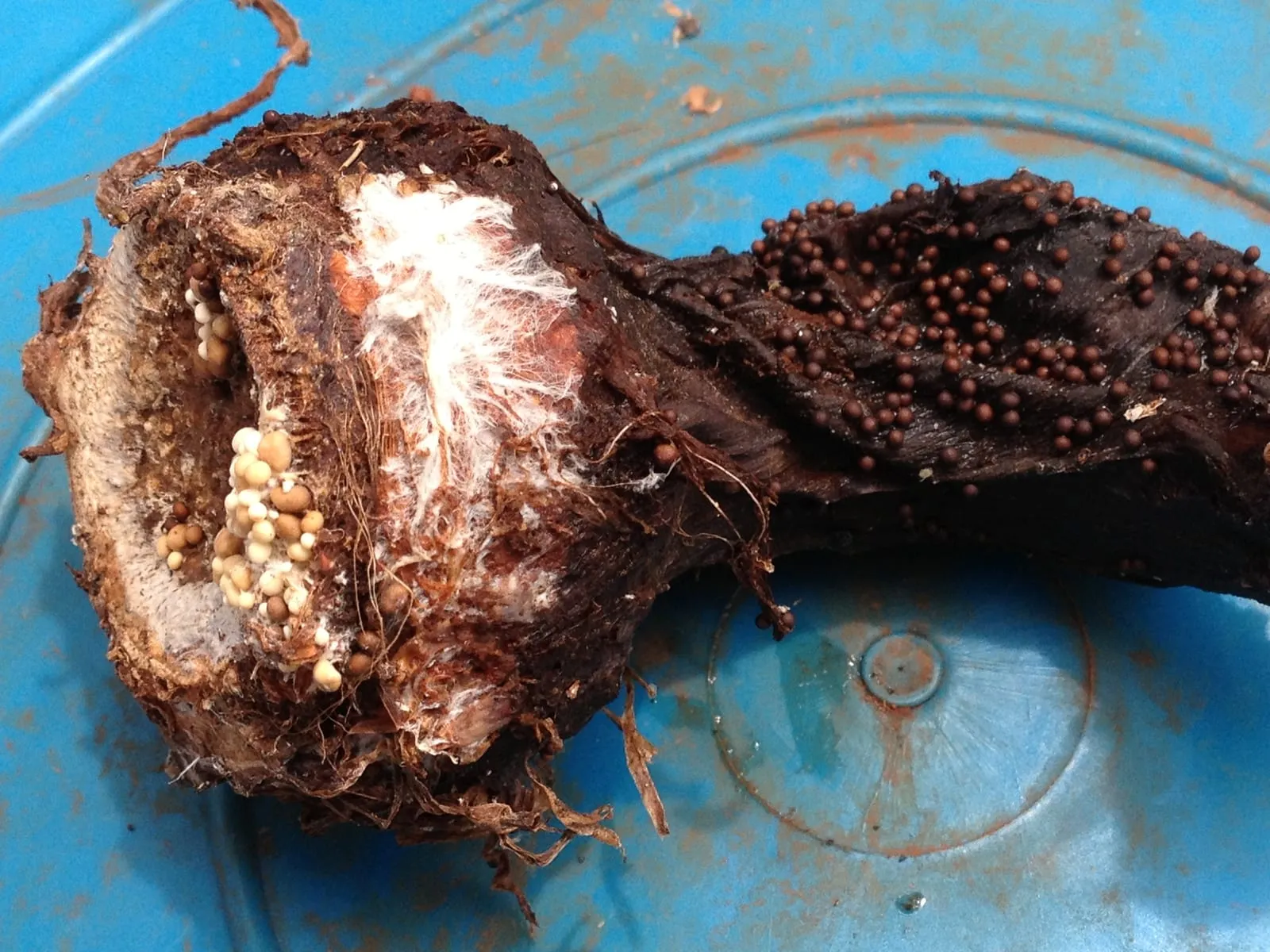
Sclerotium rolfsii
Soil-borne fungal disease most damaging in warm humid Southern conditions. White mycelial fans and small mustard-seed-sized sclerotia at the soil line are diagnostic.
Modified care for zone 5a
Zone 5a growers need to extend the warm season at both ends. Laying black plastic mulch before transplanting raises soil temperature by 5 to 10°F and reduces early-season plant stress. Floating row covers protect transplants through late May if a cold snap follows planting; remove covers once flowers open to allow pollination. Verticillium wilt persists as a soil pathogen in many northern gardens; rotating eggplant out of any bed that grew tomatoes, potatoes, or peppers in the prior two seasons reduces inoculum load. Early blight pressure increases as summer humidity rises in late July and August; consistent plant spacing for airflow and removing lower foliage when lesions appear slows spread. Flea beetle feeding on young transplants is common in zone 5a and can set plants back significantly in the critical first two weeks after transplanting; row covers early in the season serve as beetle barriers as well.
Frequently asked questions
- Can eggplant survive zone 5a winters?
No. Eggplant is a tender perennial grown as an annual in all temperate zones. It dies at first frost and must be replanted from seed or transplant each spring. There is no overwintering strategy for zone 5a.
- Which eggplant varieties work best in zone 5a?
Short-season varieties are the practical choice. Fairy Tale (around 50 days from transplant) and Ichiban (around 61 days) both finish reliably within zone 5a's 150-day frost-free window. Large Italian or globe types with 80-plus-day requirements carry more risk of a frost cutoff before full production.
- When should eggplant seeds be started indoors in zone 5a?
Start seeds 8 to 10 weeks before the last expected frost, which falls around May 10 to May 15 in zone 5a. That puts seed starting in early to mid-March. Transplants should not go outside until soil temperatures at 4-inch depth reach at least 60°F.
- How do I manage verticillium wilt in zone 5a eggplant?
Verticillium wilt is a soil-borne pathogen with no cure once a plant is infected. Crop rotation is the primary management tool: avoid planting eggplant, tomatoes, peppers, or potatoes in the same bed in consecutive years. Resistant varieties, where available, reduce risk further.
+−
+−
+−
+−
Eggplant in adjacent zones
Image: "Solanum melongena 24 08 2012 (1)", by Joydeep, via Wikimedia Commons, licensed under CC-BY Source.
.JPG)
Related