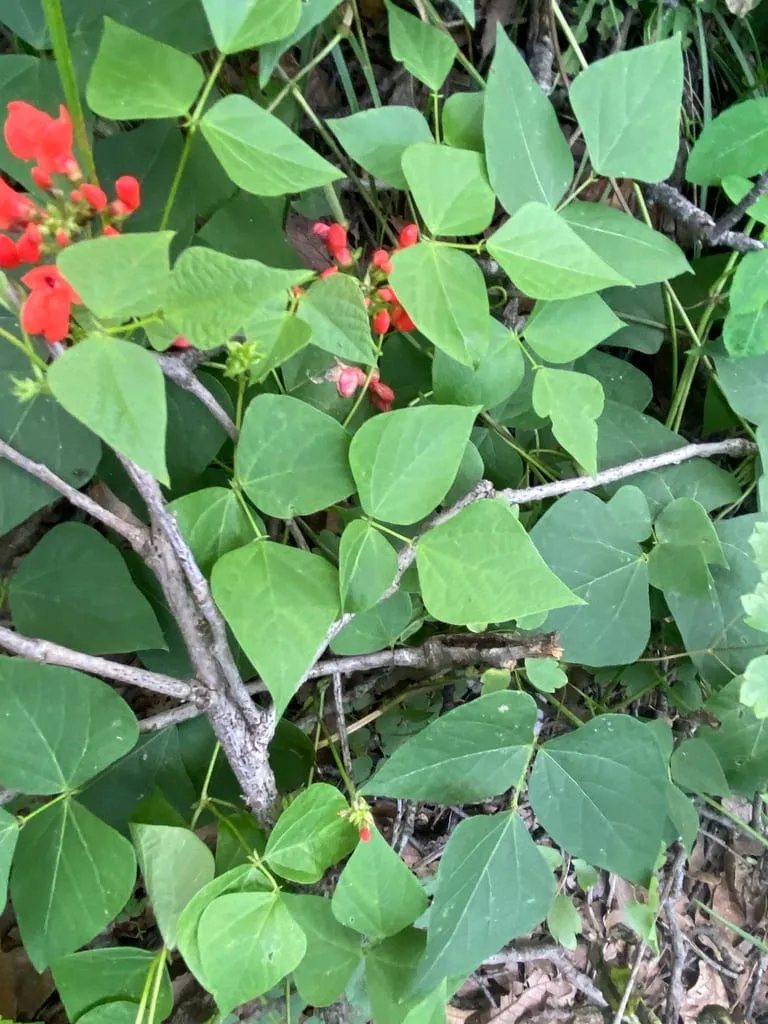
vegetable
Bush Bean
Phaseolus vulgaris
USDA hardiness range
- Zones
- 3b–9a
- Days to harvest
- 50 to 70
- Sun
- Full
- Water
- Moderate
- Lifespan
- annual
Growing bush bean
Bush beans are among the most productive warm-season vegetables available to gardeners across zones 3b through 9a. Maturing in 50 to 70 days from direct sowing, they are viable even in short-season northern gardens where pole-type beans would run out of time. The no-support requirement is a genuine practical advantage over pole types: no stakes, no trellis, no training labor.
What separates productive plantings from marginal ones is usually timing. Bush beans require soil that has reached at least 60°F before seed goes in; germination in cold soil is slow and irregular, which opens the door to seed rot, damping off, and poor stands. Growers who rush the season routinely end up with sparser, later-maturing plantings than neighbors who waited an extra two weeks. In zone 7b and warmer, there is typically enough growing season for two successions, one in late spring and a second sown in late summer for fall harvest. In zones 3b and 4a, a single well-timed sowing is the realistic expectation.
Bush beans are self-pollinating, so isolation is not a concern for pod set. Bee activity can improve fill in large, dense plantings, but a single plant in an otherwise unplanted space will produce a full crop. The crop does not perform well under prolonged heat above 90°F during flowering, which causes blossom drop and reduced set. In zones 8b and 9a, summer sowing timed to mature before peak heat is often more reliable than a spring planting that flowers into a heat event.
Recommended varieties
See all 4 →4 cultivars for home growers, with notes on flavor, ripening, and disease resistance.
| Variety | Notes | Zone fit | Disease resistance |
|---|---|---|---|
| Provider | Crisp, mild, classic snap-bean flavor; round green pods. Fresh, freezing, canning. Bred for cool-soil germination, the most reliable early-season bush bean. | | none noted |
| Roma II | Tender, meaty, classic Italian-flat bean flavor; flat green Romano-style pods. Fresh, sauteing, canning. Productive bush version of pole-bean Romano types. | | none noted |
| Royal Burgundy | Crisp, sweet, deep purple pods that turn green when cooked; novelty fresh bean. Fresh, blanched, salads. Productive heritage variety, easy to spot for harvest. | | none noted |
| Dragon's Tongue | Crisp, sweet, complex; cream-colored pods striped with purple, fading when cooked. Fresh, blanched, also as shell bean (cranberry-style). Productive heritage variety. | | none noted |
Soil and site requirements
Bush beans prefer well-drained loam or sandy loam with a soil pH between 6.0 and 6.8. They are acutely sensitive to waterlogged conditions; seeds will rot rather than germinate in saturated soil, and established plants decline rapidly in standing water. Raised beds or sloped sites with natural drainage are preferable where clay soils predominate.
Full sun is a firm requirement. Plants in partial shade produce fewer pods per node and develop longer internodes, which creates a denser, wetter canopy that increases white mold pressure. A minimum of 6 hours of direct sun is needed; 8 or more hours is the realistic standard for productive yields.
Spacing matters more than many growers expect. In-row spacing of 4 to 6 inches and row spacing of 18 to 24 inches allows adequate air movement through the planting, the first practical line of defense against fungal disease. Crowded rows trap humidity around stems and pods during wet periods.
Bush beans fix atmospheric nitrogen with rhizobium bacteria. Inoculating seed with the correct legume inoculant strain at planting is worth doing on new ground or in soils with no recent legume history; well-nodulated plants typically need little or no supplemental nitrogen. Applying heavy nitrogen before flowering favors foliage over pod production and should be avoided.
Common diseases
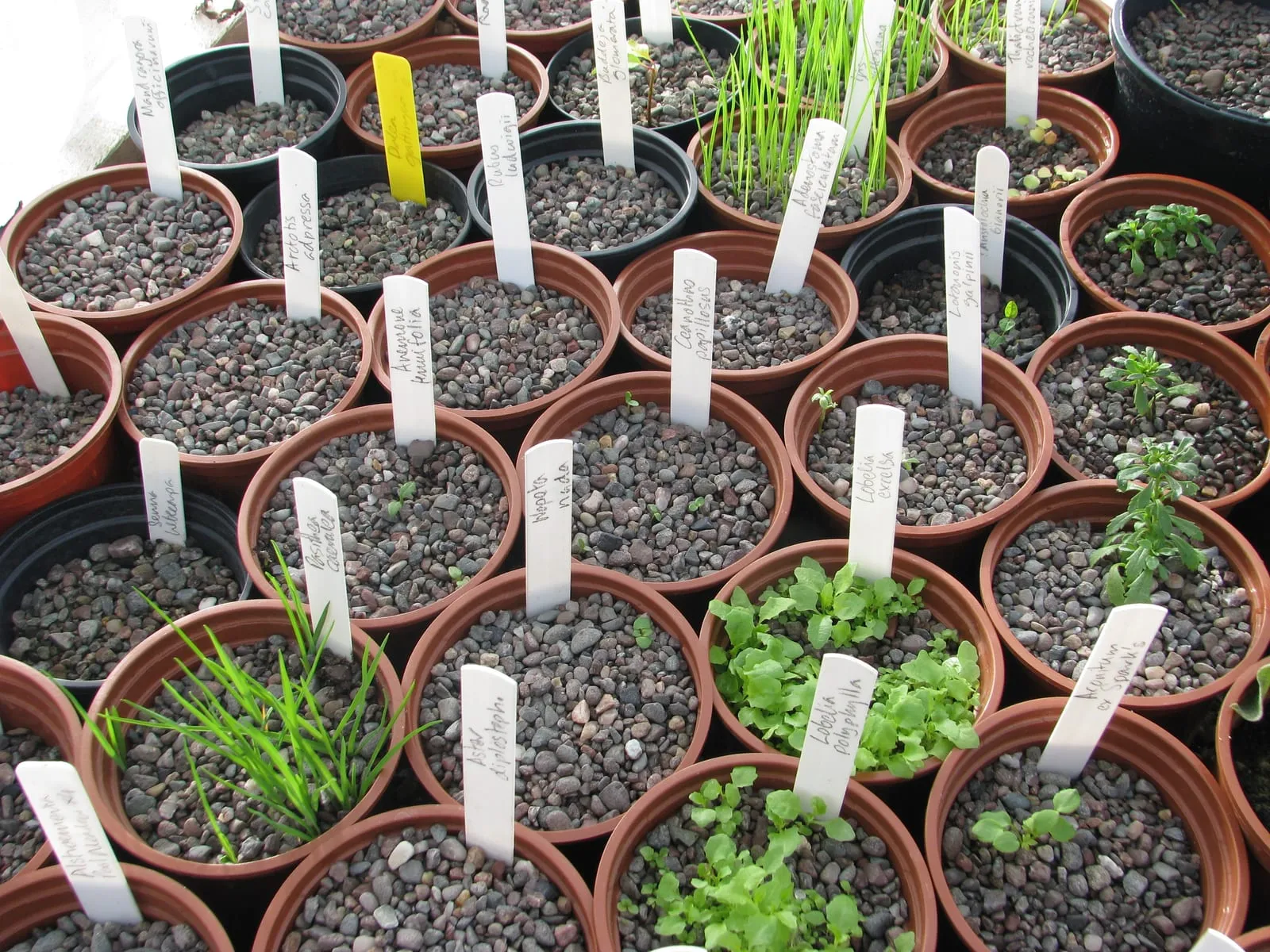
Pythium and Rhizoctonia species
Soil-borne complex of water molds and fungi that kill seedlings before or shortly after emergence. The single most common cause of seed-starting failures.
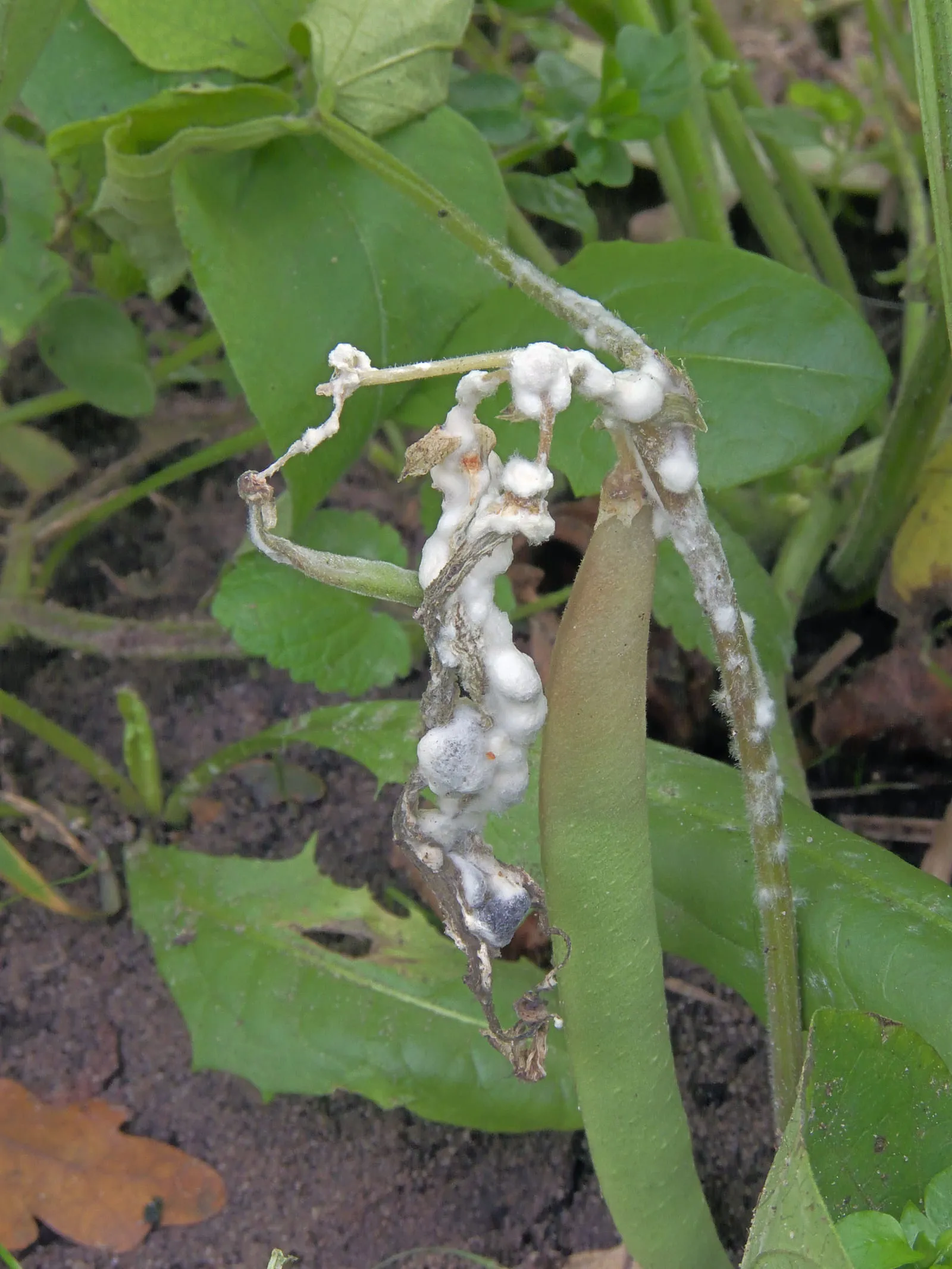
Sclerotinia sclerotiorum
Fungal disease that produces fluffy white mycelium on stems and lower leaves. Forms hard black sclerotia (resting bodies) that survive 5+ years in soil.
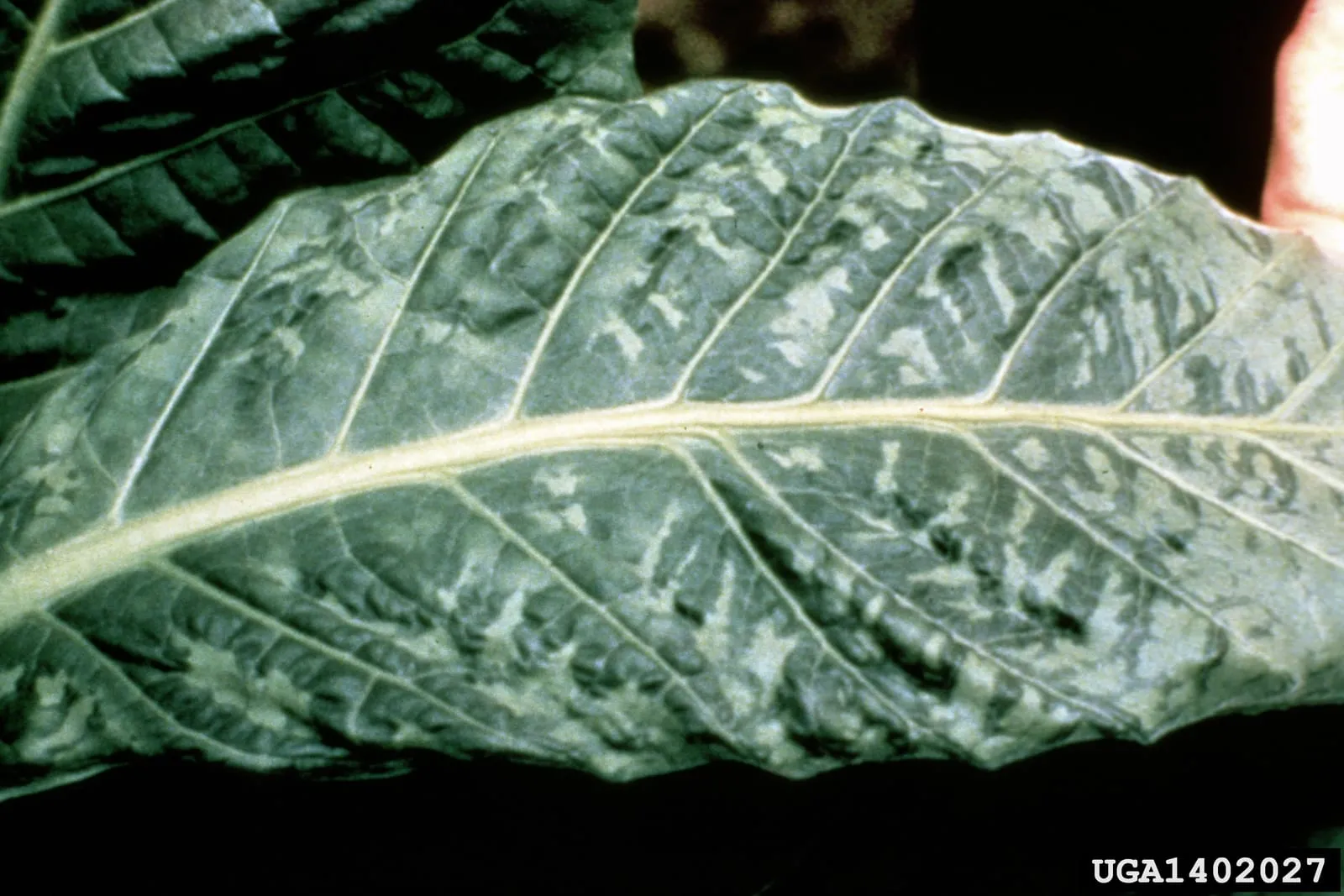
Cucumber mosaic virus, Tobacco mosaic virus, and others
Family of plant viruses producing mottled yellow-and-green leaf patterns. Vectored primarily by aphids; some are seed-transmitted or spread by handling tools and tobacco products.
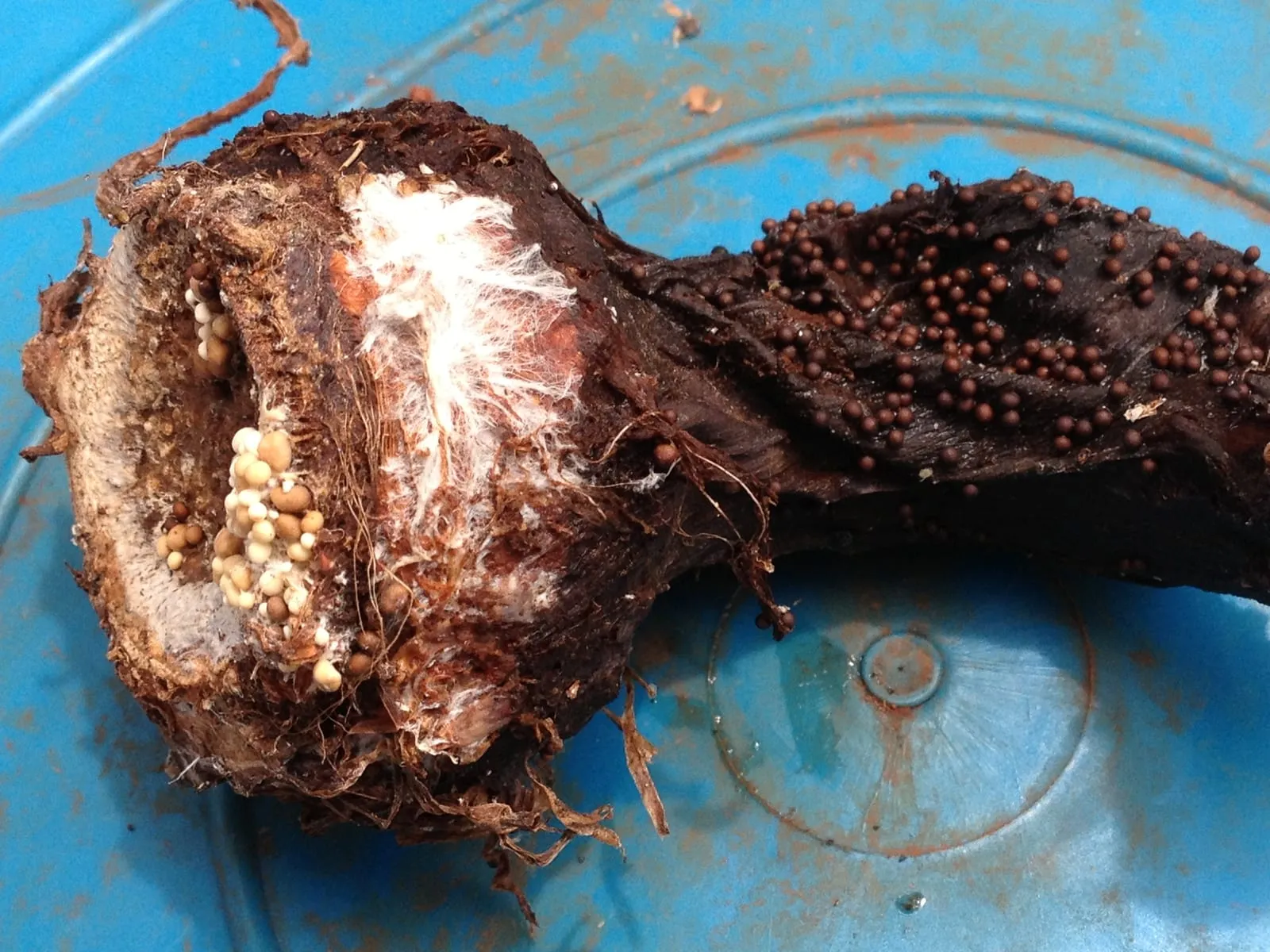
Sclerotium rolfsii
Soil-borne fungal disease most damaging in warm humid Southern conditions. White mycelial fans and small mustard-seed-sized sclerotia at the soil line are diagnostic.
Common pests
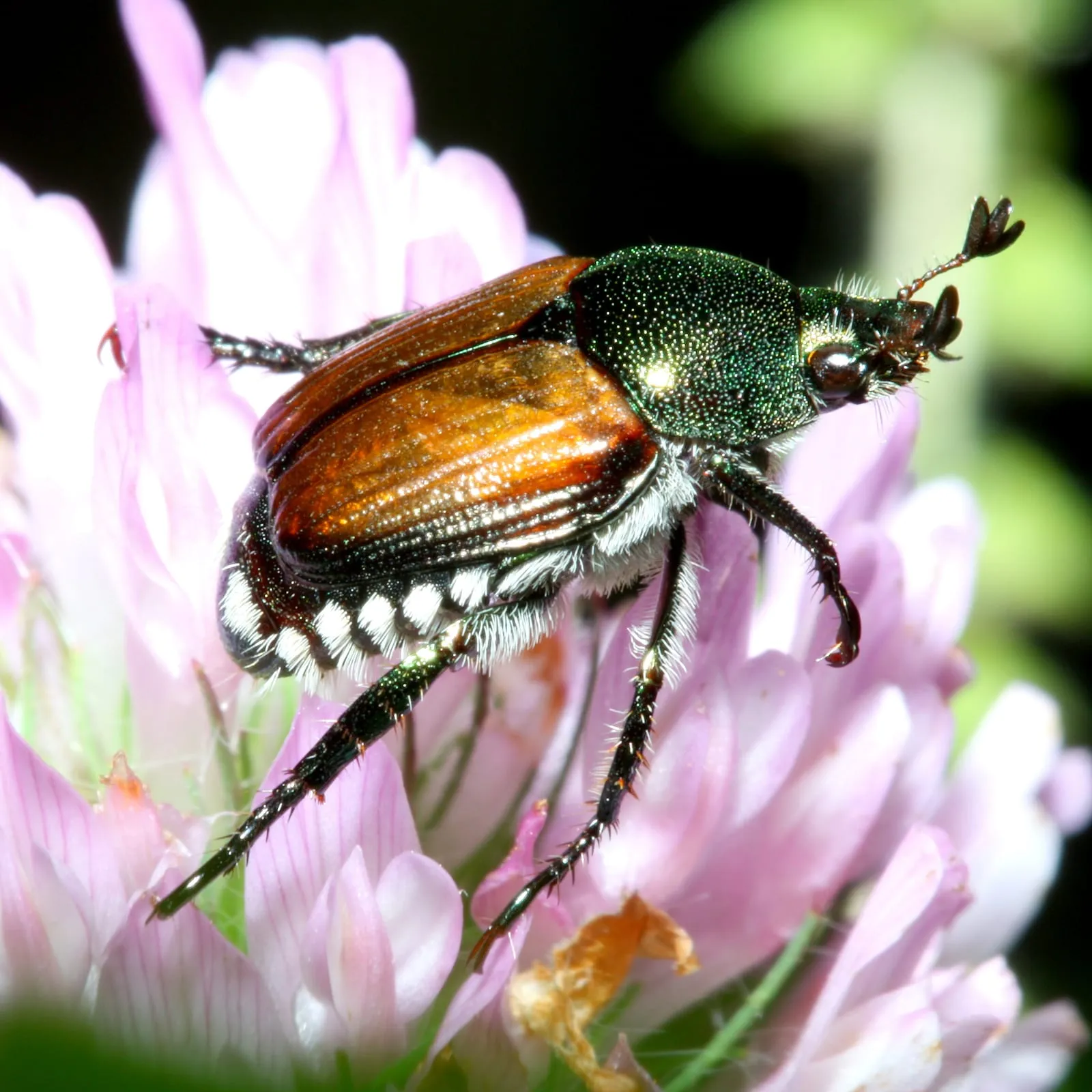
Popillia japonica
Defoliating beetle introduced to North America in 1916. Skeletonizes leaves of many fruit trees, berry canes, and pecan.
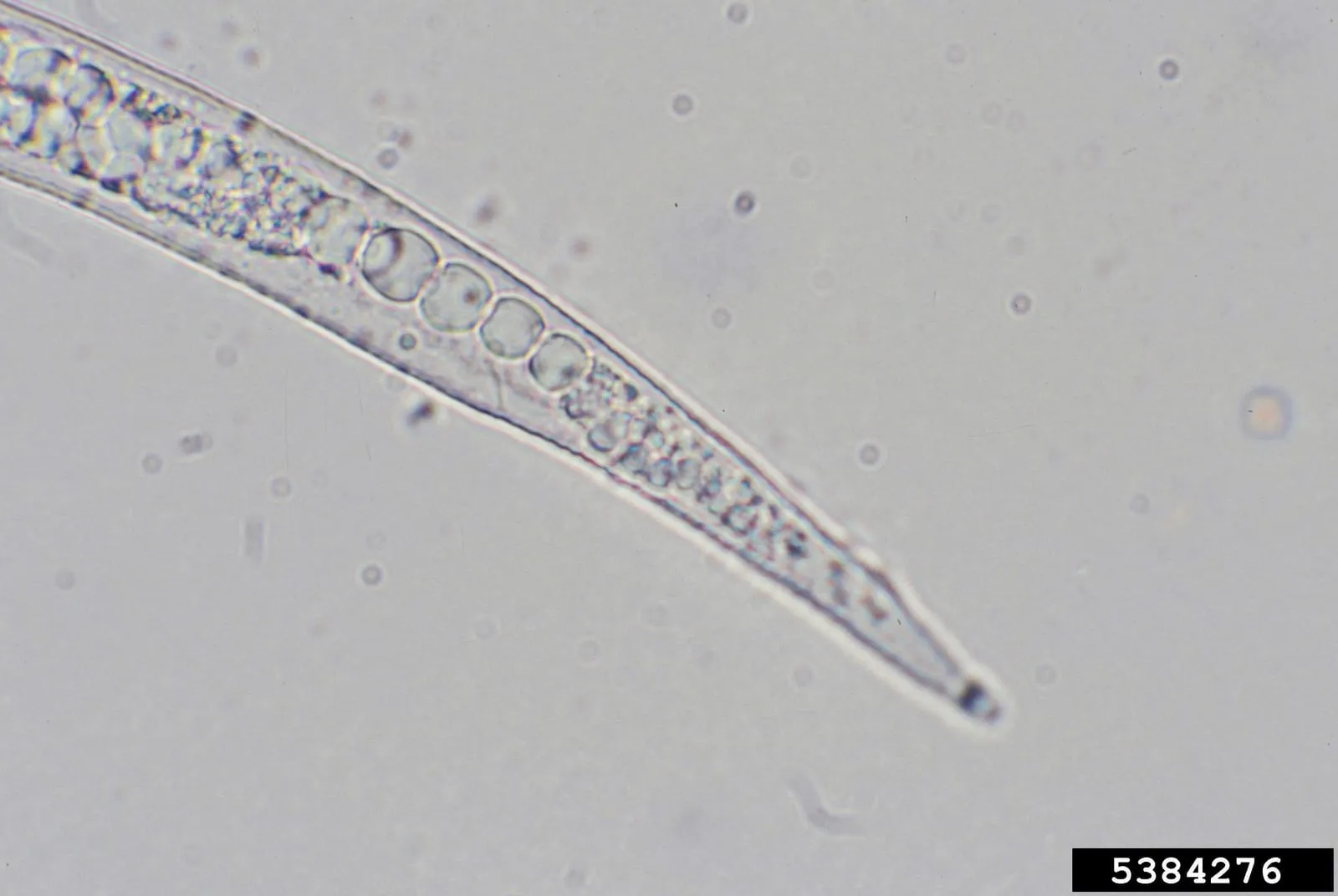
Meloidogyne species
Microscopic soil-dwelling worm that forms galls on roots, reducing vigor and yield.
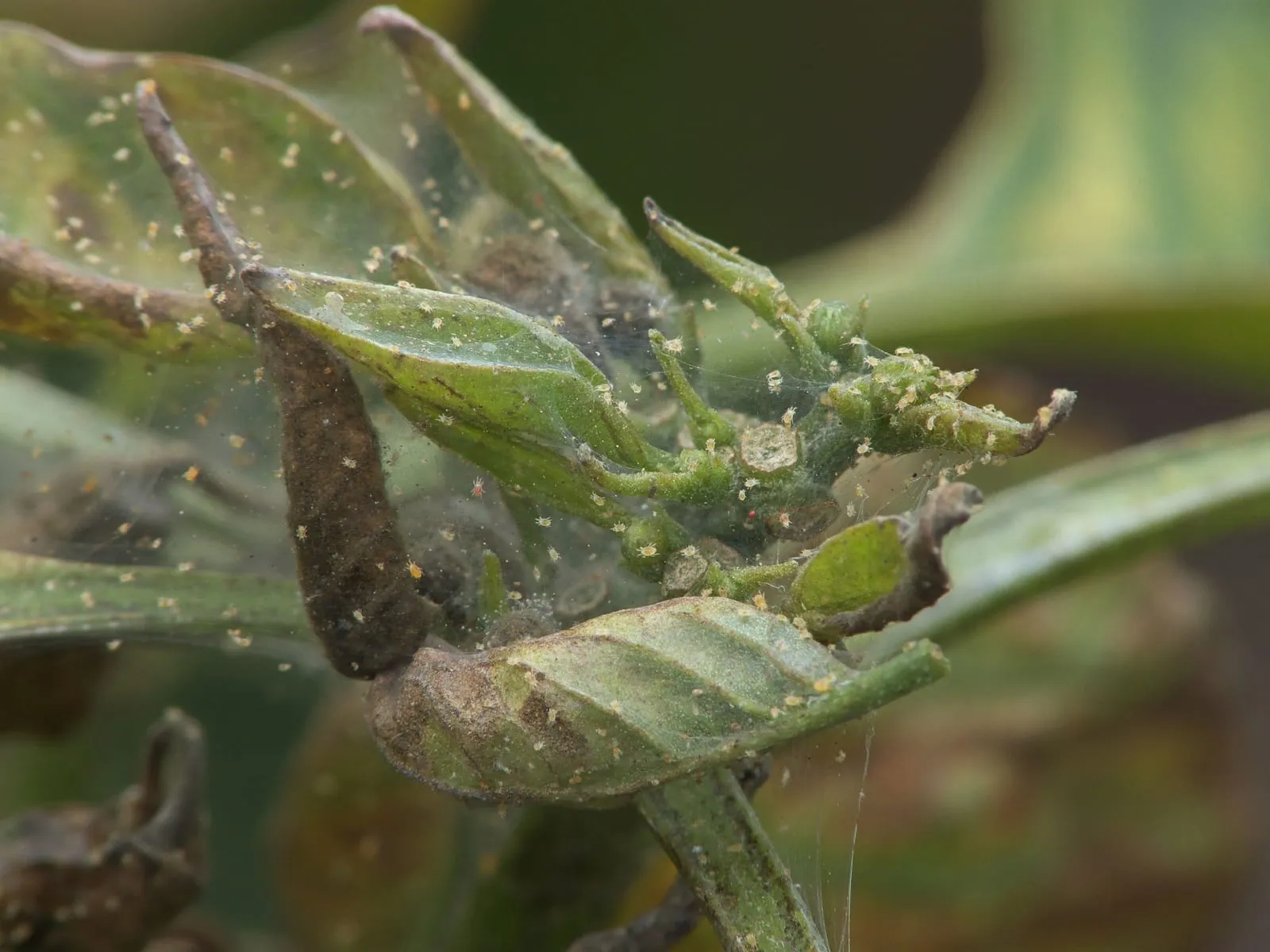
Tetranychus urticae
Tiny mite that feeds on leaf undersides, causing stippling and webbing during hot dry weather.
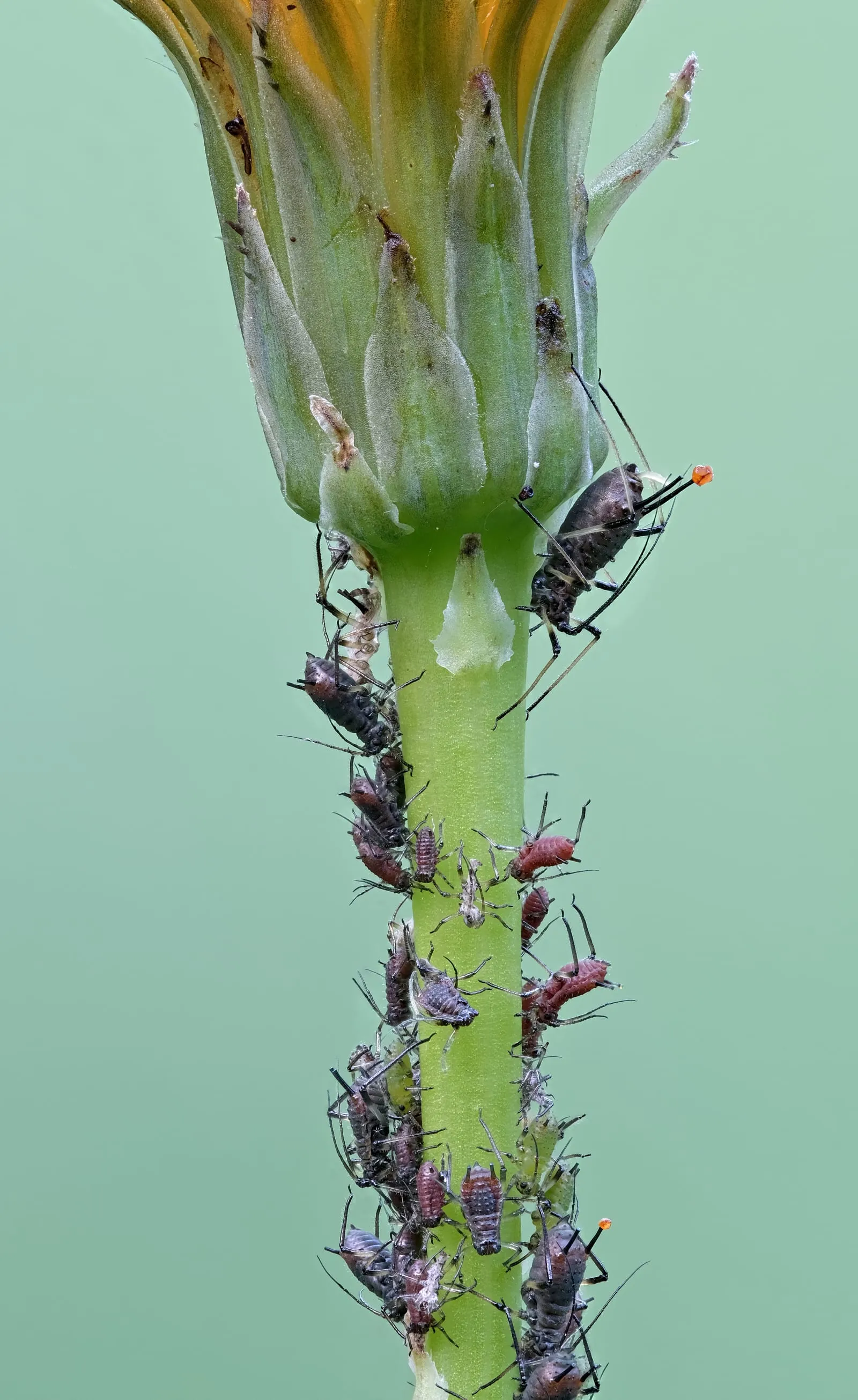
Multiple species (Aphididae)
Small soft-bodied sap-sucking insects that reproduce explosively in spring. Excrete honeydew that supports sooty mold and attracts ants. Transmit viral diseases.
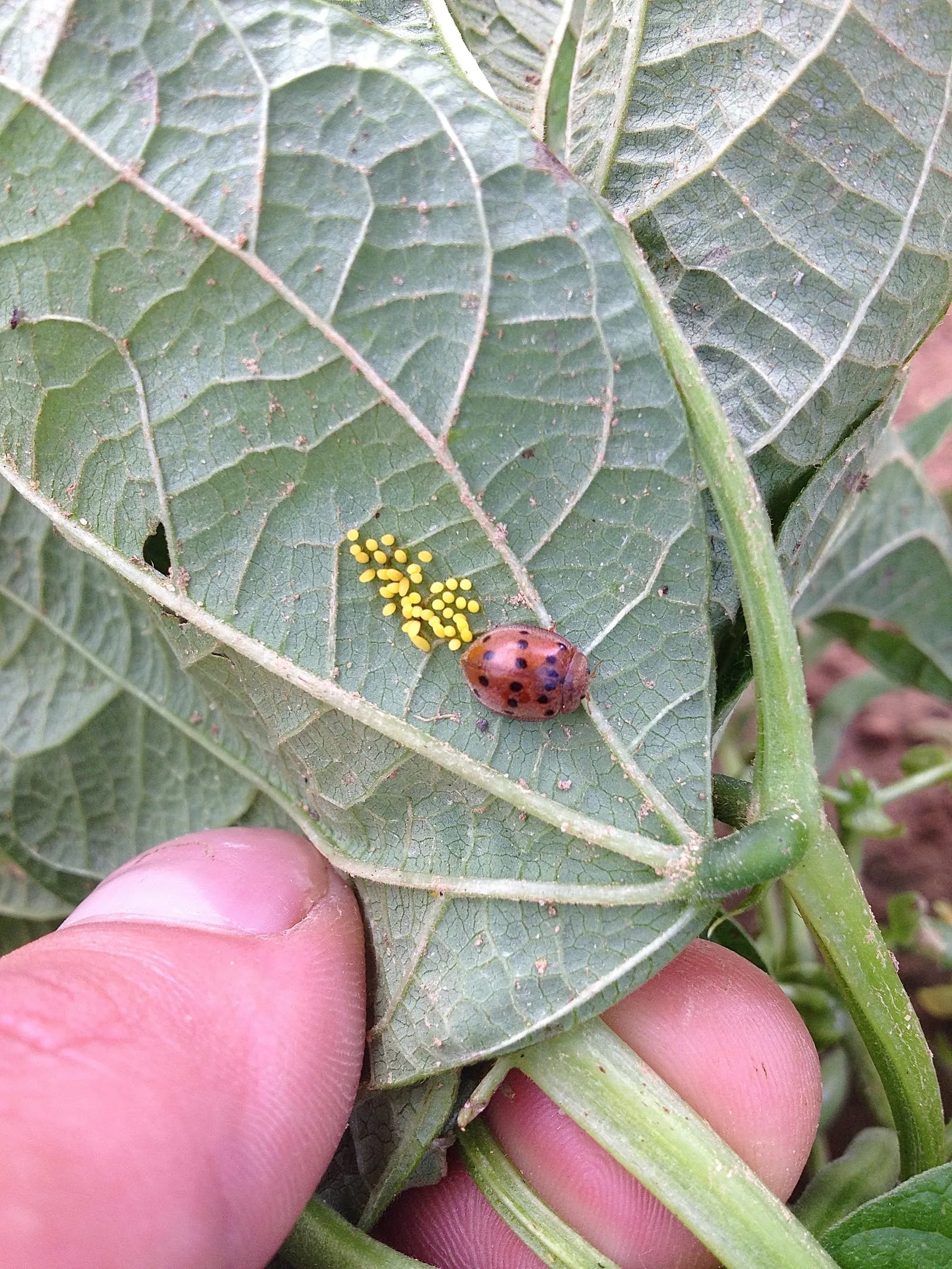
Epilachna varivestis
Coppery-orange ladybug-like adults and yellow spiny larvae that skeletonize bean foliage. The defining bean pest in the eastern US.
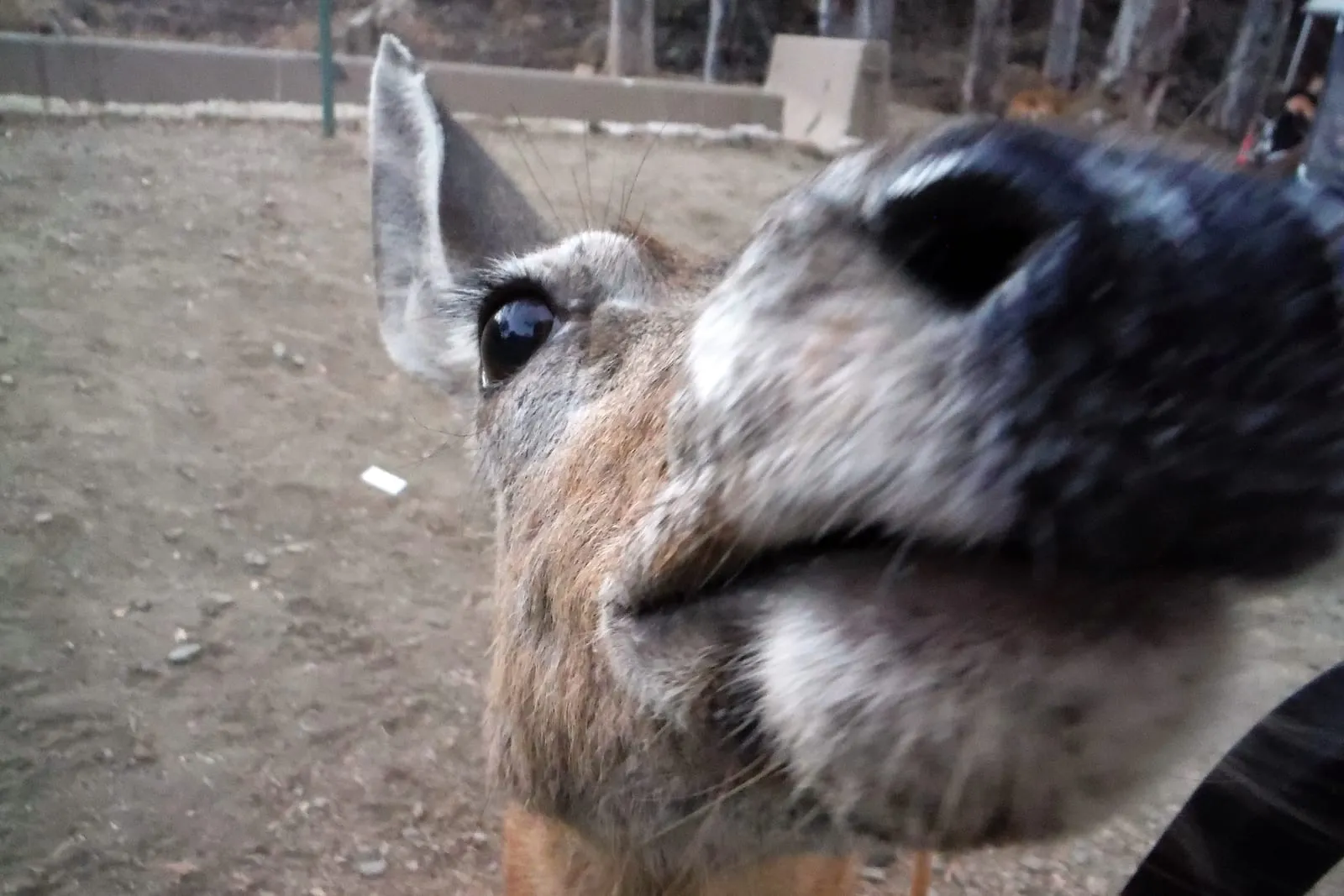
Odocoileus species
Whitetail and mule deer browse can devastate orchards and gardens, particularly in winter when food is scarce. Antler rub on young trunks kills saplings outright.
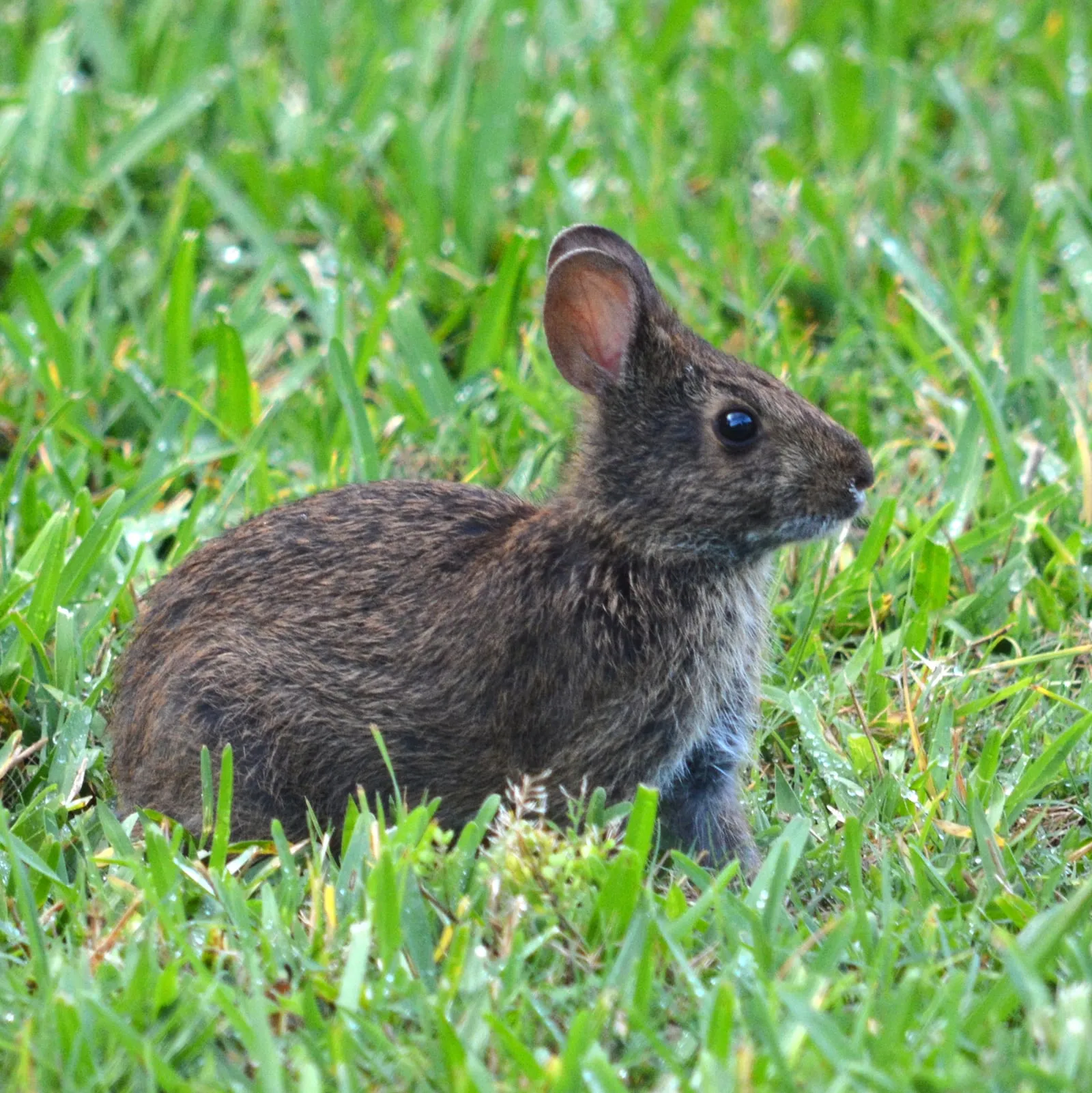
Sylvilagus and Lepus species
Cottontails and jackrabbits strip bark from young fruit trees in winter and graze tender garden vegetables year-round, especially seedlings.
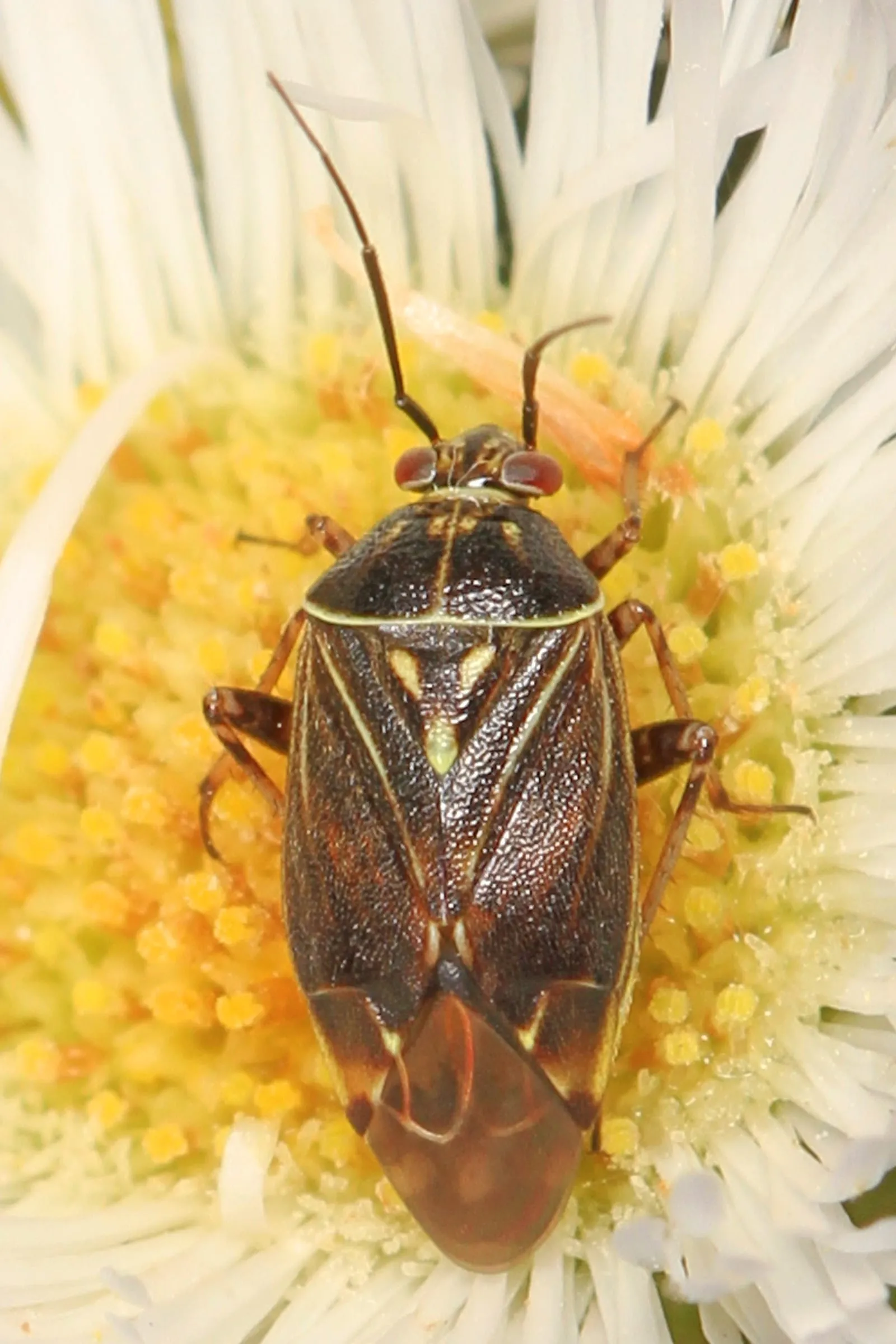
Lygus lineolaris
Mottled brown sucking bug that probes flower buds and developing fruit, causing 'cat-facing' deformities on tomato, peach, and strawberry. Wide host range and rapid generations.
Common challenges
The most common cause of failed stands is sowing into cold soil. Bush beans should not be direct-seeded when soil temperature is below 60°F; 65°F is a better practical threshold for consistent germination. Growers who sow early to gain a few extra days often end up with spotty emergence, damping off in weak seedlings, and a crop that matures no earlier than a planting made two weeks later under proper conditions.
White mold (Sclerotinia sclerotiorum) is the primary disease concern. It infects stems and pods during cool, humid periods, producing water-soaked lesions that collapse rapidly and develop a distinctive cottony white mycelium. The pathogen produces hard, black sclerotia that persist in soil for multiple years, making rotation important once a field or bed has been infected. Management centers on prevention: adequate spacing to promote air circulation, avoiding overhead irrigation during pod fill, and not disturbing plants while foliage is wet. The Cornell Bean Production Guide covers both cultural and chemical management options in detail.
Mexican bean beetle is the insect pest most likely to cause significant defoliation. Adults and larvae skeletonize leaf tissue, reducing photosynthetic capacity and, in heavy infestations, weakening plants during the critical pod-fill period. Scouting leaf undersides in early summer for the yellow egg clusters and removing them before larvae hatch is the most practical approach for home-scale plantings. Aphid pressure is generally easier to manage and rarely causes crop-level losses unless plants are already stressed.
Companion plants
Frequently asked questions
- Do bush beans require chill hours before planting?
No. Bush beans are warm-season annuals with no chill-hour requirement. Seed germinates once soil reaches 60°F. Pre-chilling seed before planting provides no benefit and increases the risk of rot.
- How many days from sowing to first harvest?
Expect 50 to 70 days from direct seeding, depending on variety. Provider is among the faster-maturing types at roughly 50 to 55 days; flat-podded Romano types such as Roma II typically run closer to 60 days. Cooler soil temperatures at planting slow the count toward the higher end of the range.
- What USDA hardiness zones support bush beans?
Bush beans are grown as a warm-season annual across zones 3b through 9a. In zones 3b through 5a, a single sowing timed after last frost is typical. In zones 7b through 9a, two sowings, one in spring and one in late summer, are often feasible within a single season.
- Are bush beans self-pollinating, or do they need pollinators?
Bush beans are self-fertile and set pods without pollinator assistance. A single isolated plant in an otherwise unplanted garden will produce a full crop. Bee activity can improve pod fill in large, dense plantings, but it is not a requirement.
- What is the most common disease affecting bush beans?
White mold (Sclerotinia sclerotiorum) is the primary fungal concern. It develops during cool, wet weather when air circulation around plants is poor. Adequate spacing, avoiding wet foliage, crop rotation away from previously infected beds, and prompt removal of infected plant material are the main management strategies.
- Why did my bush bean seeds rot instead of germinating?
Seed rot almost always results from planting into soil that is too cold or too wet, or both. Wait until soil temperature reaches at least 60°F and the planting bed has had time to drain after any recent heavy rain. Well-drained soil and correct timing resolve most germination failures.
- Can bush beans grow in partial shade?
Not productively. Full sun, at minimum 6 hours of direct exposure daily, is needed for acceptable pod yields. In partial shade, plants produce fewer pods per plant, and the resulting denser, wetter canopy significantly increases the risk of white mold and other fungal problems.
+−
+−
+−
+−
+−
+−
+−
Sources
Image: "Ayocote", by Itzel Flores, via iNaturalist, licensed under CC-BY. Source.
Bush Bean by zone
Related