vegetable in zone 8a
Growing bush bean in zone 8a
Phaseolus vulgaris
- Zone
- 8a 10°F to 15°F
- Growing season
- 240 days
- Suitable varieties
- 2
- Days to harvest
- 50 to 70
The verdict
Bush bean is a warm-season annual with no chill-hour requirement, so the chill-hour challenges that constrain some fruit crops in zone 8a are irrelevant here. The 240-day growing season is a genuine asset: growers can run two full crops (spring and fall) and sometimes a third short planting in late summer if timing is managed carefully.
The main constraint in zone 8a is not cold but heat. Bush beans set pods reliably when daytime temperatures stay below 90°F. At higher temperatures, blossoms drop before setting, and yields collapse. Zone 8a summers push past that threshold regularly from late June through August. The practical result is that peak summer is a gap, not a planting window. Provider and Roma II, the two varieties with documented performance in warm-southern conditions, tolerate heat better than older open-pollinated standards but are not immune to blossom drop under sustained heat.
Overall, zone 8a is a productive zone for bush bean with good spring and fall windows. The growing season length is an advantage; summer heat management is the trade-off.
Recommended varieties for zone 8a
2 cultivars suited to this zone, with disease-resistance and zone-fit annotations.
| Variety | Notes | Zone fit | Disease resistance |
|---|---|---|---|
| Provider fits zone 8a | Crisp, mild, classic snap-bean flavor; round green pods. Fresh, freezing, canning. Bred for cool-soil germination, the most reliable early-season bush bean. | | none noted |
| Roma II fits zone 8a | Tender, meaty, classic Italian-flat bean flavor; flat green Romano-style pods. Fresh, sauteing, canning. Productive bush version of pole-bean Romano types. | | none noted |
Critical timing for zone 8a
In zone 8a, the last spring frost typically falls in late February to mid-March depending on local elevation and proximity to urban heat islands. Bush bean seed germinates reliably once soil temperature reaches 60°F, which generally aligns with that same window. A direct sow in early March gives a harvest window in late April to mid-May, ahead of the worst summer heat.
For a fall crop, count back 60 days from the first expected frost (typically late November in zone 8a) and target a planting date around mid-September. Soil temperatures are still warm enough for fast germination, and the crop matures into cooler October and November weather, which actually improves pod quality.
The July-to-August window is where yields become unreliable. Planting during that period is possible but expect reduced set and more White Mold pressure in humid years.
Common challenges in zone 8a
- ▸ Insufficient chill hours for some apple varieties
- ▸ Pierce's disease in grapes
- ▸ Heat stress on cool-season crops
Disease pressure to watch for
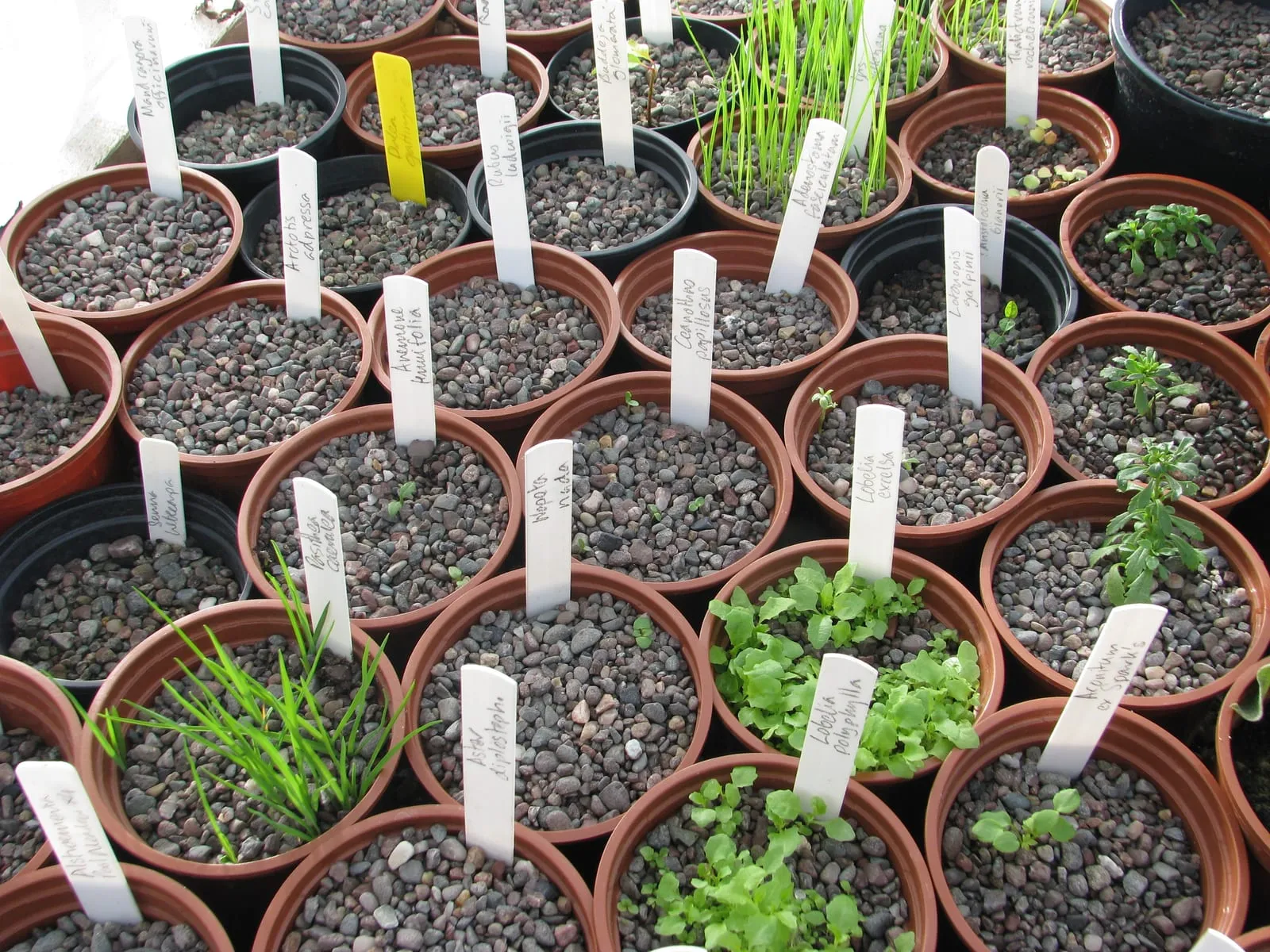
Pythium and Rhizoctonia species
Soil-borne complex of water molds and fungi that kill seedlings before or shortly after emergence. The single most common cause of seed-starting failures.
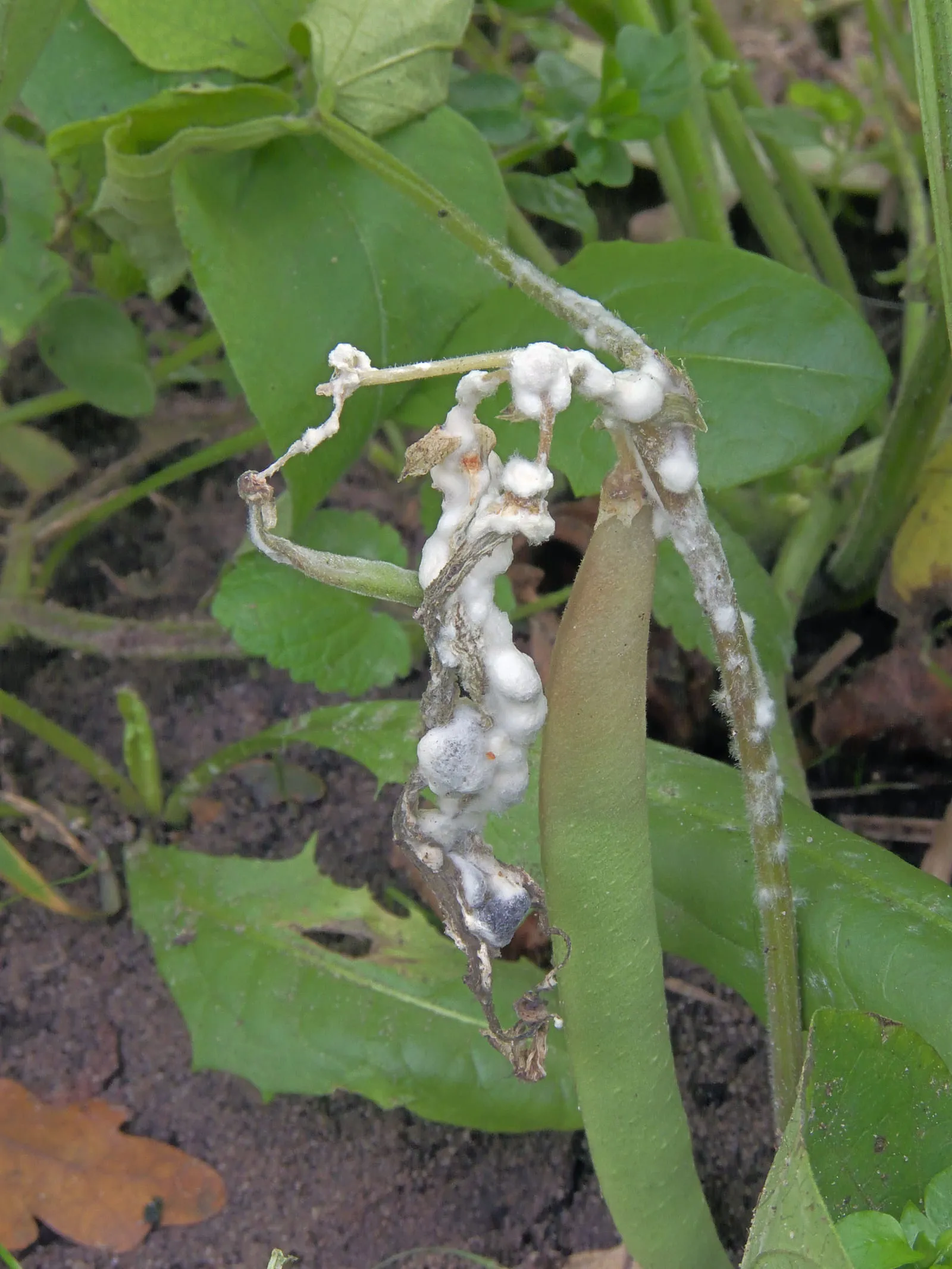
Sclerotinia sclerotiorum
Fungal disease that produces fluffy white mycelium on stems and lower leaves. Forms hard black sclerotia (resting bodies) that survive 5+ years in soil.
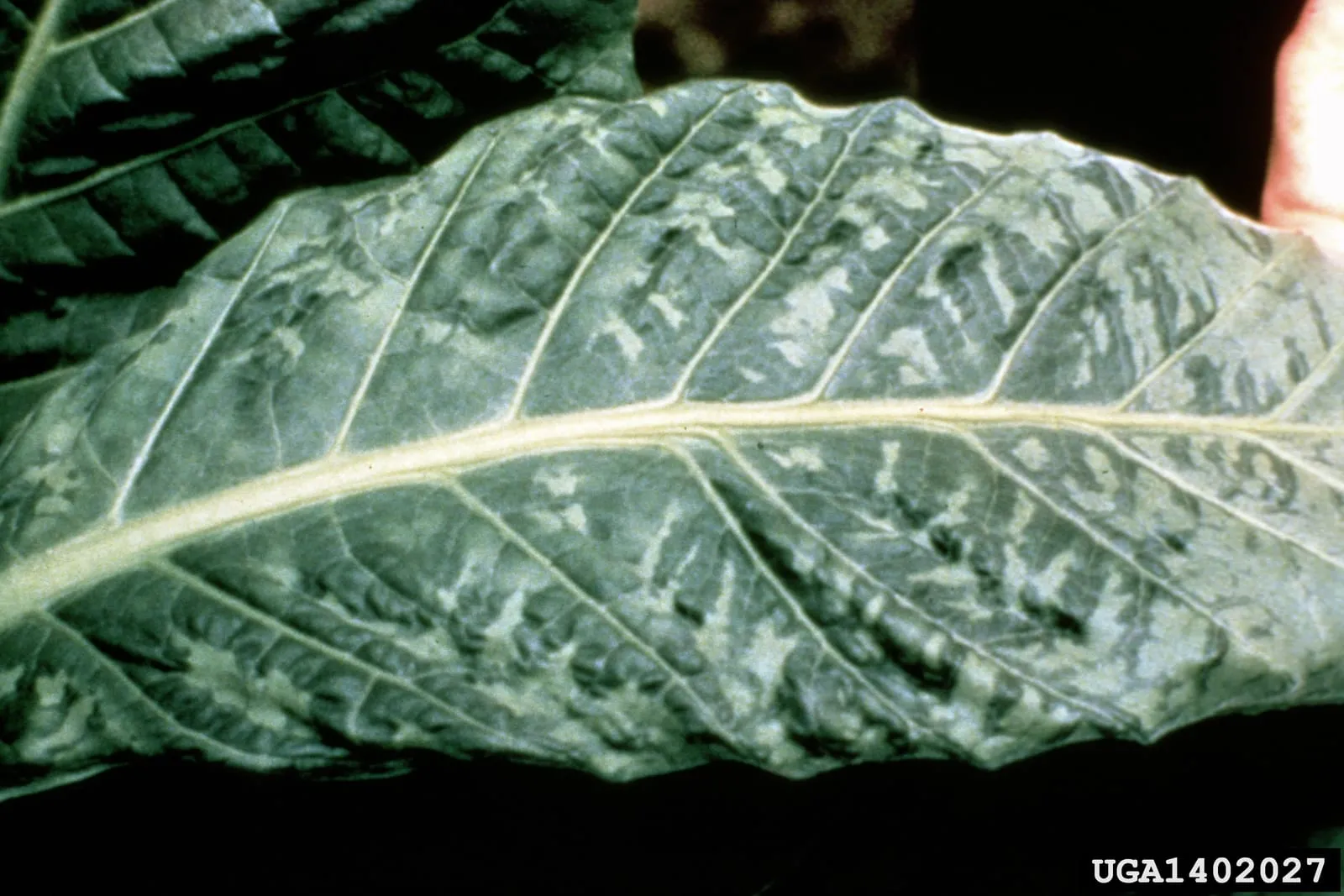
Cucumber mosaic virus, Tobacco mosaic virus, and others
Family of plant viruses producing mottled yellow-and-green leaf patterns. Vectored primarily by aphids; some are seed-transmitted or spread by handling tools and tobacco products.
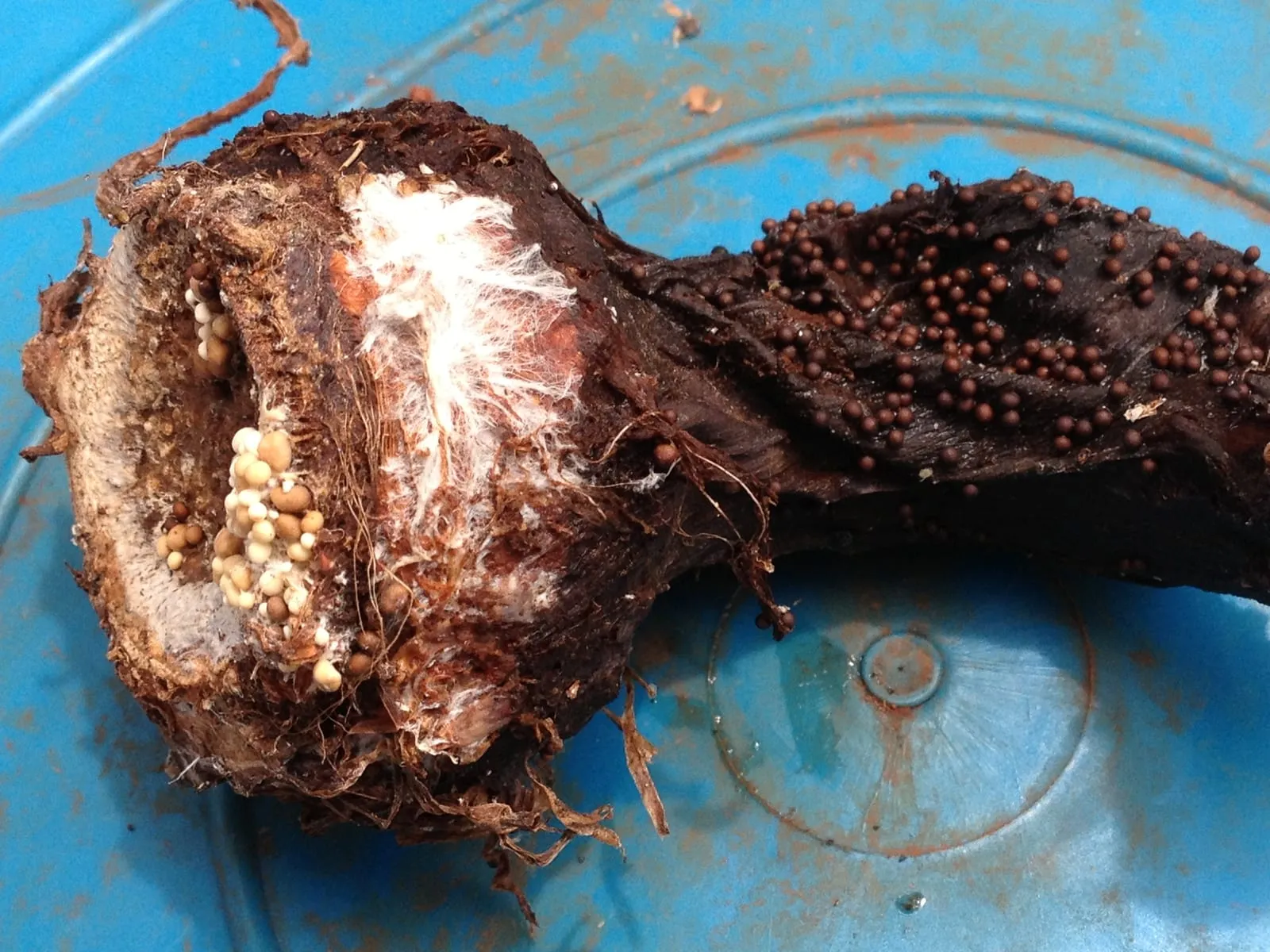
Sclerotium rolfsii
Soil-borne fungal disease most damaging in warm humid Southern conditions. White mycelial fans and small mustard-seed-sized sclerotia at the soil line are diagnostic.
Modified care for zone 8a
The primary adjustment in zone 8a is scheduling around summer heat rather than around frost. Spring plantings should be timed to complete harvest before sustained 90°F+ days arrive, usually by late May or early June. If a planting runs long into summer, shade cloth (30 to 40 percent) can reduce canopy temperature and extend the productive window modestly.
White Mold (Sclerotinia sclerotiorum) is the primary disease concern in zone 8a, particularly during humid spring and fall periods when dense foliage traps moisture at the soil surface. Spacing rows at least 18 inches apart and avoiding overhead irrigation in the late afternoon reduces infection pressure. Crop rotation of at least two years away from any legume, sunflower, or brassica significantly limits soil inoculum buildup.
Fall plantings generally require less intervention than spring because temperatures are falling toward optimal rather than rising toward stressful. Mulching in fall helps moderate soil temperature fluctuations as nights cool.
Bush Bean in adjacent zones
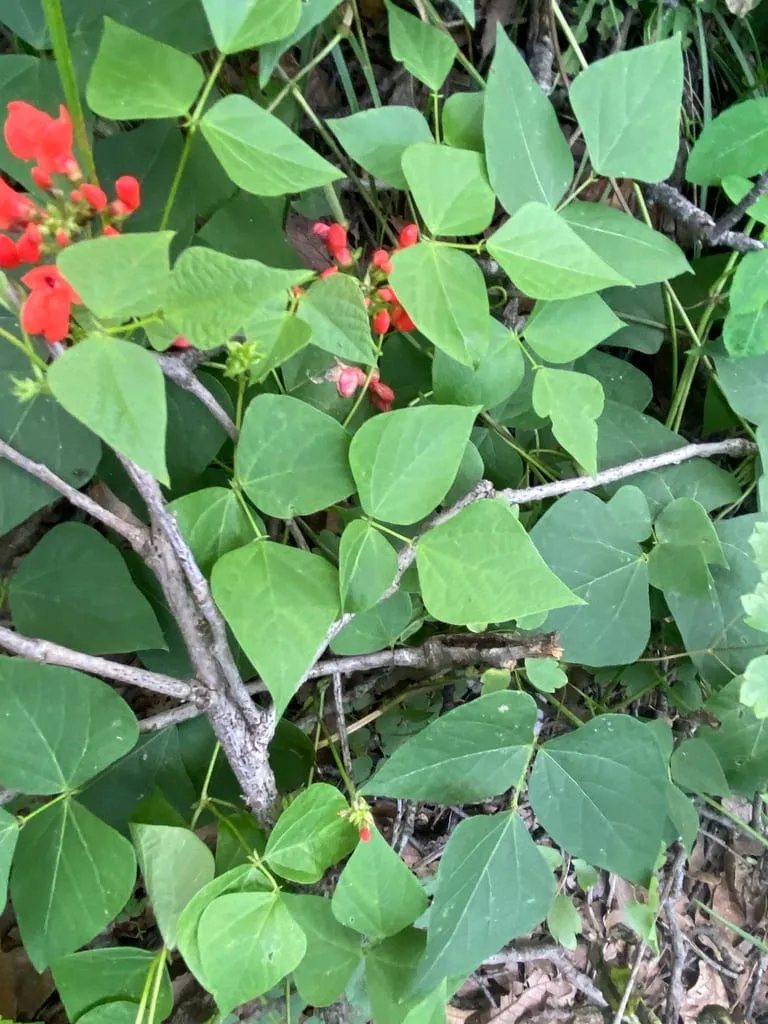
Image: "Ayocote", by Itzel Flores, via iNaturalist, licensed under CC-BY Source.
Related