vegetable in zone 7b
Growing bush bean in zone 7b
Phaseolus vulgaris
- Zone
- 7b 5°F to 10°F
- Growing season
- 220 days
- Suitable varieties
- 4
- Days to harvest
- 50 to 70
The verdict
Bush beans are warm-season annuals with no chill-hour requirement, so zone hardiness maps are largely irrelevant to their performance. What matters is growing season length, summer heat, and soil temperature at planting time. On all three counts, zone 7b is a strong fit. The 220-day growing season comfortably supports two full successions, a spring planting and a late-summer planting, without the schedule compression that growers in zones 5 and 6 face.
The primary limitation in zone 7b is not cold but heat and humidity. Peak summer conditions in the piedmont mid-Atlantic and Southeast push temperatures above 90°F for extended stretches, which can cause blossom drop and reduce pod set. This makes timing the critical variable. A well-timed spring planting that finishes before mid-July heat peaks, followed by a succession planted in late July or early August that matures in the cooler fall window, gets the most out of zone 7b conditions while avoiding the worst heat stress.
Recommended varieties for zone 7b
4 cultivars suited to this zone, with disease-resistance and zone-fit annotations.
| Variety | Notes | Zone fit | Disease resistance |
|---|---|---|---|
| Provider fits zone 7b | Crisp, mild, classic snap-bean flavor; round green pods. Fresh, freezing, canning. Bred for cool-soil germination, the most reliable early-season bush bean. | | none noted |
| Roma II fits zone 7b | Tender, meaty, classic Italian-flat bean flavor; flat green Romano-style pods. Fresh, sauteing, canning. Productive bush version of pole-bean Romano types. | | none noted |
| Royal Burgundy fits zone 7b | Crisp, sweet, deep purple pods that turn green when cooked; novelty fresh bean. Fresh, blanched, salads. Productive heritage variety, easy to spot for harvest. | | none noted |
| Dragon's Tongue fits zone 7b | Crisp, sweet, complex; cream-colored pods striped with purple, fading when cooked. Fresh, blanched, also as shell bean (cranberry-style). Productive heritage variety. | | none noted |
Critical timing for zone 7b
Direct sow when soil temperature reaches 60°F, typically mid-April in zone 7b. Last frost averages late March to early April depending on elevation and local topography, but soil temps lag air temps by two to three weeks. Rushing sowing before soil warms leads to slow germination and damping-off losses.
Most bush bean varieties reach harvest in 50 to 60 days from direct sow, placing spring harvest in early to mid-June. A second succession sown in late July targets a September to October harvest, well ahead of zone 7b's average first fall frost in late October. Avoid sowing between mid-June and mid-July; beans planted in that window germinate into the hottest, most humid stretch of the season and produce poorly.
Common challenges in zone 7b
- ▸ Cedar-apple rust pressure heavy in piedmont
- ▸ Japanese beetles
- ▸ Brown marmorated stink bug
- ▸ Late summer disease pressure
Disease pressure to watch for
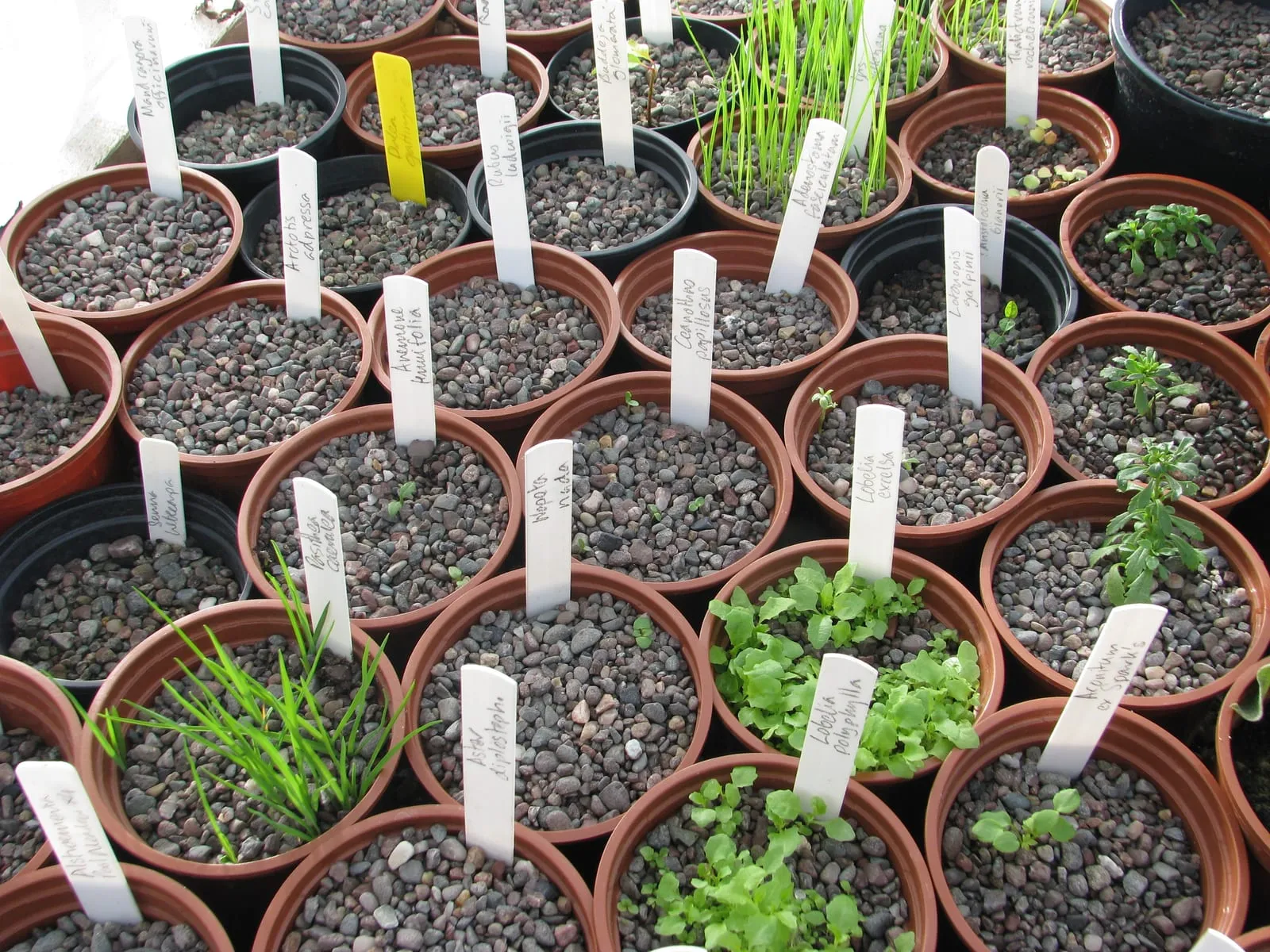
Pythium and Rhizoctonia species
Soil-borne complex of water molds and fungi that kill seedlings before or shortly after emergence. The single most common cause of seed-starting failures.
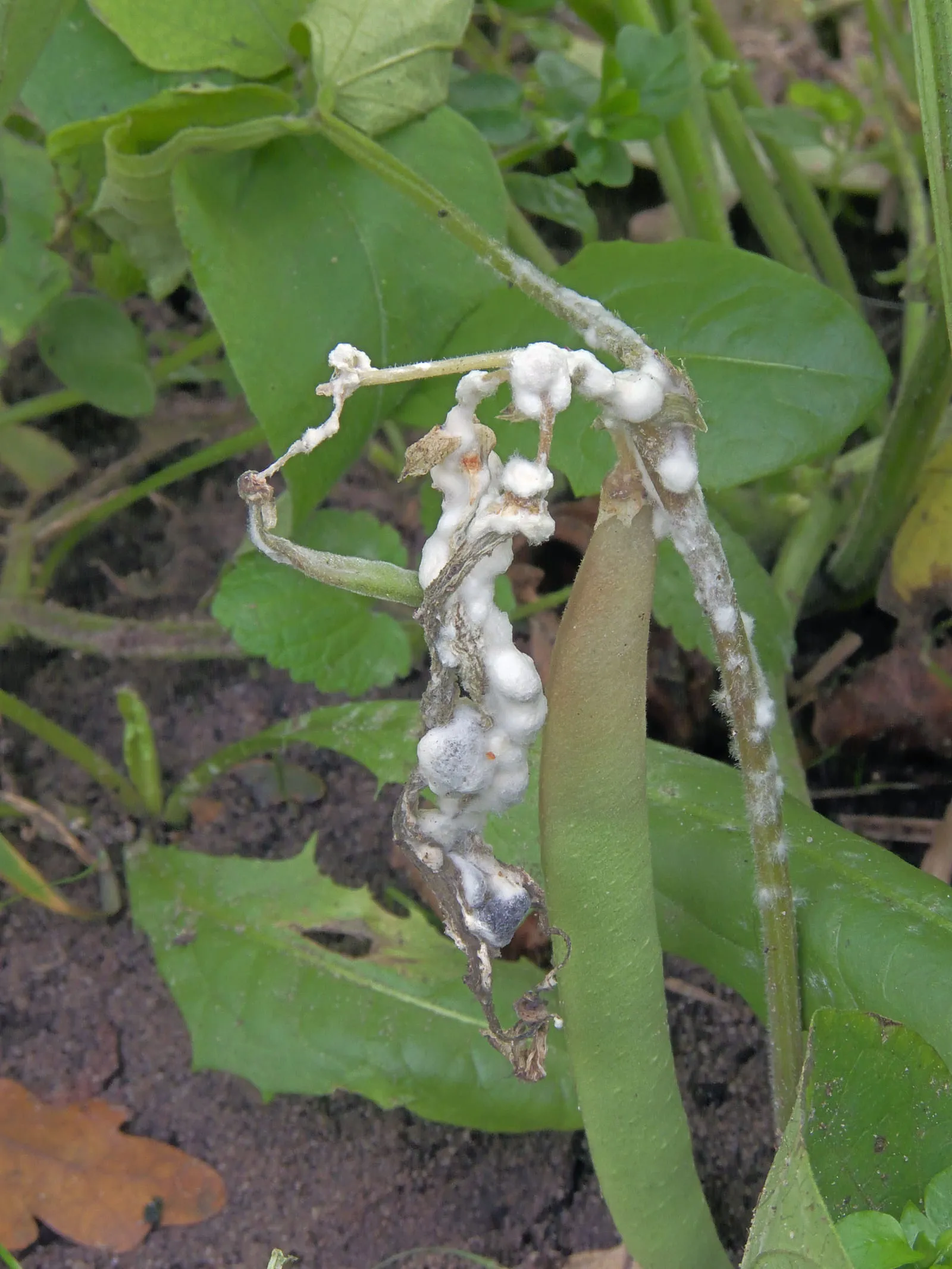
Sclerotinia sclerotiorum
Fungal disease that produces fluffy white mycelium on stems and lower leaves. Forms hard black sclerotia (resting bodies) that survive 5+ years in soil.
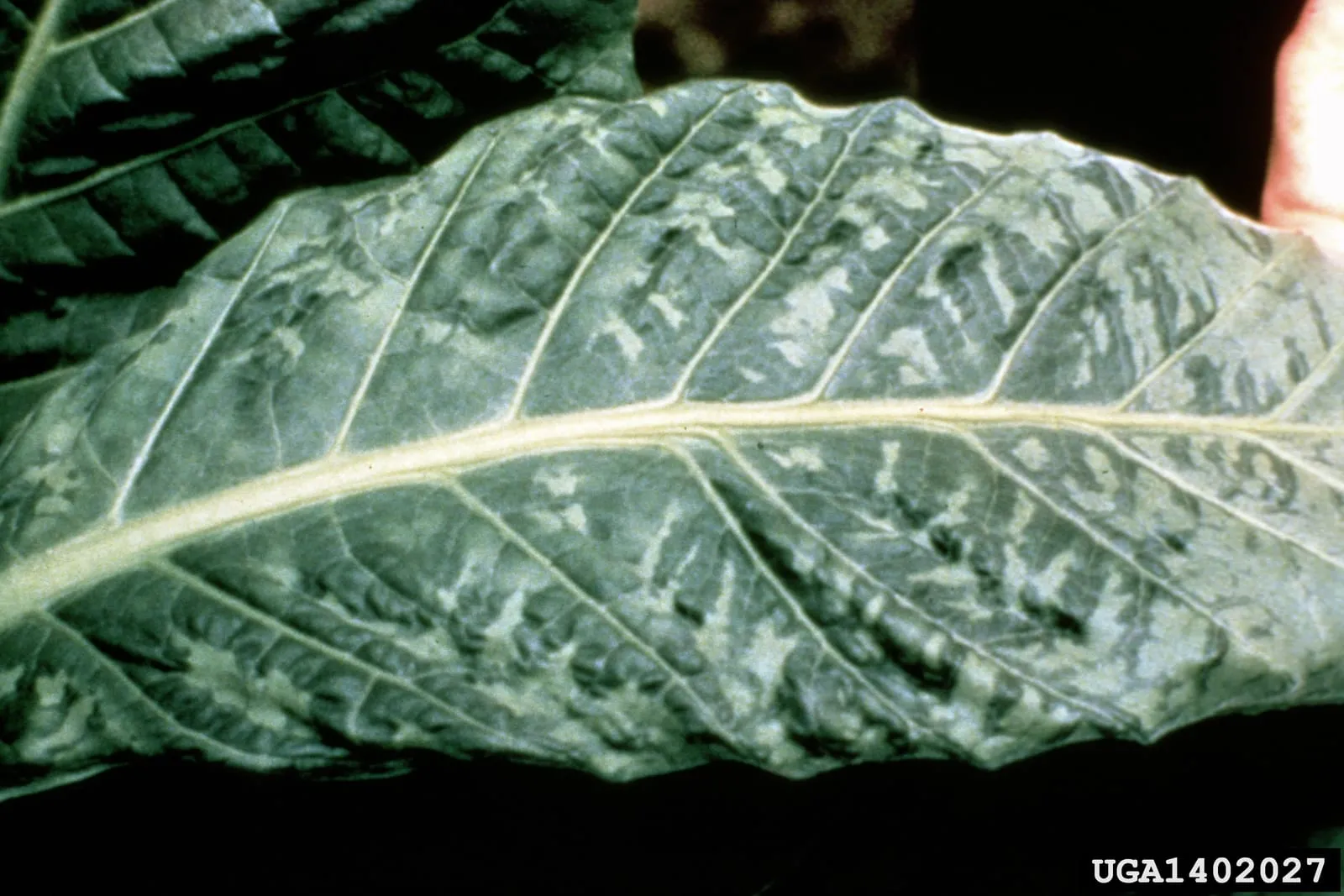
Cucumber mosaic virus, Tobacco mosaic virus, and others
Family of plant viruses producing mottled yellow-and-green leaf patterns. Vectored primarily by aphids; some are seed-transmitted or spread by handling tools and tobacco products.
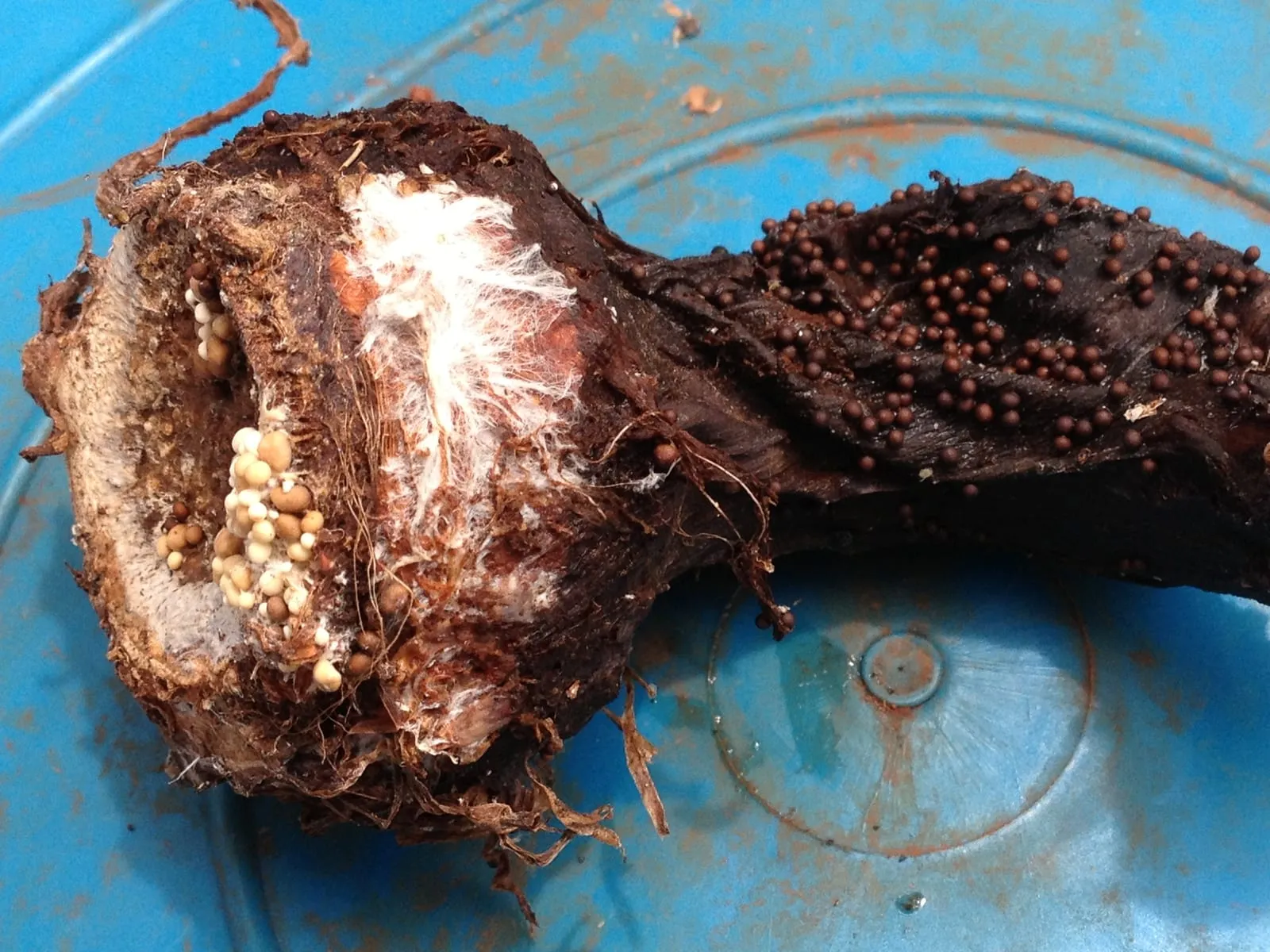
Sclerotium rolfsii
Soil-borne fungal disease most damaging in warm humid Southern conditions. White mycelial fans and small mustard-seed-sized sclerotia at the soil line are diagnostic.
Modified care for zone 7b
The two adjustments that matter most in zone 7b are pest management and spacing for airflow. Japanese beetles are a serious pressure on bean foliage from June through August; row covers applied at planting and removed only for any needed access provide the most reliable protection without pesticide applications. Brown marmorated stink bugs feed on pods and are difficult to control chemically; monitor pod set closely and harvest promptly at maturity to reduce window for damage.
White mold is the primary fungal threat in zone 7b, favored by the humid summers. Plant in single rows rather than wide beds, maintain 4 to 6 inches of spacing between plants, and avoid overhead irrigation. Drip or soaker hose at the base keeps foliage dry during the periods of peak disease pressure. Remove and dispose of any infected plant material promptly rather than composting it.
Frequently asked questions
- Can bush beans be grown year-round in zone 7b?
No. Bush beans are frost-sensitive and die at temperatures below 32°F. In zone 7b the practical growing window runs from mid-April through late October, with two successions possible: spring (April to June) and late summer to fall (late July to October).
- Which bush bean varieties perform best in zone 7b heat?
Provider and Roma II are reliable performers with good heat tolerance and disease resistance. Royal Burgundy's purple pods make harvest easier to spot and the variety shows reasonable heat tolerance. Dragon's Tongue offers a bicolor novelty pod but performs similarly to Provider in hot conditions.
- How do Japanese beetles affect bush beans in zone 7b?
Japanese beetles skeletonize foliage rapidly and populations peak in June and July, coinciding with the spring bean harvest window. Row covers applied at planting exclude adults entirely. Hand-picking works at small scale; pyrethrin-based sprays can reduce damage but require repeated applications and degrade quickly in heat.
- Is white mold a serious problem in zone 7b?
It can be, particularly during wet summers with poor air circulation. The fungus overwinters in soil, so rotating beans to a new bed each season reduces inoculum pressure. Good plant spacing, avoiding overhead watering, and prompt removal of infected tissue are the main management levers.
+−
+−
+−
+−
Bush Bean in adjacent zones
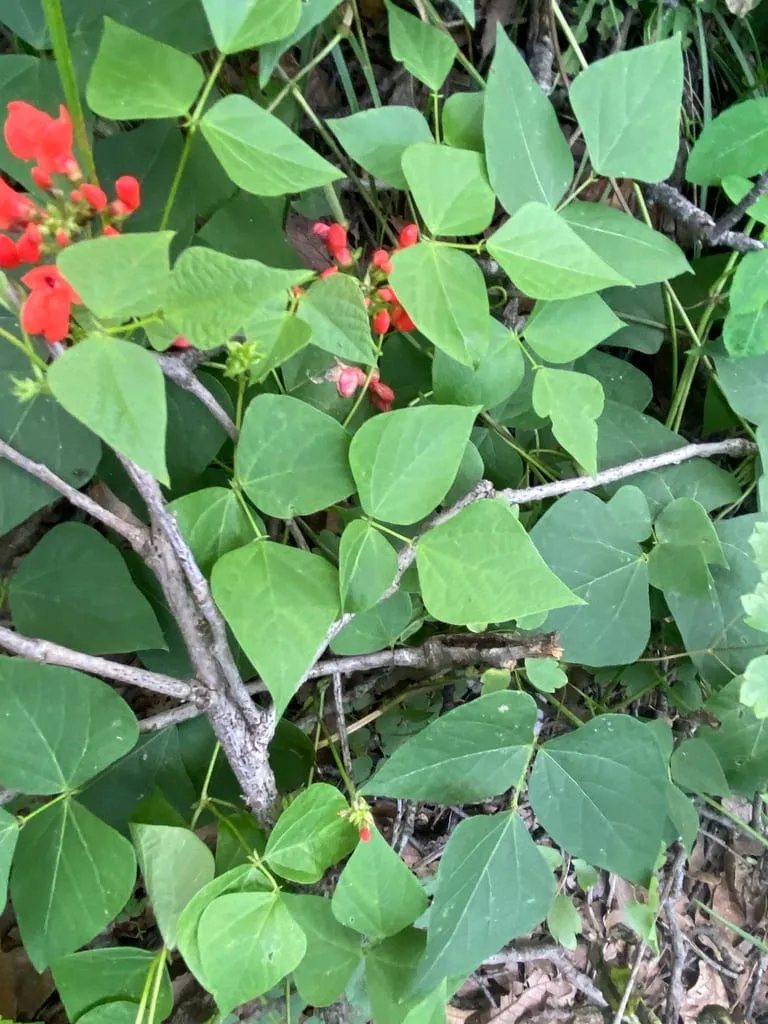
Image: "Ayocote", by Itzel Flores, via iNaturalist, licensed under CC-BY Source.
Related