vegetable in zone 8b
Growing bush bean in zone 8b
Phaseolus vulgaris
- Zone
- 8b 15°F to 20°F
- Growing season
- 260 days
- Suitable varieties
- 0
- Days to harvest
- 50 to 70
The verdict
Bush bean is a warm-season annual with no chill-hour requirement, so zone 8b's mild winters pose no inherent limitation on the crop itself. The 260-day growing season is a significant asset: growers can fit two full successions and often a partial third into a single calendar year. Zone 8b is not a marginal zone for bush beans; it is one of the more productive zones for them.
The constraint to manage is summer heat rather than cold. Bush beans set pods reliably between 65°F and 85°F. When daytime temperatures push consistently above 90°F, which is common across zone 8b in July and August, pod set stalls and quality drops. The practical implication is that midsummer direct seeding rarely pays off. Growers who treat zone 8b as a spring-and-fall bean zone, skipping the peak heat window, typically see much better results than those who plant continuously through summer.
Critical timing for zone 8b
In zone 8b, the spring planting window opens in late February to mid-March once soil temperatures reach 60°F at a 2-inch depth. Bush beans germinate poorly in cold soil and rot quickly if seeded too early. From a mid-March sowing, expect harvest in 50 to 60 days, placing the bulk of spring production in late April through May before sustained heat arrives.
The fall window is equally productive. Counting back 60 days from the average first frost date (typically late November to mid-December across zone 8b) puts the fall seeding target at late September to early October. Soil temperatures remain warm enough for fast germination, and moderating fall temperatures favor good pod set. Frost risk during harvest is low but not zero in northern parts of zone 8b.
Common challenges in zone 8b
- ▸ Low chill hours limit apple variety selection
- ▸ Citrus greening risk
- ▸ Nematodes in sandy soils
Disease pressure to watch for
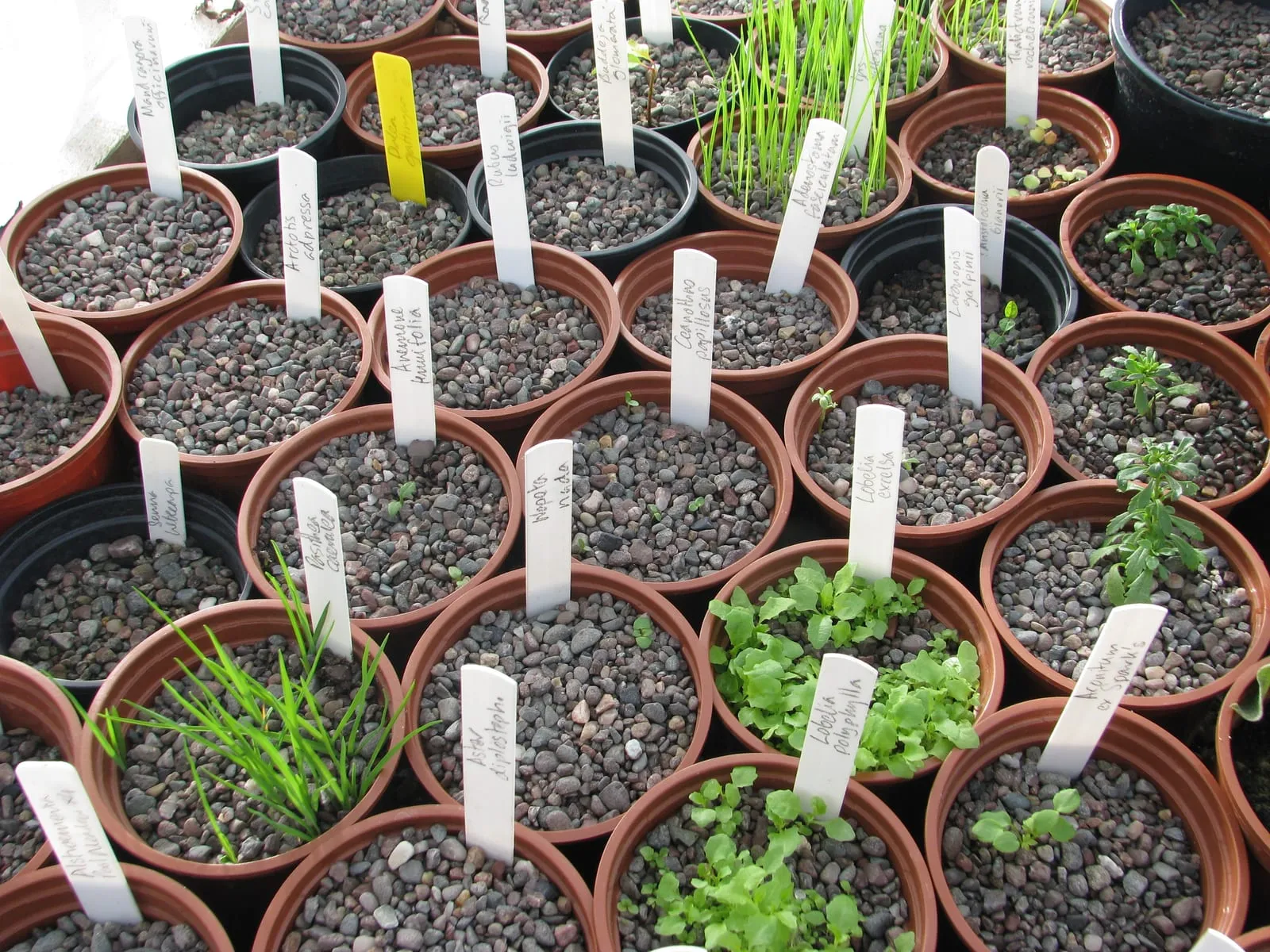
Pythium and Rhizoctonia species
Soil-borne complex of water molds and fungi that kill seedlings before or shortly after emergence. The single most common cause of seed-starting failures.
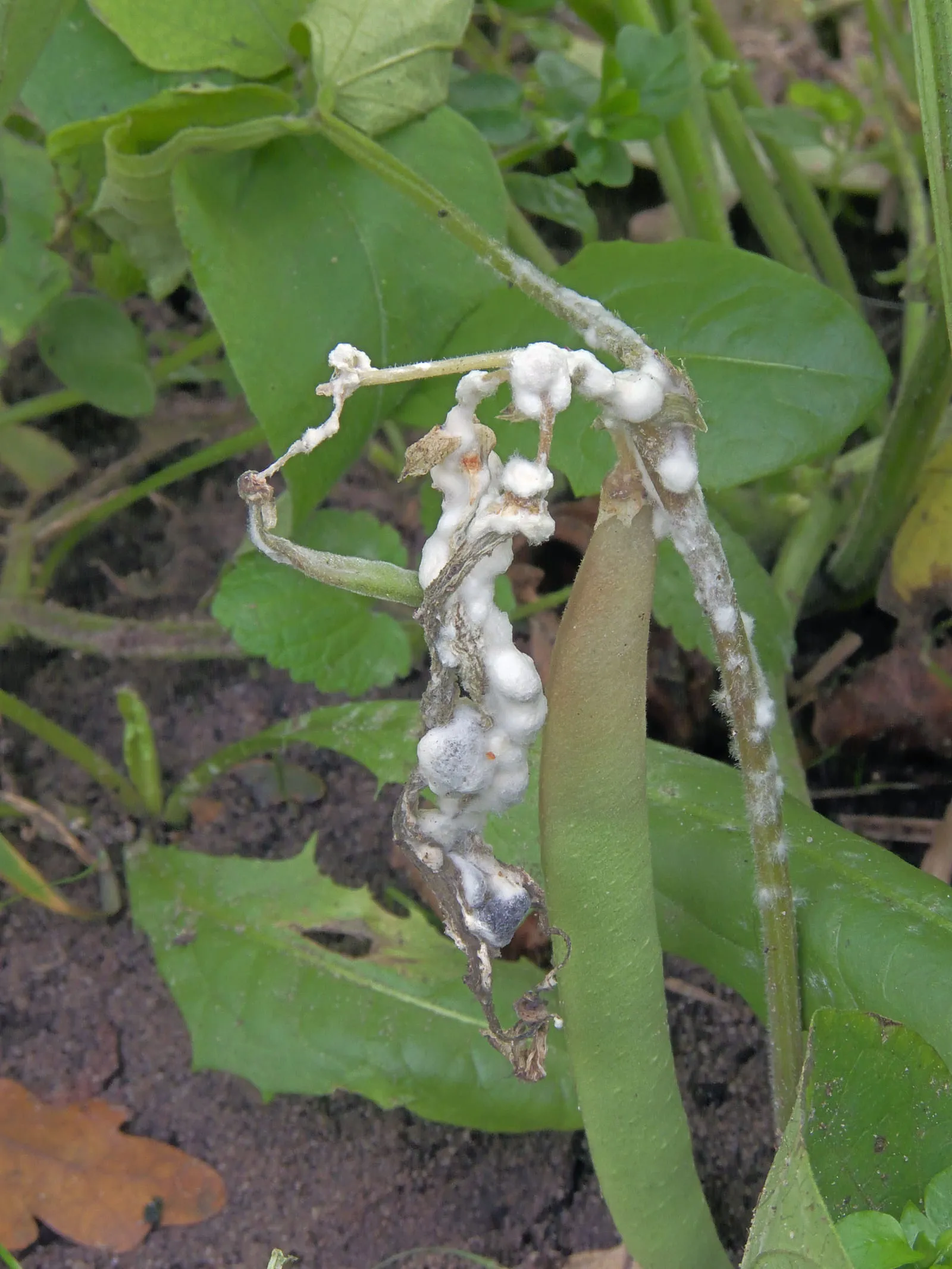
Sclerotinia sclerotiorum
Fungal disease that produces fluffy white mycelium on stems and lower leaves. Forms hard black sclerotia (resting bodies) that survive 5+ years in soil.
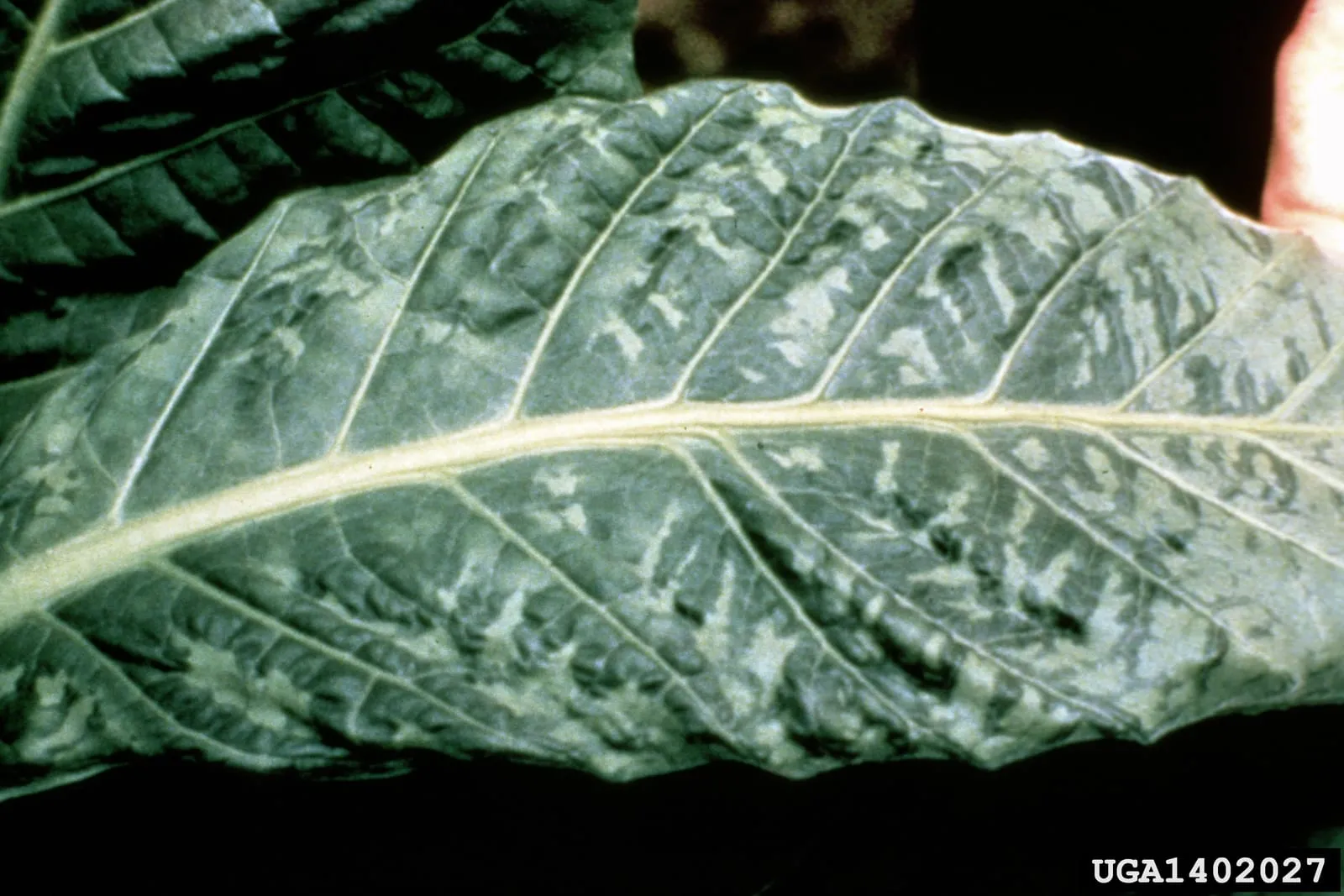
Cucumber mosaic virus, Tobacco mosaic virus, and others
Family of plant viruses producing mottled yellow-and-green leaf patterns. Vectored primarily by aphids; some are seed-transmitted or spread by handling tools and tobacco products.
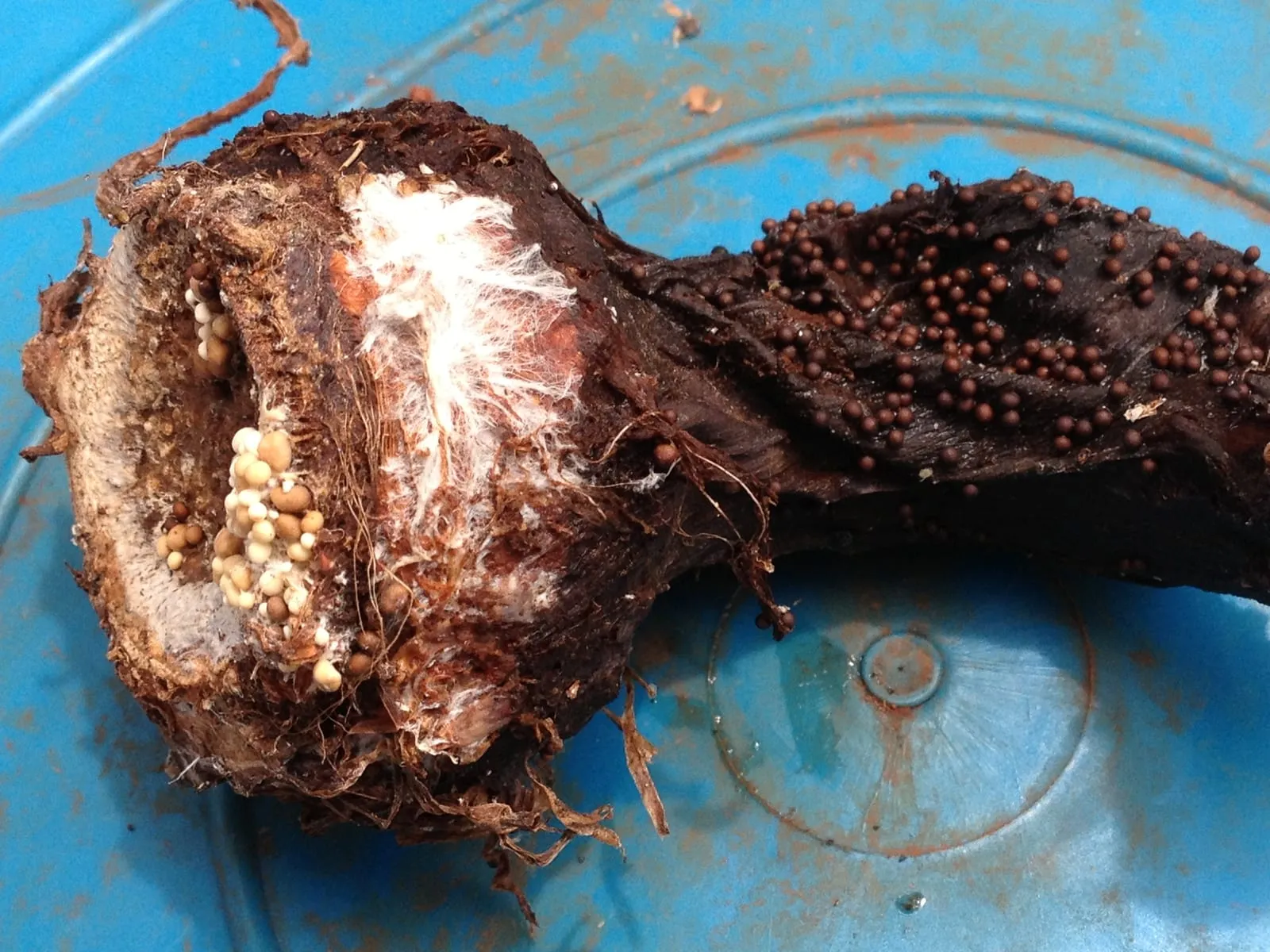
Sclerotium rolfsii
Soil-borne fungal disease most damaging in warm humid Southern conditions. White mycelial fans and small mustard-seed-sized sclerotia at the soil line are diagnostic.
Modified care for zone 8b
White mold, caused by Sclerotinia sclerotiorum, is the primary disease pressure to manage in zone 8b's humid conditions. The pathogen thrives when foliage stays wet and air circulation is restricted. Wider row spacing than the seed packet minimum, avoiding overhead irrigation in favor of drip, and not crowding successive plantings all reduce canopy humidity enough to matter.
Nematodes in sandy soils are a structural problem across parts of zone 8b. In affected beds, rotating bush beans with non-host crops (brassicas, alliums) for at least two seasons before returning helps, but it does not eliminate nematode pressure entirely. Incorporating organic matter improves soil water-holding capacity and partially suppresses nematode populations over time.
Mulching is worth the labor in zone 8b. A 2 to 3 inch layer of straw moderates soil temperature during the shoulder seasons and retains moisture during the dry stretches that follow spring rains.
Bush Bean in adjacent zones
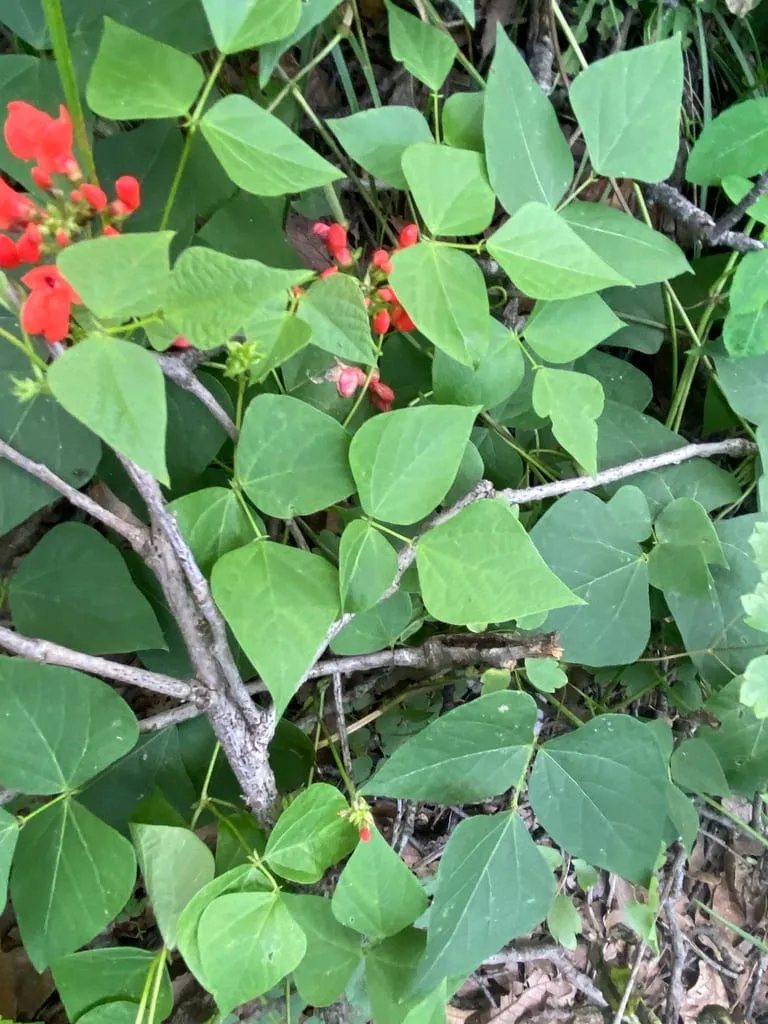
Image: "Ayocote", by Itzel Flores, via iNaturalist, licensed under CC-BY Source.
Related