vegetable in zone 9a
Growing bush bean in zone 9a
Phaseolus vulgaris
- Zone
- 9a 20°F to 25°F
- Growing season
- 290 days
- Suitable varieties
- 0
- Days to harvest
- 50 to 70
The verdict
Bush bean is a warm-season annual with no chill-hour requirement, so zone 9a presents no cold-stratification constraint. The crop's actual challenge here is heat, not cold: prolonged temperatures above 90°F cause blossom drop and reduce pod set. Zone 9a's 290-day growing season is genuinely long enough to support two or even three succession plantings, but the peak summer window (typically June through August in most 9a locations) is often too hot for reliable production. Growers who work around that window rather than through it will get better results. Spring and fall plantings are the sweet spot for this zone. Overall, zone 9a is workable for bush bean, but it requires timing adjustments that growers in zones 5 through 7 don't have to think about.
Critical timing for zone 9a
A spring planting goes in once soil reaches 60°F, typically late January through early March in zone 9a. Bush bean matures in roughly 50 to 60 days from direct sowing, putting the first harvest in March or April, well ahead of peak summer heat. A fall planting sown in late August or September finishes before the first significant cool snap. In mild 9a winters, a third sowing in October or November is sometimes possible and can yield through December. Frost risk is low in most zone 9a locations, so late-fall plantings rarely need protection, though an unexpected cold event below 32°F will damage tender pods.
Common challenges in zone 9a
- ▸ Limited stone fruit options due to insufficient chill
- ▸ Hurricane and tropical storm exposure
- ▸ Citrus disease pressure
Disease pressure to watch for
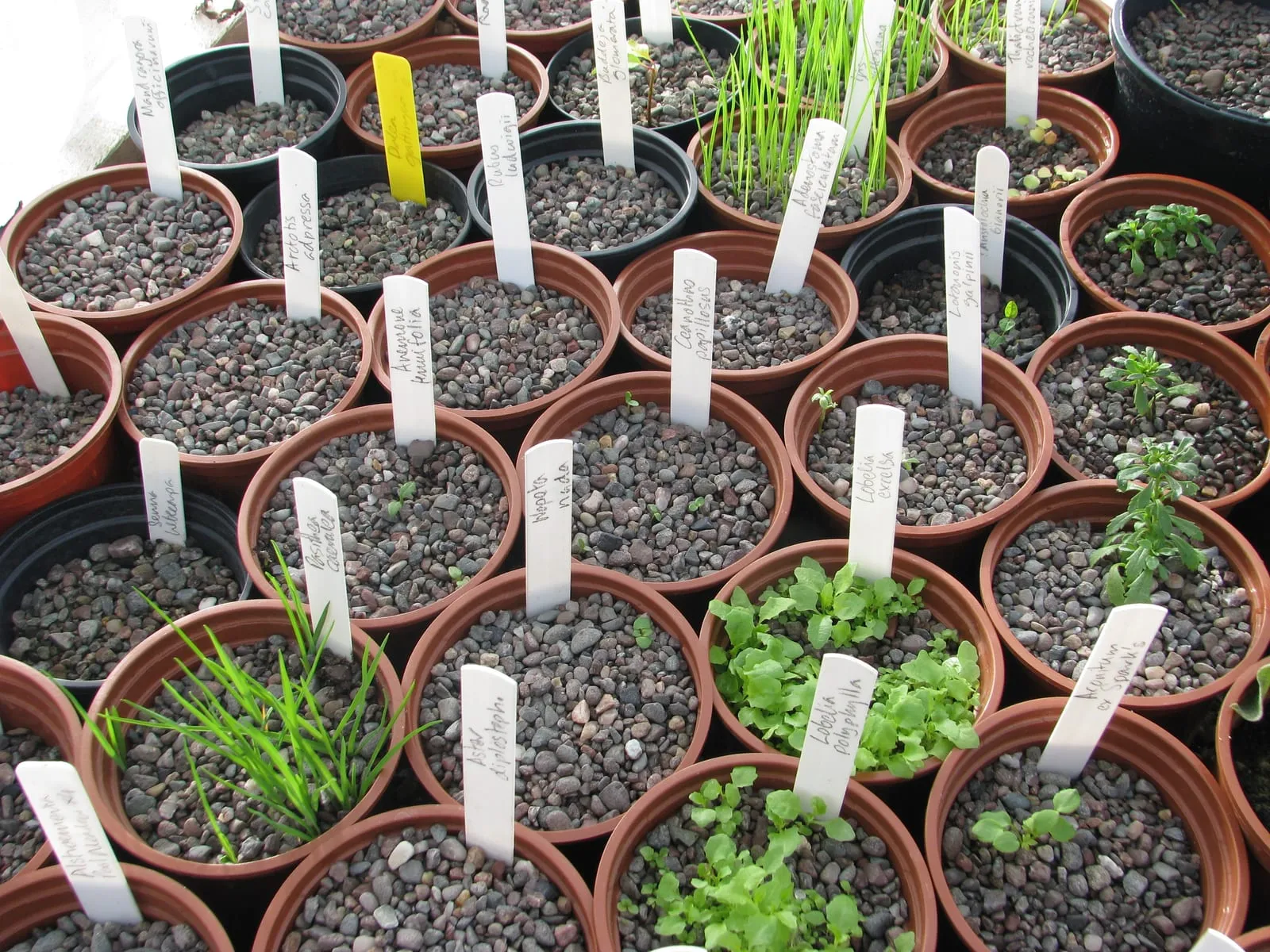
Pythium and Rhizoctonia species
Soil-borne complex of water molds and fungi that kill seedlings before or shortly after emergence. The single most common cause of seed-starting failures.
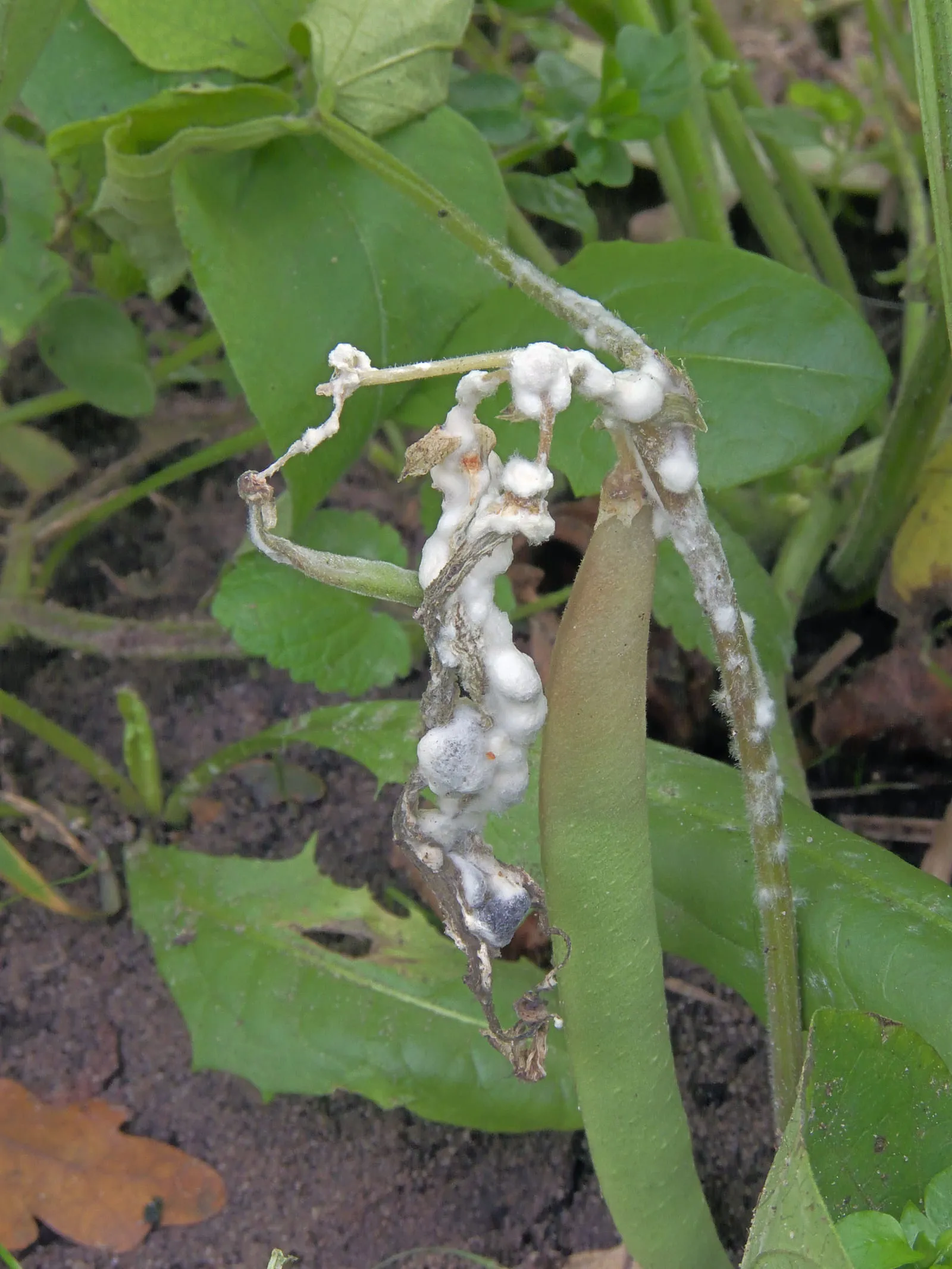
Sclerotinia sclerotiorum
Fungal disease that produces fluffy white mycelium on stems and lower leaves. Forms hard black sclerotia (resting bodies) that survive 5+ years in soil.
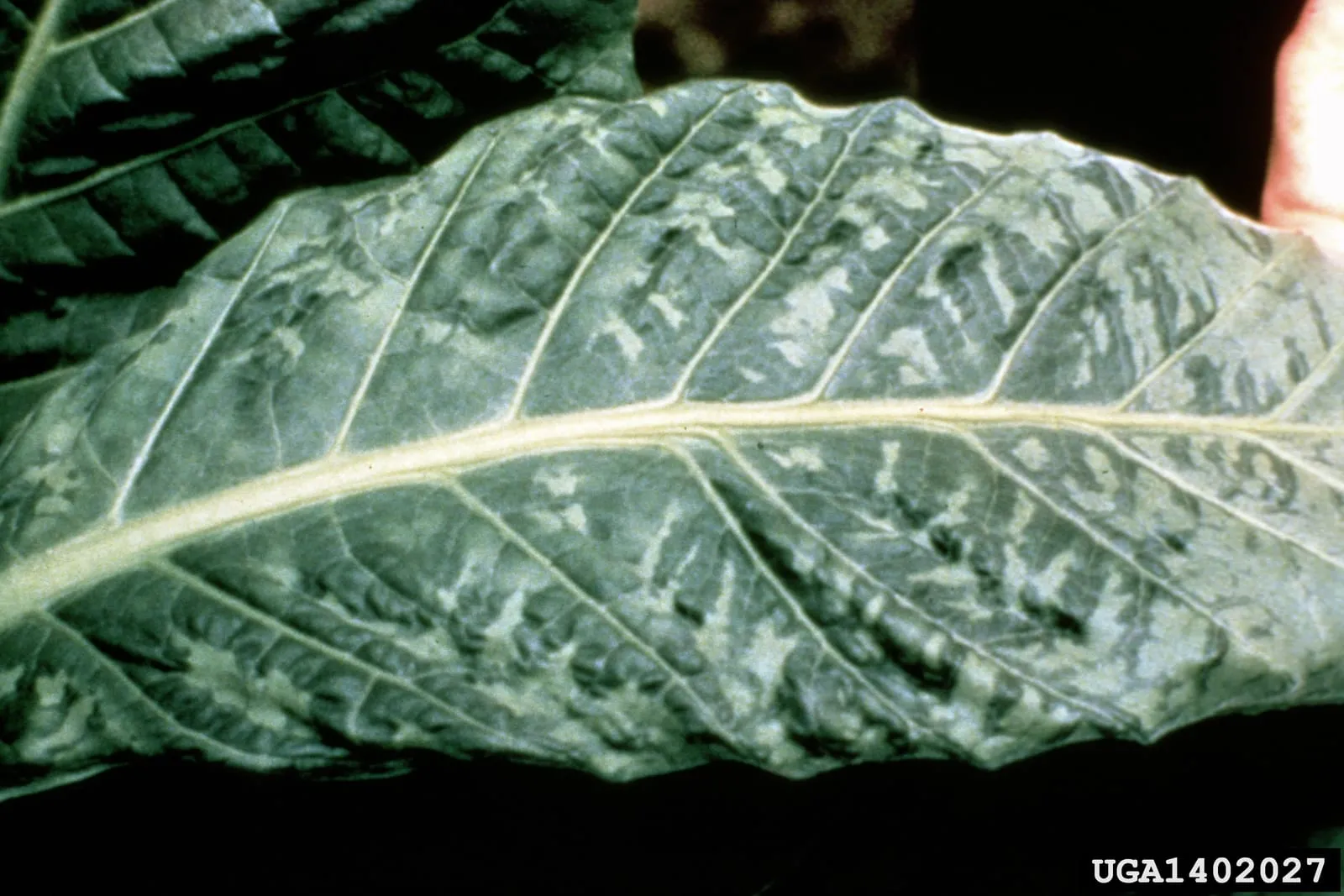
Cucumber mosaic virus, Tobacco mosaic virus, and others
Family of plant viruses producing mottled yellow-and-green leaf patterns. Vectored primarily by aphids; some are seed-transmitted or spread by handling tools and tobacco products.
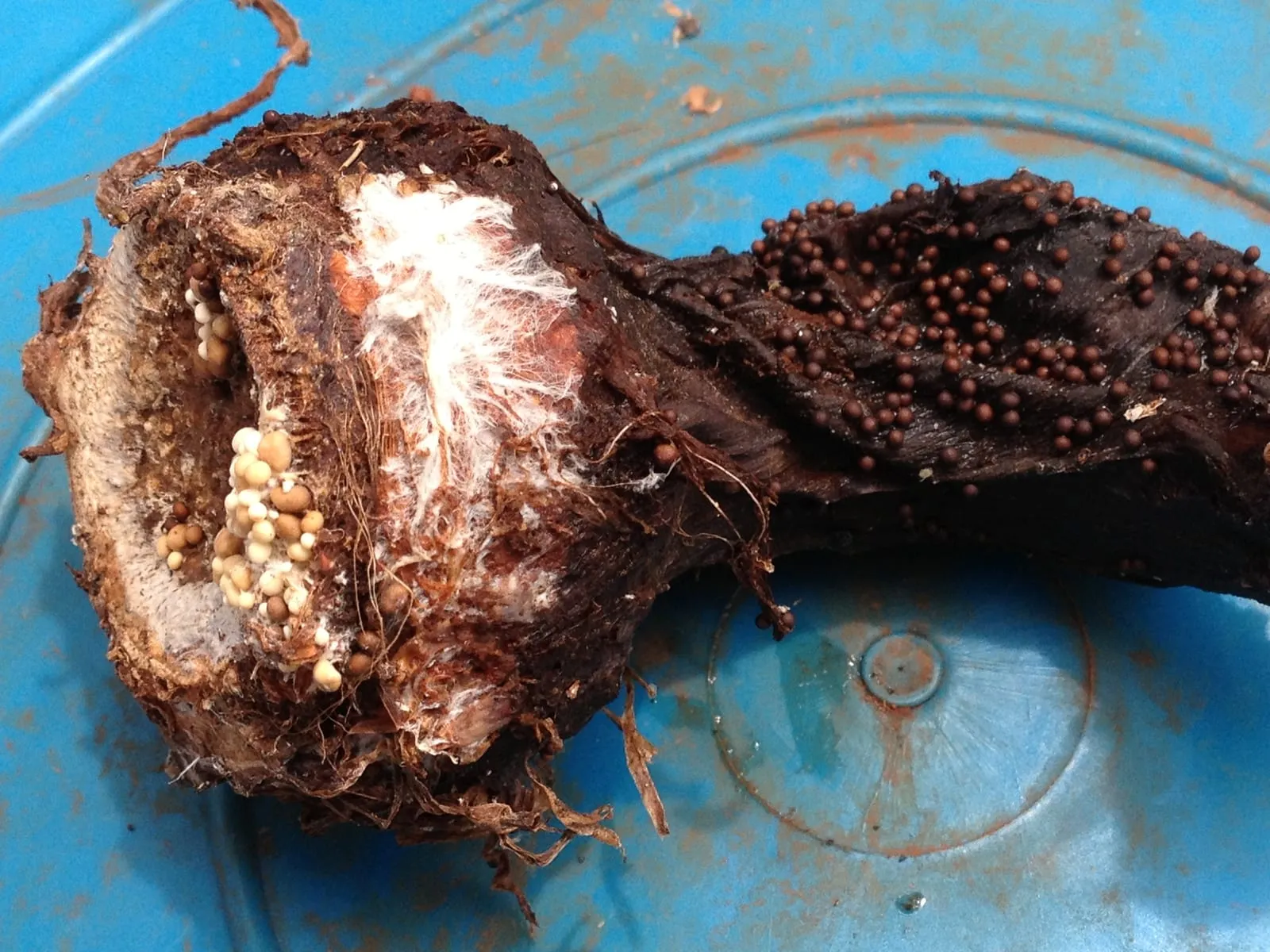
Sclerotium rolfsii
Soil-borne fungal disease most damaging in warm humid Southern conditions. White mycelial fans and small mustard-seed-sized sclerotia at the soil line are diagnostic.
Modified care for zone 9a
The primary adjustment in zone 9a is disease pressure from White Mold (Sclerotinia sclerotiorum), which thrives in the humid conditions common after summer storms and tropical weather events. To reduce risk, space rows to improve air circulation, avoid overhead irrigation, and time plantings so the crop canopies close during drier periods. Crop rotation matters more here than in drier climates; White Mold sclerotia persist in soil for years, so returning beans to the same bed within three seasons is not advisable. During fall plantings, watch for late-season tropical weather that can deposit standing water around the root zone. Summer plantings, if attempted, benefit from shade cloth (30 to 40 percent reduction) to moderate soil temperature and reduce blossom abortion during peak heat.
Frequently asked questions
- Can bush beans be grown year-round in zone 9a?
Near year-round production is possible with careful scheduling. Most growers in zone 9a skip June through August due to heat-related blossom drop, then sow again in late August for a fall crop. In the mildest 9a locations, a winter planting in October or November can also succeed.
- Why do bush bean flowers drop in zone 9a summers?
Bush bean blossoms abort when daytime temperatures consistently exceed 90°F or nighttime temperatures stay above 75°F. Both conditions are common in zone 9a during July and August. The plant is not diseased; it is responding to heat stress. Shifting plantings to spring and fall avoids the issue entirely.
- How serious is White Mold on bush beans in zone 9a?
White Mold (Sclerotinia sclerotiorum) can cause significant losses in humid zone 9a conditions, particularly after tropical storm rainfall. The fungus thrives in dense canopies with poor air movement. Wide row spacing, drip irrigation instead of overhead watering, and crop rotation are the most effective controls.
+−
+−
+−
Bush Bean in adjacent zones
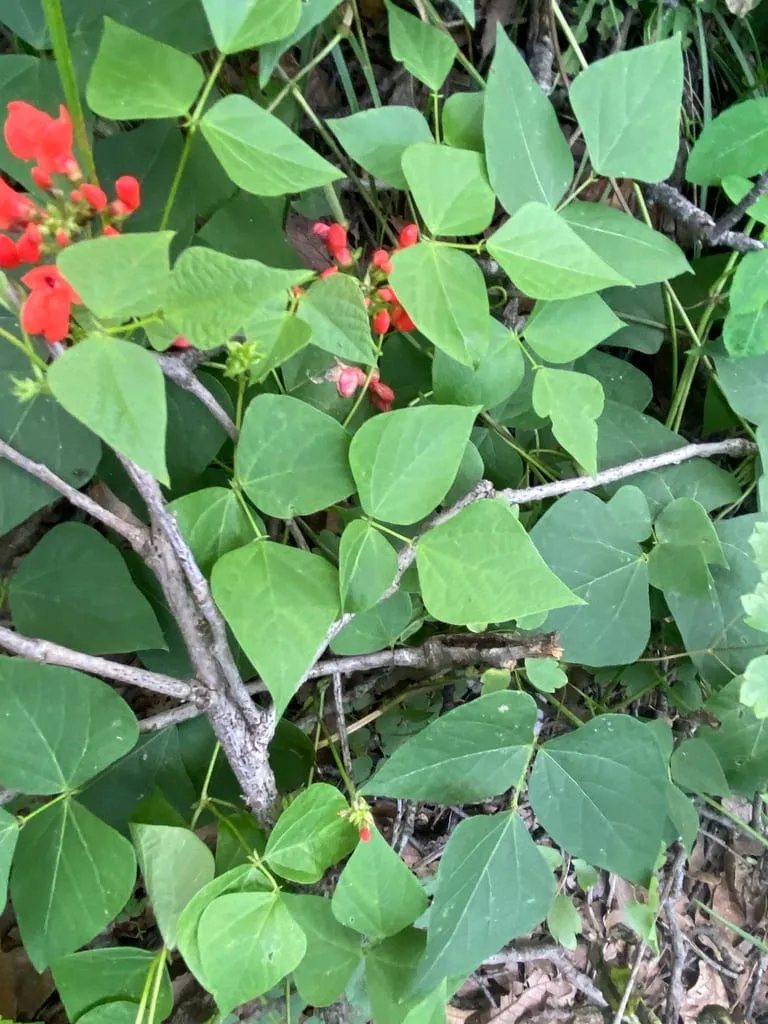
Image: "Ayocote", by Itzel Flores, via iNaturalist, licensed under CC-BY Source.
Related