vegetable in zone 4a
Growing bush bean in zone 4a
Phaseolus vulgaris
- Zone
- 4a -30°F to -25°F
- Growing season
- 120 days
- Suitable varieties
- 4
- Days to harvest
- 50 to 70
The verdict
Bush bean is a warm-season annual with no chill-hour requirement, so zone 4a's winter minimum of -30 to -25°F is irrelevant to the crop itself. What matters is the frost-free window, and at 120 days, zone 4a provides enough growing season for bush beans to complete their cycle comfortably. Most varieties reach harvest in 50 to 60 days from direct sowing, meaning two successional plantings are feasible in a typical year.
Zone 4a is not a marginal zone for bush beans so much as a zone where timing discipline is non-negotiable. The crop cannot tolerate frost at any growth stage, so the planting window opens late and closes with the first fall frost. Varieties like Provider and Royal Burgundy were developed with short-season performance in mind, making them the practical defaults here. Dragon's Tongue and Roma II round out the options but require the same attentive timing. The crop will thrive when planted into warm soil; it will stall or rot when planted too early into cold, wet ground.
Recommended varieties for zone 4a
4 cultivars suited to this zone, with disease-resistance and zone-fit annotations.
| Variety | Notes | Zone fit | Disease resistance |
|---|---|---|---|
| Provider fits zone 4a | Crisp, mild, classic snap-bean flavor; round green pods. Fresh, freezing, canning. Bred for cool-soil germination, the most reliable early-season bush bean. | | none noted |
| Roma II fits zone 4a | Tender, meaty, classic Italian-flat bean flavor; flat green Romano-style pods. Fresh, sauteing, canning. Productive bush version of pole-bean Romano types. | | none noted |
| Royal Burgundy fits zone 4a | Crisp, sweet, deep purple pods that turn green when cooked; novelty fresh bean. Fresh, blanched, salads. Productive heritage variety, easy to spot for harvest. | | none noted |
| Dragon's Tongue fits zone 4a | Crisp, sweet, complex; cream-colored pods striped with purple, fading when cooked. Fresh, blanched, also as shell bean (cranberry-style). Productive heritage variety. | | none noted |
Critical timing for zone 4a
In zone 4a, last spring frost typically falls in late May to early June depending on elevation and local topography. Bush beans should not go in the ground until soil temperature reaches at least 60°F, which often coincides with or slightly lags the last frost date. Germination in cold soil is slow and uneven, and seeds are prone to rotting before they sprout.
From a mid-to-late June sowing, harvest falls in mid-to-late August for most varieties. A second sowing in early July remains viable if the first frost typically arrives in late September or October, but the window is narrow. Bloom occurs roughly 35 to 45 days after germination; late frosts after transplant are not a concern since bush beans are direct-sown, but any cold snap below 32°F during or after germination will set the planting back significantly.
Common challenges in zone 4a
- ▸ Late frosts damage early bloomers
- ▸ Limited peach varieties
Disease pressure to watch for
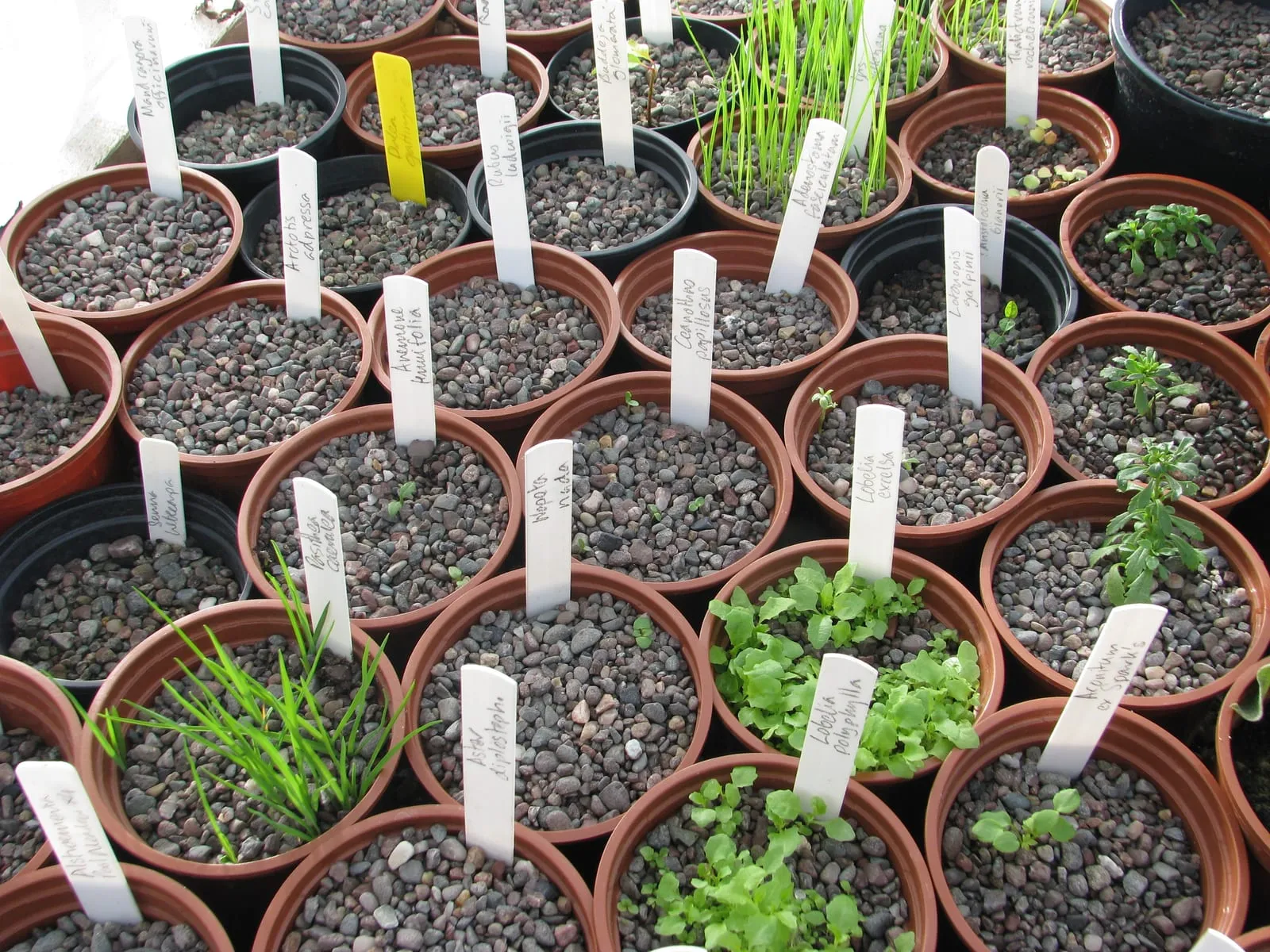
Pythium and Rhizoctonia species
Soil-borne complex of water molds and fungi that kill seedlings before or shortly after emergence. The single most common cause of seed-starting failures.
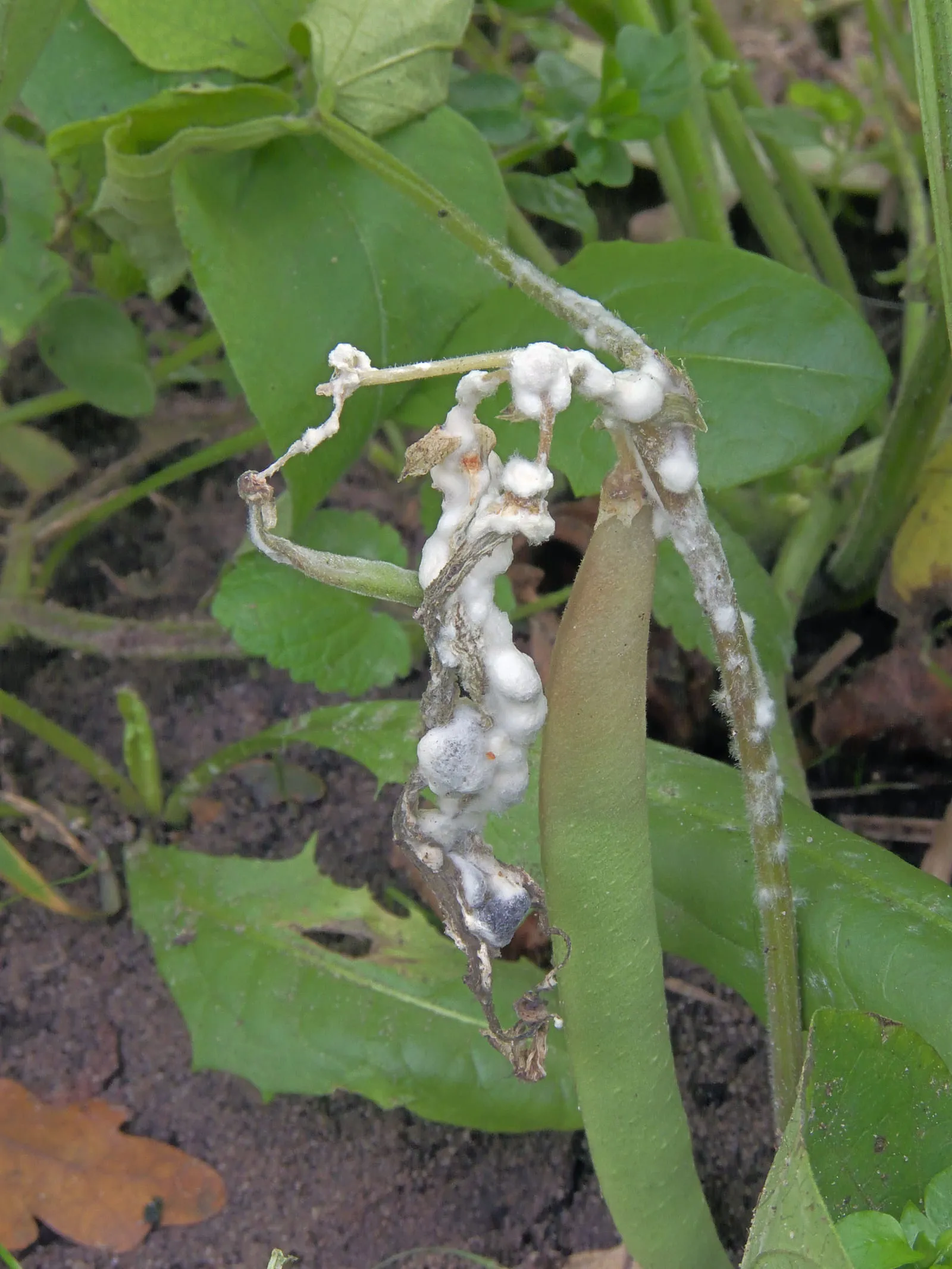
Sclerotinia sclerotiorum
Fungal disease that produces fluffy white mycelium on stems and lower leaves. Forms hard black sclerotia (resting bodies) that survive 5+ years in soil.
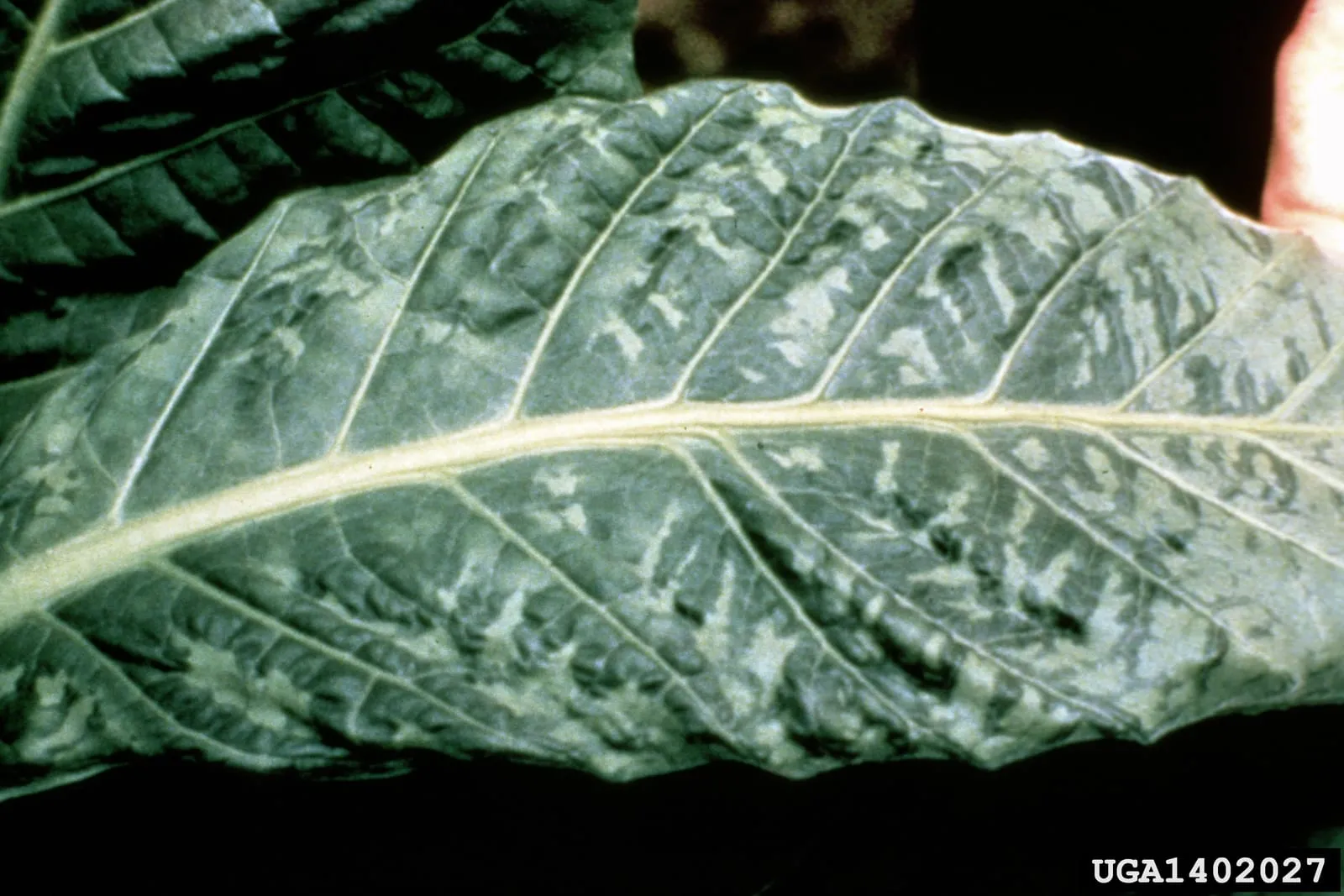
Cucumber mosaic virus, Tobacco mosaic virus, and others
Family of plant viruses producing mottled yellow-and-green leaf patterns. Vectored primarily by aphids; some are seed-transmitted or spread by handling tools and tobacco products.
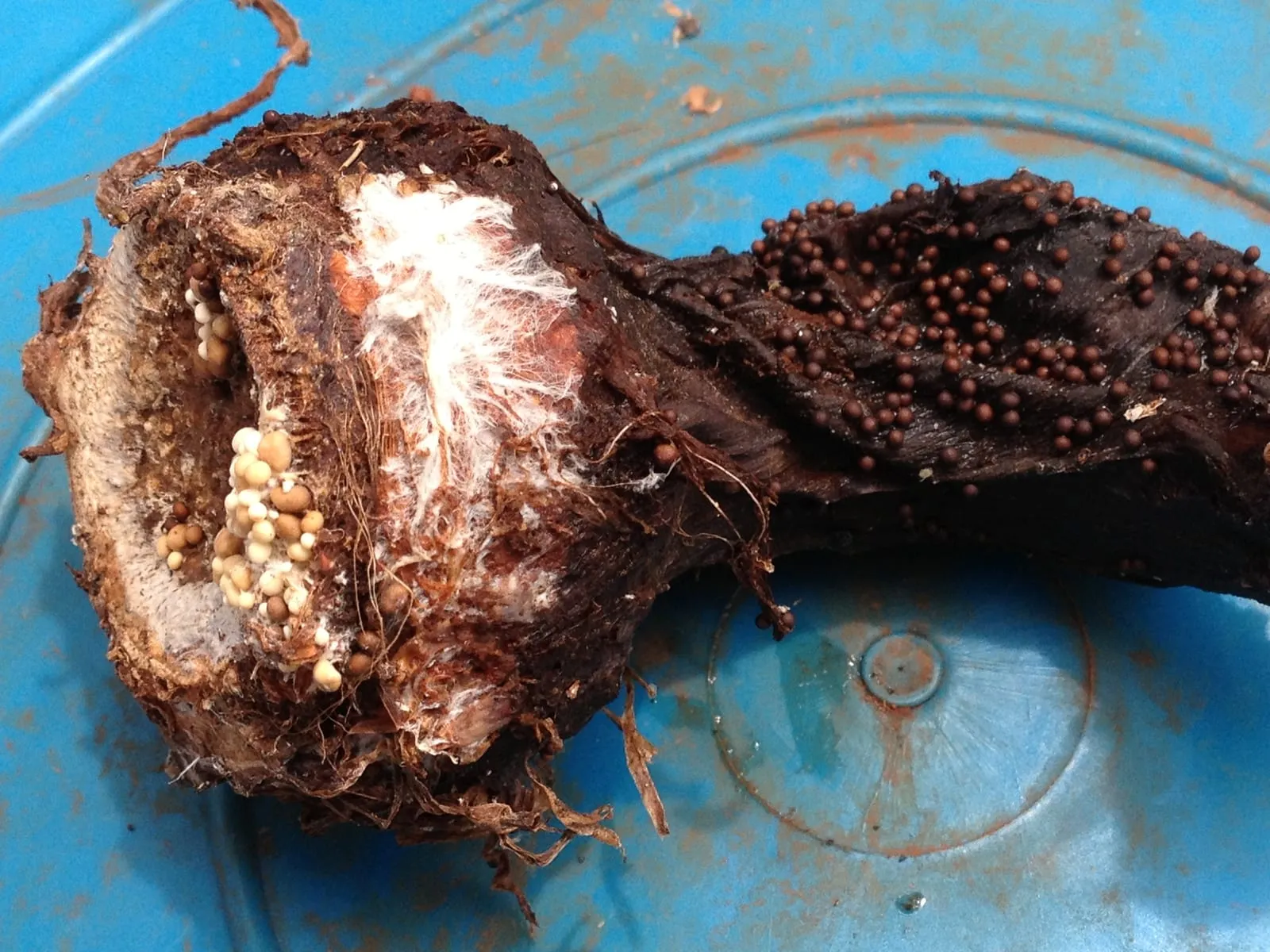
Sclerotium rolfsii
Soil-borne fungal disease most damaging in warm humid Southern conditions. White mycelial fans and small mustard-seed-sized sclerotia at the soil line are diagnostic.
Modified care for zone 4a
The principal adjustment in zone 4a is soil temperature management at planting. Black plastic mulch laid a week before sowing can raise soil temperature by 5 to 10°F, meaningfully extending the effective planting window. This is especially useful in years when the last frost is late and the season feels compressed.
White mold (Sclerotinia sclerotiorum) is the primary disease risk to monitor. It thrives in the cool, moist conditions that characterize zone 4a springs and early summers. Adequate row spacing to promote airflow is the most practical preventive measure; dense plantings in humid years are where losses occur. Avoid overhead irrigation once plants are flowering.
Succession planting should be planned conservatively. A second direct sowing works in zone 4a, but leave at least 55 days between the second sowing date and the expected first fall frost to ensure harvest before cold terminates the season.
Frequently asked questions
- Can bush beans be grown in zone 4a?
Yes. Bush beans are frost-sensitive annuals, but zone 4a's 120-day growing season is sufficient for at least one full planting and often a second. The key constraint is soil temperature: wait until the ground reaches 60°F before sowing, which typically means late May to mid-June.
- Which bush bean varieties perform best in zone 4a?
Provider is widely recommended for short-season zones due to its reliable germination in cooler soils and fast days-to-harvest. Royal Burgundy is another strong option and has the added benefit of purple pods that turn green when cooked, making it easy to spot during harvest. Roma II and Dragon's Tongue are also suited to the zone.
- How do I prevent white mold on bush beans in zone 4a?
White mold pressure is highest in cool, wet summers with poor airflow. Space rows at least 18 inches apart, avoid overhead irrigation during flowering, and rotate bush beans to a different bed every two to three years. There are no highly resistant bush bean varieties widely available, so cultural controls are the primary management tool.
+−
+−
+−
Bush Bean in adjacent zones
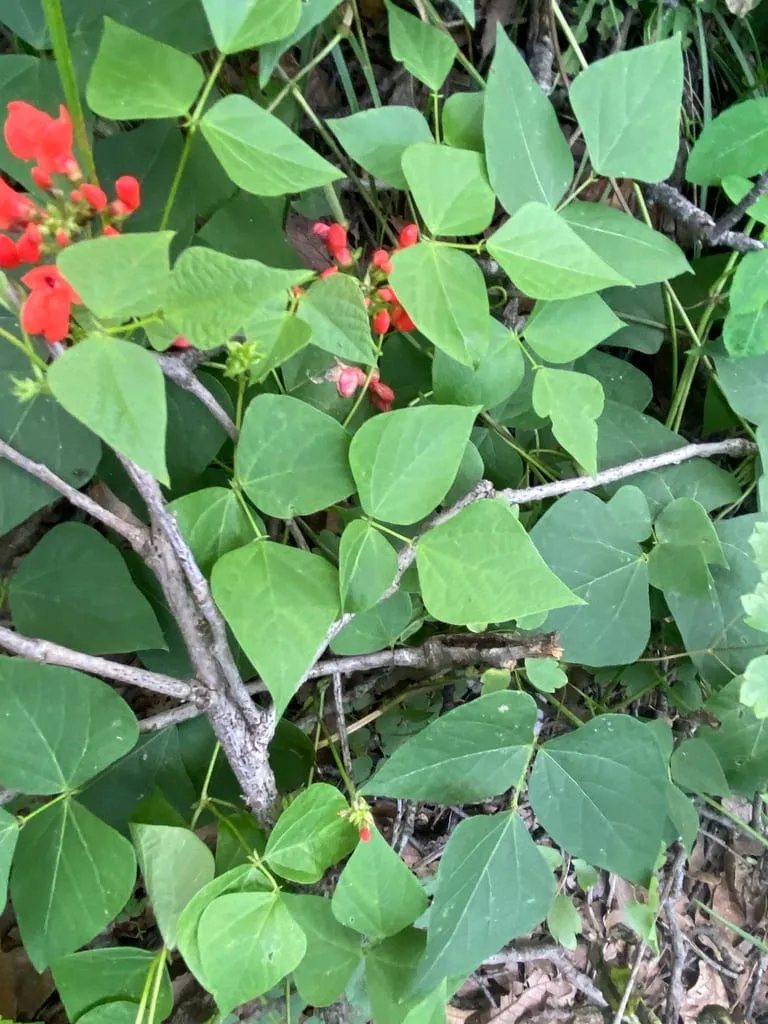
Image: "Ayocote", by Itzel Flores, via iNaturalist, licensed under CC-BY Source.
Related