vegetable in zone 4b
Growing bush bean in zone 4b
Phaseolus vulgaris
- Zone
- 4b -25°F to -20°F
- Growing season
- 130 days
- Suitable varieties
- 4
- Days to harvest
- 50 to 70
The verdict
Bush beans are warm-season annuals, so chill-hour requirements don't apply. What matters in zone 4b is the length and reliability of the frost-free window. At 130 days, the growing season is workable. Most bush bean varieties reach harvest in 50 to 60 days from direct sowing, which leaves genuine margin for a second succession planting and a buffer against early fall frost.
Zone 4b is not marginal for bush beans. It sits comfortably within the crop's viable range, provided planting doesn't happen before soil temperatures reach a sustained 60°F. The varieties listed for this zone (Provider, Roma II, Royal Burgundy, Dragon's Tongue) are all early-to-mid-season types selected specifically because they finish well before the first fall frost. Provider in particular was bred for cool-soil germination tolerance, which is a meaningful advantage in a zone where spring soil warms slowly.
Recommended varieties for zone 4b
4 cultivars suited to this zone, with disease-resistance and zone-fit annotations.
| Variety | Notes | Zone fit | Disease resistance |
|---|---|---|---|
| Provider fits zone 4b | Crisp, mild, classic snap-bean flavor; round green pods. Fresh, freezing, canning. Bred for cool-soil germination, the most reliable early-season bush bean. | | none noted |
| Roma II fits zone 4b | Tender, meaty, classic Italian-flat bean flavor; flat green Romano-style pods. Fresh, sauteing, canning. Productive bush version of pole-bean Romano types. | | none noted |
| Royal Burgundy fits zone 4b | Crisp, sweet, deep purple pods that turn green when cooked; novelty fresh bean. Fresh, blanched, salads. Productive heritage variety, easy to spot for harvest. | | none noted |
| Dragon's Tongue fits zone 4b | Crisp, sweet, complex; cream-colored pods striped with purple, fading when cooked. Fresh, blanched, also as shell bean (cranberry-style). Productive heritage variety. | | none noted |
Critical timing for zone 4b
Last spring frost in zone 4b typically falls between late May and early June, depending on local elevation and cold air drainage. Bush beans planted into cold soil below 60°F germinate poorly and rot; waiting for warm soil is more reliable than going by calendar date alone.
A first sowing in late May to early June, once soil has warmed, puts harvest in mid-to-late July. A second succession sowing two to three weeks after the first extends harvest into August. Planting past mid-July risks running into the first fall frost before pods fully develop. The 130-day growing season in zone 4b allows two successions with reasonable confidence, but later-than-average last frost years compress that window noticeably.
Common challenges in zone 4b
- ▸ Spring frost timing
- ▸ Apple scab pressure
- ▸ Cane berry winter dieback
Disease pressure to watch for
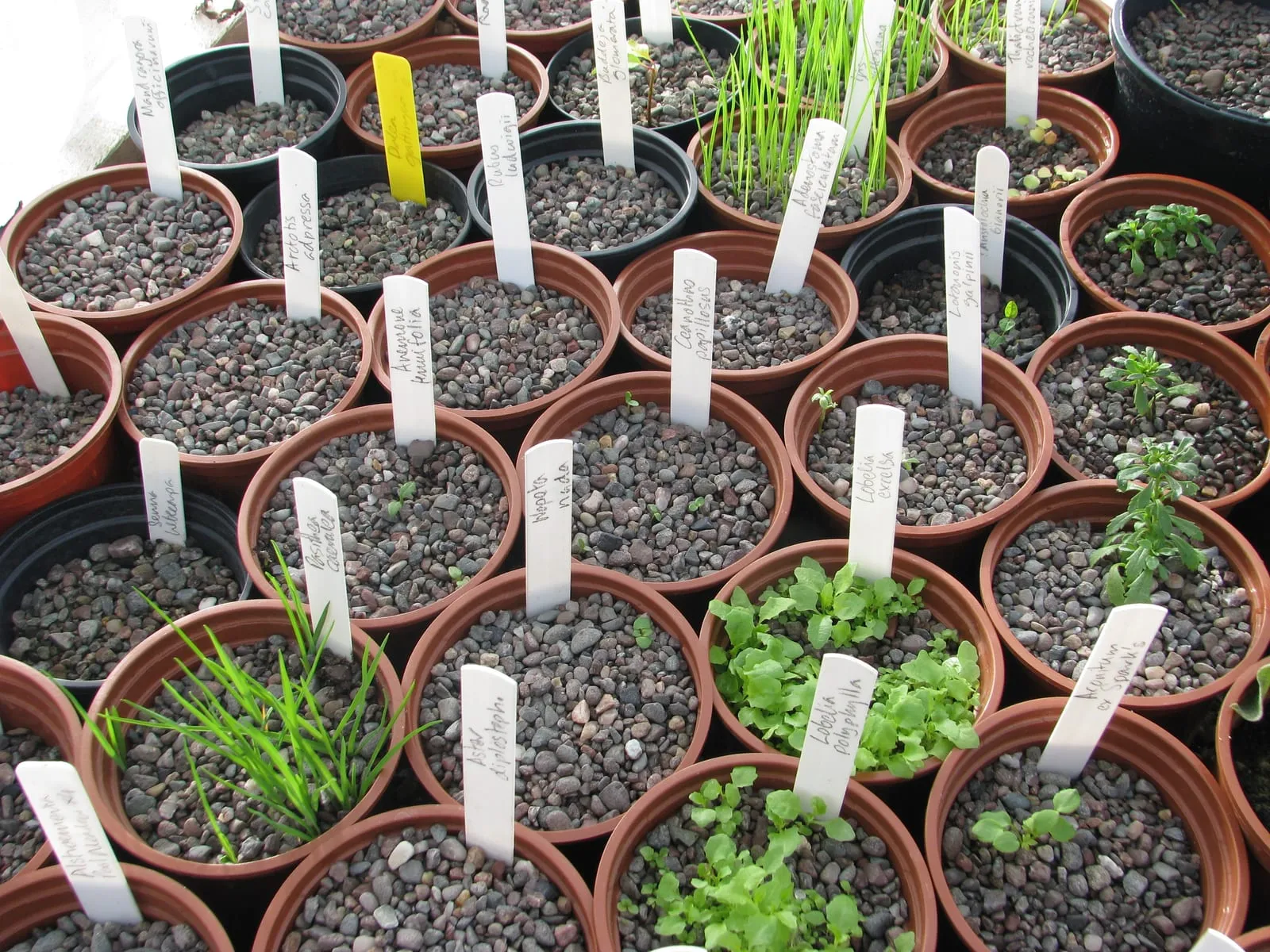
Pythium and Rhizoctonia species
Soil-borne complex of water molds and fungi that kill seedlings before or shortly after emergence. The single most common cause of seed-starting failures.
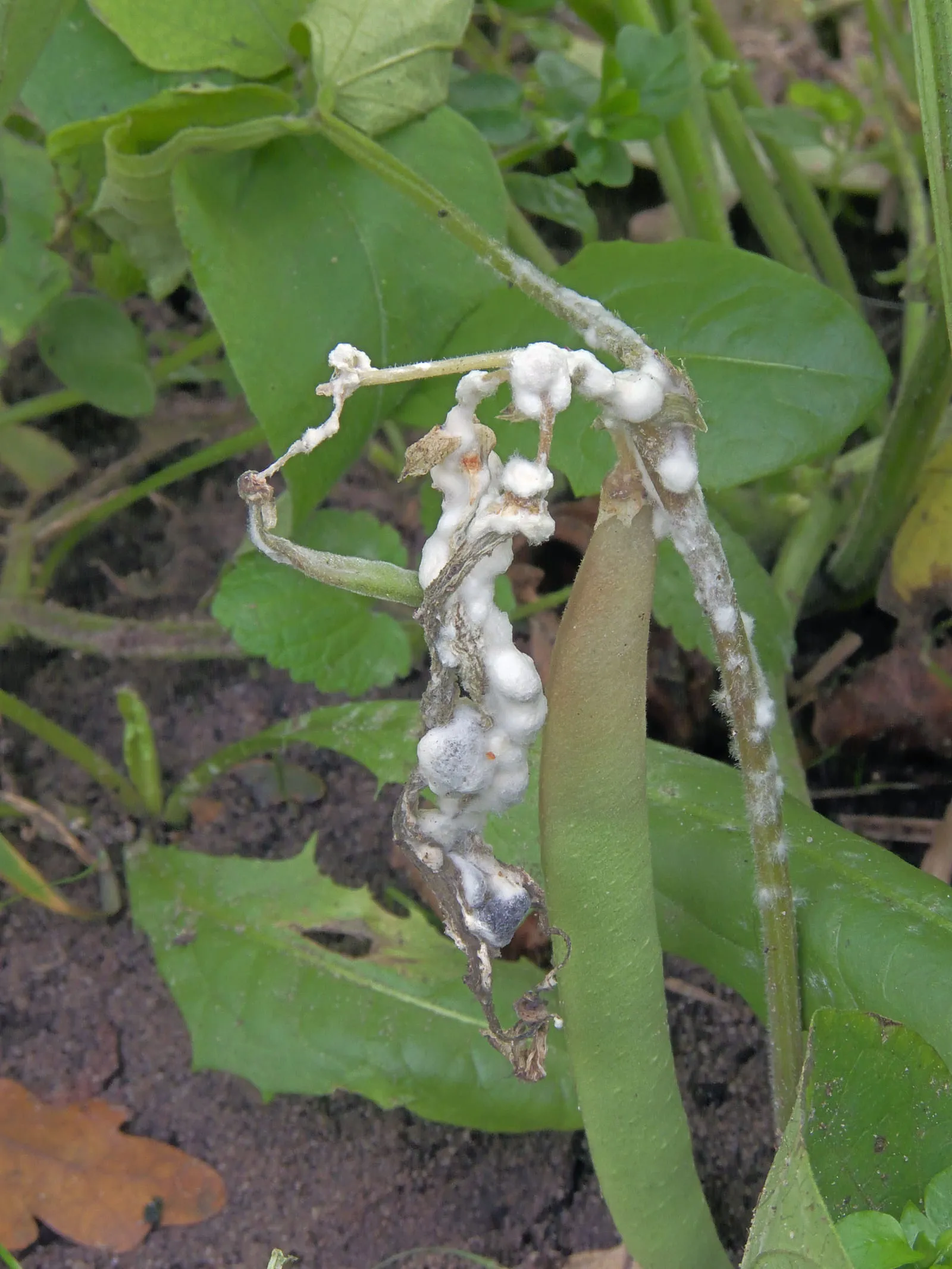
Sclerotinia sclerotiorum
Fungal disease that produces fluffy white mycelium on stems and lower leaves. Forms hard black sclerotia (resting bodies) that survive 5+ years in soil.
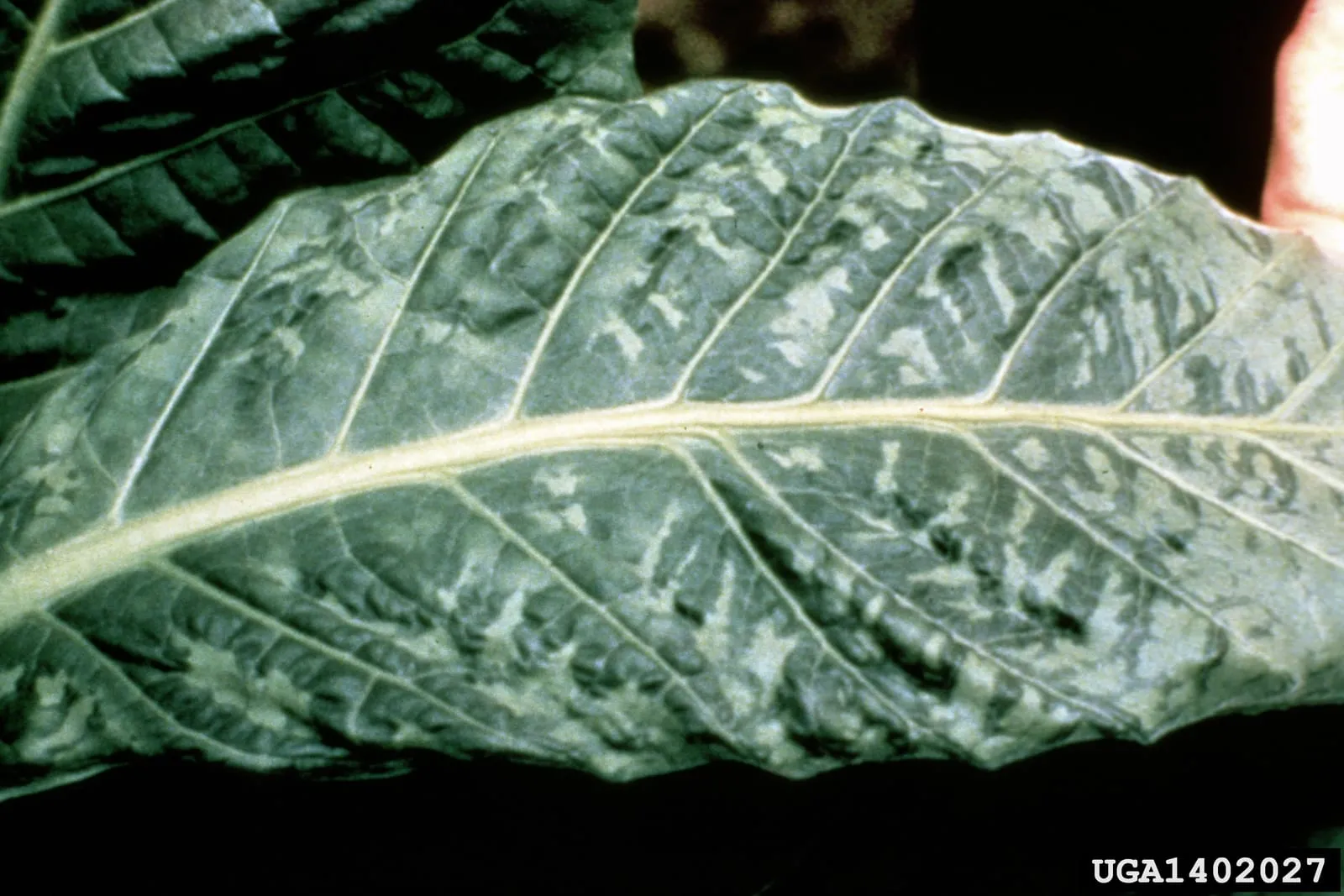
Cucumber mosaic virus, Tobacco mosaic virus, and others
Family of plant viruses producing mottled yellow-and-green leaf patterns. Vectored primarily by aphids; some are seed-transmitted or spread by handling tools and tobacco products.
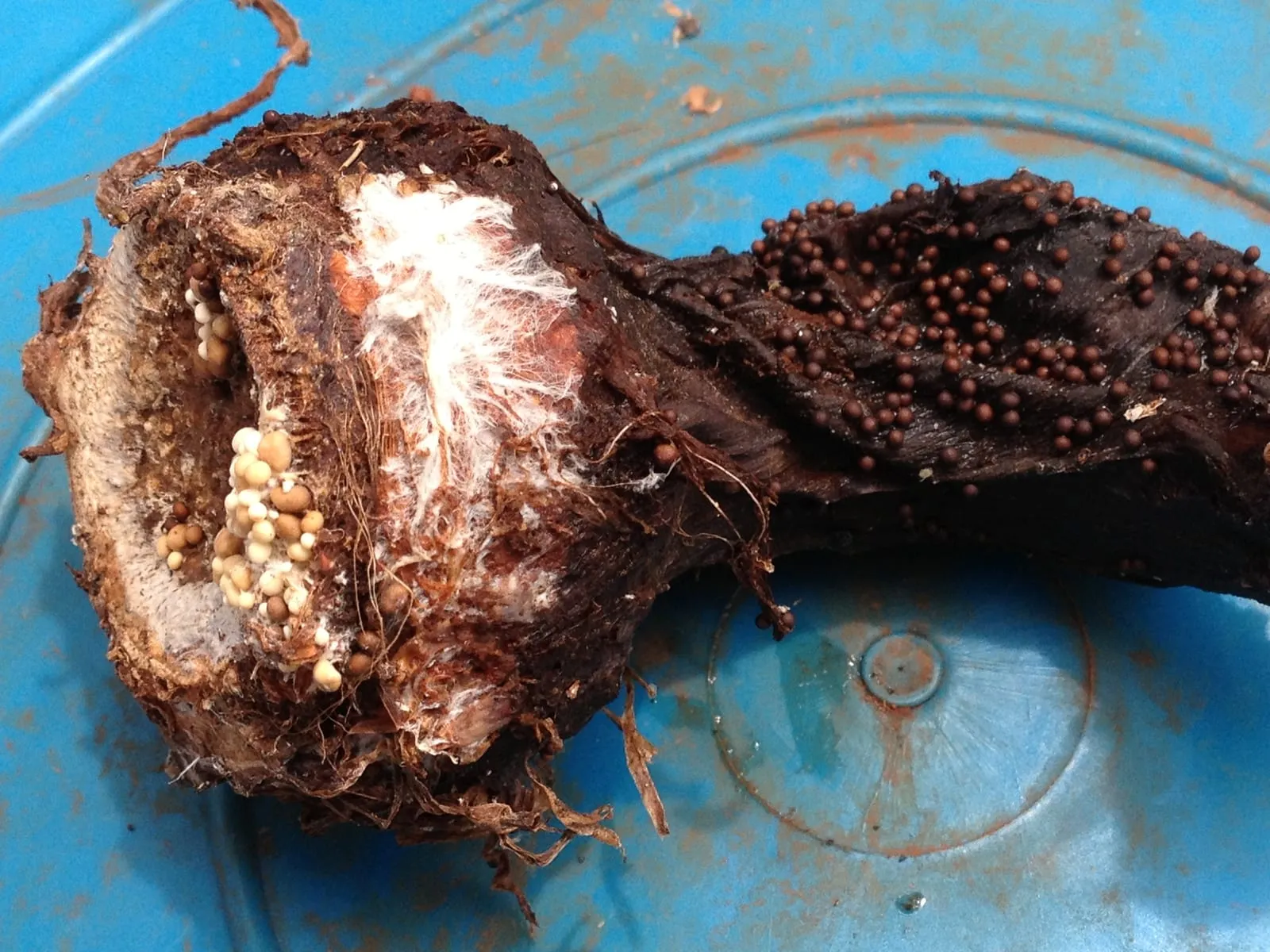
Sclerotium rolfsii
Soil-borne fungal disease most damaging in warm humid Southern conditions. White mycelial fans and small mustard-seed-sized sclerotia at the soil line are diagnostic.
Modified care for zone 4b
The most significant adjustment in zone 4b is soil temperature management at planting time. Using dark plastic mulch or row covers for one to two weeks before sowing can advance soil warming by 5 to 8 degrees, allowing slightly earlier plantings without the germination failures that come from cold, wet soil.
White mold (Sclerotinia sclerotiorum) is the primary disease concern in this zone. It favors cool, humid conditions and dense canopy, which describes zone 4b summers well. Wider in-row spacing than the seed packet recommends (6 to 8 inches rather than 4) improves air circulation and reduces mold pressure. Avoid overhead irrigation once plants are flowering. White mold established in a bed persists in soil for years, so rotating beans to a different bed each season is not optional in zone 4b gardens where the disease has appeared before.
Frequently asked questions
- Can bush beans be planted before the last frost date in zone 4b?
No. Bush beans are frost-sensitive and germinate poorly in soil below 60°F. Planting before the last frost date risks both frost kill and rot from cold, wet soil. Waiting until soil temperature is confirmed above 60°F produces faster, more uniform germination than jumping the calendar.
- Is there time for two plantings of bush beans in zone 4b?
Yes, with the 130-day growing season and bush bean maturity times of 50 to 60 days, two succession plantings are feasible. The first sowing goes in after last frost, the second two to three weeks later. Plantings after mid-July carry meaningful risk of frost cutting the harvest short.
- Which bush bean variety is best for zone 4b?
Provider is the most frost-tolerant at germination and a reliable performer in cool-spring zones. Royal Burgundy also germinates well in cool soil and the purple pods make harvest easier to spot. Roma II suits growers who want a flatter, romano-style bean. Dragon's Tongue is the most visually distinctive but performs similarly to Provider in the field.
- How serious is white mold on bush beans in zone 4b?
White mold can cause significant yield loss in cool, humid summers. The fungus persists in soil for many years once established. Wider plant spacing, drip rather than overhead irrigation, and annual crop rotation to a different garden bed are the most effective preventive measures. Fungicide applications at flowering can help in high-pressure years.
+−
+−
+−
+−
Bush Bean in adjacent zones
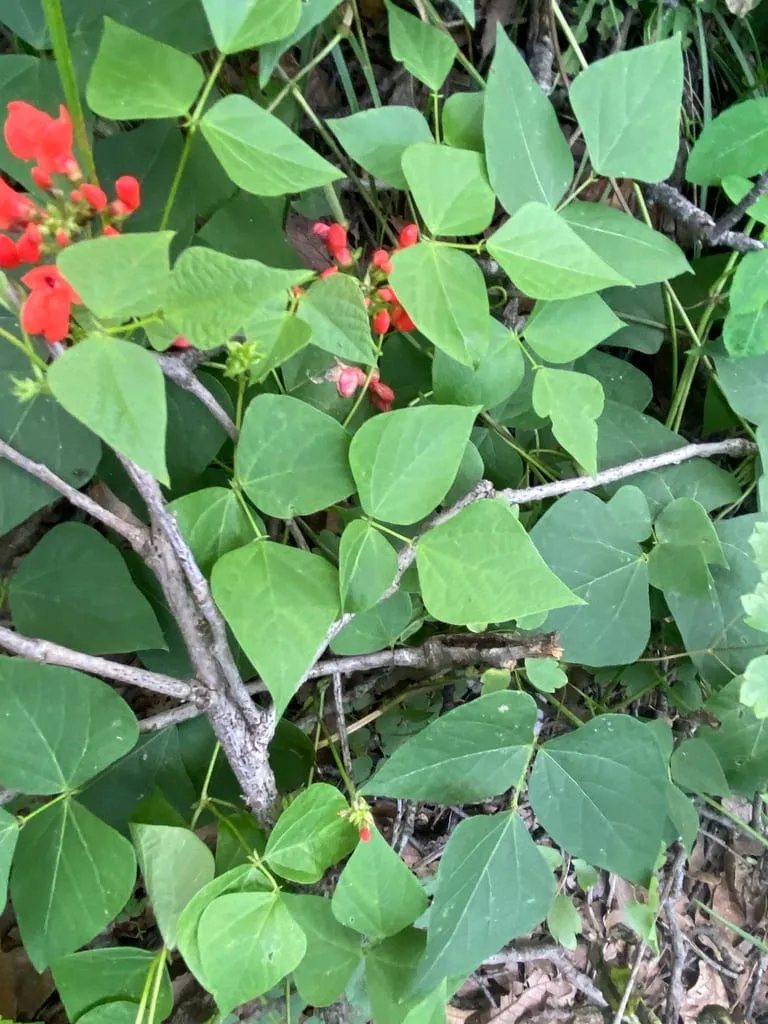
Image: "Ayocote", by Itzel Flores, via iNaturalist, licensed under CC-BY Source.
Related