vegetable in zone 3b
Growing bush bean in zone 3b
Phaseolus vulgaris
- Zone
- 3b -35°F to -30°F
- Growing season
- 100 days
- Suitable varieties
- 1
- Days to harvest
- 50 to 70
The verdict
Bush bean is a warm-season annual with no chill-hour requirement, so zone 3b's brutal winter temperatures are not the limiting factor. The constraint is the 100-day frost-free window. Bush beans need soil temperatures above 60°F to germinate reliably and cannot tolerate any frost at any growth stage. In zone 3b, last spring frost dates typically fall late May to early June, with first fall frost returning as early as mid-August in colder pockets. That leaves 70 to 90 frost-free days in favorable years, which is enough for a single crop of Provider (50 days to maturity) with modest margin.
Zone 3b is workable for bush beans, but it is not a sweet spot. A late-arriving spring or early September frost can cut the season short before pods fully develop. Succession planting, common in milder zones, is rarely practical here. Growers should treat each planting as the only planting of the season and protect it accordingly.
Recommended varieties for zone 3b
1 cultivar suited to this zone, with disease-resistance and zone-fit annotations.
| Variety | Notes | Zone fit | Disease resistance |
|---|---|---|---|
| Provider fits zone 3b | Crisp, mild, classic snap-bean flavor; round green pods. Fresh, freezing, canning. Bred for cool-soil germination, the most reliable early-season bush bean. | | none noted |
Critical timing for zone 3b
Planting should wait until soil temperature at 2-inch depth holds at 60°F or above, typically the first to second week of June in zone 3b. Germination at soil temperatures below 60°F is slow and erratic, and seedlings are vulnerable to damping-off pathogens in cold, wet soil.
Provider reaches bloom roughly 35 to 40 days after emergence, placing flowering in mid-to-late July. Pods fill and are ready to harvest around day 50, targeting early-to-mid August. This schedule leaves a buffer of two to four weeks before the average first fall frost, but that buffer can vanish in years with an early September cold snap. Monitoring the 10-day forecast through August is worthwhile; covering plants or accelerating harvest at the sign of frost risk can protect the crop.
Common challenges in zone 3b
- ▸ Short season
- ▸ Winter desiccation
- ▸ Site selection critical for fruit trees
Disease pressure to watch for
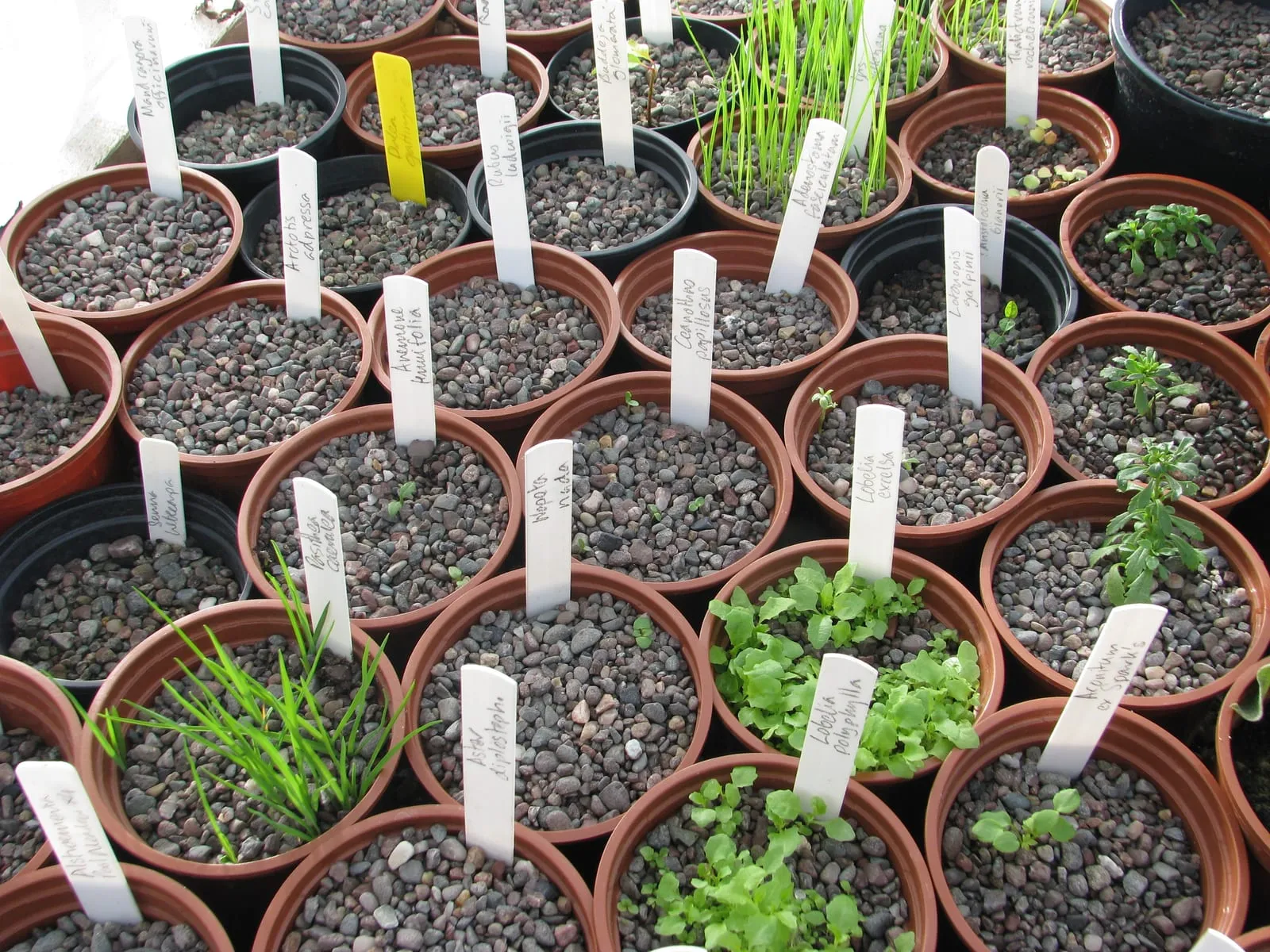
Pythium and Rhizoctonia species
Soil-borne complex of water molds and fungi that kill seedlings before or shortly after emergence. The single most common cause of seed-starting failures.
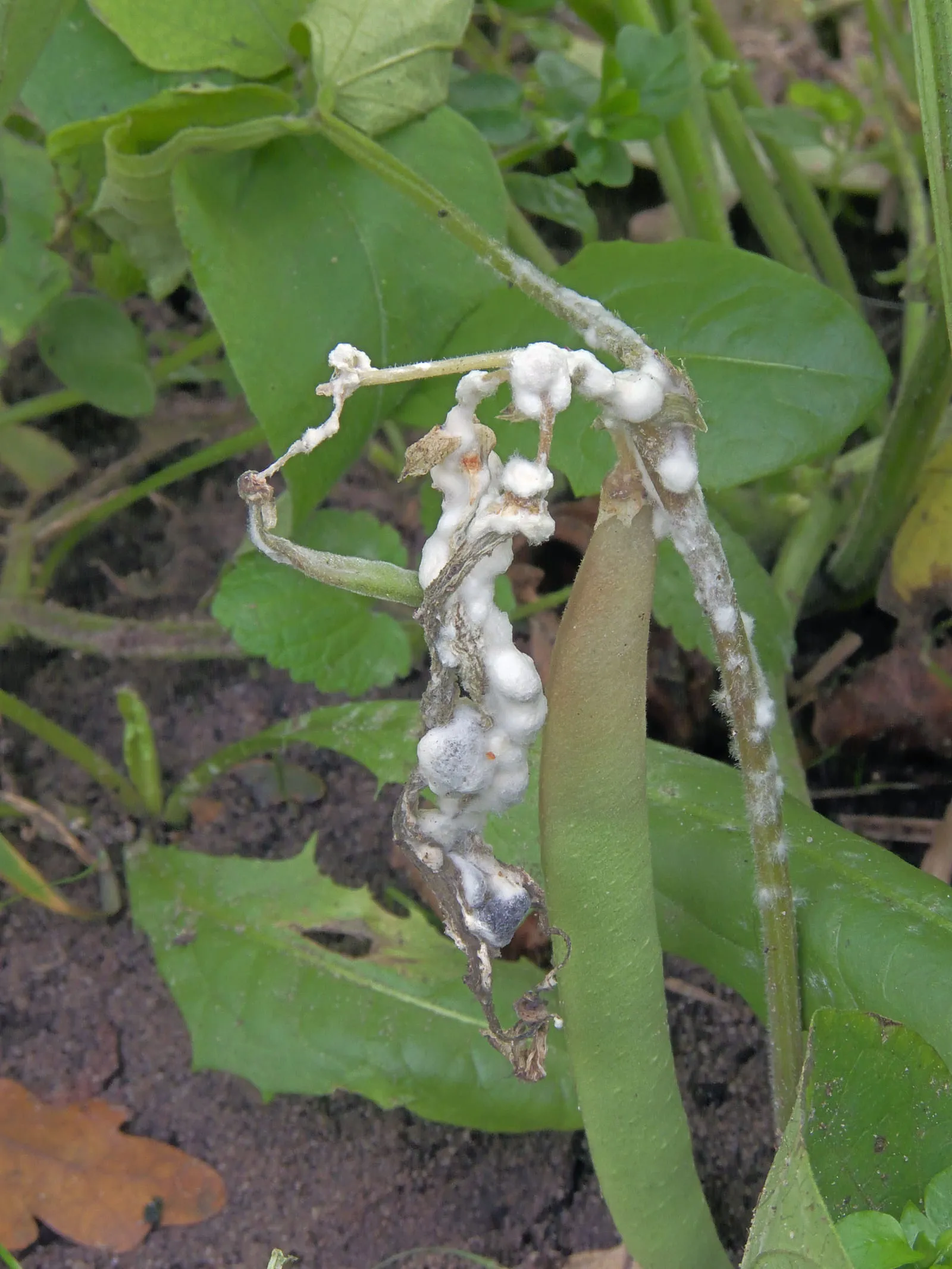
Sclerotinia sclerotiorum
Fungal disease that produces fluffy white mycelium on stems and lower leaves. Forms hard black sclerotia (resting bodies) that survive 5+ years in soil.
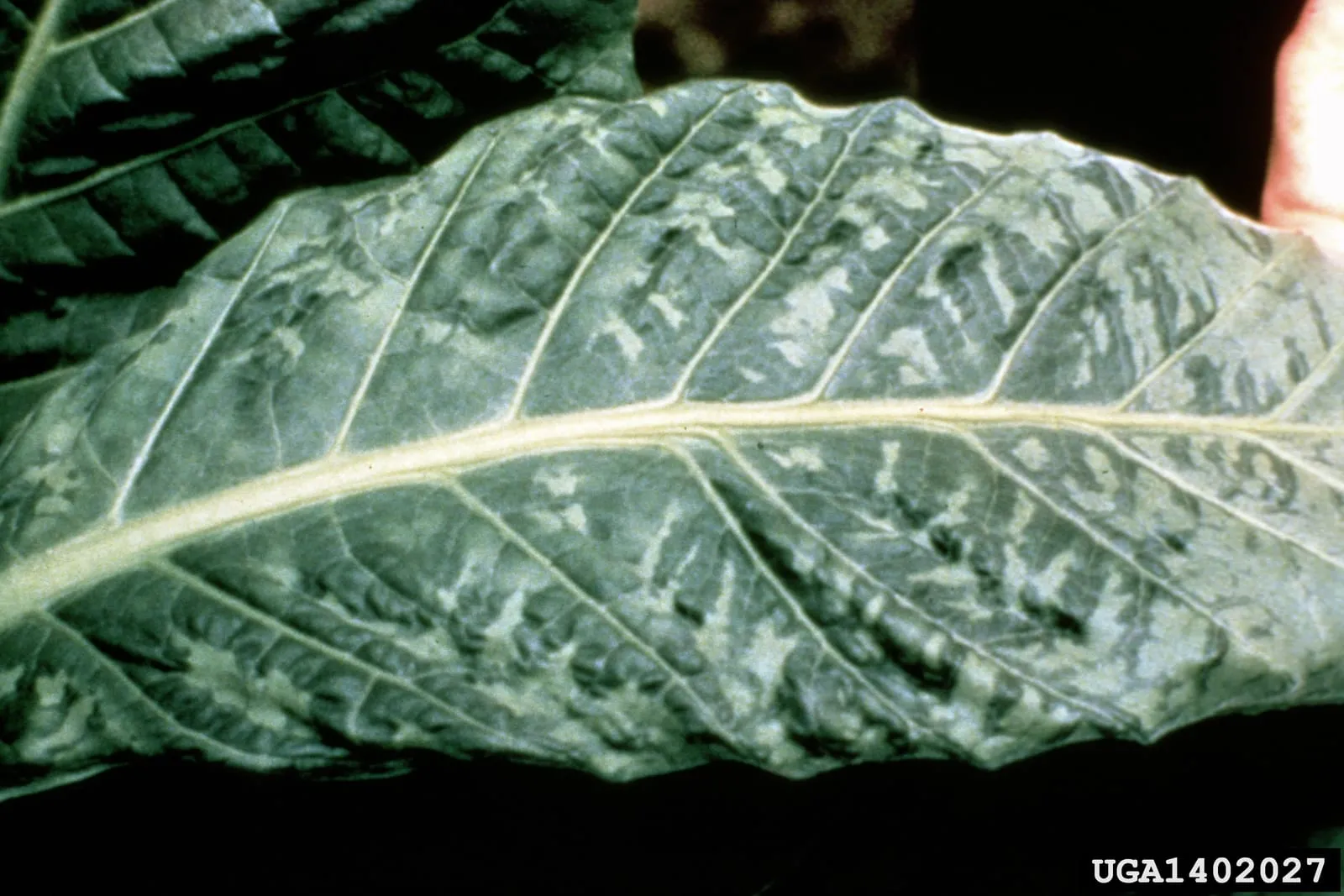
Cucumber mosaic virus, Tobacco mosaic virus, and others
Family of plant viruses producing mottled yellow-and-green leaf patterns. Vectored primarily by aphids; some are seed-transmitted or spread by handling tools and tobacco products.
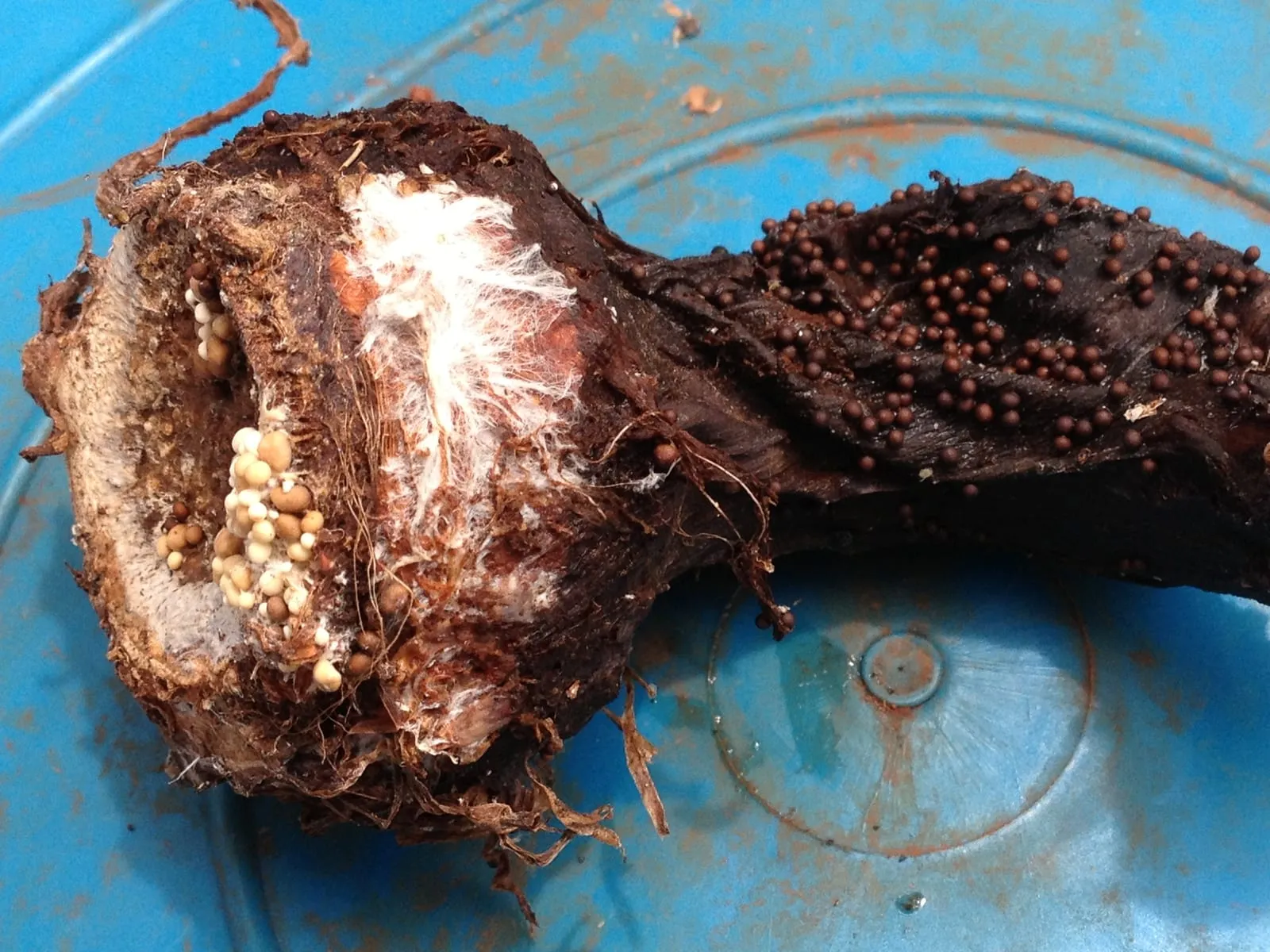
Sclerotium rolfsii
Soil-borne fungal disease most damaging in warm humid Southern conditions. White mycelial fans and small mustard-seed-sized sclerotia at the soil line are diagnostic.
Modified care for zone 3b
Soil warming is the first intervention worth making in zone 3b. Laying black plastic mulch one to two weeks before planting raises soil temperature measurably and can allow planting a week earlier than bare-soil conditions permit. Row cover laid over transplants or germinating seed on cold nights early in the season adds a few degrees of protection without blocking light.
White mold (Sclerotinia sclerotiorum) thrives in the cool, humid conditions common in zone 3b summers. Planting in rows wide enough to allow good air circulation through the canopy reduces humidity at soil level. Avoid overhead irrigation in the evening. Crowded plantings and wet foliage overnight are the combination that triggers the worst outbreaks. Remove and dispose of infected plant material rather than tilling it in, since Sclerotinia produces persistent sclerotia that survive in soil for years.
Frequently asked questions
- Can bush beans mature in zone 3b's short season?
Yes, with an early-maturing variety like Provider (50 days). Planting after soil warms to 60°F in early June targets a harvest in early August, which typically falls a few weeks ahead of the first fall frost. The window is narrow but sufficient in most years.
- What causes white mold on bush beans, and how is it managed?
White mold is caused by Sclerotinia sclerotiorum, a fungus that thrives in cool, wet conditions. Improve air circulation by spacing rows adequately, avoid evening irrigation, and remove infected plants promptly. The fungal bodies (sclerotia) persist in soil, so infected debris should not be composted or tilled in.
- Is succession planting bush beans practical in zone 3b?
Rarely. The frost-free window of roughly 70 to 90 days leaves room for one planting and a modest buffer before fall frost. A second planting two to three weeks later carries meaningful risk of frost hitting before pods fill. Most zone 3b growers plant once and focus on protecting that single crop.
+−
+−
+−
Bush Bean in adjacent zones
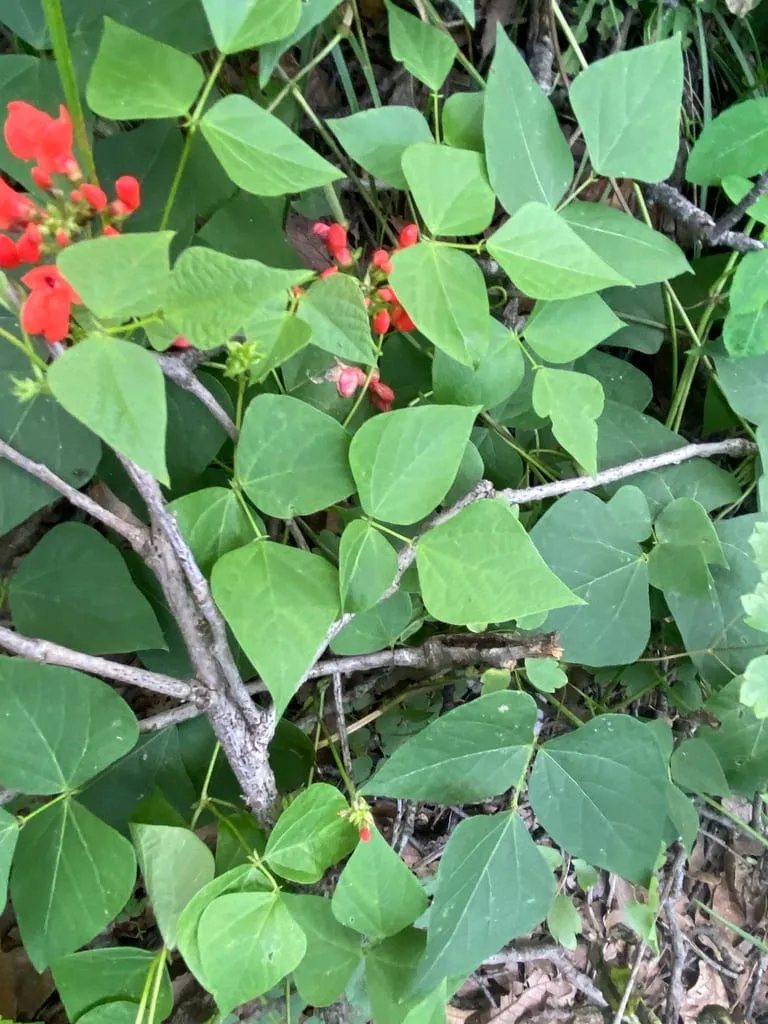
Image: "Ayocote", by Itzel Flores, via iNaturalist, licensed under CC-BY Source.
Related