vegetable in zone 6b
Growing bush bean in zone 6b
Phaseolus vulgaris
- Zone
- 6b -5°F to 0°F
- Growing season
- 190 days
- Suitable varieties
- 4
- Days to harvest
- 50 to 70
The verdict
Bush bean is a warm-season annual with no chilling requirement, so zone 6b's minimum temperatures of -5 to 0°F are not the relevant variable. What matters is warm-season length, and zone 6b's typical growing season of approximately 190 days is well above what bush beans need. Most varieties reach harvest in 50 to 60 days from direct sowing, which leaves ample room for two or even three succession plantings between last and first frost. Provider, Roma II, Royal Burgundy, and Dragon's Tongue all perform reliably across this zone.
Zone 6b is not marginal territory for bush beans. If anything, the long season is an asset: succession planting is the most effective way to extend harvest and reduce the concentration of pest and disease pressure that accumulates on a single large planting.
Recommended varieties for zone 6b
4 cultivars suited to this zone, with disease-resistance and zone-fit annotations.
| Variety | Notes | Zone fit | Disease resistance |
|---|---|---|---|
| Provider fits zone 6b | Crisp, mild, classic snap-bean flavor; round green pods. Fresh, freezing, canning. Bred for cool-soil germination, the most reliable early-season bush bean. | | none noted |
| Roma II fits zone 6b | Tender, meaty, classic Italian-flat bean flavor; flat green Romano-style pods. Fresh, sauteing, canning. Productive bush version of pole-bean Romano types. | | none noted |
| Royal Burgundy fits zone 6b | Crisp, sweet, deep purple pods that turn green when cooked; novelty fresh bean. Fresh, blanched, salads. Productive heritage variety, easy to spot for harvest. | | none noted |
| Dragon's Tongue fits zone 6b | Crisp, sweet, complex; cream-colored pods striped with purple, fading when cooked. Fresh, blanched, also as shell bean (cranberry-style). Productive heritage variety. | | none noted |
Critical timing for zone 6b
Zone 6b last spring frosts typically fall between late April and mid-May, with meaningful variation by elevation and local topography. Bush beans germinate poorly below 60°F soil temperature, so the practical sowing window opens roughly 1 to 2 weeks after last frost, when soils have had time to warm. At 50 to 60 days to harvest, a planting made in early May produces pods in late June or early July.
Successive plantings every 2 to 3 weeks can continue through late July. Final sowings should be timed to complete harvest before first fall frost, which arrives in zone 6b roughly between mid-October and early November depending on location.
Common challenges in zone 6b
- ▸ Cedar-apple rust
- ▸ Fire blight
- ▸ Stink bugs
Disease pressure to watch for
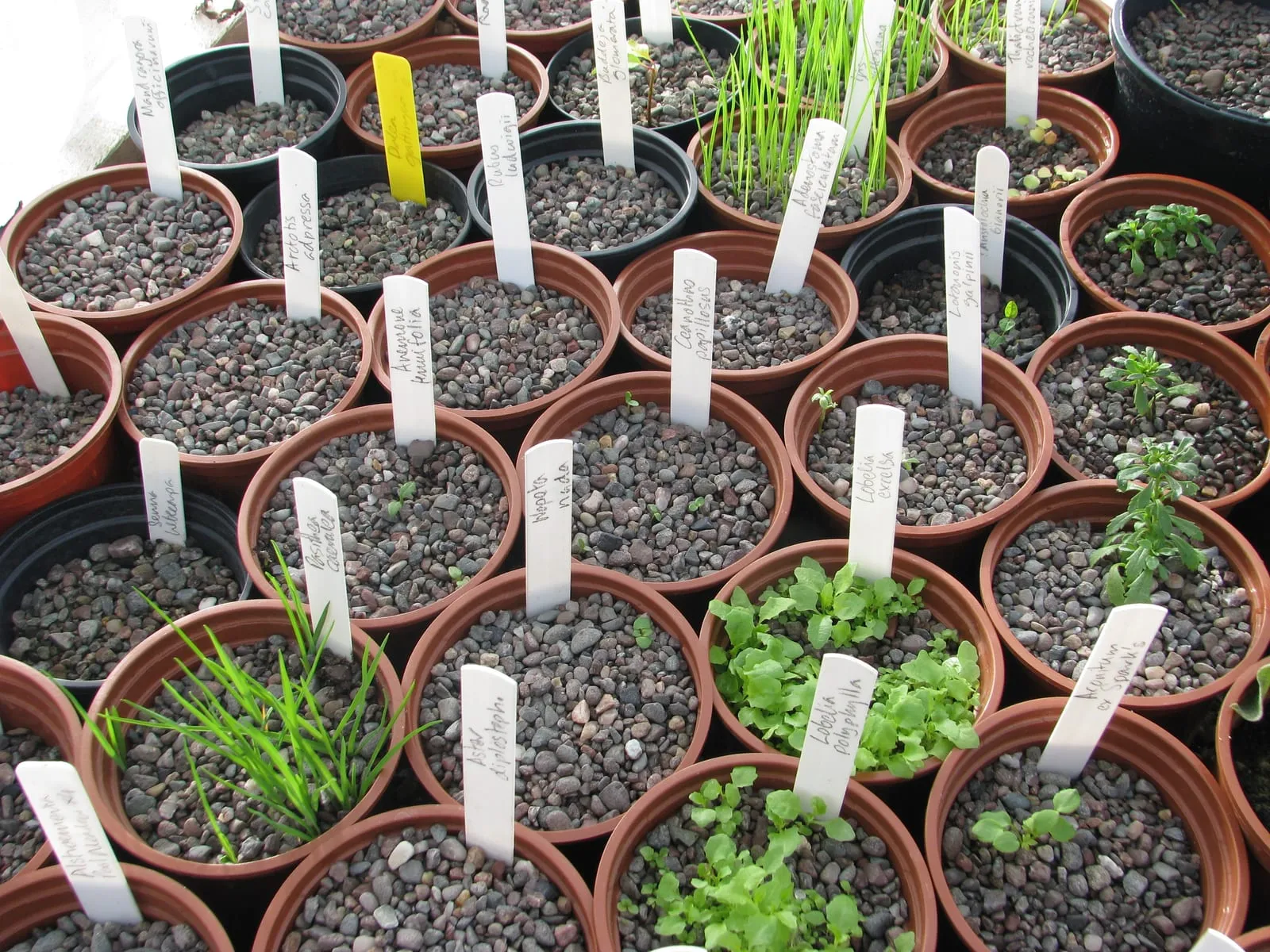
Pythium and Rhizoctonia species
Soil-borne complex of water molds and fungi that kill seedlings before or shortly after emergence. The single most common cause of seed-starting failures.
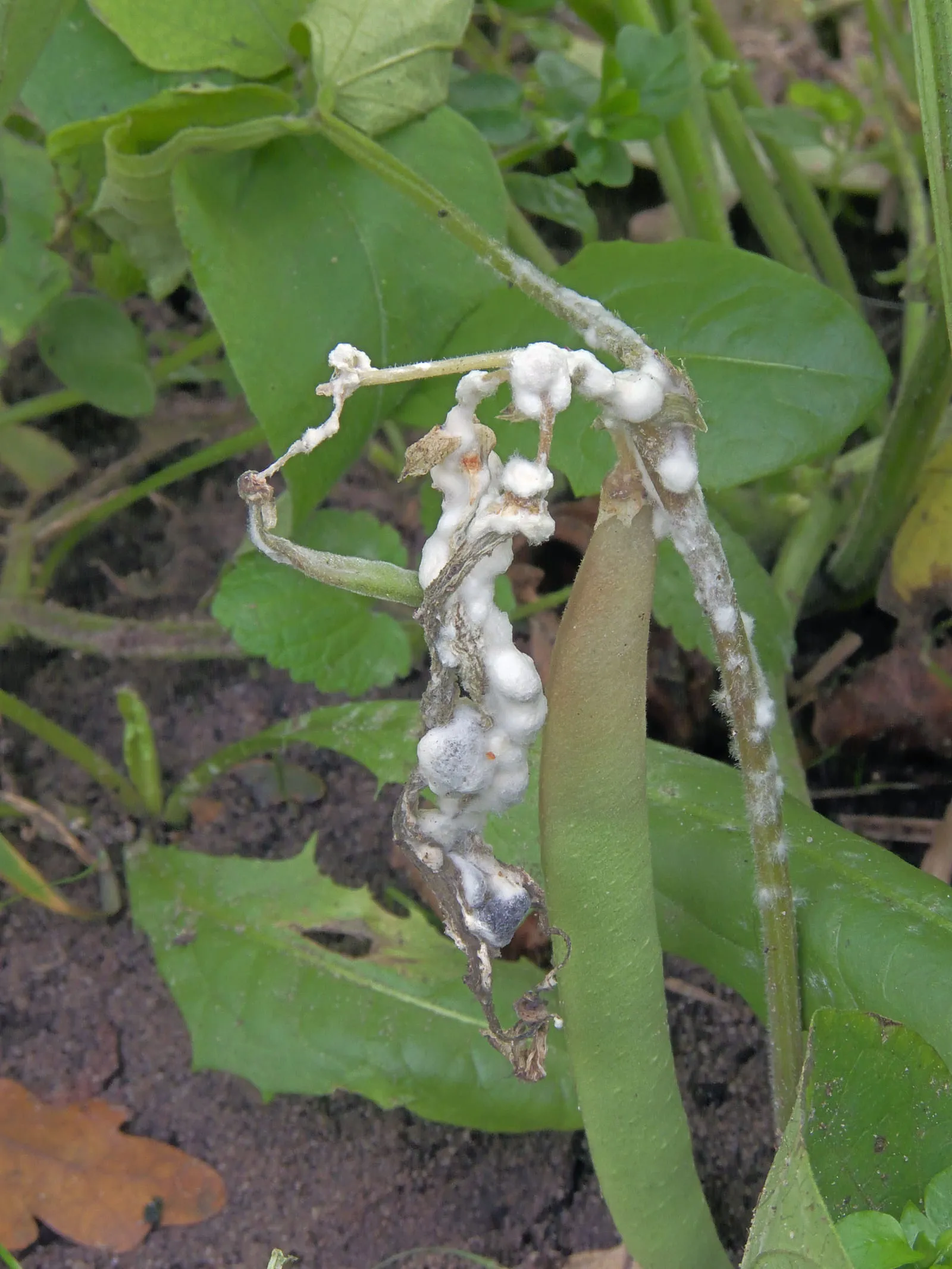
Sclerotinia sclerotiorum
Fungal disease that produces fluffy white mycelium on stems and lower leaves. Forms hard black sclerotia (resting bodies) that survive 5+ years in soil.
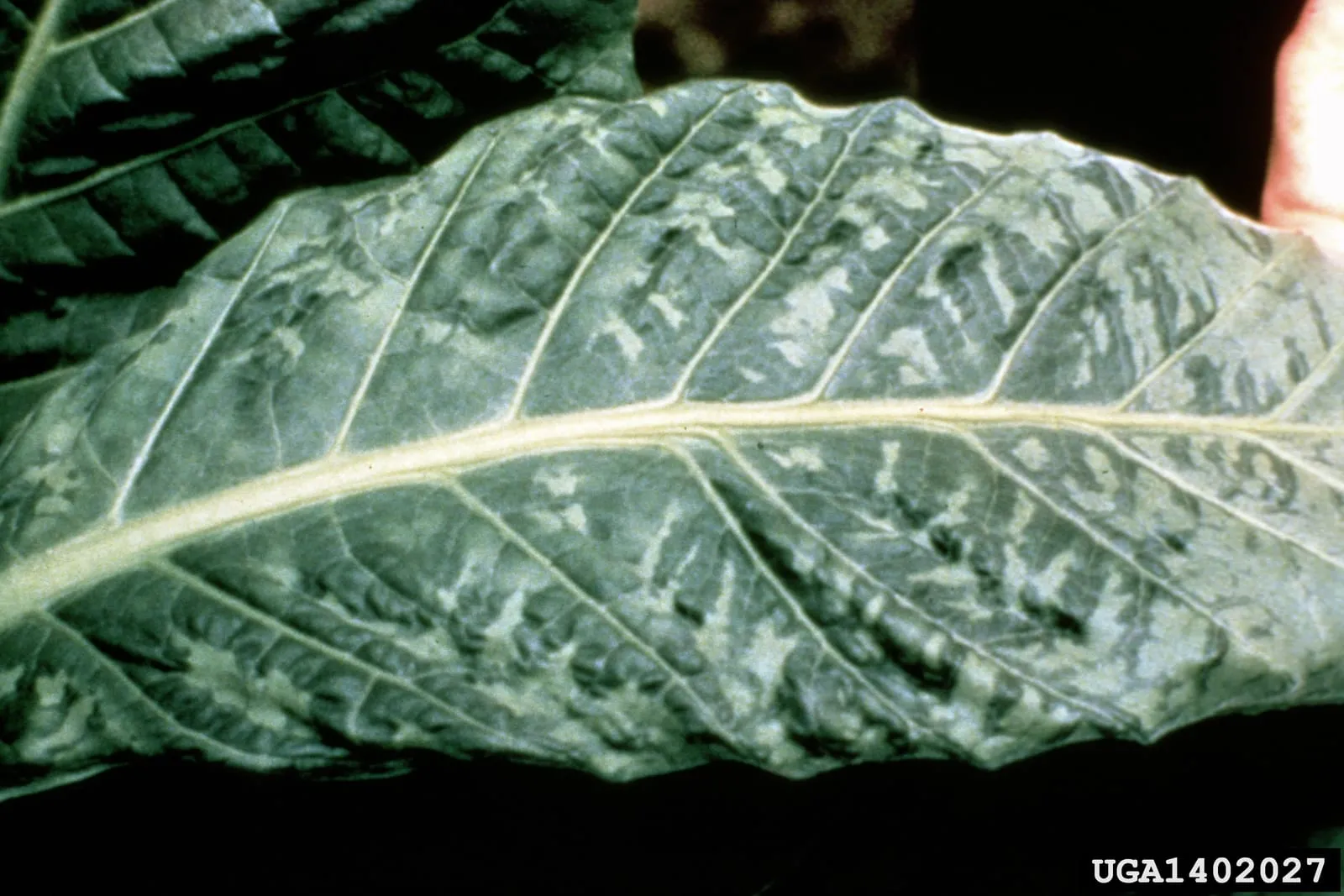
Cucumber mosaic virus, Tobacco mosaic virus, and others
Family of plant viruses producing mottled yellow-and-green leaf patterns. Vectored primarily by aphids; some are seed-transmitted or spread by handling tools and tobacco products.
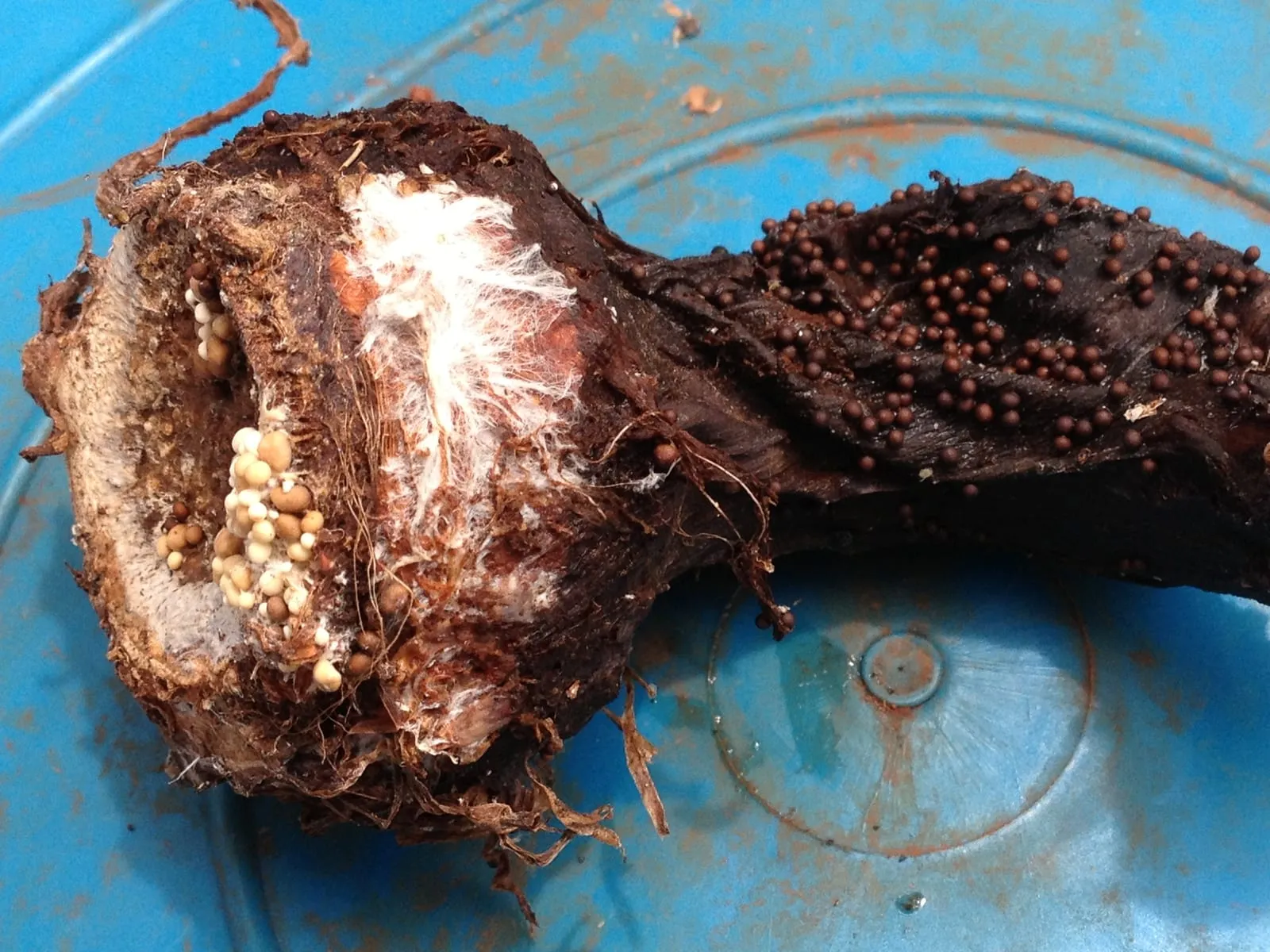
Sclerotium rolfsii
Soil-borne fungal disease most damaging in warm humid Southern conditions. White mycelial fans and small mustard-seed-sized sclerotia at the soil line are diagnostic.
Modified care for zone 6b
White mold (Sclerotinia sclerotiorum) is the primary disease concern for bush beans in zone 6b, particularly for early-season plantings made into cool, damp soil. It spreads readily when canopy humidity is high and air movement is restricted. Row spacing of at least 18 inches, avoidance of overhead irrigation, and prompt removal of plant debris at season's end reduce inoculum load in subsequent years.
Stink bugs, a noted pressure across this zone, feed on developing pods and cause pitting and internal discoloration. Row covers during early growth can reduce feeding damage before populations peak. Bush beans complete their life cycle well before cold arrives, so no winter protection is needed, and the zone's summer temperatures do not require shade management for this crop.
Bush Bean in adjacent zones
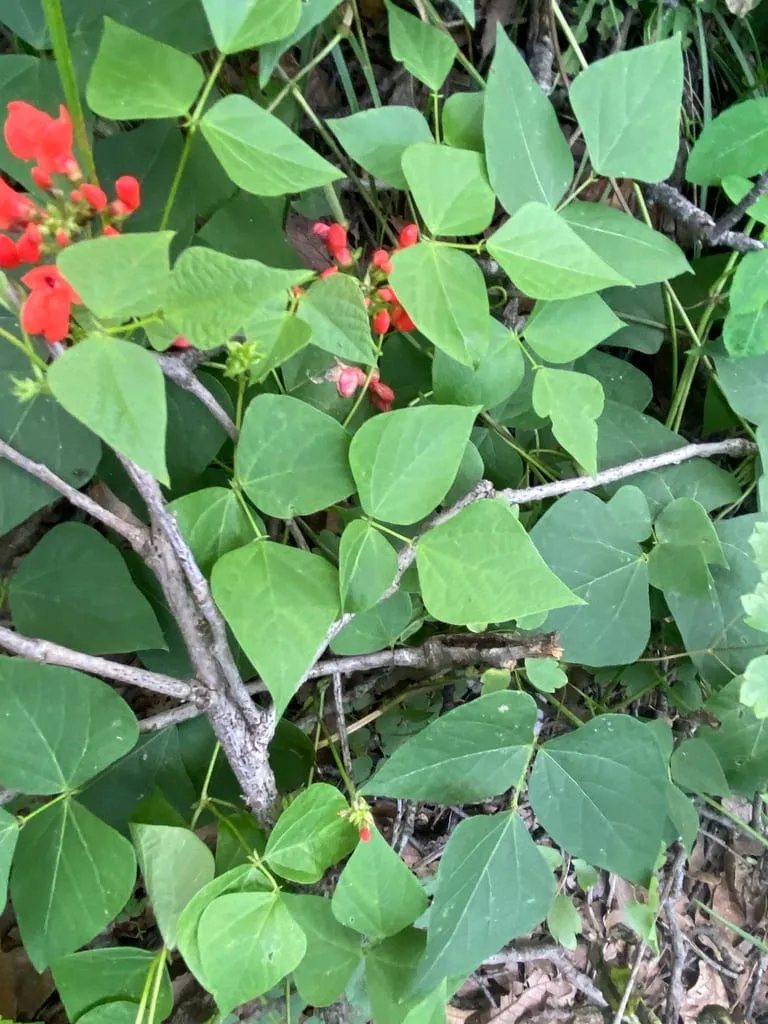
Image: "Ayocote", by Itzel Flores, via iNaturalist, licensed under CC-BY Source.
Related