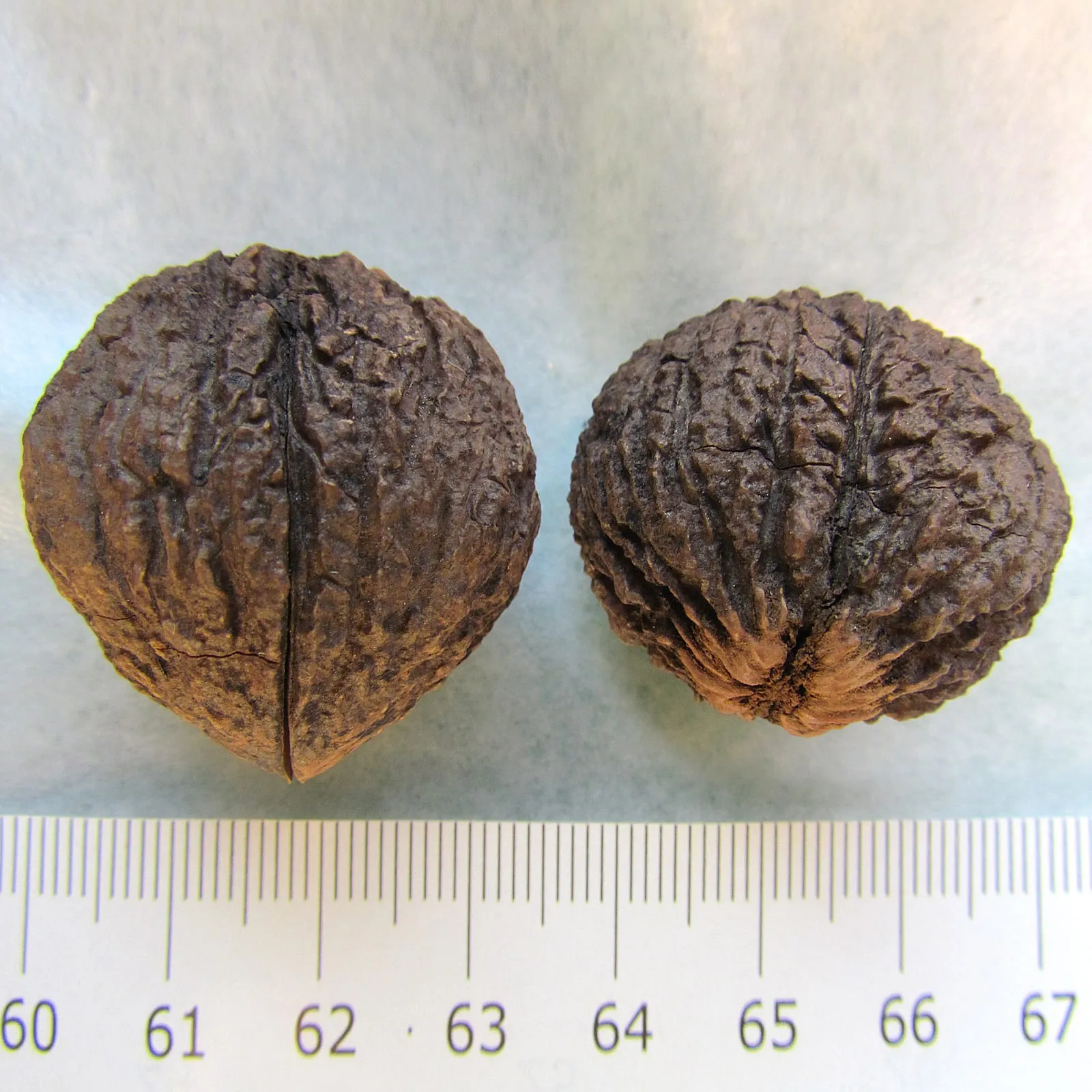
nut in zone 9a
Growing black walnut in zone 9a
Juglans nigra
- Zone
- 9a 20°F to 25°F
- Growing season
- 290 days
- Chill needed
- 700 to 1500 below 45°F
- Suitable varieties
- 0
- Days to harvest
- 150 to 200
The verdict
Black walnut sits well outside its comfort zone in zone 9a. The species requires 700 to 1,500 chill hours to break dormancy reliably, but most zone 9a locations accumulate only 200 to 500 hours in a typical winter. That shortfall is not a minor gap to work around; it is a fundamental mismatch between the tree's dormancy requirements and the regional climate.
Trees planted in zone 9a will often leaf out erratically or fail to do so at all, producing weak vegetative growth and little to no nut crop. Over multiple low-chill winters, the root system persists but the canopy declines. This is a marginal zone at best, and in the warmer parts of zone 9a (coastal Texas, central Florida, inland Southern California valleys) it is essentially unsuitable for reliable black walnut production.
No low-chill black walnut selections have been widely validated for zone 9a use. Growers in the zone seeking a large shade tree with edible nuts should look at Persian walnut selections bred for low-chill climates rather than black walnut.
Critical timing for zone 9a
In zone 9a locations where black walnut does establish and flush, leaf-out tends to occur in late February to early March, earlier than it would in cooler zones, driven more by ambient warmth than by chill completion. Bloom follows leaf-out by two to three weeks, placing catkin shed around mid-March in most zone 9a settings. The 290-day growing season provides ample warmth for nut fill, but nut development is academic if the tree does not set a reliable crop in the first place.
Frost risk is low in zone 9a, with last frost typically in late January to mid-February, so frost damage to early bloom is not the primary concern. The limiting factor is chill accumulation before that frost-free window opens, not the frost window itself. Harvest, when it occurs, falls in October.
Common challenges in zone 9a
- ▸ Limited stone fruit options due to insufficient chill
- ▸ Hurricane and tropical storm exposure
- ▸ Citrus disease pressure
Disease pressure to watch for
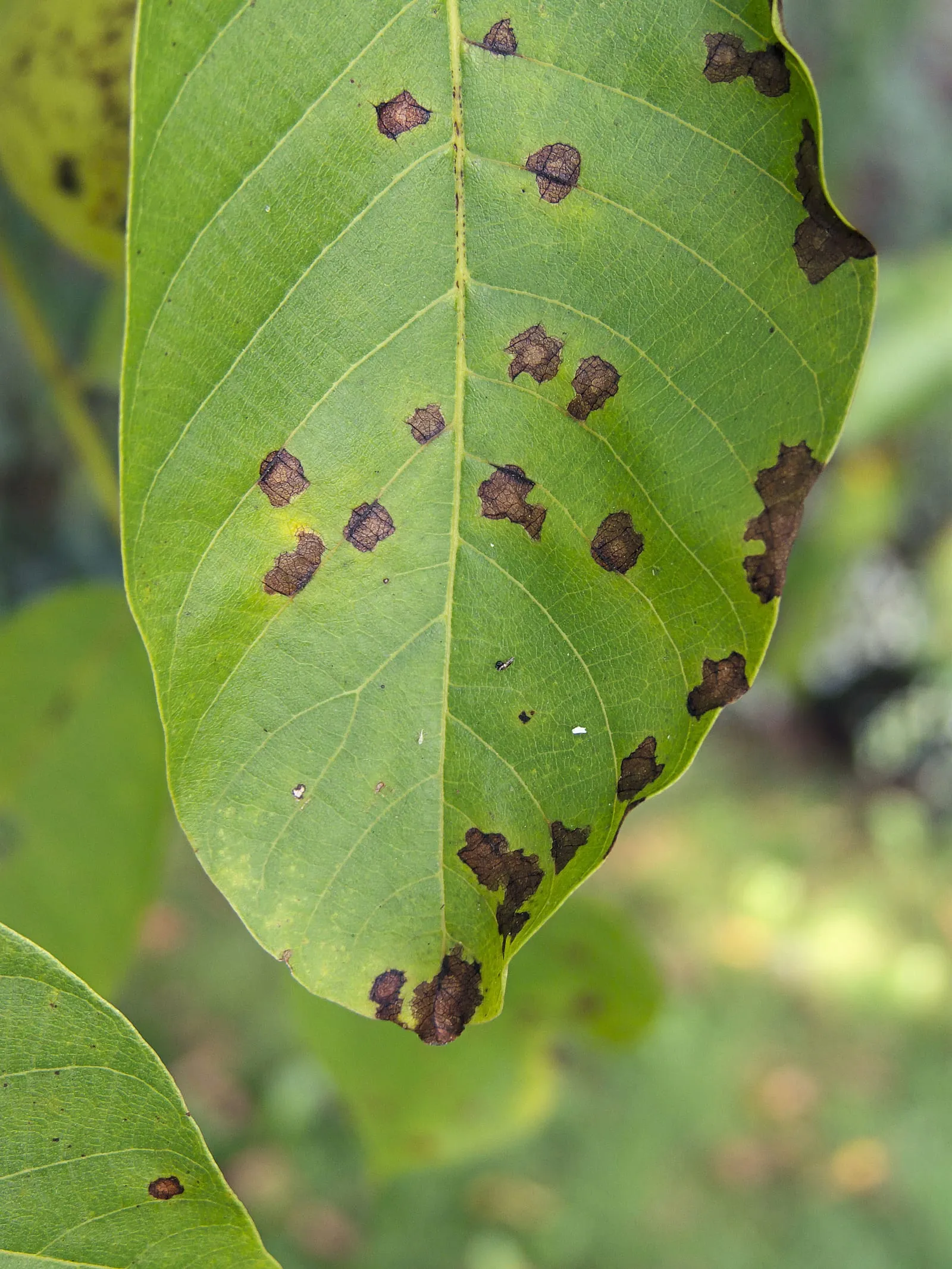
Ophiognomonia leptostyla
Fungal leaf disease causing premature defoliation in wet seasons, weakening trees over consecutive years and reducing kernel fill.
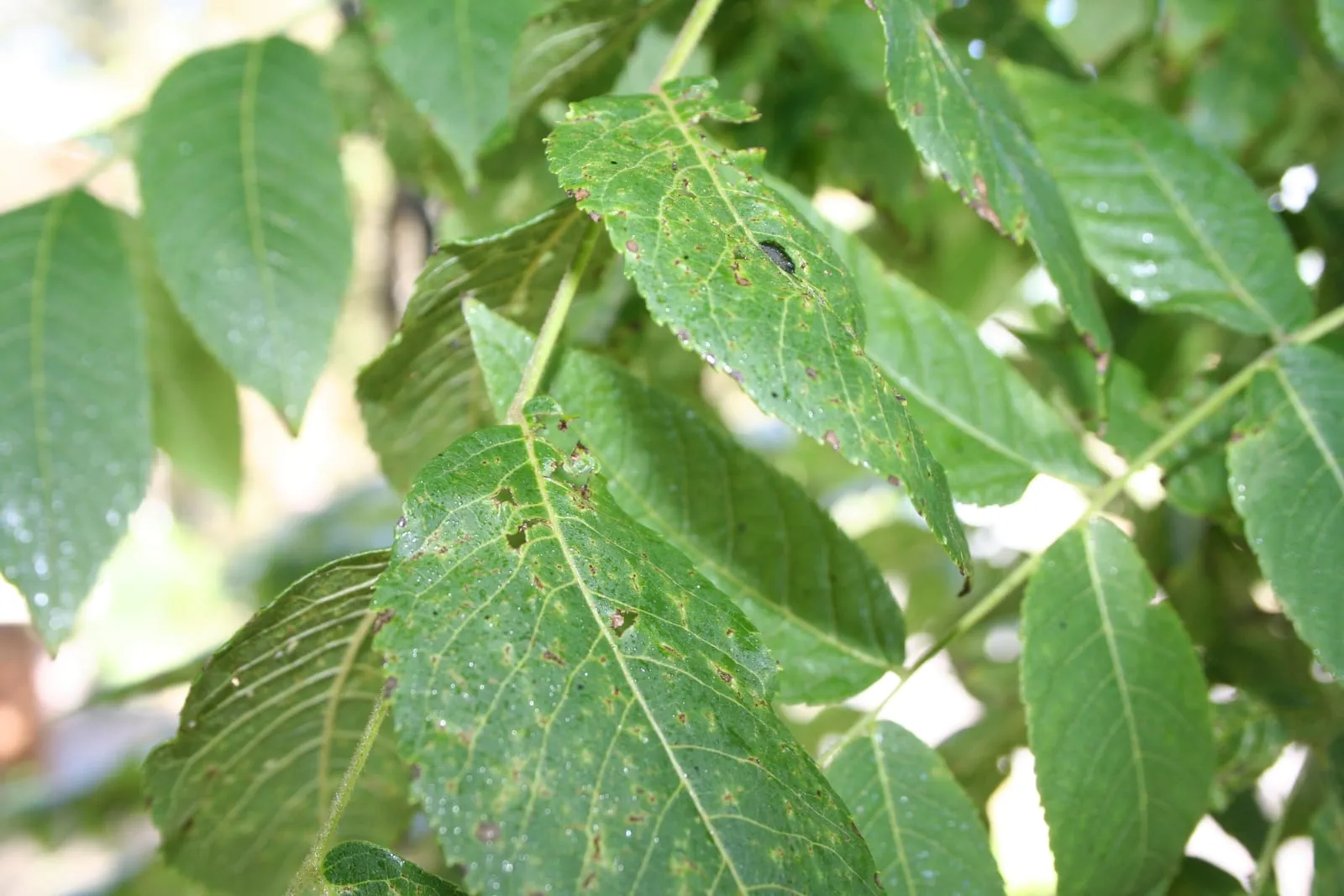
Geosmithia morbida (vectored by Pityophthorus juglandis)
Fatal disease of black walnut caused by a fungus vectored by the walnut twig beetle. Spreading eastward from the western US, devastating native black walnut stands.
Modified care for zone 9a
Growing black walnut in zone 9a requires accepting a fundamentally stressed tree. Supplemental irrigation is essential; the long, warm growing season drives water demand well beyond what rainfall provides in most zone 9a regions. Deep watering every two to three weeks during summer is a baseline.
Disease pressure escalates in warm, humid parts of zone 9a. Walnut Anthracnose, caused by Ophiognomonia leptostyla, thrives in moist, warm conditions and can cause severe defoliation on trees already weakened by chill deficit. Thousand Cankers Disease, spread by the walnut twig beetle, has expanded its range into warmer zones and warrants monitoring for bark cankers around the scaffold limbs.
In coastal zone 9a locations with hurricane and tropical storm exposure, the large canopy of a black walnut becomes a liability. Structural pruning to reduce sail area is advisable, though this conflicts with the species' naturally strong central leader form. The honest assessment is that management effort in zone 9a rarely produces a productive tree.
Frequently asked questions
- Can black walnut grow in zone 9a?
Black walnut can survive in zone 9a but rarely thrives or produces nuts reliably. The species requires 700 to 1,500 chill hours annually, and most zone 9a locations accumulate only 200 to 500. Trees may persist for years without meaningful nut crops. Low-chill walnut alternatives are better suited to the region.
- What diseases are most concerning for black walnut in zone 9a?
Walnut Anthracnose and Thousand Cankers Disease are the primary threats. Both are more active under the warm conditions typical of zone 9a. Anthracnose causes leaf spotting and defoliation; Thousand Cankers causes branch dieback through accumulated bark cankers. Stressed, chill-deficient trees are more susceptible to both.
- When would black walnut nuts be ready to harvest in zone 9a?
On trees that do produce a crop, harvest typically falls in October. The outer husk splits and nuts drop when mature. However, consistent nut production in zone 9a is unlikely given the chill-hour deficit, so harvest timing is a secondary concern compared to establishing whether the tree will crop at all.
+−
+−
+−
Black Walnut in adjacent zones
Image: "Juglans nigra nuts", by Gmihail at Serbian Wikipedia, via Wikimedia Commons, licensed under CC-BY Source.

Related