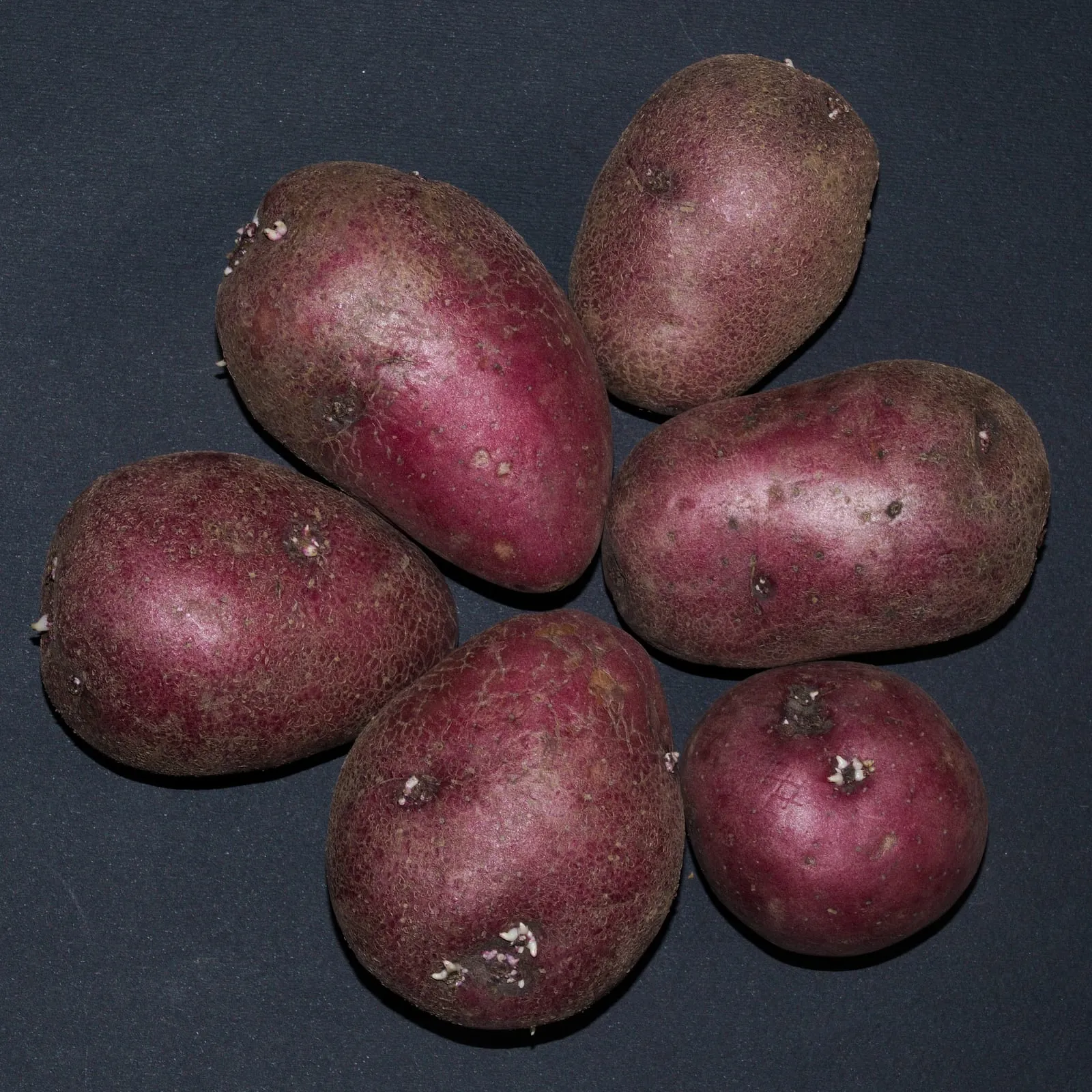
vegetable in zone 9a
Growing potato in zone 9a
Solanum tuberosum
- Zone
- 9a 20°F to 25°F
- Growing season
- 290 days
- Suitable varieties
- 0
- Days to harvest
- 70 to 120
The verdict
Potatoes are a cool-season crop, not a chill-hour-dependent one, so the usual zone suitability calculus shifts. The question in zone 9a is not whether winters are cold enough but whether the window between cool soil and brutal summer heat is wide enough to complete a crop. That window exists, but it is compressed.
Zone 9a's 290-day growing season sounds generous, but for potatoes it is largely irrelevant: soil temperatures above 80°F stop tuber development and can trigger a second, unwanted growth flush that produces knobby, misshapen potatoes. Most of zone 9a spends May through September well above that threshold.
The result is that zone 9a sits at the warm edge of viable potato production. It is not a sweet spot (that would be zones 5 through 7, where cool summers let potatoes grow continuously from spring through fall). Growers here get two narrow planting windows and need to hit them precisely. Done well, zone 9a can produce a respectable crop. Done carelessly, it produces a frustrating one.
Critical timing for zone 9a
Zone 9a supports two distinct potato seasons. The fall-winter planting targets a September through November transplant window, with harvest running December through February. This window avoids both summer heat stress at planting and the worst late blight pressure, which peaks in warm, wet conditions.
The late-winter planting window opens in January or February, once soil temperatures climb above 45°F but before summer heat sets in. Tubers planted in late January can reach harvest by late April or May, just ahead of the heat. Timing is tight: every week of delay pushes harvest deeper into warming conditions.
Frost risk in zone 9a is low but not zero. Minimum temperatures of 20 to 25°F can occur, and a hard freeze on emerged foliage will set plants back significantly. Planting certified seed potatoes in the fall window, when the main frost risk has passed, reduces that exposure. Spring plantings need a watchful eye through February.
Common challenges in zone 9a
- ▸ Limited stone fruit options due to insufficient chill
- ▸ Hurricane and tropical storm exposure
- ▸ Citrus disease pressure
Disease pressure to watch for
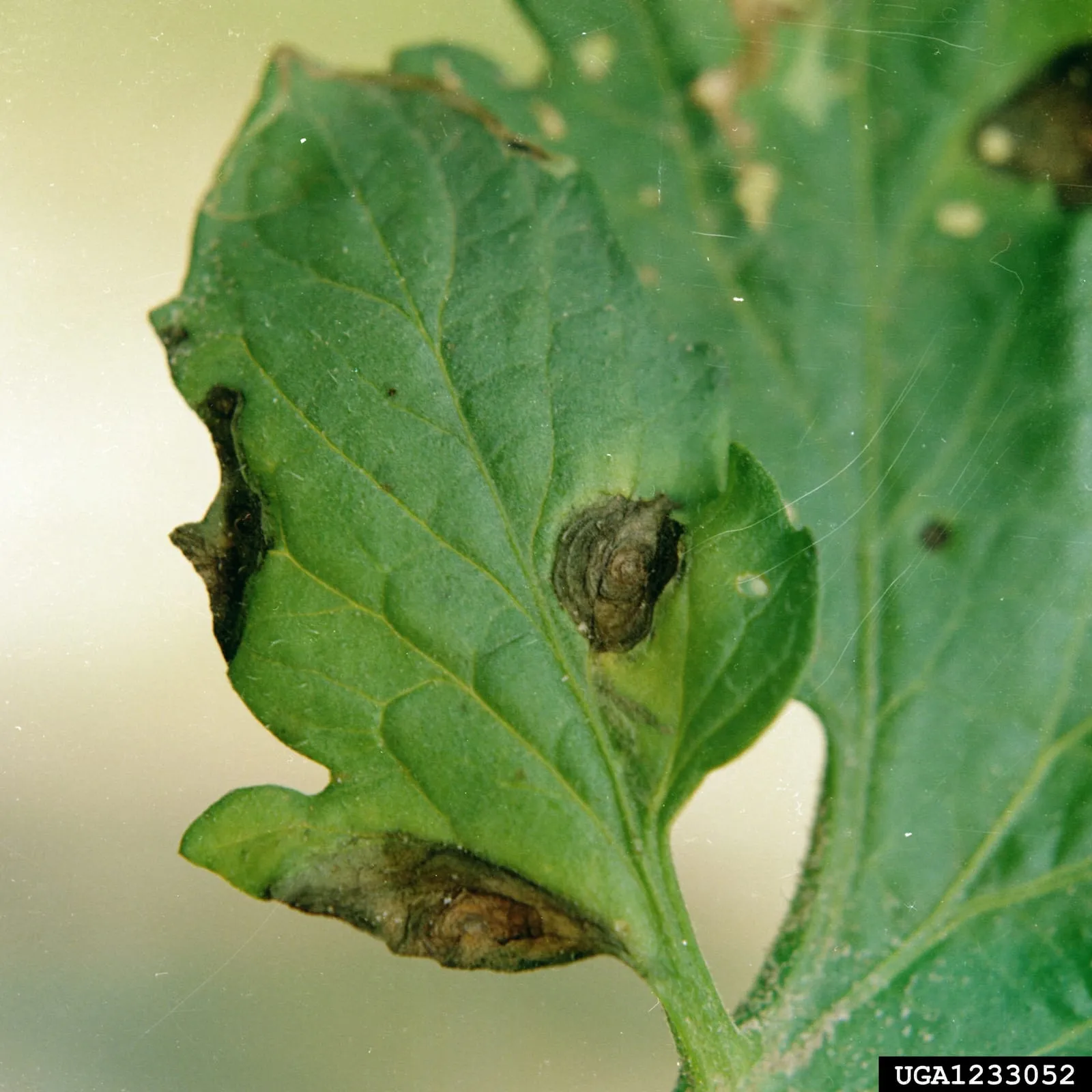
Alternaria solani
Fungal disease starting on lower leaves and progressing upward. The most common tomato and potato leaf disease in the eastern US.
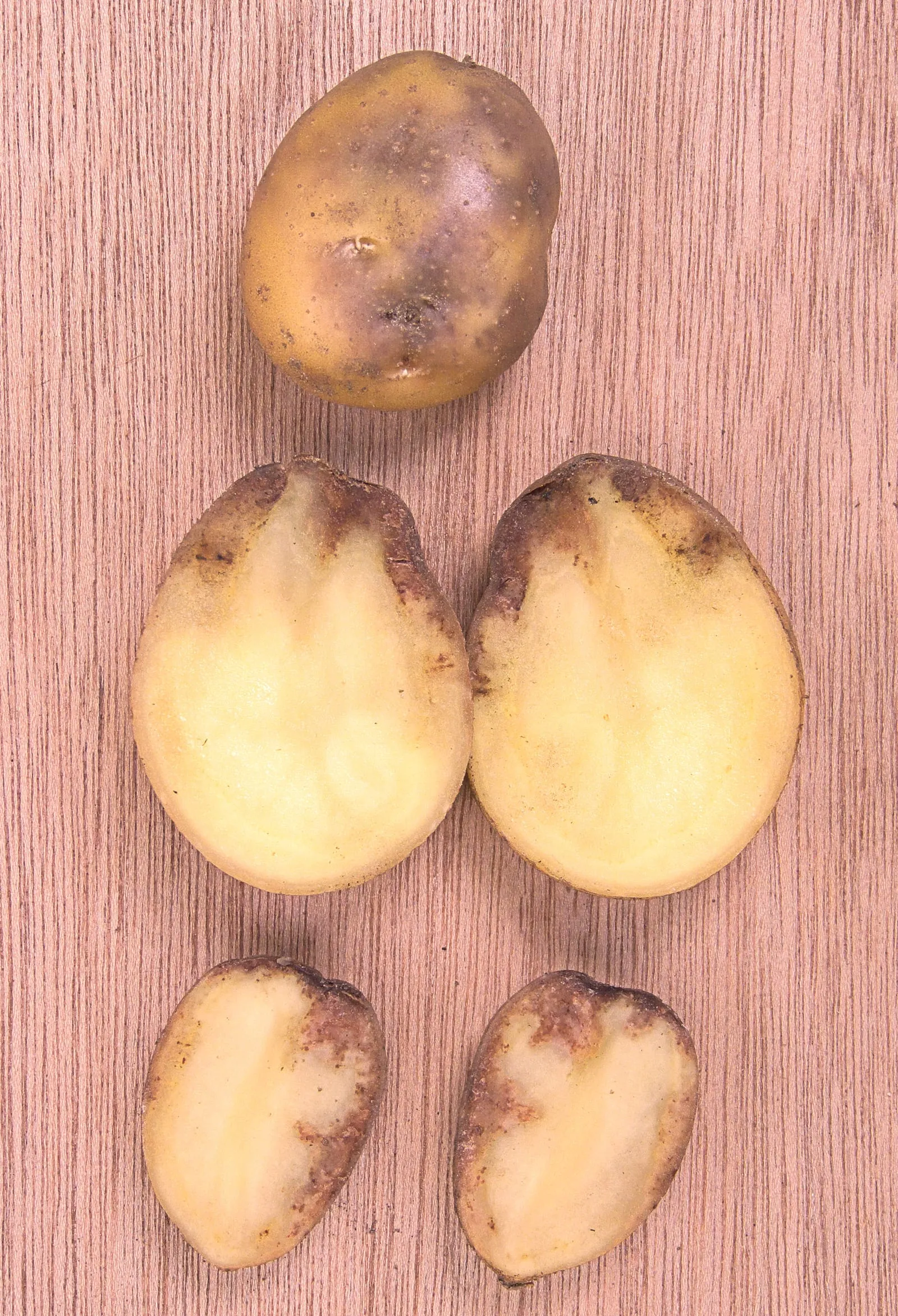
Phytophthora infestans
The pathogen responsible for the Irish Potato Famine. Devastating in cool wet weather; can destroy a tomato planting in days.
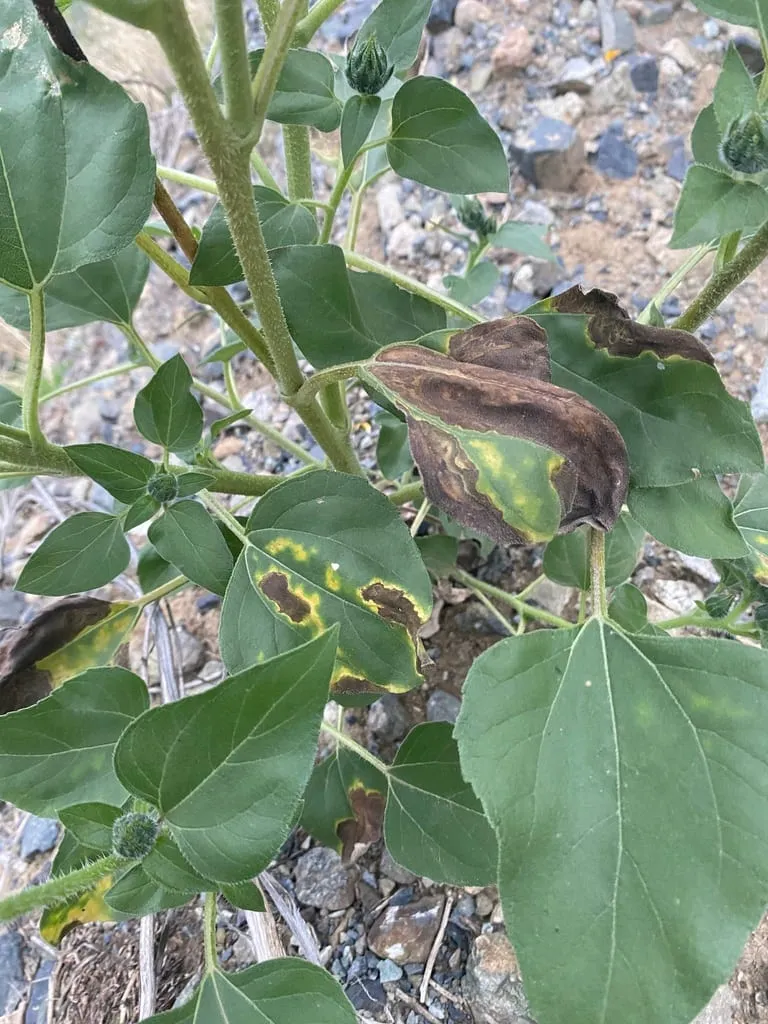
Verticillium dahliae
Soil-borne fungal disease similar to fusarium wilt but with broader host range and cooler temperature optimum. Persists in soil for 10+ years.
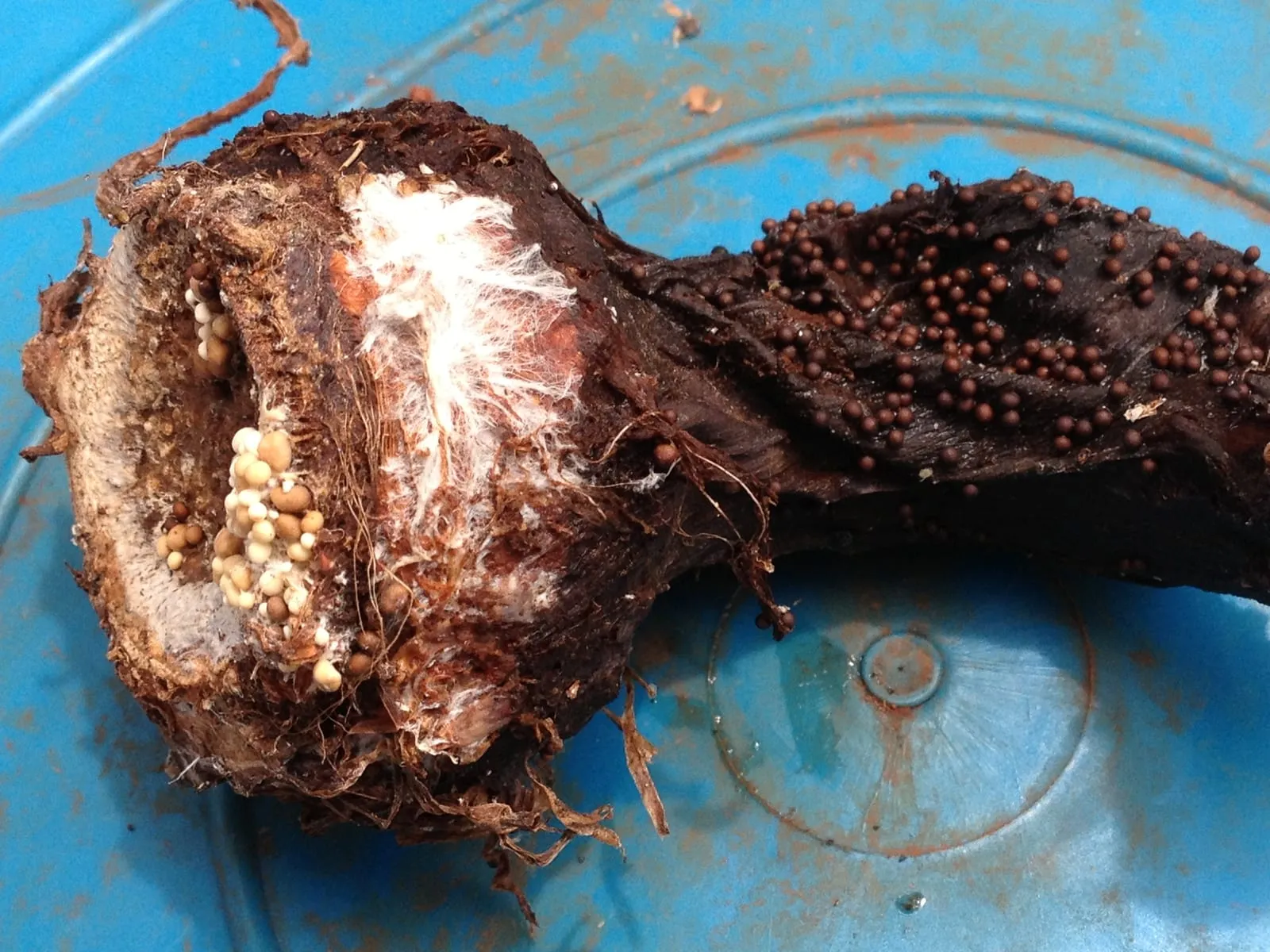
Sclerotium rolfsii
Soil-borne fungal disease most damaging in warm humid Southern conditions. White mycelial fans and small mustard-seed-sized sclerotia at the soil line are diagnostic.
Modified care for zone 9a
The dominant adaptation in zone 9a is soil temperature management. Heavy mulch (4 to 6 inches of straw or wood chips) significantly delays soil warming in spring and extends the productive harvest window. Without it, tubers near the soil surface can sunscald and degrade quickly.
Disease management deserves extra attention here. Early blight and late blight both thrive in the warm, periodically humid conditions common across much of zone 9a. A preventive copper-based spray program, starting at emergence and continuing on a 7 to 10 day interval during wet stretches, is more warranted than it would be in cooler, drier climates. Verticillium wilt pressure makes crop rotation non-negotiable; potatoes should not return to the same bed for at least three years, and beds previously planted with tomatoes, peppers, or eggplant carry elevated risk.
Irrigation consistency matters more here than in cooler zones. Uneven moisture during tuber sizing causes hollow heart and knobby growth, problems that heat stress amplifies.
Frequently asked questions
- Can potatoes actually grow in zone 9a, or is it too hot?
Potatoes can grow in zone 9a, but only during cool-season windows (fall-winter and late winter-spring). Summer planting is not viable; soil temperatures above 80°F halt tuber development. Timing the crop carefully around zone 9a's heat is the central challenge.
- What is the best month to plant potatoes in zone 9a?
September through November for a fall-winter crop, or January through mid-February for a spring crop. Fall planting generally has lower disease pressure and a more relaxed harvest timeline. Spring planting works but requires getting seed potatoes in the ground early to beat summer heat.
- How serious is late blight in zone 9a potato gardens?
Late blight is a genuine threat in zone 9a, particularly during humid stretches. Preventive copper sprays on a 7 to 10 day interval during wet weather, combined with good air circulation between plants, reduce losses. Planting certified disease-free seed potatoes is the first line of defense.
- Does verticillium wilt affect potatoes in zone 9a more than other zones?
Verticillium wilt is a soil-borne pathogen present across much of the country, but warm soils can support higher inoculum levels. In zone 9a, strict crop rotation (no potatoes, tomatoes, peppers, or eggplant in the same bed for at least three years) is the most practical management tool available to home growers.
+−
+−
+−
+−
Potato in adjacent zones
Image: "Solanum tuberosum Red Scarlett20170523 7825", by Bff, via Wikimedia Commons, licensed under CC-BY Source.

Related