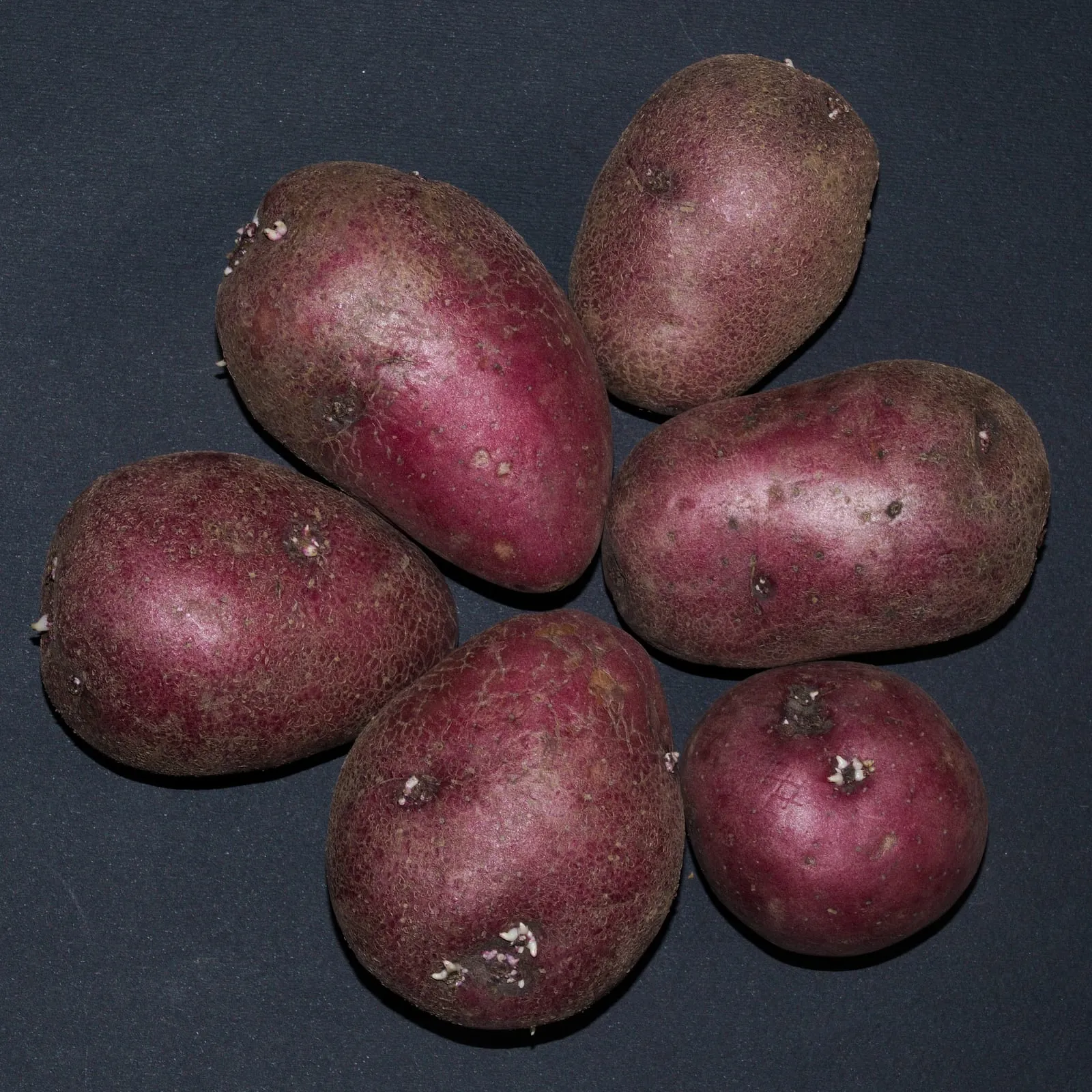
vegetable in zone 8b
Growing potato in zone 8b
Solanum tuberosum
- Zone
- 8b 15°F to 20°F
- Growing season
- 260 days
- Suitable varieties
- 0
- Days to harvest
- 70 to 120
The verdict
Potato is a cool-season crop that can produce well in zone 8b, but the approach is fundamentally different from northern regions. Rather than a spring-to-fall growing arc, zone 8b growers work around summer heat: potatoes go in the ground in late winter and are harvested before temperatures climb into the range that stalls tuber development. The crop's real limiter here is not cold tolerance (zone 8b's 15-20°F winter lows are fine) but heat sensitivity. Tuber set degrades when soil temperatures exceed roughly 80°F, which arrives early in zone 8b's long 260-day season. A fall planting window (September into October) offers a second opportunity, with harvest in late November through December before hard freezes arrive. Neither window is cramped, but both require timing discipline. Zone 8b is workable for potatoes, not marginal, though it demands a schedule that no grower north of zone 7 would recognize.
Critical timing for zone 8b
The spring window opens in late January through February in most of zone 8b, once soil temperatures have risen above 40°F but well before summer heat arrives. Days to maturity vary by variety (early types at 70-80 days, late types at 100-120 days), so early varieties suit the spring window better, reaching harvest in April or May before soils warm into the danger zone. The fall window runs from early to mid-September, with harvest in November. Zone 8b's first frost typically falls in late November to December, leaving adequate time for full-season varieties planted in September. Frost is less of a concern at harvest in fall than heat accumulation is in spring. Planting date decisions should be driven by soil temperature readings, not calendar dates alone.
Common challenges in zone 8b
- ▸ Low chill hours limit apple variety selection
- ▸ Citrus greening risk
- ▸ Nematodes in sandy soils
Disease pressure to watch for
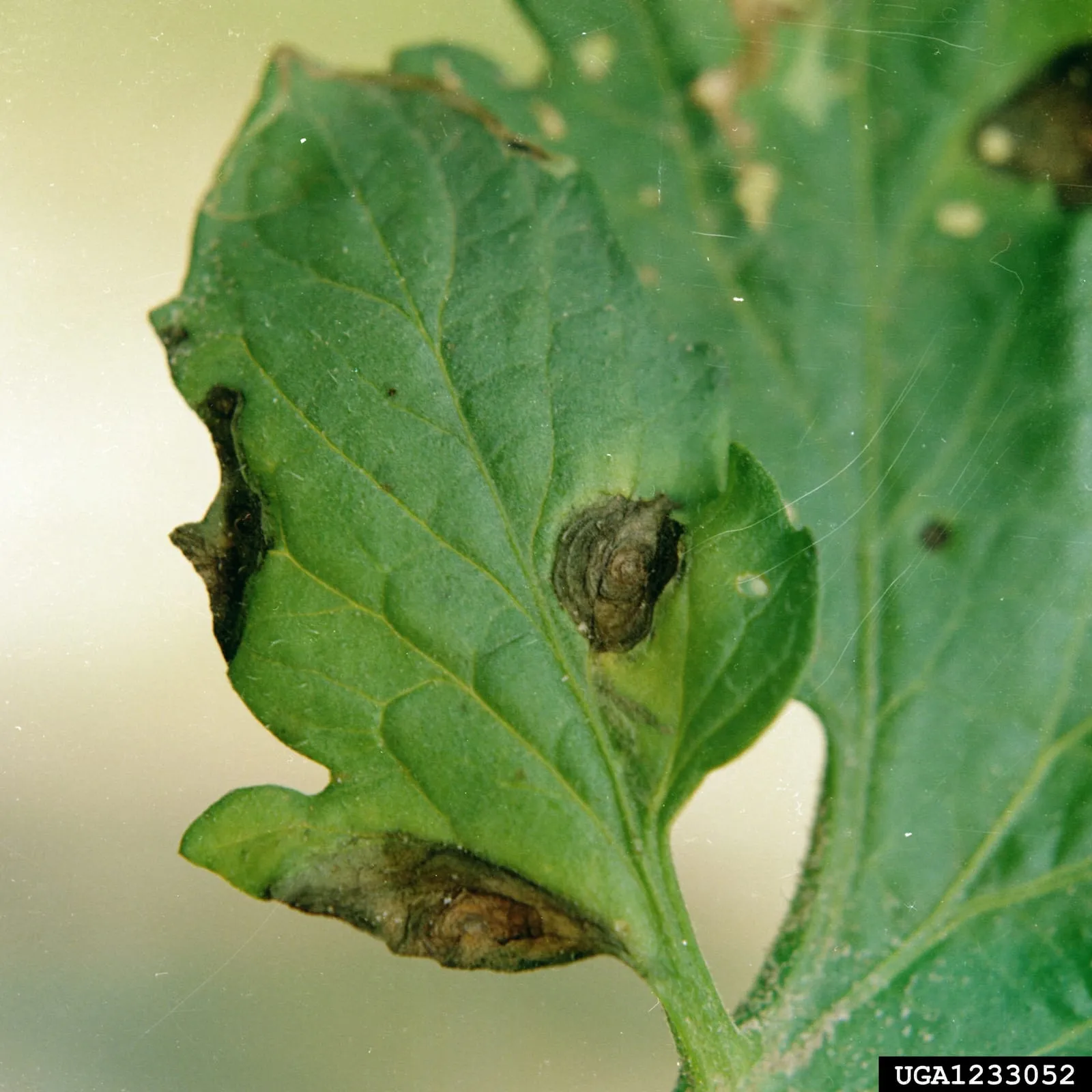
Alternaria solani
Fungal disease starting on lower leaves and progressing upward. The most common tomato and potato leaf disease in the eastern US.
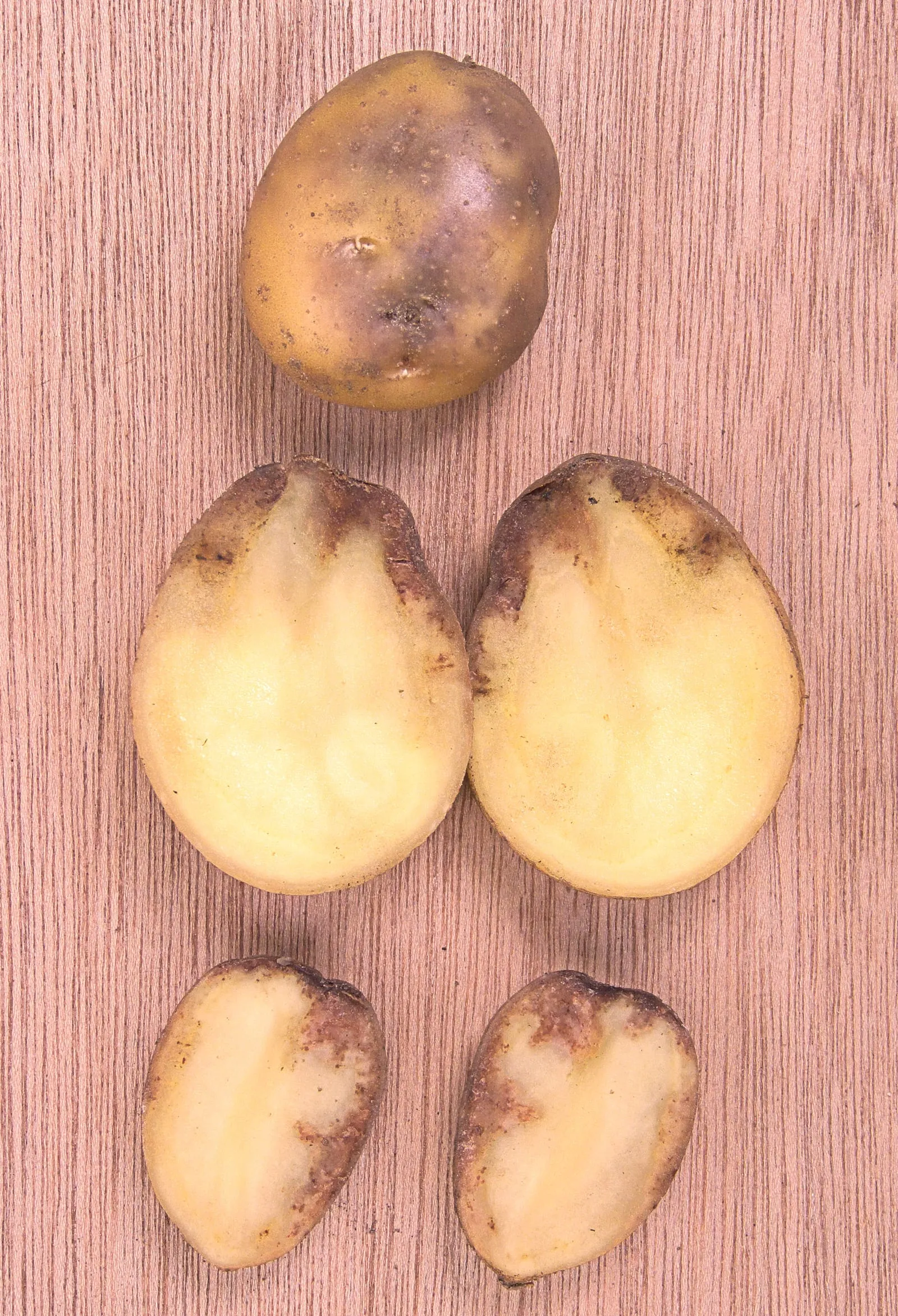
Phytophthora infestans
The pathogen responsible for the Irish Potato Famine. Devastating in cool wet weather; can destroy a tomato planting in days.
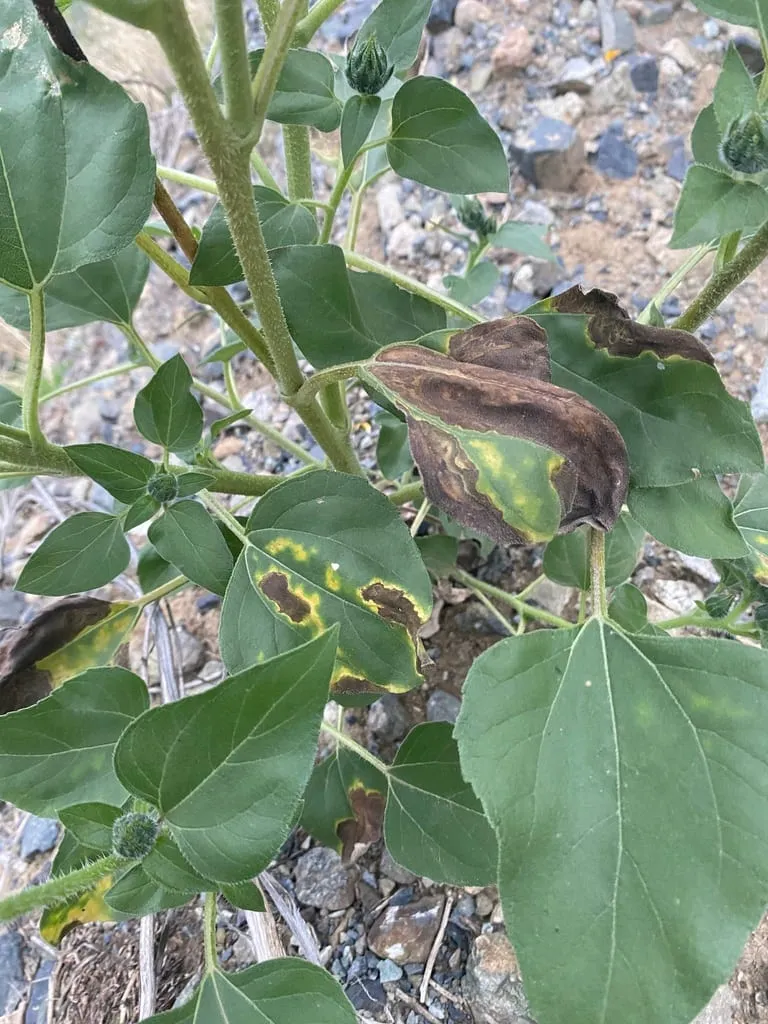
Verticillium dahliae
Soil-borne fungal disease similar to fusarium wilt but with broader host range and cooler temperature optimum. Persists in soil for 10+ years.
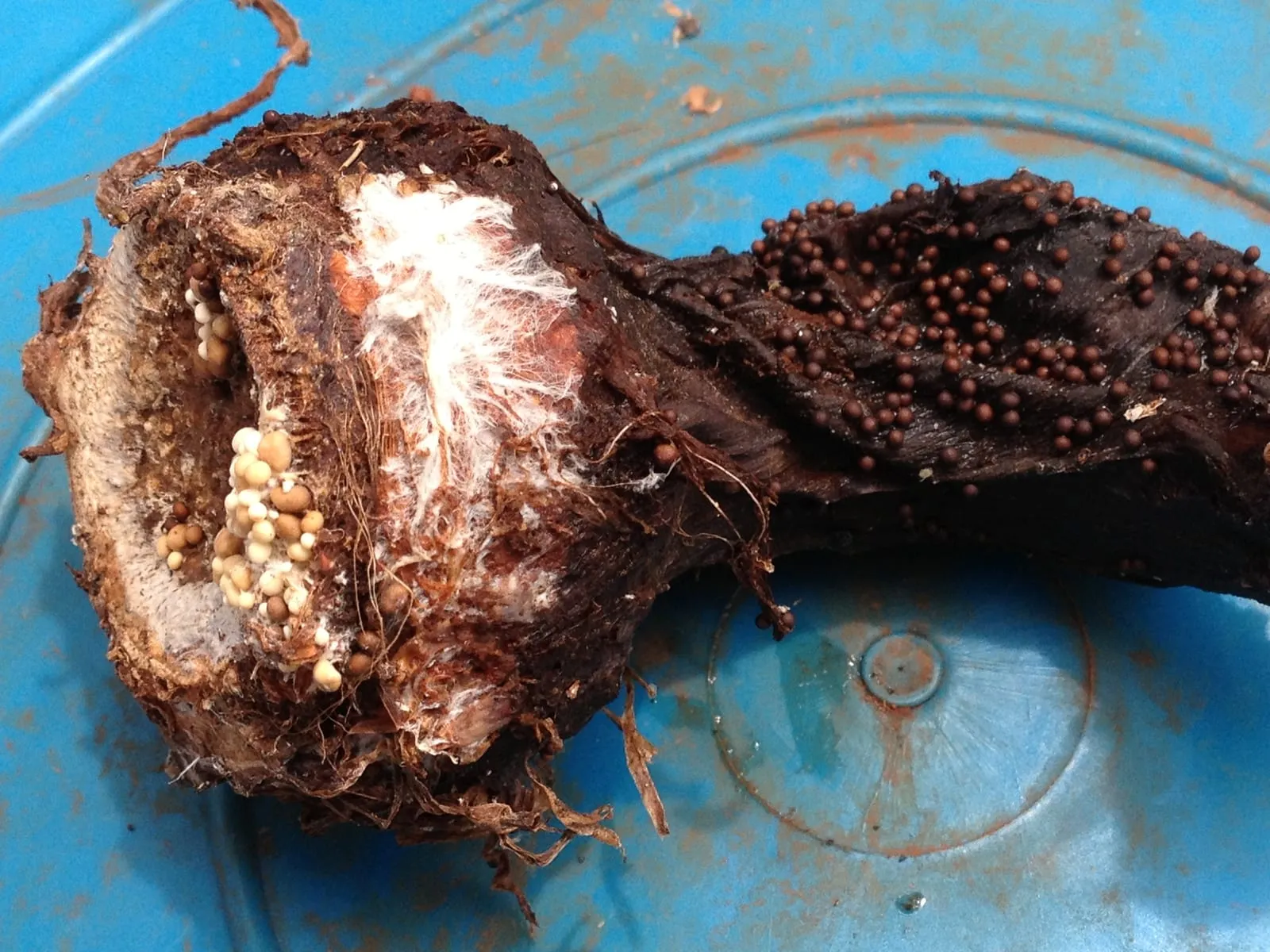
Sclerotium rolfsii
Soil-borne fungal disease most damaging in warm humid Southern conditions. White mycelial fans and small mustard-seed-sized sclerotia at the soil line are diagnostic.
Modified care for zone 8b
The standard potato care guide assumes a temperate summer. Zone 8b growers need to reorient around heat management. Mulching with 4-6 inches of straw or pine needles helps buffer soil temperature during the spring run-up. Raised beds can worsen heat retention in this climate; in-ground or slightly mounded rows tend to perform better. Disease pressure from Early Blight and Late Blight increases with the humid conditions common across much of zone 8b, particularly during the spring season when wet weather is likely. Rotating planting beds every season and removing plant debris promptly reduces pathogen carryover. Nematodes are a documented problem in sandy soils across zone 8b; selecting nematode-resistant varieties where available is a meaningful risk reduction step, not an optional upgrade. Verticillium Wilt favors the same sandy, warm soils, making variety selection and rotation both load-bearing practices here.
Frequently asked questions
- Can you grow potatoes year-round in zone 8b?
Not continuously. Zone 8b summers are too hot for tuber production. Two windows work: a late winter/spring planting (January-February through April-May harvest) and a fall planting (September through November-December harvest). Summer months are best skipped.
- Which potato diseases are most likely in zone 8b?
Early Blight, Late Blight, and Verticillium Wilt are the primary concerns. Humidity during the spring growing window favors both Blight pathogens. Verticillium Wilt is particularly problematic in the sandy, warm soils common in zone 8b. Crop rotation is the most reliable management tool for all three.
- Do potatoes need extra winter protection in zone 8b?
Not during the growing season. Zone 8b's winters are mild enough that frost rarely threatens a properly timed fall crop before harvest. The risk runs the other direction: in-ground potatoes left past December can rot if soils stay wet and warm.
- What causes potatoes to stop producing tubers in zone 8b?
Heat is the primary cause. Tuber set slows and eventually stops when soil temperatures consistently exceed 80°F. This is why timing the spring crop for an April or May harvest, before summer heat builds, is more important than any other management decision in this zone.
+−
+−
+−
+−
Potato in adjacent zones
Image: "Solanum tuberosum Red Scarlett20170523 7825", by Bff, via Wikimedia Commons, licensed under CC-BY Source.

Related