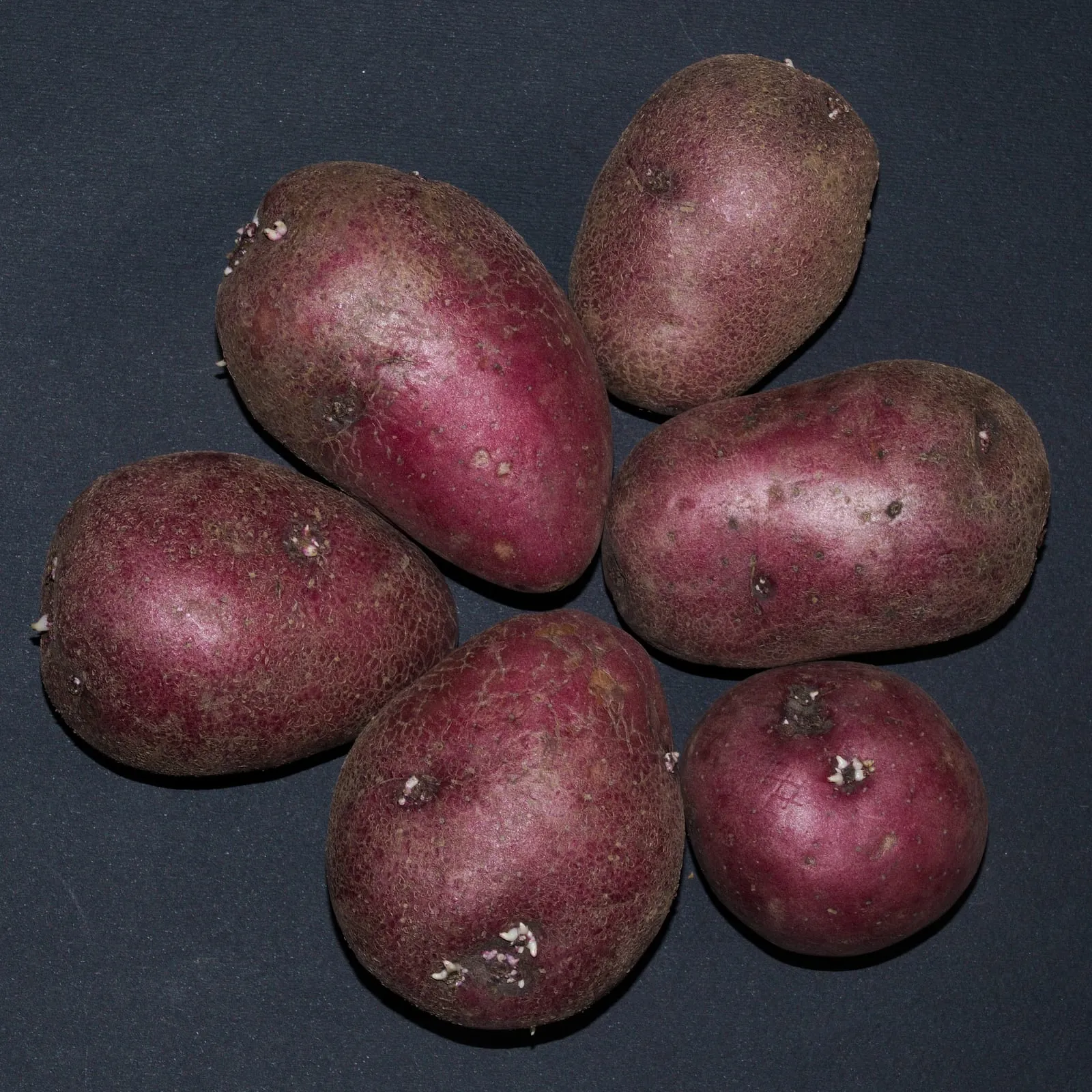
vegetable in zone 8a
Growing potato in zone 8a
Solanum tuberosum
- Zone
- 8a 10°F to 15°F
- Growing season
- 240 days
- Suitable varieties
- 1
- Days to harvest
- 70 to 120
The verdict
Potato is a cool-season crop, so chill-hour requirements do not apply. The relevant constraint in zone 8a is summer heat rather than winter cold. Tuber formation slows significantly when soil temperatures exceed 80°F and essentially stops above 85°F, which zone 8a summers can sustain for weeks. The zone's 240-day growing season is generous on paper but forces growers to work around a summer window that is inhospitable to potato production.
This does not make zone 8a a marginal potato zone. It makes it a zone that rewards timing discipline. Growers who plant in late winter and pull tubers before peak summer heat get reliable, productive crops. A second fall planting is also feasible in most of zone 8a, extending annual yield without fighting the heat. Yukon Gold, one of the varieties best matched to zone 8a conditions, handles the compressed spring window well and delivers consistent results when planted early.
Recommended varieties for zone 8a
1 cultivar suited to this zone, with disease-resistance and zone-fit annotations.
| Variety | Notes | Zone fit | Disease resistance |
|---|---|---|---|
| Yukon Gold fits zone 8a | Buttery, smooth, slightly sweet; yellow-fleshed all-purpose potato. Mashing, roasting, frying, gratins. The home-garden standard, stores well. | | none noted |
Critical timing for zone 8a
In zone 8a, the primary planting window opens in February or early March, once soil temperatures reach at least 45°F and the risk of hard freezes drops to near zero. Last frost dates across zone 8a vary but typically fall between mid-February and late March. Seed potatoes planted in this window mature in 70 to 120 days depending on variety, putting harvest in May through early July, ahead of the worst summer heat.
A fall planting in September or early October gives the crop a second viable window. Tubers planted then mature through the mild fall months and can be harvested in November or December. Both windows work; spring planting is more commonly practiced and tends to produce heavier yields in zone 8a.
Common challenges in zone 8a
- ▸ Insufficient chill hours for some apple varieties
- ▸ Pierce's disease in grapes
- ▸ Heat stress on cool-season crops
Disease pressure to watch for
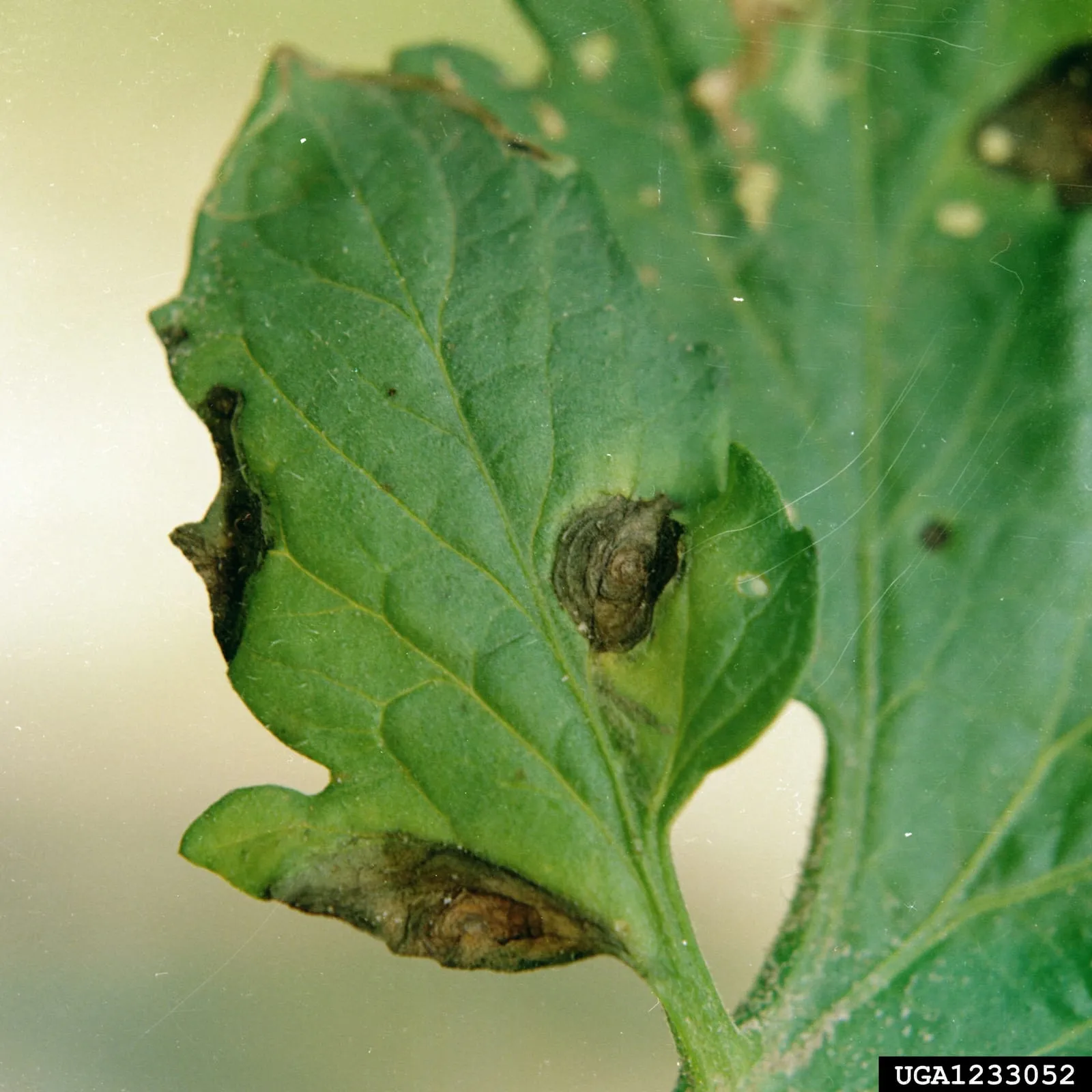
Alternaria solani
Fungal disease starting on lower leaves and progressing upward. The most common tomato and potato leaf disease in the eastern US.
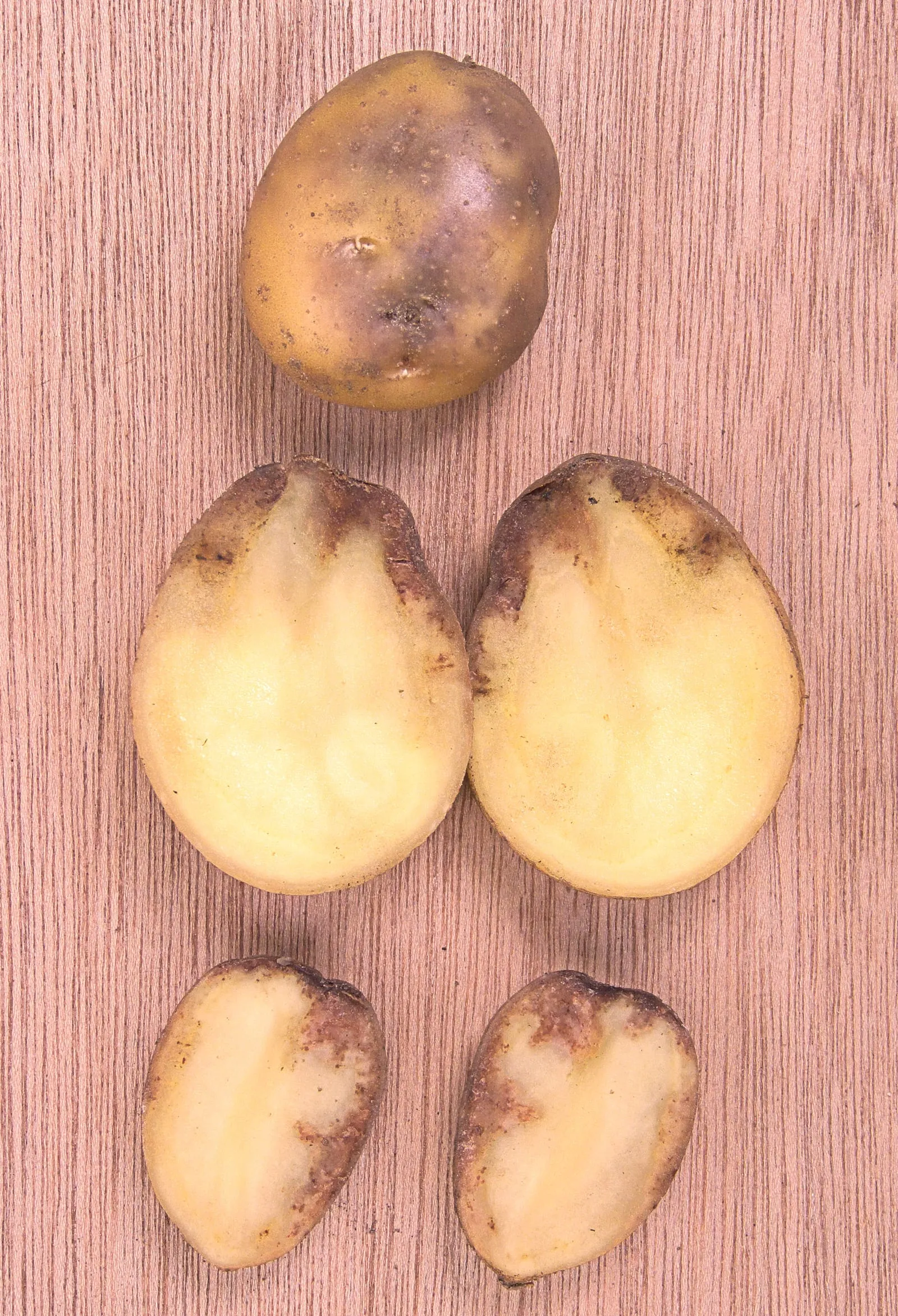
Phytophthora infestans
The pathogen responsible for the Irish Potato Famine. Devastating in cool wet weather; can destroy a tomato planting in days.
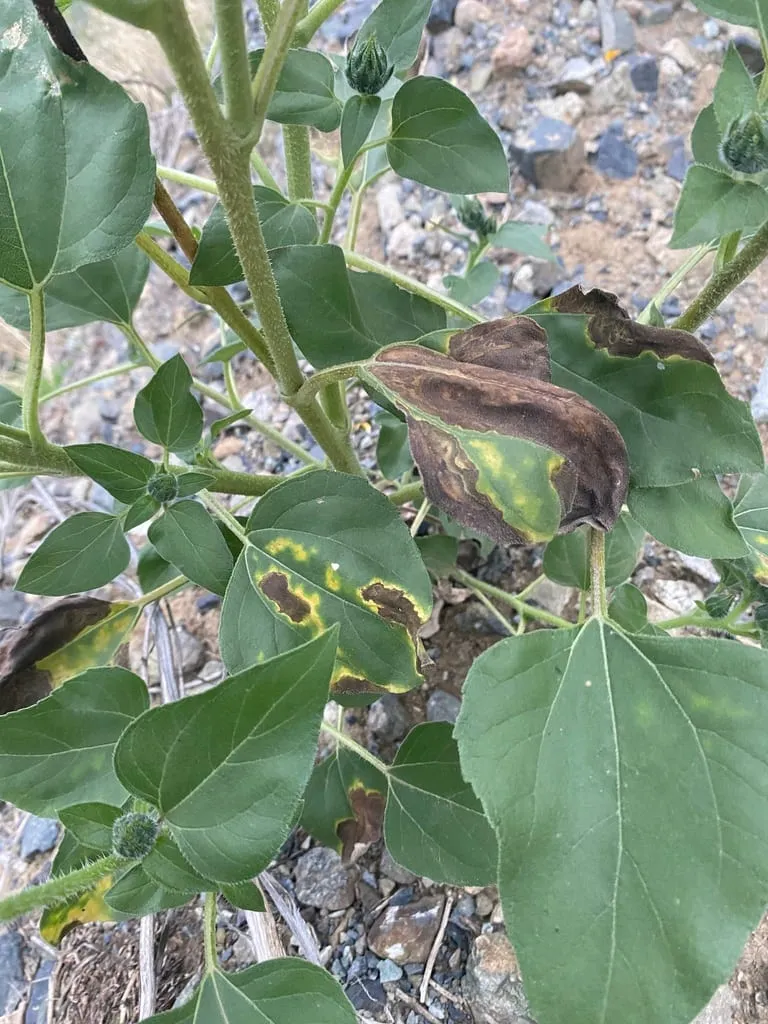
Verticillium dahliae
Soil-borne fungal disease similar to fusarium wilt but with broader host range and cooler temperature optimum. Persists in soil for 10+ years.
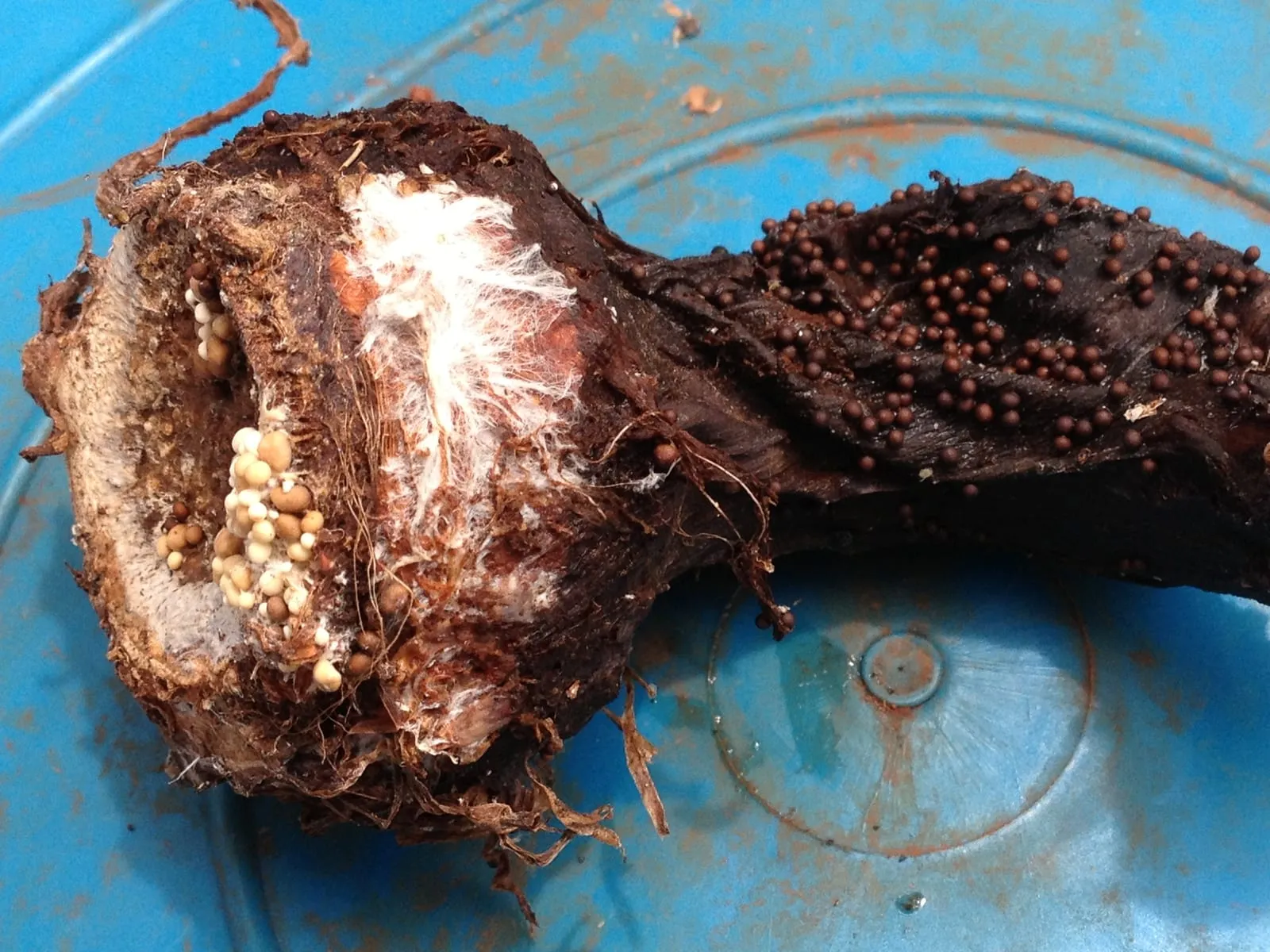
Sclerotium rolfsii
Soil-borne fungal disease most damaging in warm humid Southern conditions. White mycelial fans and small mustard-seed-sized sclerotia at the soil line are diagnostic.
Modified care for zone 8a
The primary adjustment in zone 8a is aggressive timing. Planting later than mid-March on the spring window courts heat stress during tuber set and substantially reduces yield. Consistent irrigation is also more critical here than in cooler zones; potato plants under drought stress become more susceptible to both Early Blight and Late Blight, and zone 8a's warm, humid periods create favorable conditions for both pathogens.
Deep mulching (4 to 6 inches of straw) helps buffer soil temperature and retain moisture during the critical tuber-bulking phase. Verticillium Wilt is soilborne and persists in soil for years, so rotation out of the nightshade family for at least three seasons is advisable in zone 8a gardens with a history of the disease. Raised beds with fresh, well-drained soil reduce Verticillium pressure considerably.
Frequently asked questions
- Can potatoes survive zone 8a summers in the ground?
Not productively. Tubers left in the ground once soil temperatures climb above 80°F will stop sizing and may begin to rot. Spring crops should be harvested by early July at the latest. If a fall crop is planted, tubers should be pulled before the following summer, not stored in-ground.
- Is Yukon Gold a good choice for zone 8a?
Yes. Yukon Gold matures in roughly 70 to 80 days, which fits comfortably within the zone 8a spring window. Its buttery texture holds up well regardless of cooking method, and it performs consistently when planted in late winter with adequate irrigation.
- How serious is Late Blight pressure in zone 8a?
Late Blight (caused by Phytophthora infestans) is a genuine risk in warm, humid zones. Zone 8a springs with frequent rain and mild temperatures create favorable infection conditions. Scout regularly after mid-April, avoid overhead irrigation, and remove infected foliage immediately. Copper-based fungicides are an option for high-pressure seasons.
+−
+−
+−
Potato in adjacent zones
Image: "Solanum tuberosum Red Scarlett20170523 7825", by Bff, via Wikimedia Commons, licensed under CC-BY Source.

Related