vegetable in zone 7b
Growing potato in zone 7b
Solanum tuberosum
- Zone
- 7b 5°F to 10°F
- Growing season
- 220 days
- Suitable varieties
- 2
- Days to harvest
- 70 to 120
The verdict
Zone 7b (minimum temperatures 5 to 10°F, 220-day growing season) is workable for potatoes but not the crop's sweet spot. Unlike fruit trees, potatoes carry no chill-hour requirement; the binding constraint is soil temperature during tuber development. Tubers form most efficiently when soil stays between 60 and 70°F. In zone 7b, that window exists reliably in spring and again in early fall, but the compressed stretch between the end of spring cool weather and peak July heat can limit yield on slower-maturing varieties.
Varieties like Yukon Gold (roughly 80 days to maturity) and Kennebec (80 to 85 days) fit the spring planting window before soil temperatures exceed 80°F in midsummer. Zone 7b is not a marginal zone for potatoes in the way that, say, zone 9 would be, but the summer heat profile does push growers toward earlier planting dates and shorter-season varieties to lock in harvest before heat stress halts tuber development.
Recommended varieties for zone 7b
2 cultivars suited to this zone, with disease-resistance and zone-fit annotations.
| Variety | Notes | Zone fit | Disease resistance |
|---|---|---|---|
| Yukon Gold fits zone 7b | Buttery, smooth, slightly sweet; yellow-fleshed all-purpose potato. Mashing, roasting, frying, gratins. The home-garden standard, stores well. | | none noted |
| Kennebec fits zone 7b | Smooth, balanced flavor, all-purpose; classic American main-crop white potato. Mashing, frying, baking, storage. Disease-tolerant, productive, easy to grow. | | none noted |
Critical timing for zone 7b
Spring planting in zone 7b typically begins 2 to 4 weeks before the average last frost, which falls between late March and early April across most of the region. Potato foliage tolerates a light frost, making mid-March planting reasonable in most years. Bloom follows roughly 60 to 70 days after emergence.
Early or new potatoes can be harvested at 70 to 90 days; full-size tubers require 90 to 120 days depending on variety. That puts spring harvest in late June through July, just as soil temperatures peak. A fall crop is also viable: plant seed potatoes in late July to early August, targeting harvest before the first hard freeze, which typically arrives in mid-October to early November in zone 7b.
Common challenges in zone 7b
- ▸ Cedar-apple rust pressure heavy in piedmont
- ▸ Japanese beetles
- ▸ Brown marmorated stink bug
- ▸ Late summer disease pressure
Disease pressure to watch for
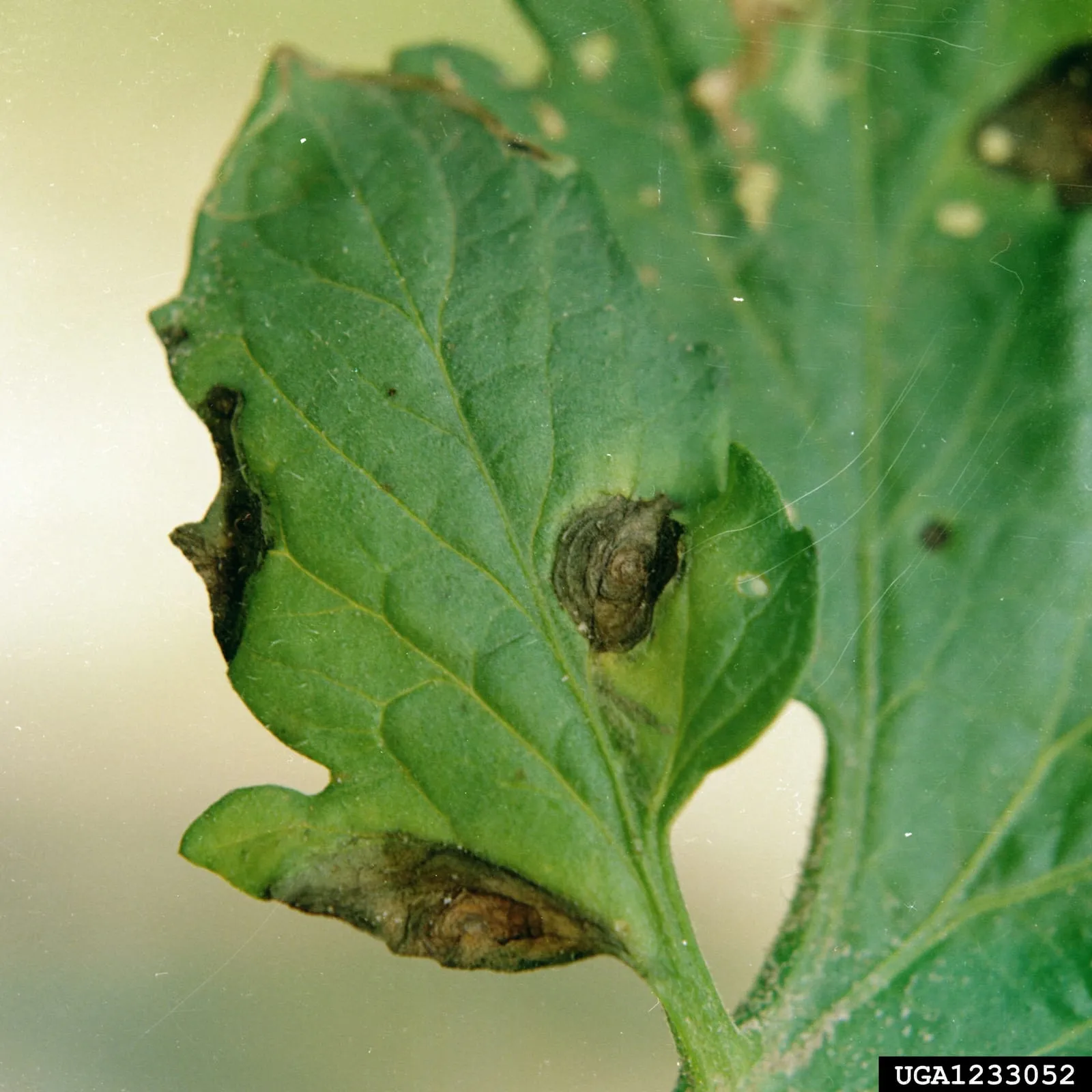
Alternaria solani
Fungal disease starting on lower leaves and progressing upward. The most common tomato and potato leaf disease in the eastern US.
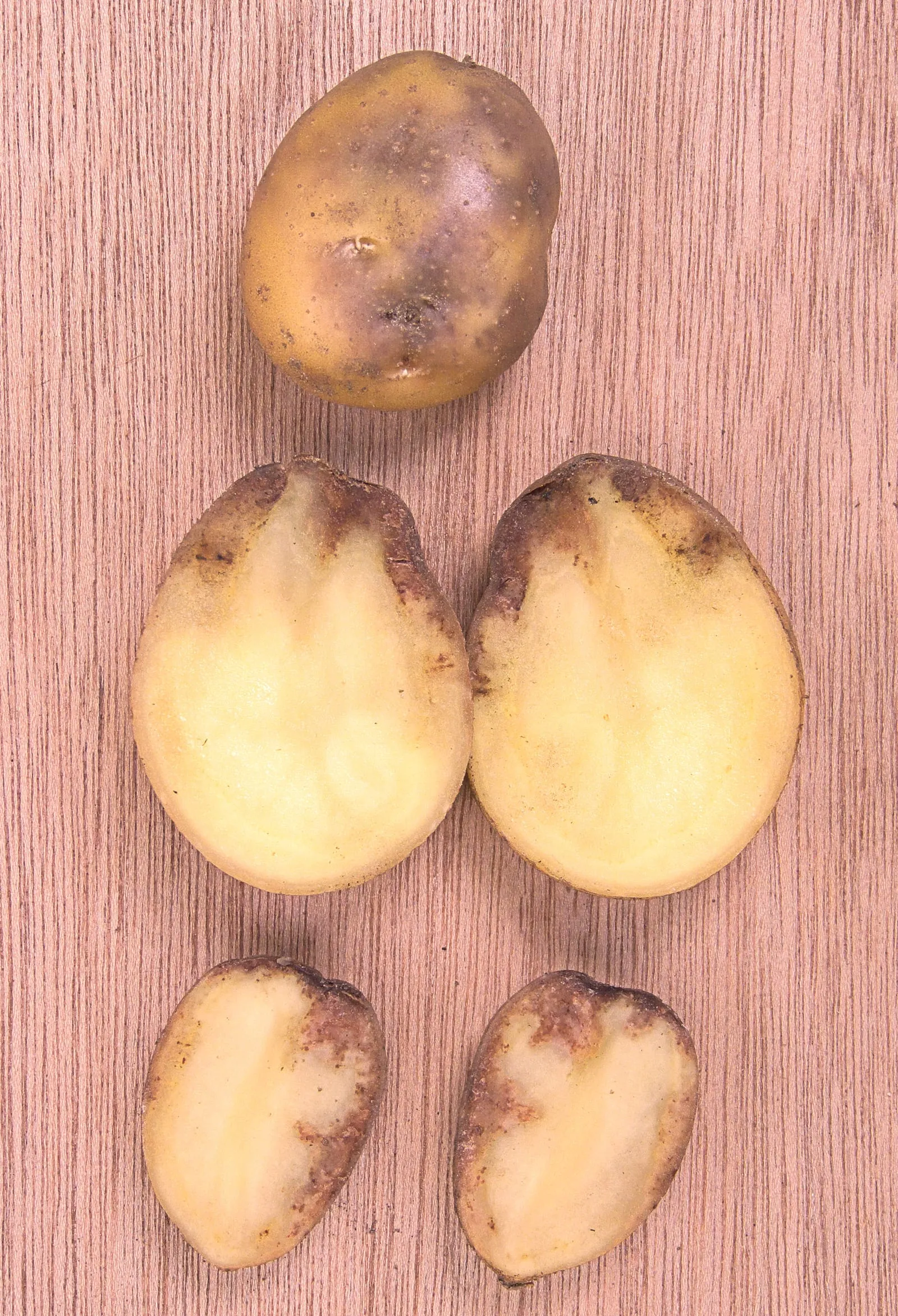
Phytophthora infestans
The pathogen responsible for the Irish Potato Famine. Devastating in cool wet weather; can destroy a tomato planting in days.
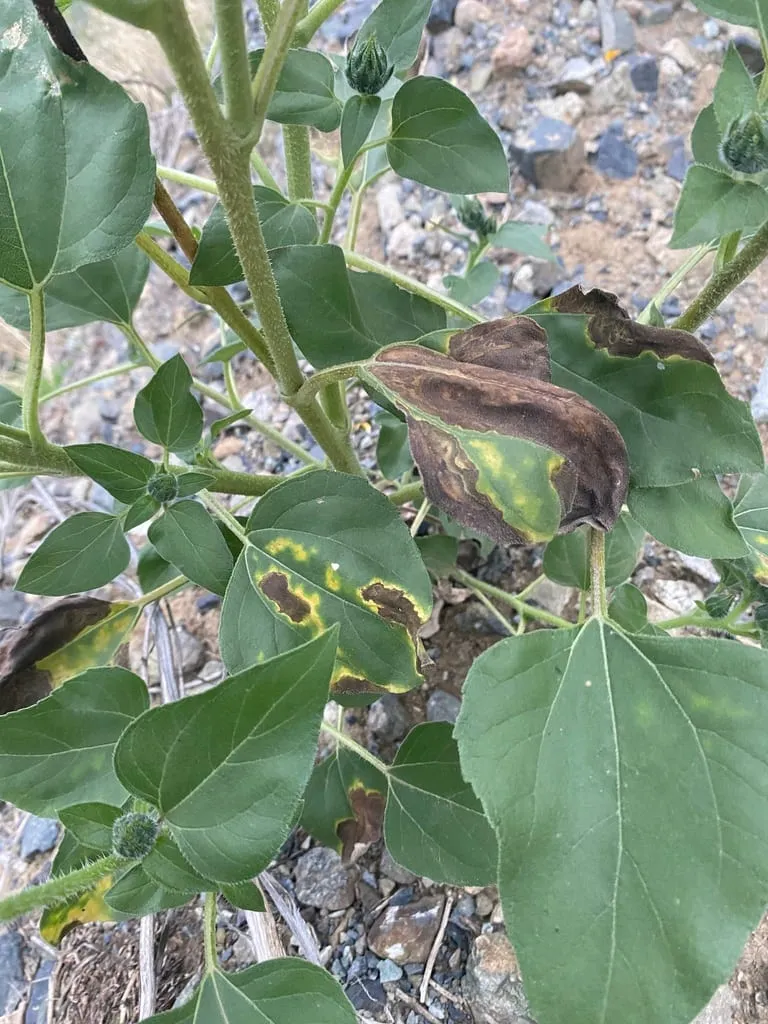
Verticillium dahliae
Soil-borne fungal disease similar to fusarium wilt but with broader host range and cooler temperature optimum. Persists in soil for 10+ years.
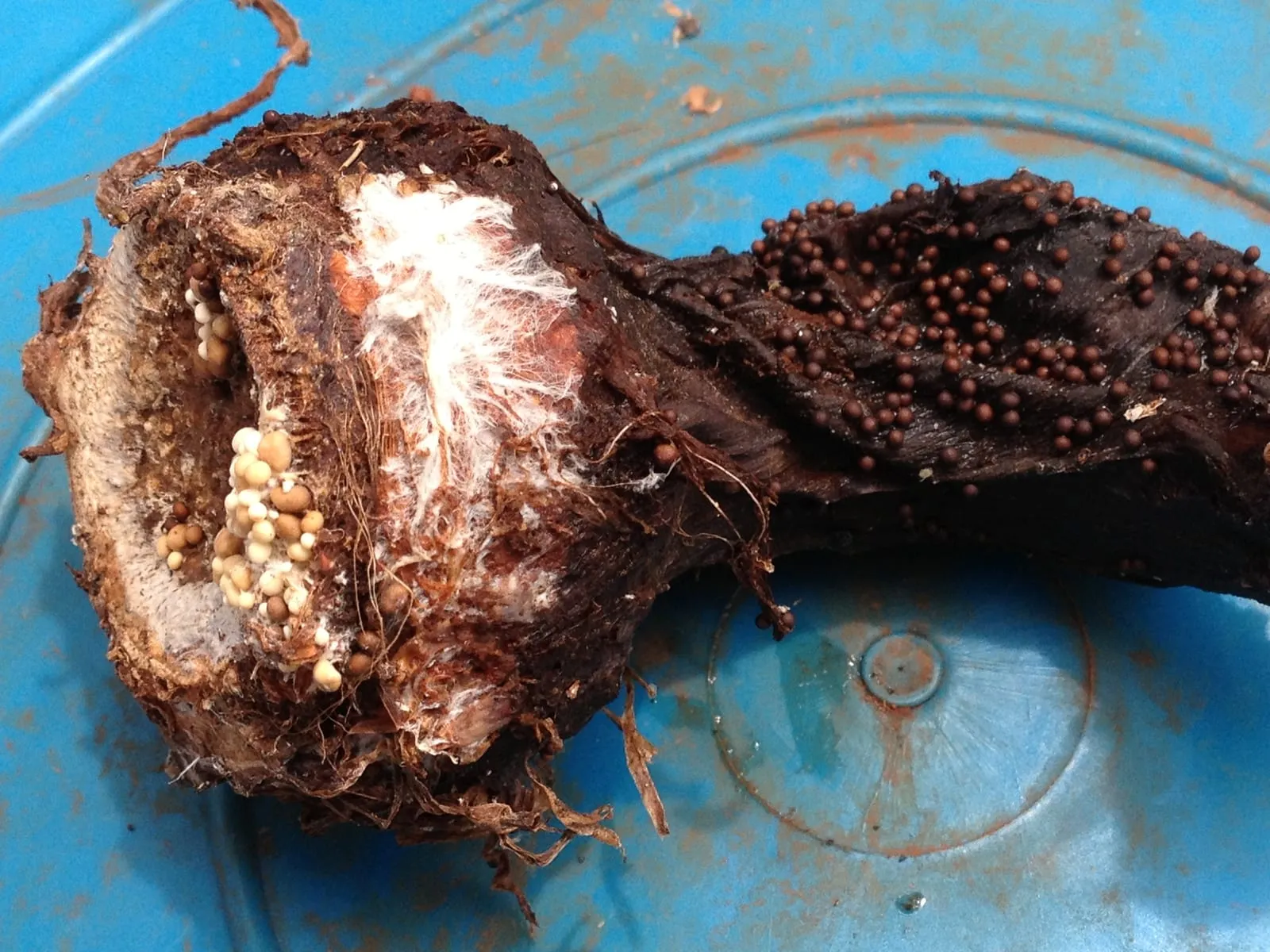
Sclerotium rolfsii
Soil-borne fungal disease most damaging in warm humid Southern conditions. White mycelial fans and small mustard-seed-sized sclerotia at the soil line are diagnostic.
Modified care for zone 7b
The primary adjustments in zone 7b center on disease management and heat timing. Early Blight and Late Blight pressure intensifies through July and August when humidity stays high. Scout for Early Blight lesions at flowering; copper-based or approved fungicides on a 7-to-10-day schedule can slow progression. Late Blight spreads rapidly during cool, wet spells and can collapse a planting within days; bag and discard affected foliage rather than composting it.
Verticillium Wilt persists in soilborne inoculum for years. Rotating potatoes on a 3-to-4-year cycle with non-solanaceous crops meaningfully reduces pathogen buildup. Japanese beetle defoliation in late June and July is cosmetically damaging but rarely fatal to established plants. Mulching with straw after hilling moderates soil temperature and extends the productive window before summer heat slows tuber development.
Potato in adjacent zones
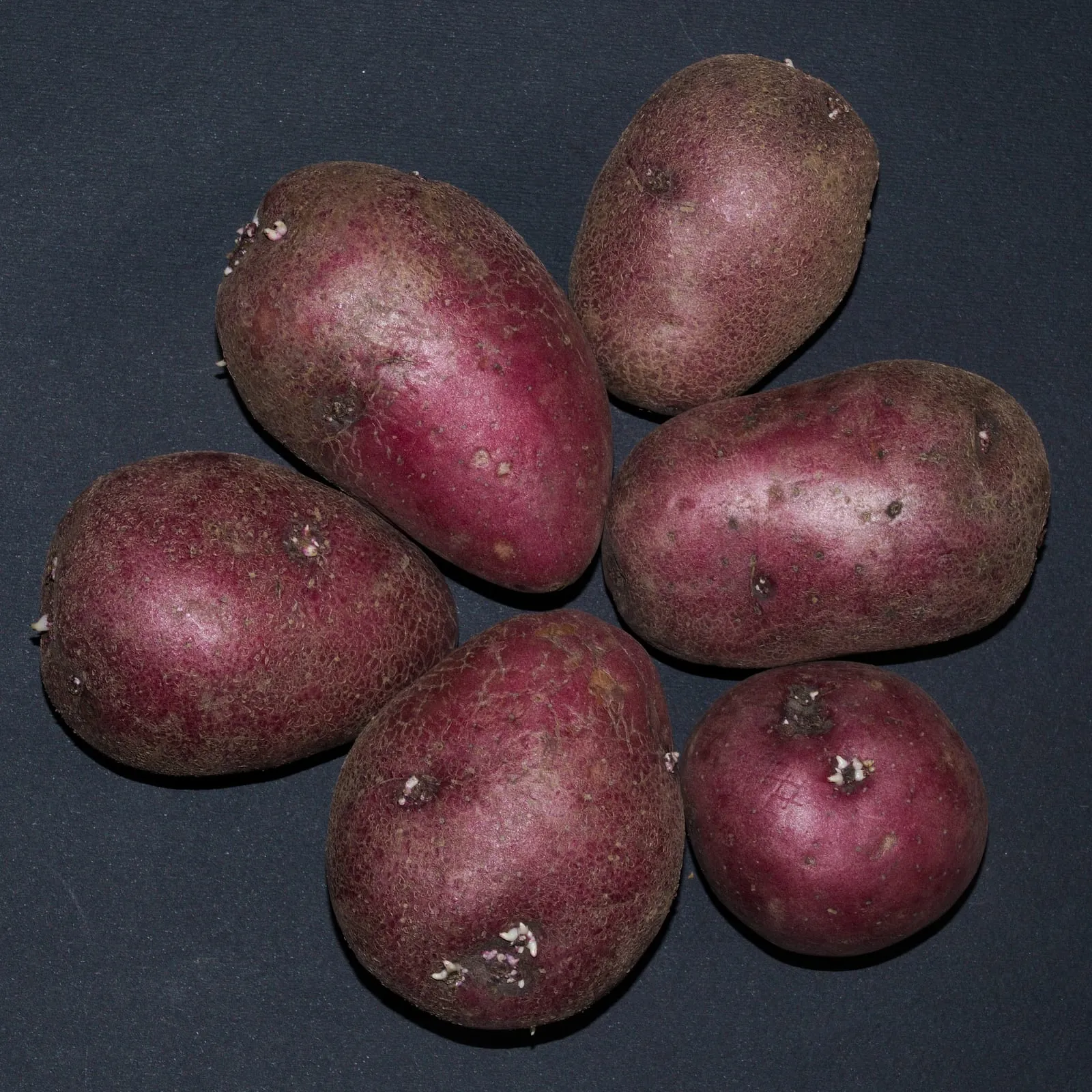
Image: "Solanum tuberosum Red Scarlett20170523 7825", by Bff, via Wikimedia Commons, licensed under CC-BY Source.

Related