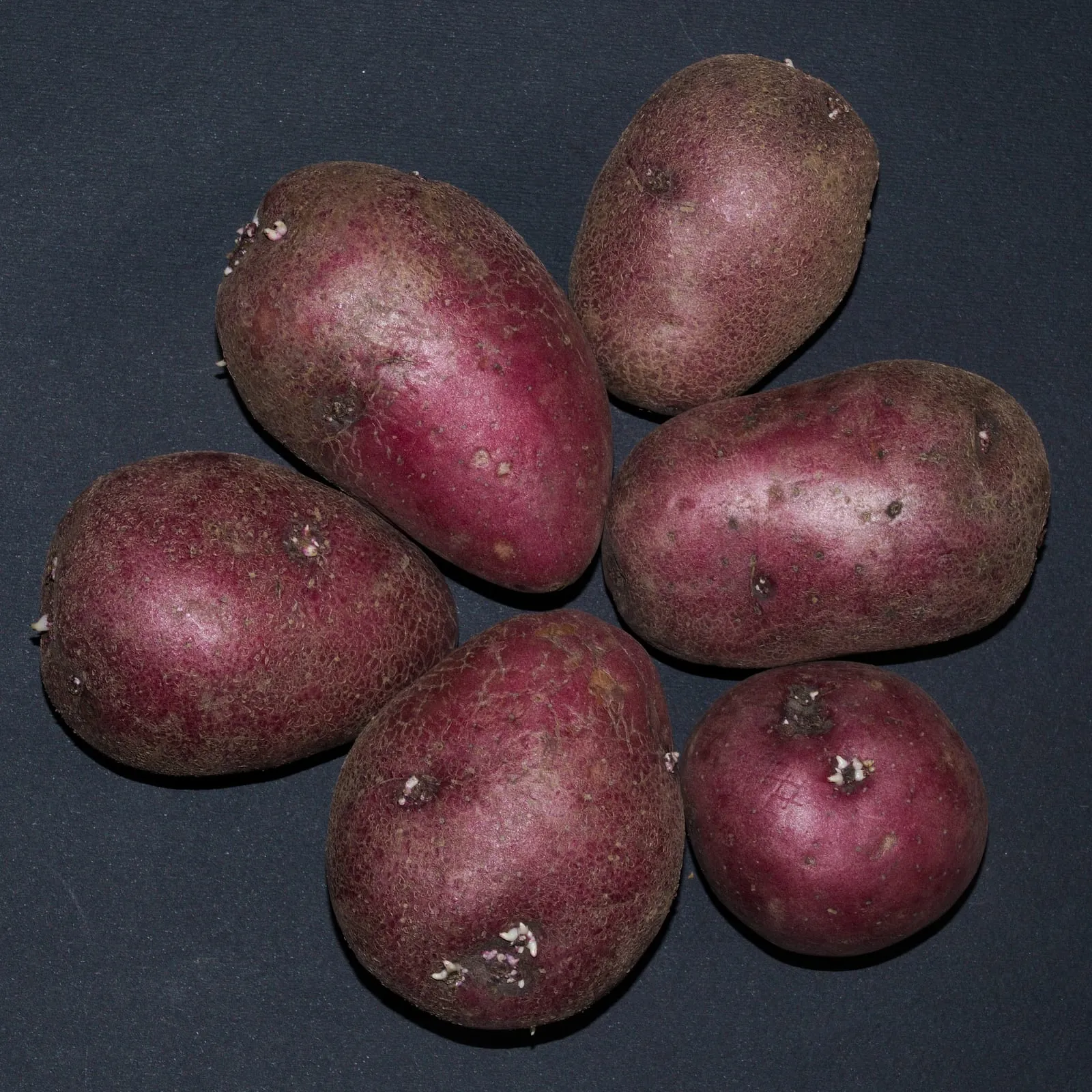
vegetable in zone 7a
Growing potato in zone 7a
Solanum tuberosum
- Zone
- 7a 0°F to 5°F
- Growing season
- 210 days
- Suitable varieties
- 5
- Days to harvest
- 70 to 120
The verdict
Potato is a cool-season annual, not a perennial requiring vernalization, so chill-hour matching is not a factor here. What determines success in zone 7a is whether the temperature profile allows sufficient cool growing time before summer heat arrives. With a 210-day growing season and winter minimum temperatures of 0 to 5°F, zone 7a is a reliable production zone for spring potatoes. The limiting factor is late-season heat: once soil temperatures consistently exceed 80°F, tuber development stalls and yields decline. Zone 7a's July and August heat compresses the effective window for full-season varieties.
Early and mid-season types in the 70 to 85-day range tend to outperform long-season varieties because they mature before peak heat stress. Red Norland and Yukon Gold fit this window comfortably. Russet Burbank, which often requires 100 or more days, is workable but demands early planting discipline. A fall planting window also exists, which partially offsets the summer heat problem. Overall, zone 7a is a productive potato zone, not a marginal one.
Recommended varieties for zone 7a
5 cultivars suited to this zone, with disease-resistance and zone-fit annotations.
| Variety | Notes | Zone fit | Disease resistance |
|---|---|---|---|
| Yukon Gold fits zone 7a | Buttery, smooth, slightly sweet; yellow-fleshed all-purpose potato. Mashing, roasting, frying, gratins. The home-garden standard, stores well. | | none noted |
| Russet Burbank fits zone 7a | Dry, fluffy, classic baking potato; the McDonald's french fry variety. Baking, mashing, frying. Long-storage main-crop, needs full season. | | none noted |
| Red Norland fits zone 7a | Waxy, moist, mild flavor; thin-skinned red new potato. Boiling, salads, roasting whole. Early variety, can dig as small new potatoes 60 days after planting. | | none noted |
| Kennebec fits zone 7a | Smooth, balanced flavor, all-purpose; classic American main-crop white potato. Mashing, frying, baking, storage. Disease-tolerant, productive, easy to grow. | | none noted |
| Adirondack Blue fits zone 7a | Earthy, slightly nutty, holds purple color when cooked; blue-skinned blue-fleshed novelty. Roasting, oven fries, salads. High in anthocyanins, productive. | | none noted |
Critical timing for zone 7a
Zone 7a's last spring frost falls between late March and mid-April across most of the zone. Seed potatoes go in the ground 2 to 4 weeks before that date, placing planting in early to mid-March. Soil temperature at planting depth should be at least 45°F; colder soils slow emergence and increase the risk of seed-piece rot.
Spring crops using 70- to 80-day varieties typically reach harvest in late June through mid-July, before peak summer heat. For a fall planting, seed pieces go in during mid- to late July, with harvest targeted for October before the zone's first fall frost (typically mid-October to early November). Fall-grown tubers often develop better flavor and storage quality because they bulk during the cooler temperatures of September and October rather than under summer heat stress.
Common challenges in zone 7a
- ▸ Cedar-apple rust
- ▸ Brown rot
- ▸ Fire blight
- ▸ High humidity disease pressure
Disease pressure to watch for
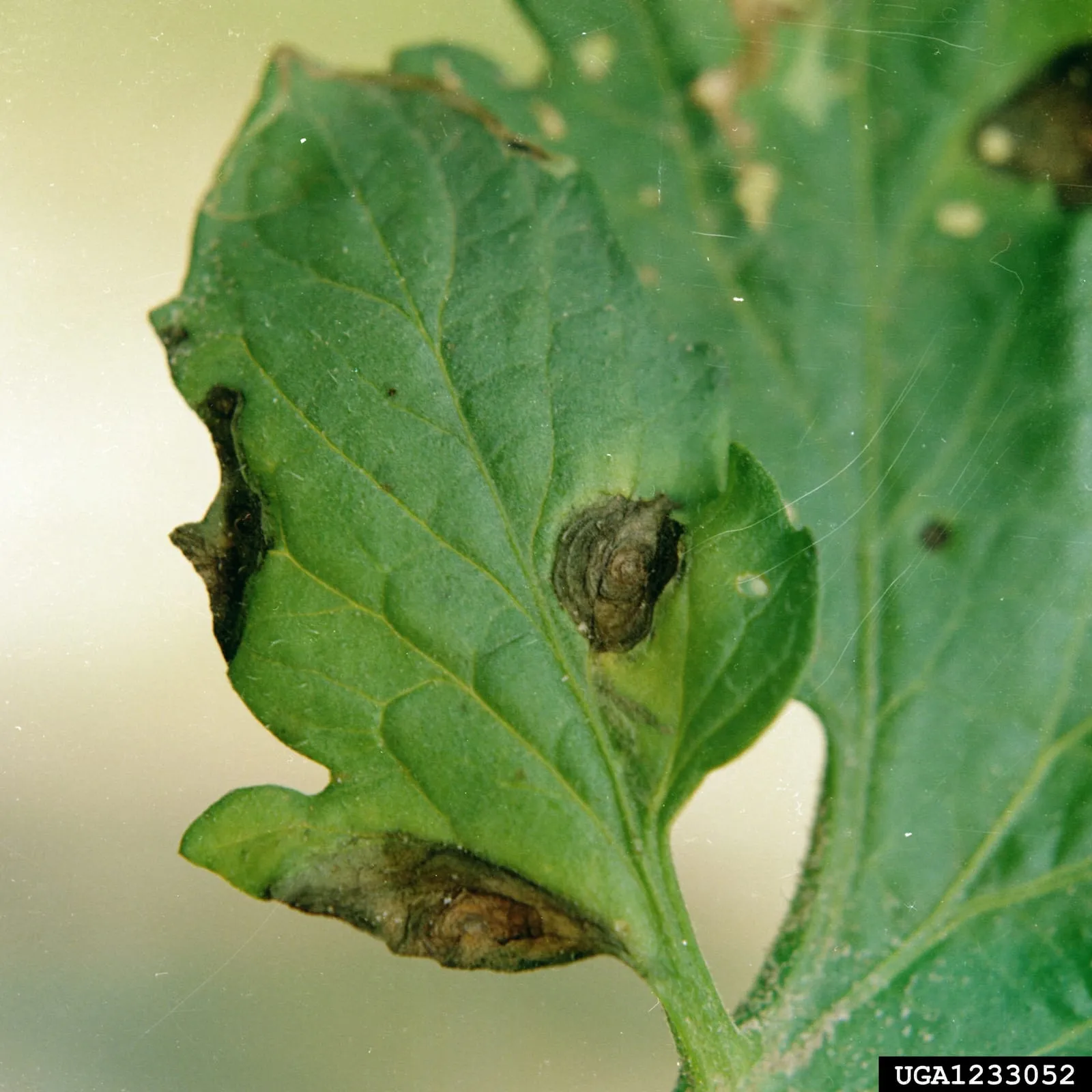
Alternaria solani
Fungal disease starting on lower leaves and progressing upward. The most common tomato and potato leaf disease in the eastern US.
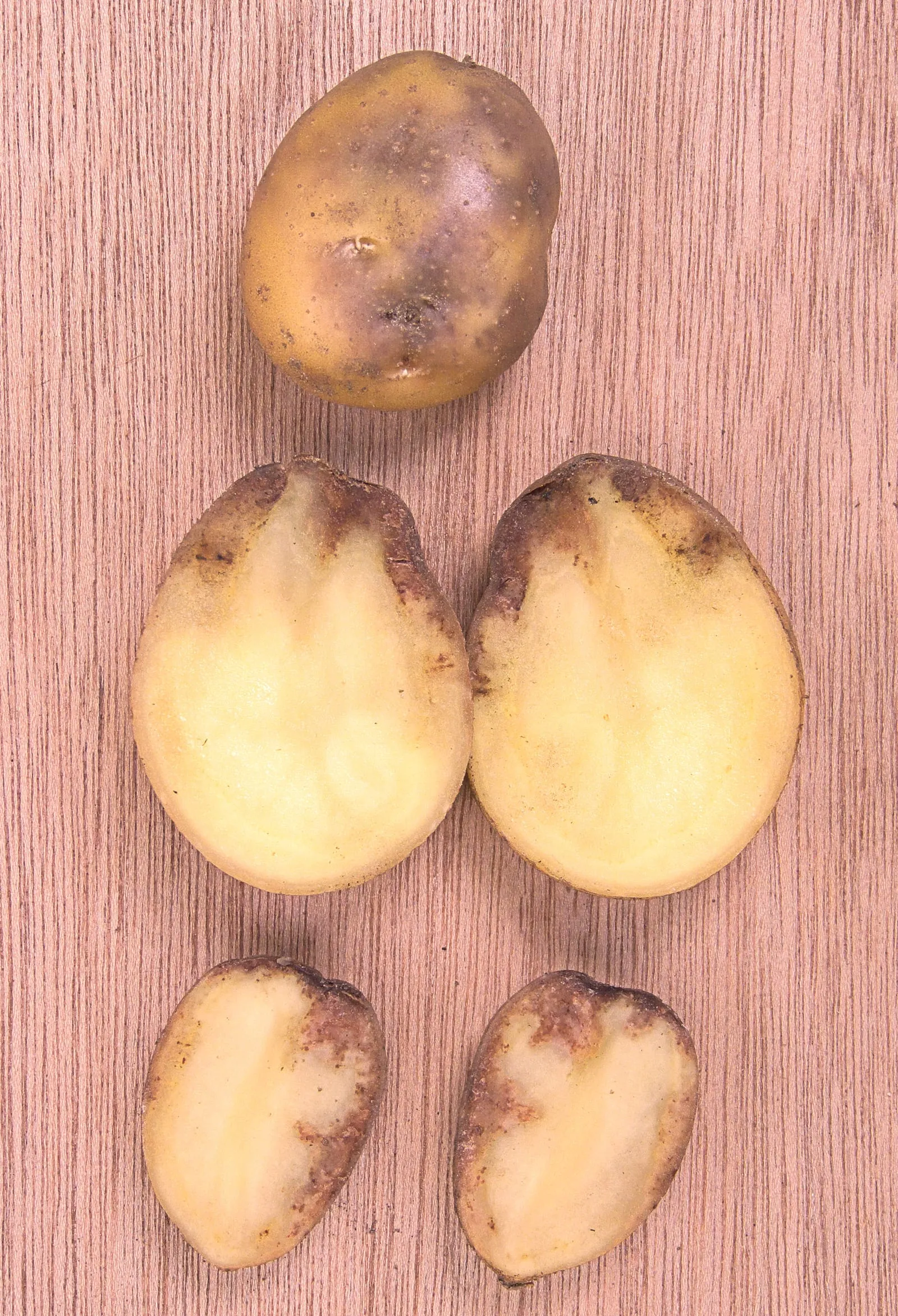
Phytophthora infestans
The pathogen responsible for the Irish Potato Famine. Devastating in cool wet weather; can destroy a tomato planting in days.
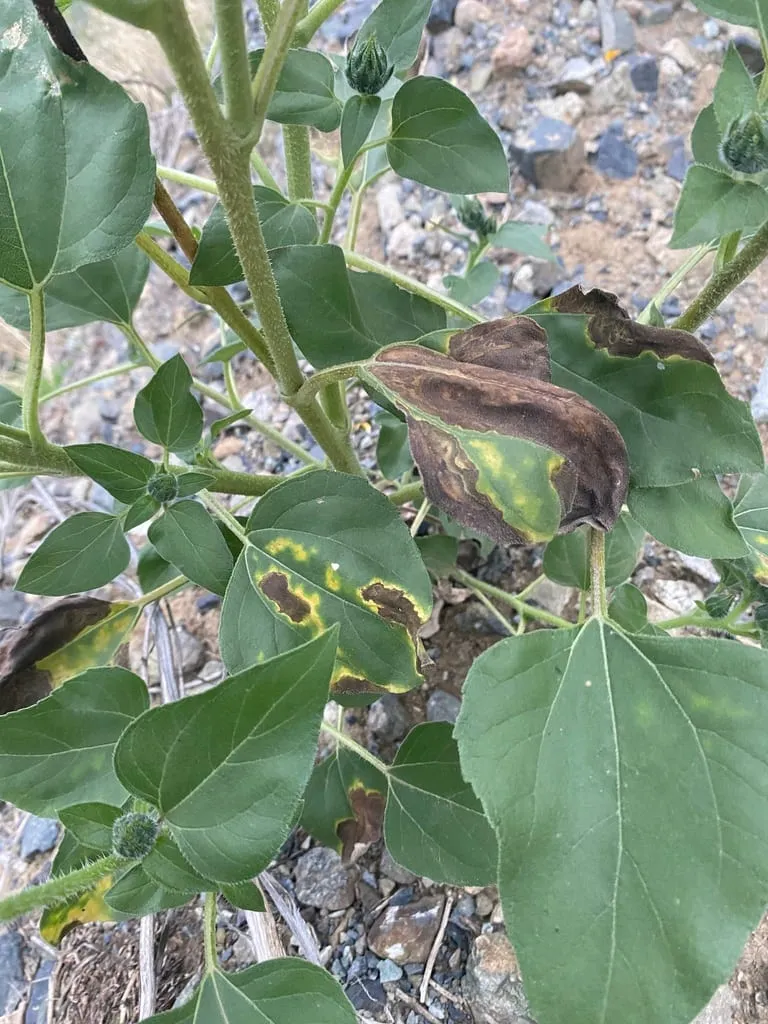
Verticillium dahliae
Soil-borne fungal disease similar to fusarium wilt but with broader host range and cooler temperature optimum. Persists in soil for 10+ years.
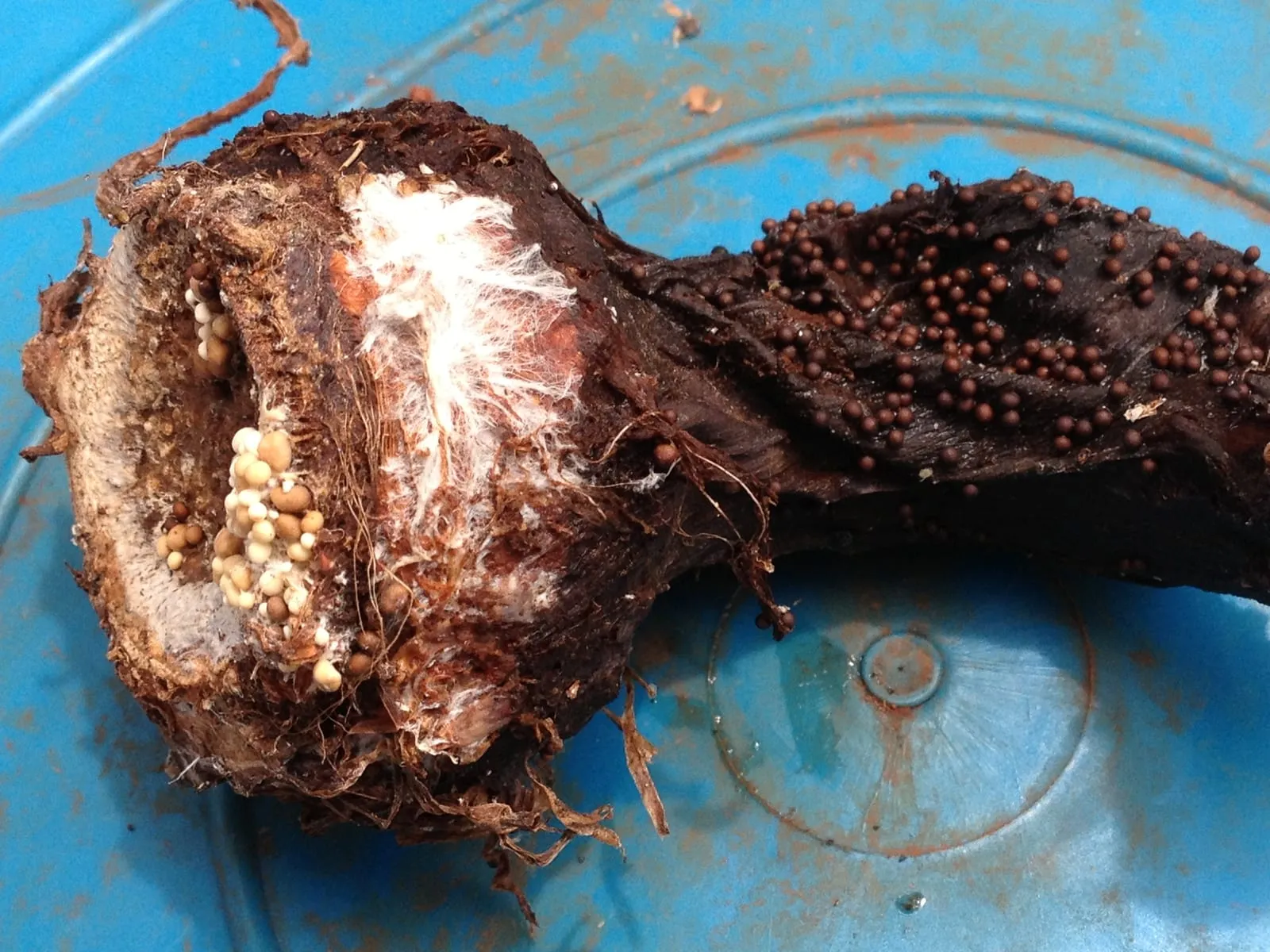
Sclerotium rolfsii
Soil-borne fungal disease most damaging in warm humid Southern conditions. White mycelial fans and small mustard-seed-sized sclerotia at the soil line are diagnostic.
Modified care for zone 7a
Zone 7a's combination of spring humidity and summer heat creates elevated pressure from Early Blight and Late Blight. Preventive fungicide applications starting at vine canopy closure reduce losses; copper-based products are effective for growers following organic practices, while chlorothalonil is the conventional standard. Overhead irrigation should be avoided; drip or furrow irrigation keeps foliage dry and limits the leaf-wetness periods both pathogens require.
Crop rotation of at least 3 years between potato and other Solanaceae plantings reduces Verticillium Wilt inoculum in the soil over time. Mulching with straw or shredded leaves at 4 to 6 inches moderates soil temperature and conserves moisture through summer heat spikes. In the fall planting window, monitor for aphid pressure, which peaks in late summer and can transmit mosaic viruses into the planting before populations are noticed.
Frequently asked questions
- Can potatoes be grown twice a year in zone 7a?
Yes. A spring crop planted in early to mid-March and harvested in late June or July can be followed by a fall crop planted in mid- to late July for October harvest. The two-crop approach is practical in zone 7a because the growing season is long enough to accommodate both windows around the summer heat peak.
- Which potato varieties perform best in zone 7a?
Early and mid-season varieties that mature in 70 to 85 days are best suited for the spring window: Red Norland, Yukon Gold, Kennebec, and Adirondack Blue all fit this profile. Russet Burbank is viable but needs early planting to finish before July heat. Kennebec carries useful disease resistance that is an asset given zone 7a humidity levels.
- How serious is Late Blight in zone 7a potato plantings?
Late Blight (Phytophthora infestans) is a real risk in zone 7a given the combination of spring humidity and periods of warm, wet weather. It can destroy a planting rapidly once established. Preventive fungicide applications and drip irrigation (to avoid wet foliage) are the two most effective management levers available to growers.
- Does zone 7a get cold enough to damage seed potatoes planted in early March?
Light frost after planting does not usually kill seed pieces already in the ground, but a hard freeze can damage emerged shoots. If a late frost is forecast after sprouts break the surface, covering rows with row cover or straw overnight provides adequate protection. Seed pieces at planting depth are generally safe from all but the most severe late cold snaps.
+−
+−
+−
+−
Potato in adjacent zones
Image: "Solanum tuberosum Red Scarlett20170523 7825", by Bff, via Wikimedia Commons, licensed under CC-BY Source.

Related