vegetable in zone 6b
Growing potato in zone 6b
Solanum tuberosum
- Zone
- 6b -5°F to 0°F
- Growing season
- 190 days
- Suitable varieties
- 5
- Days to harvest
- 70 to 120
The verdict
Potato is well-suited to zone 6b. Unlike fruit trees, potatoes require no winter chill hours; the crop's performance depends on cool soil at planting, moderate air temperatures during vine growth, and enough frost-free days to complete tuber bulking. Zone 6b delivers on all three. With minimum winter temperatures between -5 and 0°F and a 190-day growing season, growers have enough of a window to run early, mid-season, and late varieties without racing the calendar.
The varieties compatible with this zone span a useful range: Red Norland matures in roughly 70 to 80 days, Yukon Gold in 80 to 90, and Kennebec and Russet Burbank in 100 to 120 days. Adirondack Blue falls in the mid-to-late category. All finish well before zone 6b's first fall frost. Zone 6b is not a marginal zone for potatoes; it sits comfortably within the core productive range, with the primary risks coming from disease pressure rather than climate mismatch.
Recommended varieties for zone 6b
5 cultivars suited to this zone, with disease-resistance and zone-fit annotations.
| Variety | Notes | Zone fit | Disease resistance |
|---|---|---|---|
| Yukon Gold fits zone 6b | Buttery, smooth, slightly sweet; yellow-fleshed all-purpose potato. Mashing, roasting, frying, gratins. The home-garden standard, stores well. | | none noted |
| Russet Burbank fits zone 6b | Dry, fluffy, classic baking potato; the McDonald's french fry variety. Baking, mashing, frying. Long-storage main-crop, needs full season. | | none noted |
| Red Norland fits zone 6b | Waxy, moist, mild flavor; thin-skinned red new potato. Boiling, salads, roasting whole. Early variety, can dig as small new potatoes 60 days after planting. | | none noted |
| Kennebec fits zone 6b | Smooth, balanced flavor, all-purpose; classic American main-crop white potato. Mashing, frying, baking, storage. Disease-tolerant, productive, easy to grow. | | none noted |
| Adirondack Blue fits zone 6b | Earthy, slightly nutty, holds purple color when cooked; blue-skinned blue-fleshed novelty. Roasting, oven fries, salads. High in anthocyanins, productive. | | none noted |
Critical timing for zone 6b
In zone 6b, soil temperatures typically reach 45°F in mid-to-late March, which is the practical threshold for setting seed potatoes. Planting two to four weeks before the average last frost date, usually late March to mid-April, is standard practice. Potato vines emerge within two to three weeks and reach peak flowering by late May into June depending on planting date and variety.
Harvest timing follows variety maturity: early types like Red Norland are ready by mid-July from a late-March planting, while late varieties such as Russet Burbank and Kennebec reach full size in September. Zone 6b's first fall frost typically arrives in mid-to-late October, leaving a comfortable margin for curing and harvest even for the slowest varieties. A second planting in mid-July for a fall harvest is feasible in zone 6b but requires careful attention to late blight pressure during warm, wet August conditions.
Common challenges in zone 6b
- ▸ Cedar-apple rust
- ▸ Fire blight
- ▸ Stink bugs
Disease pressure to watch for
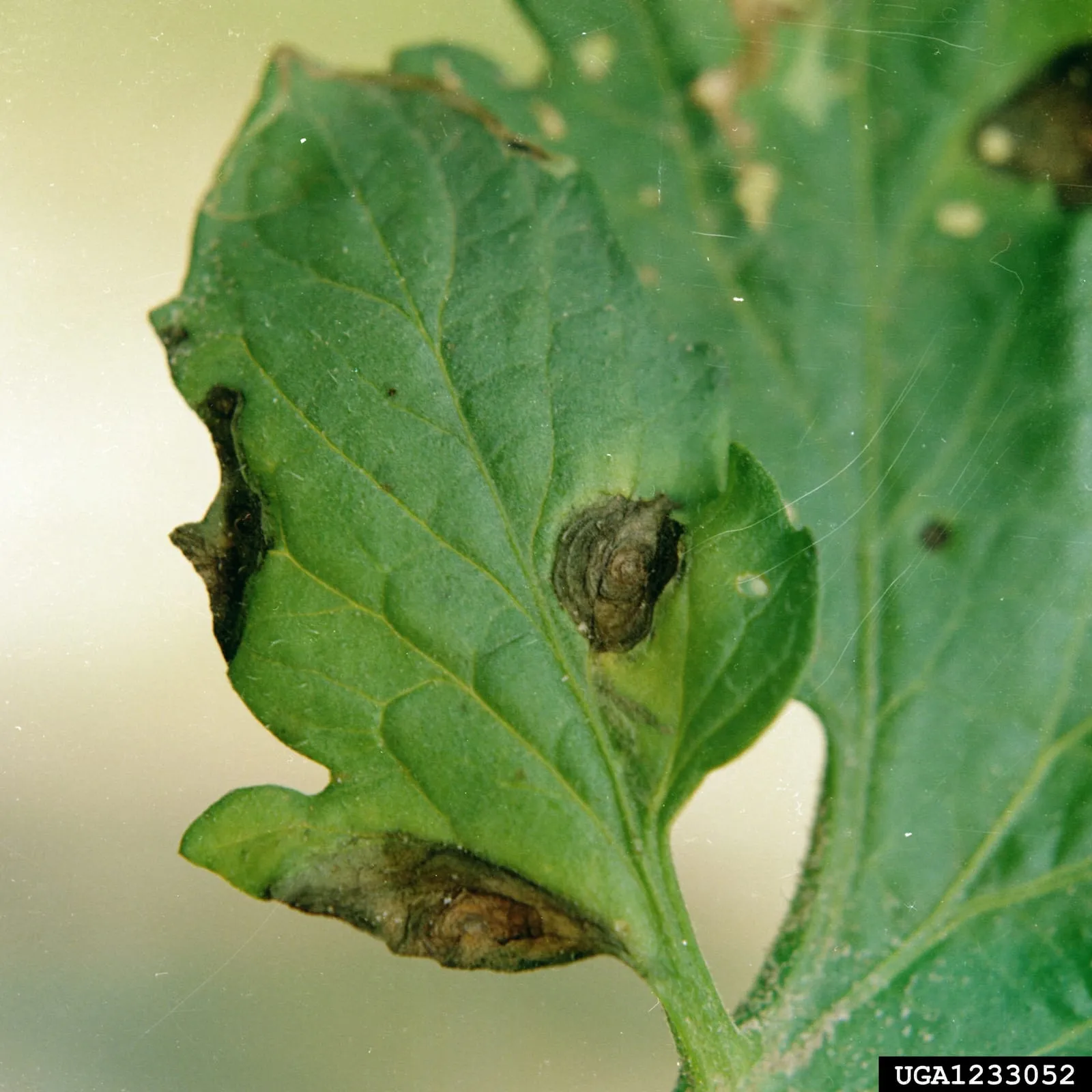
Alternaria solani
Fungal disease starting on lower leaves and progressing upward. The most common tomato and potato leaf disease in the eastern US.
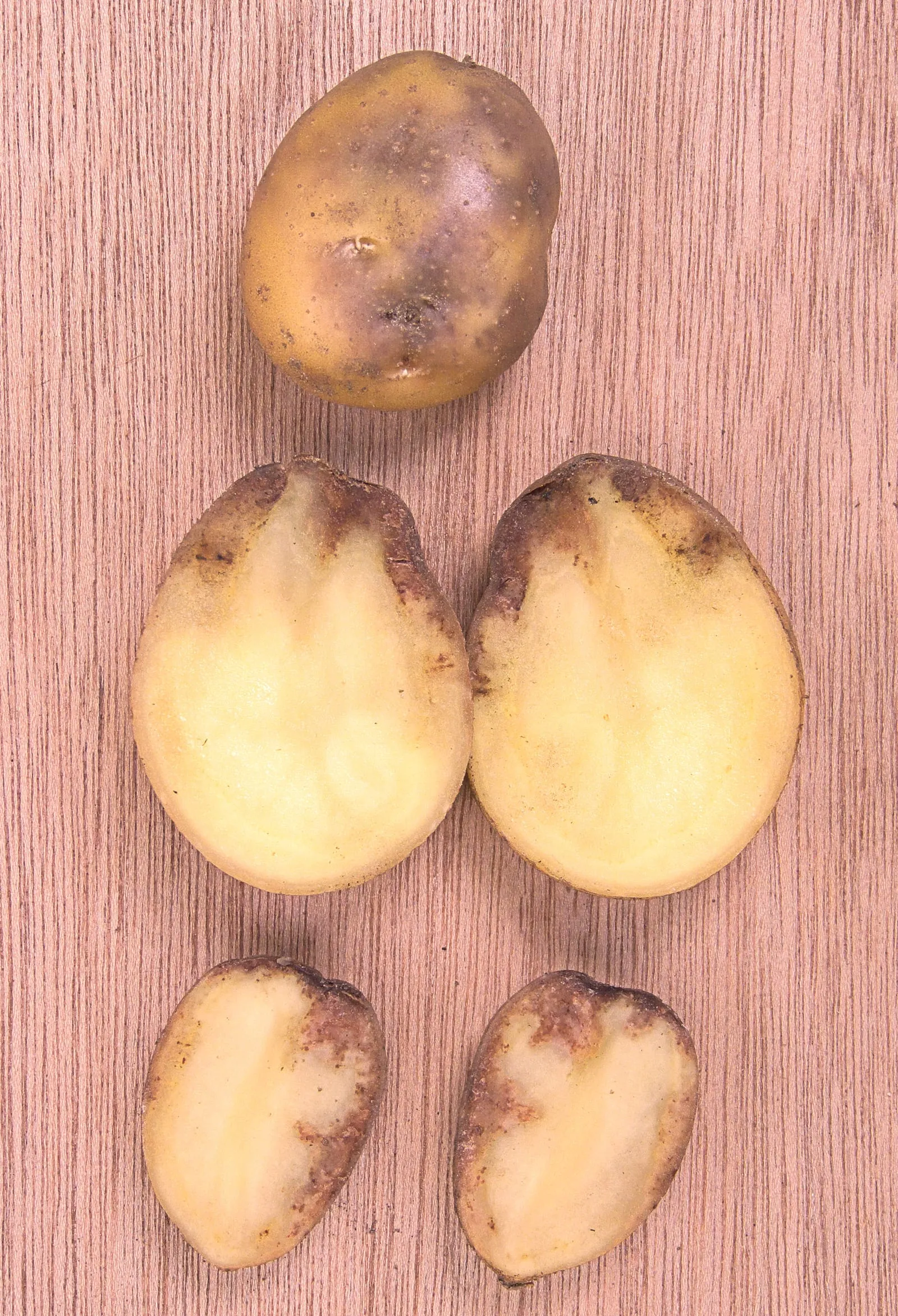
Phytophthora infestans
The pathogen responsible for the Irish Potato Famine. Devastating in cool wet weather; can destroy a tomato planting in days.
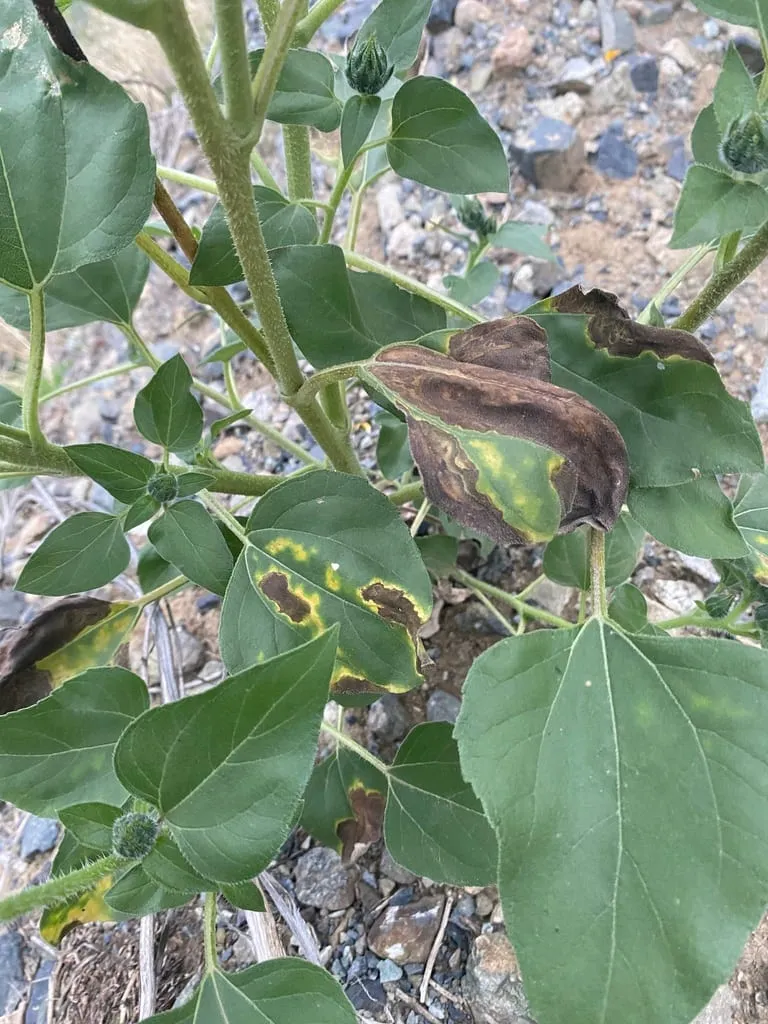
Verticillium dahliae
Soil-borne fungal disease similar to fusarium wilt but with broader host range and cooler temperature optimum. Persists in soil for 10+ years.
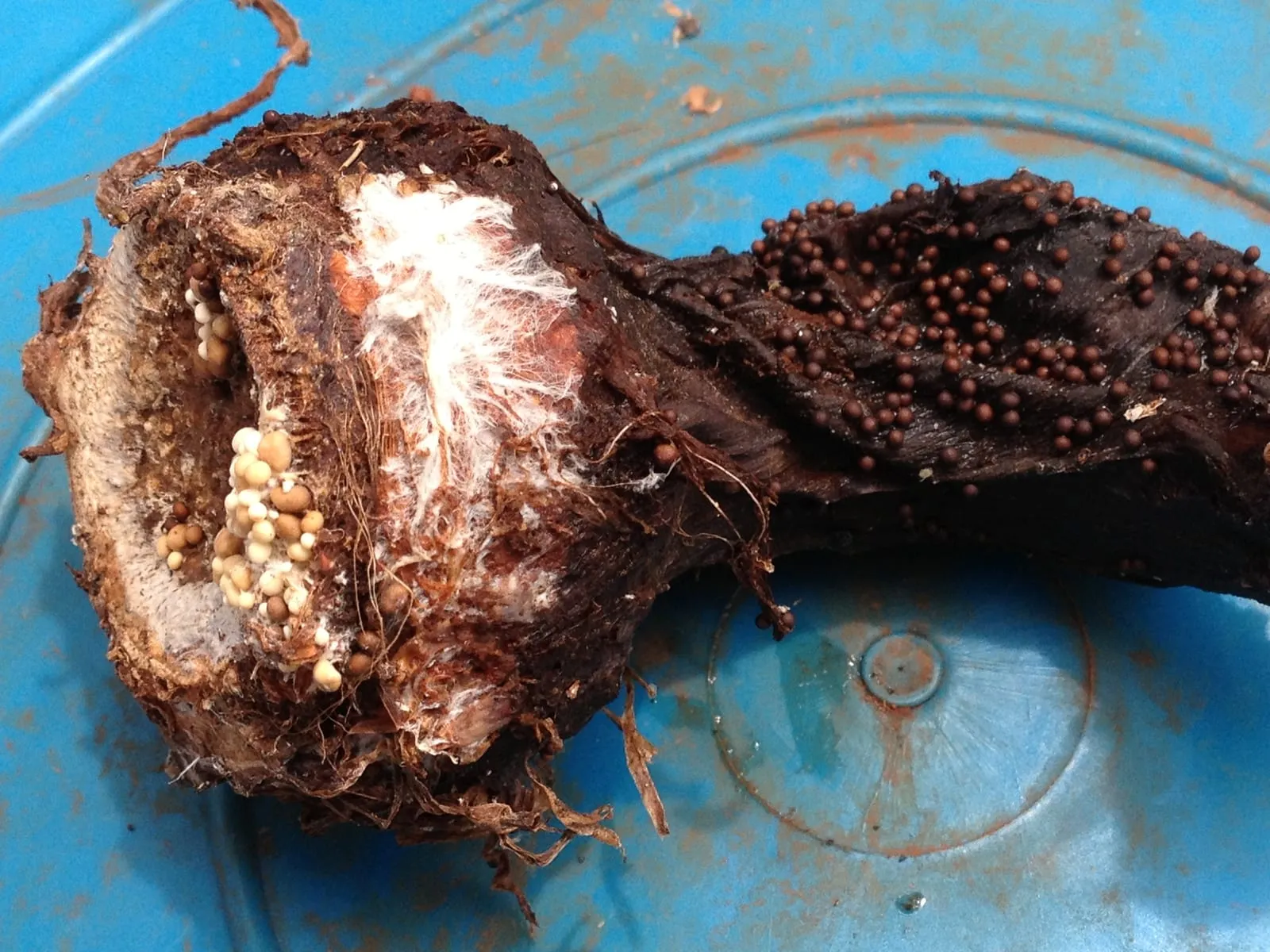
Sclerotium rolfsii
Soil-borne fungal disease most damaging in warm humid Southern conditions. White mycelial fans and small mustard-seed-sized sclerotia at the soil line are diagnostic.
Modified care for zone 6b
The primary management adjustment in zone 6b centers on disease pressure rather than temperature extremes. Early blight and late blight both intensify during humid summers, which zone 6b experiences regularly. Late blight in particular can collapse a planting quickly; growers benefit from selecting tolerant varieties where available and applying copper-based fungicides preventively when nighttime temperatures stay above 50°F alongside wet weather. Kennebec carries moderate late blight tolerance and is a reasonable default for growers who prefer to minimize spray frequency.
Verticillium wilt is a soil-borne concern that builds over successive seasons. Rotating potatoes to a bed that has not grown potatoes or tomatoes for at least three years is advisable. Stink bug feeding on foliage is a nuisance in zone 6b but rarely affects yield significantly. Hilling soil around emerging vines, typically done twice before the canopy closes, remains important for preventing greening regardless of zone.
Frequently asked questions
- When should potatoes be planted in zone 6b?
Soil temperature should reach at least 45°F before setting seed potatoes, which typically falls in mid-to-late March in zone 6b. Planting two to four weeks before the average last frost date is the standard timing. Avoid planting into waterlogged or still-frozen soil, as seed pieces will rot rather than sprout.
- Which potato varieties perform best in zone 6b?
Yukon Gold, Red Norland, Kennebec, Russet Burbank, and Adirondack Blue are all reliable choices. Kennebec offers moderate resistance to late blight, making it a practical option for zone 6b's humid summers. Red Norland matures earliest and suits growers who want a crop out of the ground before peak disease season.
- How serious is late blight in zone 6b?
Late blight is the most consequential disease risk for zone 6b potato growers. Warm nights above 50°F combined with wet or humid conditions create favorable infection windows, particularly in July and August. Preventive copper fungicide applications and good airflow between rows reduce risk; infected foliage should be removed and destroyed, not composted.
- Can a second potato planting be done in zone 6b for a fall harvest?
A mid-July planting targeting fall harvest is possible in zone 6b given its 190-day growing season, but it requires fast-maturing varieties and carries higher late blight risk during the warm, humid weeks of August. Growers attempting a second planting should use early-maturing varieties and plan to harvest before the first hard frost in October.
+−
+−
+−
+−
Potato in adjacent zones
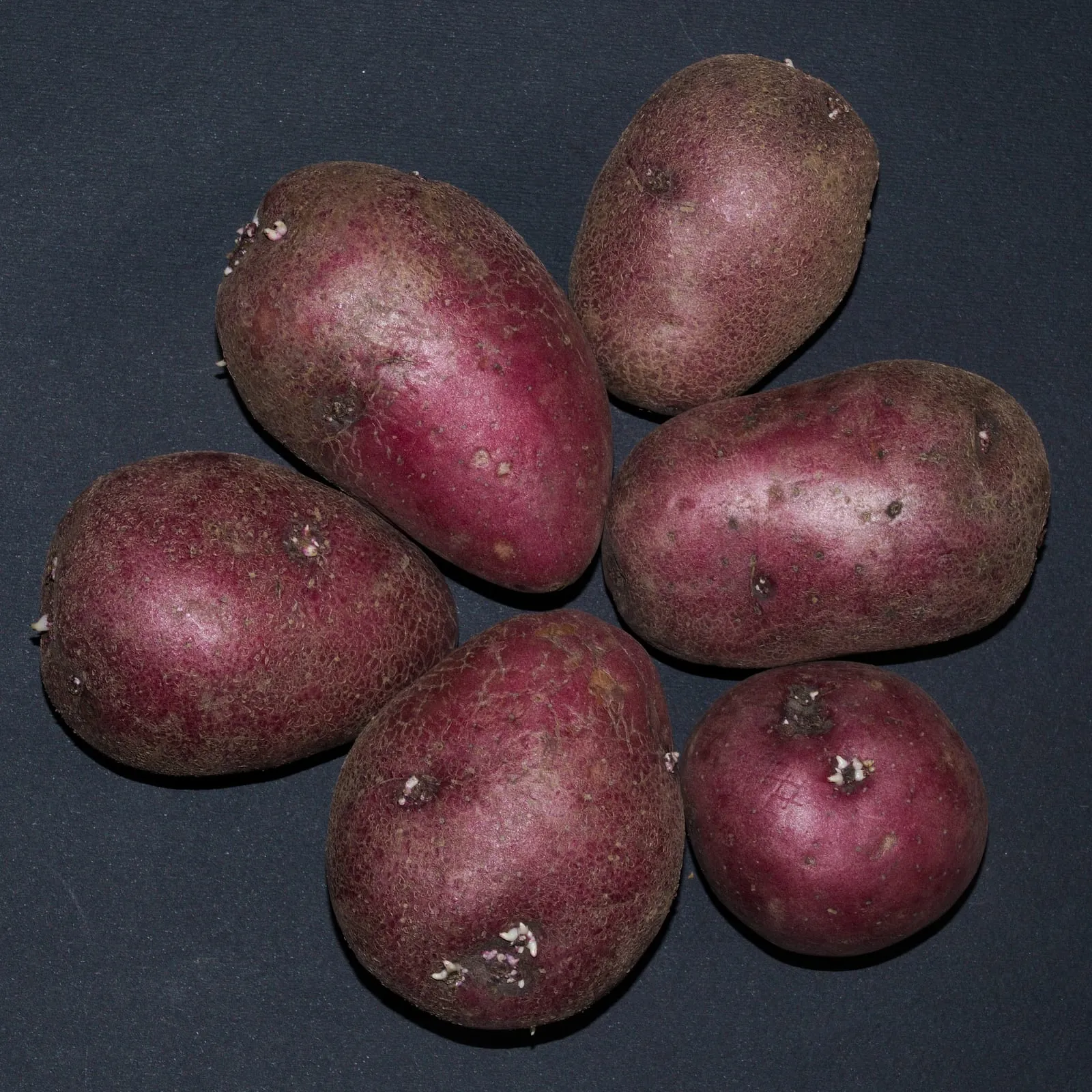
Image: "Solanum tuberosum Red Scarlett20170523 7825", by Bff, via Wikimedia Commons, licensed under CC-BY Source.

Related