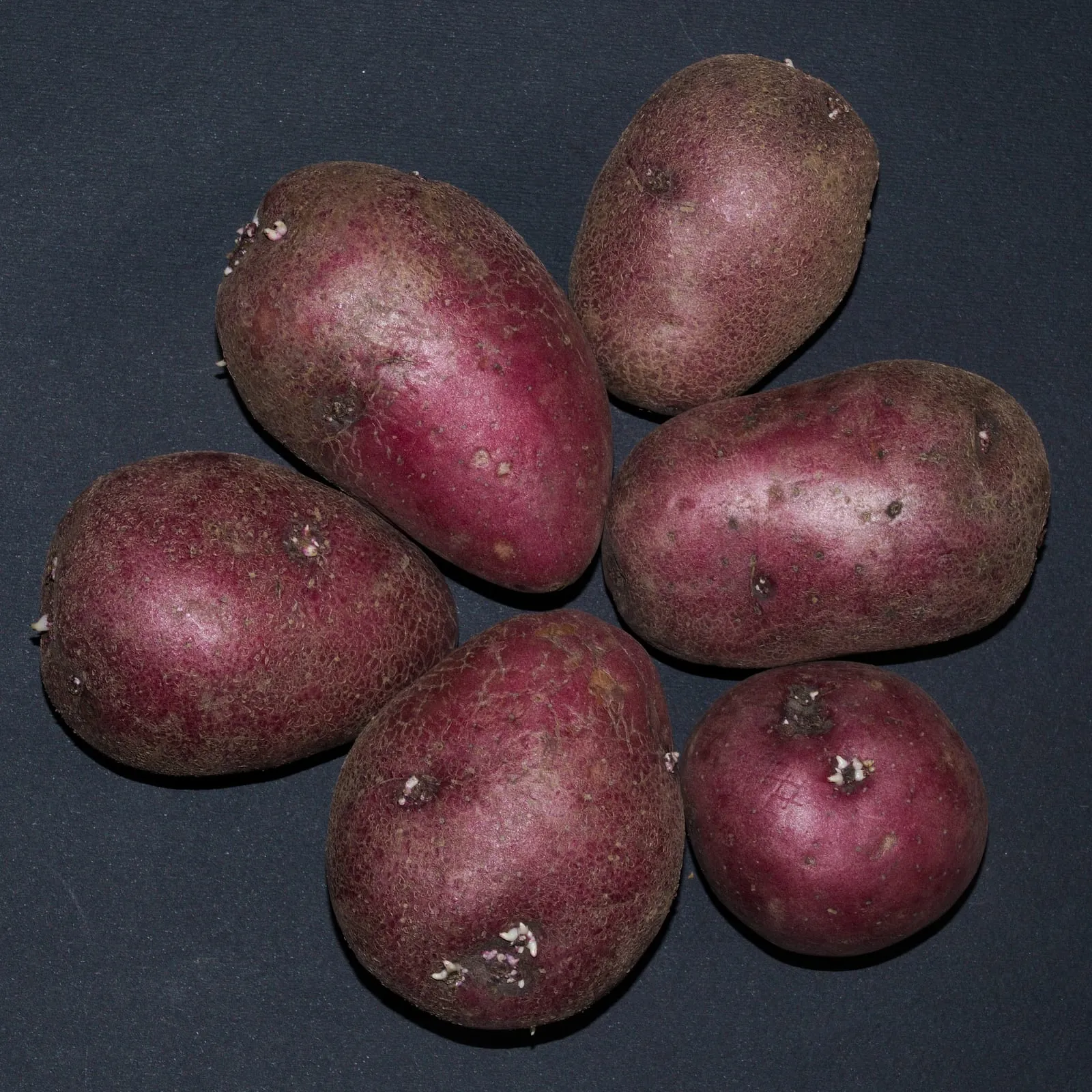
vegetable in zone 6a
Growing potato in zone 6a
Solanum tuberosum
- Zone
- 6a -10°F to -5°F
- Growing season
- 180 days
- Suitable varieties
- 5
- Days to harvest
- 70 to 120
The verdict
Potatoes are a cool-season crop with no chill-hour requirement, so zone 6a's winter minimum temperatures of -10 to -5°F are largely irrelevant to the plant's needs. What matters is the soil temperature window in spring (45 to 55°F for tuber initiation), heat tolerance during summer bulking, and a frost-free growing season long enough to reach maturity. Zone 6a's 180-day growing season comfortably accommodates even late-maturing varieties like Russet Burbank and Kennebec, which require 100 to 120 days from planting to harvest.
This is not a marginal zone for potatoes. It is a productive one. The primary constraints are not temperature extremes but disease pressure, specifically Early Blight, Late Blight, and long-term Verticillium Wilt buildup in the soil. Growers who manage disease pressure and maintain consistent soil moisture during tuber bulking can expect reliable yields from all five varieties suited to this zone.
Recommended varieties for zone 6a
5 cultivars suited to this zone, with disease-resistance and zone-fit annotations.
| Variety | Notes | Zone fit | Disease resistance |
|---|---|---|---|
| Yukon Gold fits zone 6a | Buttery, smooth, slightly sweet; yellow-fleshed all-purpose potato. Mashing, roasting, frying, gratins. The home-garden standard, stores well. | | none noted |
| Russet Burbank fits zone 6a | Dry, fluffy, classic baking potato; the McDonald's french fry variety. Baking, mashing, frying. Long-storage main-crop, needs full season. | | none noted |
| Red Norland fits zone 6a | Waxy, moist, mild flavor; thin-skinned red new potato. Boiling, salads, roasting whole. Early variety, can dig as small new potatoes 60 days after planting. | | none noted |
| Kennebec fits zone 6a | Smooth, balanced flavor, all-purpose; classic American main-crop white potato. Mashing, frying, baking, storage. Disease-tolerant, productive, easy to grow. | | none noted |
| Adirondack Blue fits zone 6a | Earthy, slightly nutty, holds purple color when cooked; blue-skinned blue-fleshed novelty. Roasting, oven fries, salads. High in anthocyanins, productive. | | none noted |
Critical timing for zone 6a
In zone 6a, last spring frost dates generally fall between mid-April and early May depending on elevation and local topography. Potatoes are planted when soil temperature reaches 45°F, typically 2 to 4 weeks before last frost. For most zone 6a locations, that planting window opens in late March to mid-April.
Early-maturing varieties like Red Norland reach harvest in 70 to 80 days, targeting late June to mid-July. Mid-season Yukon Gold matures in 80 to 95 days, with harvest in July to early August. Late-season varieties including Russet Burbank, Kennebec, and Adirondack Blue require 100 to 120 days and should be out of the ground before the first fall frost, which arrives in zone 6a roughly mid-October.
Common challenges in zone 6a
- ▸ Brown rot in stone fruit
- ▸ Japanese beetles
- ▸ Spring frost damage to peach buds
Disease pressure to watch for
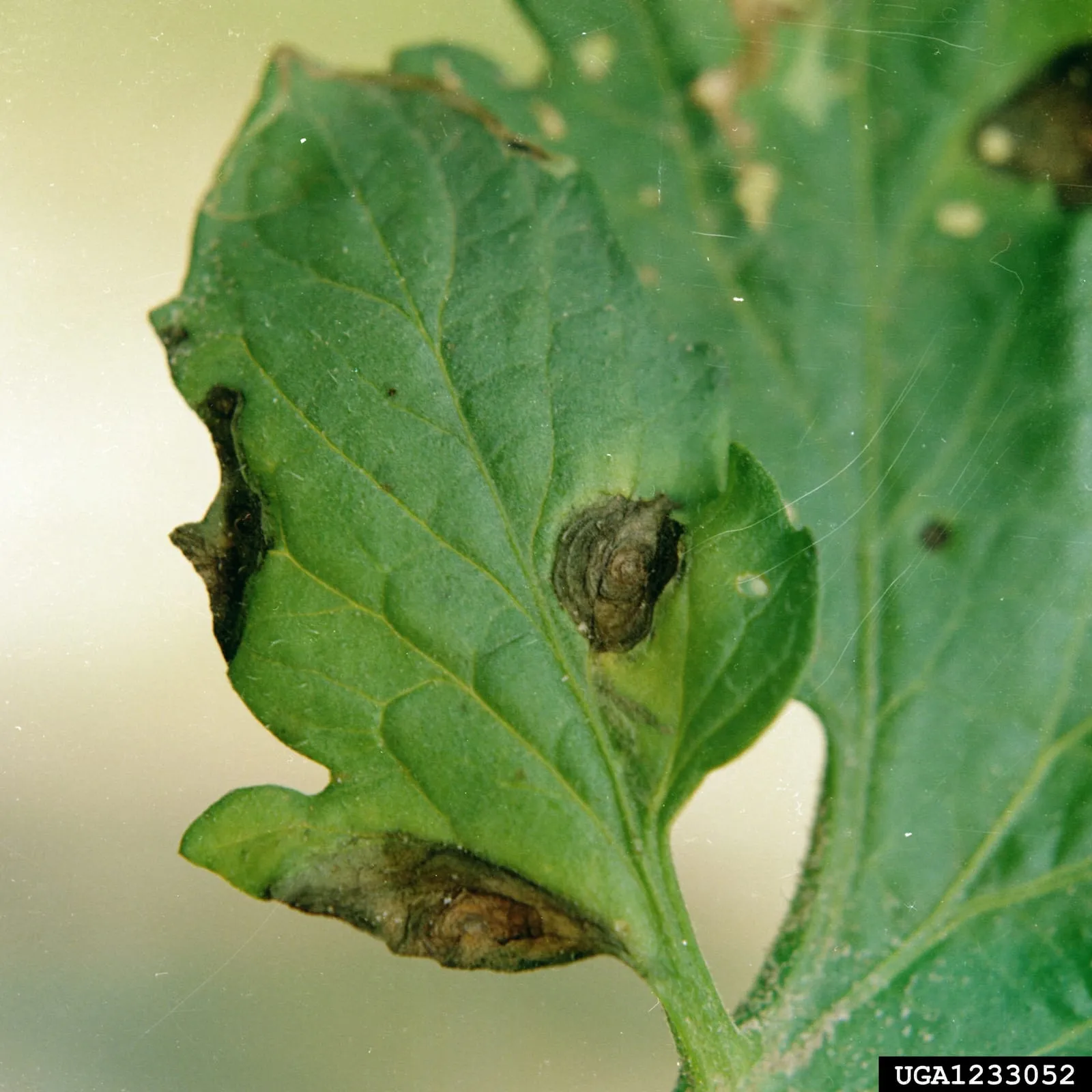
Alternaria solani
Fungal disease starting on lower leaves and progressing upward. The most common tomato and potato leaf disease in the eastern US.
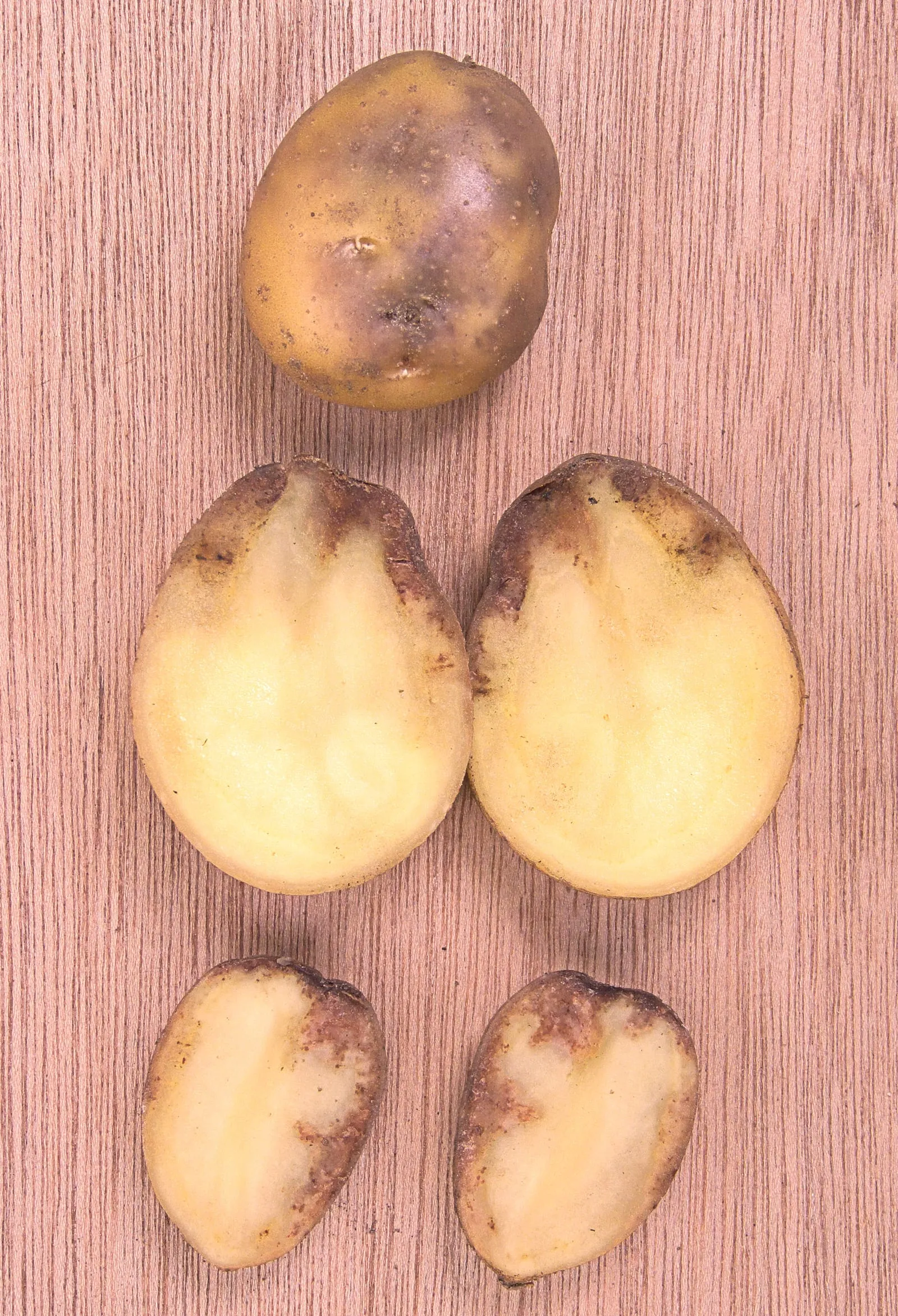
Phytophthora infestans
The pathogen responsible for the Irish Potato Famine. Devastating in cool wet weather; can destroy a tomato planting in days.
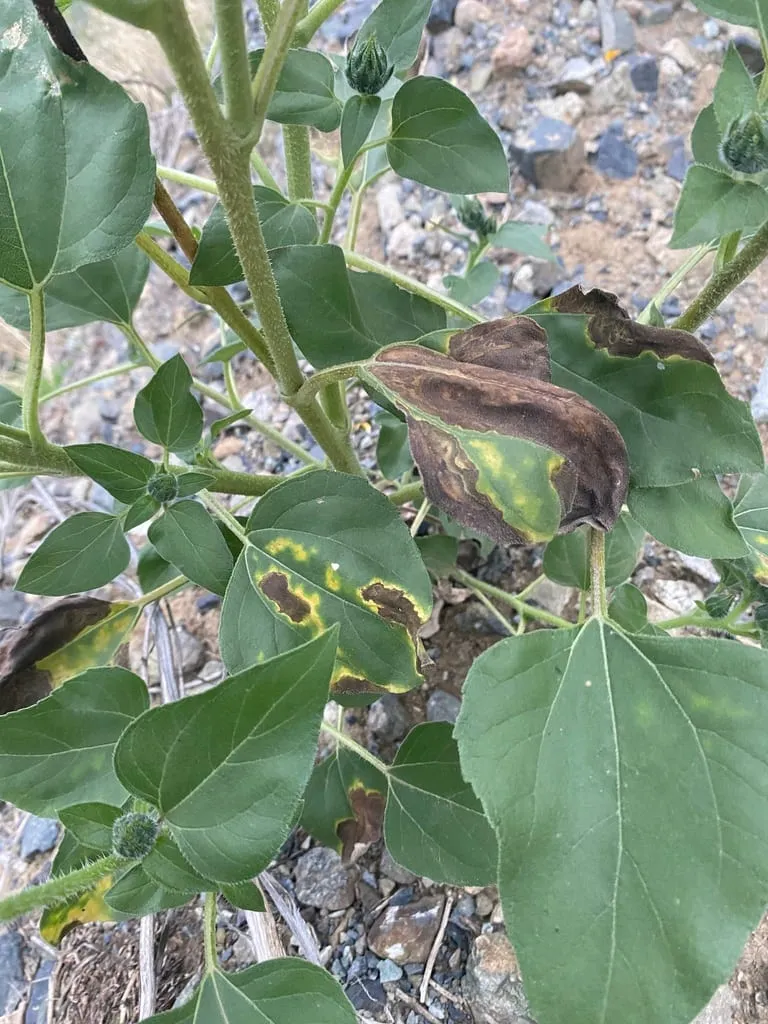
Verticillium dahliae
Soil-borne fungal disease similar to fusarium wilt but with broader host range and cooler temperature optimum. Persists in soil for 10+ years.
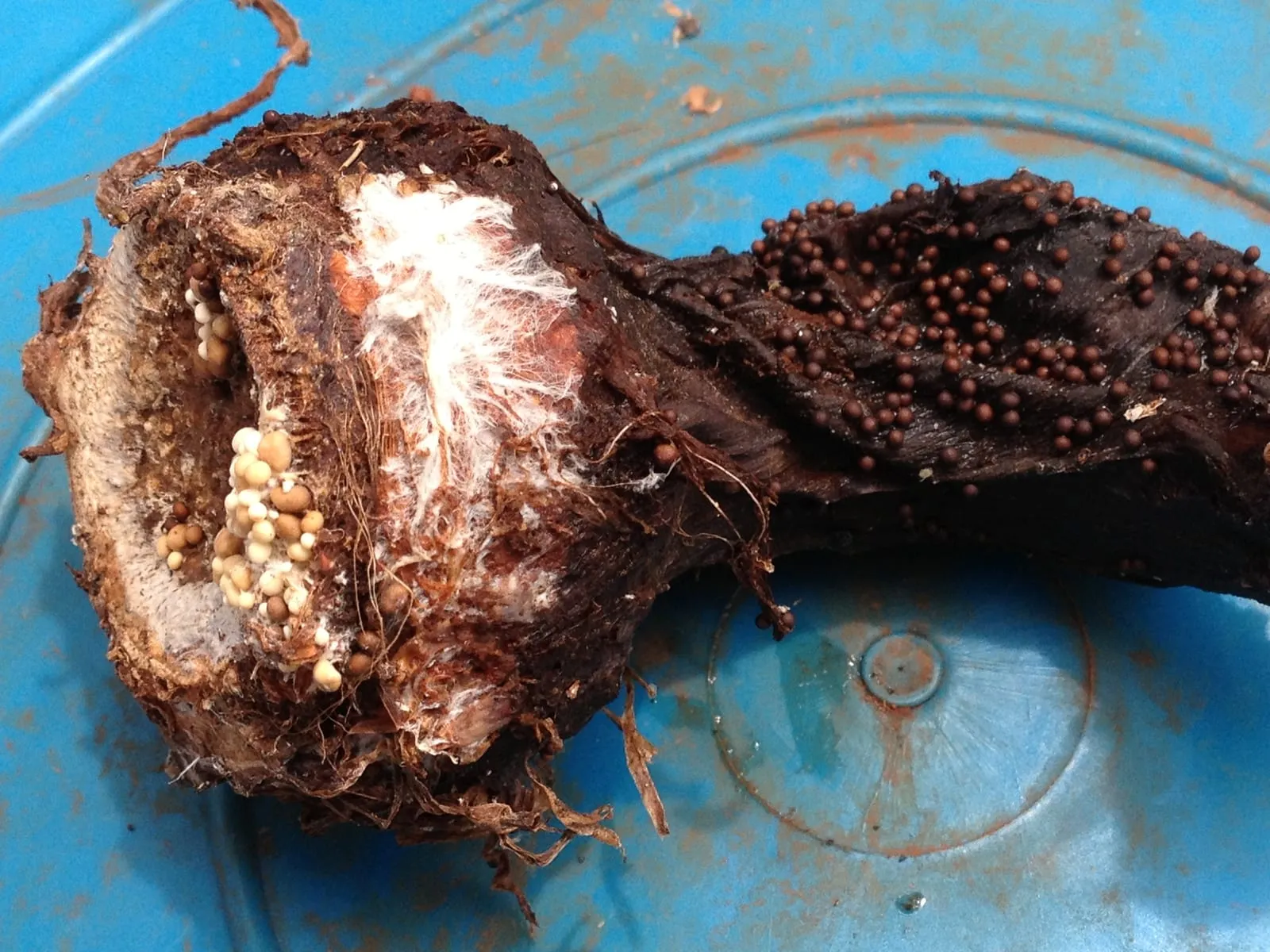
Sclerotium rolfsii
Soil-borne fungal disease most damaging in warm humid Southern conditions. White mycelial fans and small mustard-seed-sized sclerotia at the soil line are diagnostic.
Modified care for zone 6a
Early Blight and Late Blight are the principal disease concerns in zone 6a, both of which intensify during the humid summers common across the zone's range. A preventive copper-based spray program started at vine canopy closure, combined with spacing plants at least 12 inches apart for airflow, reduces incidence without heavy fungicide inputs. Rotate potato beds on a 3 to 4 year cycle to limit Verticillium Wilt accumulation in the soil.
Japanese beetle pressure, elevated in zone 6a, affects potato foliage beginning in late June. Monitor plants from that point onward and hand-pick or treat with neem oil before defoliation sets back tuber bulking. On late-planting years when spring is slow and soil is cool, hilling soil over emerged sprouts after a late frost event provides quick protection without requiring replanting.
Frequently asked questions
- When should potatoes be planted in zone 6a?
Plant when soil temperature reaches 45°F, typically late March to mid-April in zone 6a. This falls 2 to 4 weeks before the average last spring frost. Planting into cold, waterlogged soil encourages seed potato rot rather than sprouting, so soil temperature is a more reliable trigger than calendar date.
- Which potato varieties perform best in zone 6a?
Yukon Gold, Red Norland, Kennebec, Russet Burbank, and Adirondack Blue all perform well in zone 6a. Red Norland matures earliest at 70 to 80 days, useful for short planting windows. Kennebec carries moderate Late Blight resistance, making it a lower-risk option during humid summers.
- How serious is Late Blight in zone 6a?
Late Blight can be severe in wet zone 6a summers. The pathogen spreads rapidly when temperatures stay above 60°F with prolonged leaf wetness. Selecting partially resistant varieties like Kennebec, applying preventive fungicides at regional disease alerts, and improving airflow through spacing substantially reduce the risk.
+−
+−
+−
Potato in adjacent zones
Image: "Solanum tuberosum Red Scarlett20170523 7825", by Bff, via Wikimedia Commons, licensed under CC-BY Source.

Related