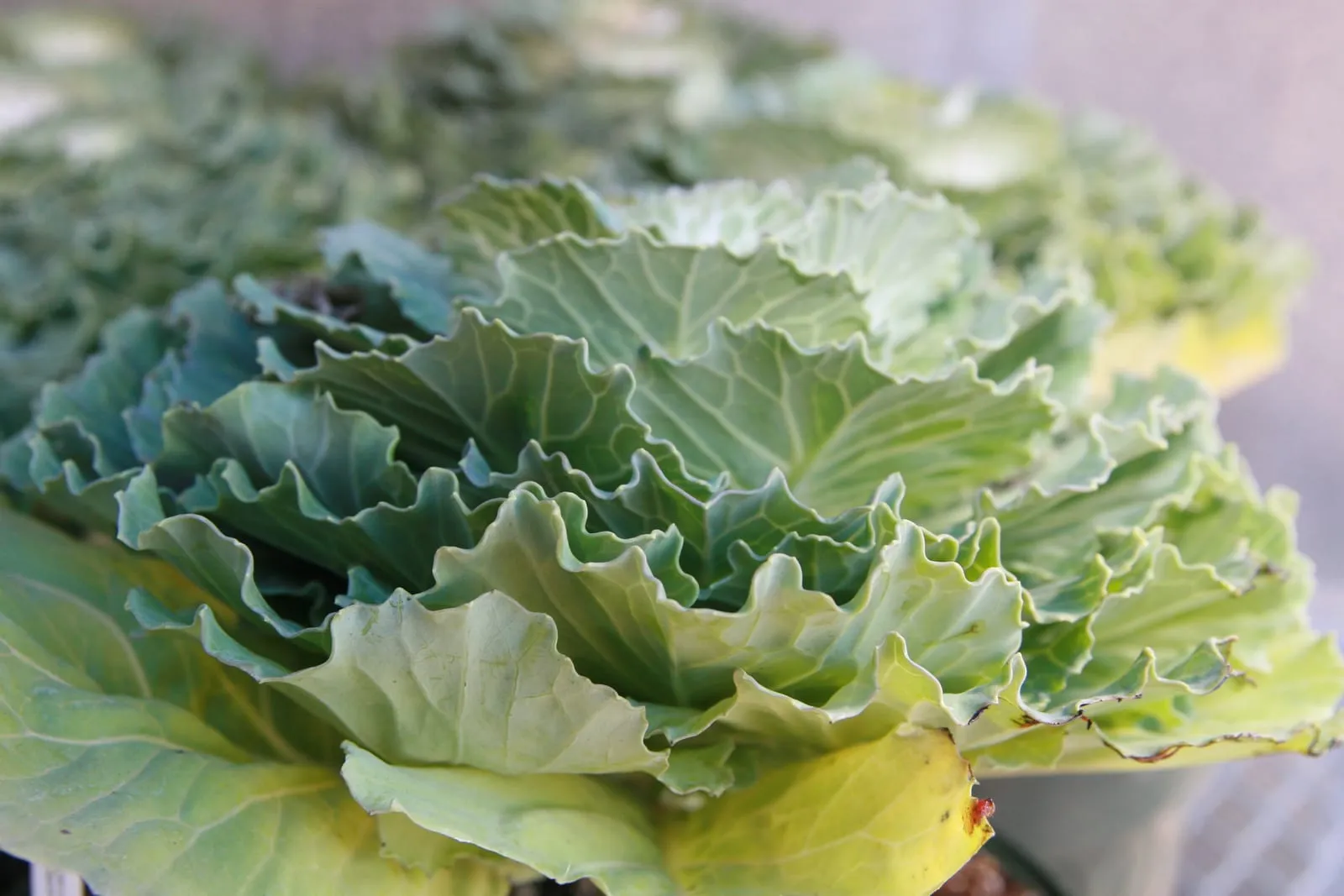
vegetable
Collards
Brassica oleracea var. acephala
USDA hardiness range
- Zones
- 4a–9b
- Days to harvest
- 55 to 80
- Sun
- Full
- Water
- Moderate
- Lifespan
- biennial grown as annual
Growing collards
Collards are one of the most reliable cool-season greens across a wide hardiness range, performing well from zone 4a through 9b. Unlike many brassicas that bolt quickly in warm weather, collards tolerate both summer heat and frost with uncommon flexibility. A light freeze improves flavor by converting starches to sugars, which is why fall-harvested collards typically taste noticeably better than those pulled in midsummer.
The crop does best where it has a long, cool growing window. In zones 4 through 7, both spring and fall plantings work, though fall crops tend to outperform spring in flavor and leaf quality. In zones 8 and 9, fall through late winter is the primary season; summer heat causes leaves to toughen and bitterness to increase. In the deep South, collards can be grown nearly year-round, with only the hottest midsummer weeks posing a quality problem.
Productive plantings share a few common traits: consistent soil moisture during leaf expansion, adequate nitrogen to push leaf production, and harvest timing that catches leaves before they become overly mature and fibrous. Plants are vigorous and not particularly demanding, but lapses in watering or nutrition show up quickly in leaf texture. Starting with healthy transplants or direct-seeding into well-prepared soil gives the crop the early momentum it needs to produce through multiple harvests over a season that spans 55 to 80 days from transplanting to first cut.
Recommended varieties
See all 3 →3 cultivars for home growers, with notes on flavor, ripening, and disease resistance.
| Variety | Notes | Zone fit | Disease resistance |
|---|---|---|---|
| Georgia Southern | Sweet, mild, classic tender Southern flavor; large blue-green flat leaves. Long-cooked with smoked meats, stews, ham hocks. Heritage Southern variety, heat-tolerant. | | none noted |
| Champion | Mild, sweet, tender; productive bunching collard. Slow-cooked greens, salads when young. Cold-hardy, holds through frost, slow to bolt in spring. | | none noted |
| Morris Heading | Sweet, classic Southern flavor; compact heading-type collard. Long-cooked traditional preparations. Heritage variety with self-blanching tender inner leaves. | | none noted |
Soil and site requirements
Collards tolerate a fairly wide range of soil conditions but perform best in well-drained, loamy soils with a pH between 6.0 and 6.8. Acidic soils below pH 5.8 increase the risk of clubroot infection and limit nutrient availability. Testing and amending before planting is worthwhile if the site has not grown brassicas successfully before, particularly in heavier soils with drainage issues.
Full sun is standard, though in zones 8 and 9, some afternoon shade extends the productive season by moderating heat stress during the hottest months. In northern zones, full sun maximizes the short growing window. Avoid low spots where cold air pools; a late-spring frost after transplanting can set young plants back, though established collards handle frost well.
Space transplants 18 to 24 inches apart in rows 24 to 36 inches wide. Crowded plants compete for light and air circulation, worsening downy mildew pressure. Heavy clay soils benefit from organic matter incorporation to improve drainage; waterlogged roots slow growth and increase susceptibility to root diseases. Raised beds work well in clay-heavy gardens, particularly in zones 4 and 5 where the extended cool season favors slow, steady leaf production.
Common diseases
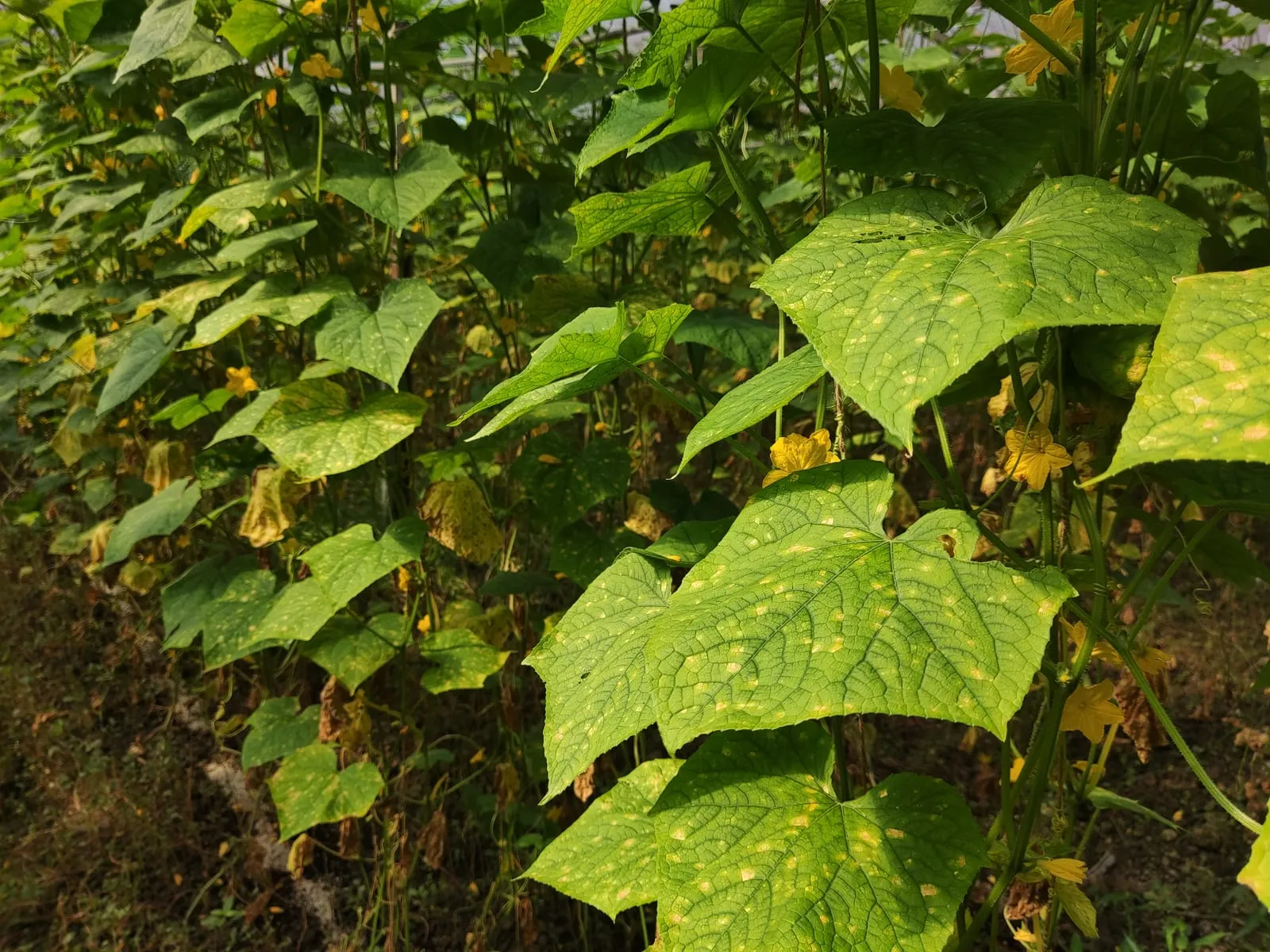
Pseudoperonospora cubensis (cucurbits) and others
Water mold (oomycete, not a true fungus) that thrives in cool damp conditions. Spreads rapidly through cucurbit and brassica plantings on wind-borne spores.
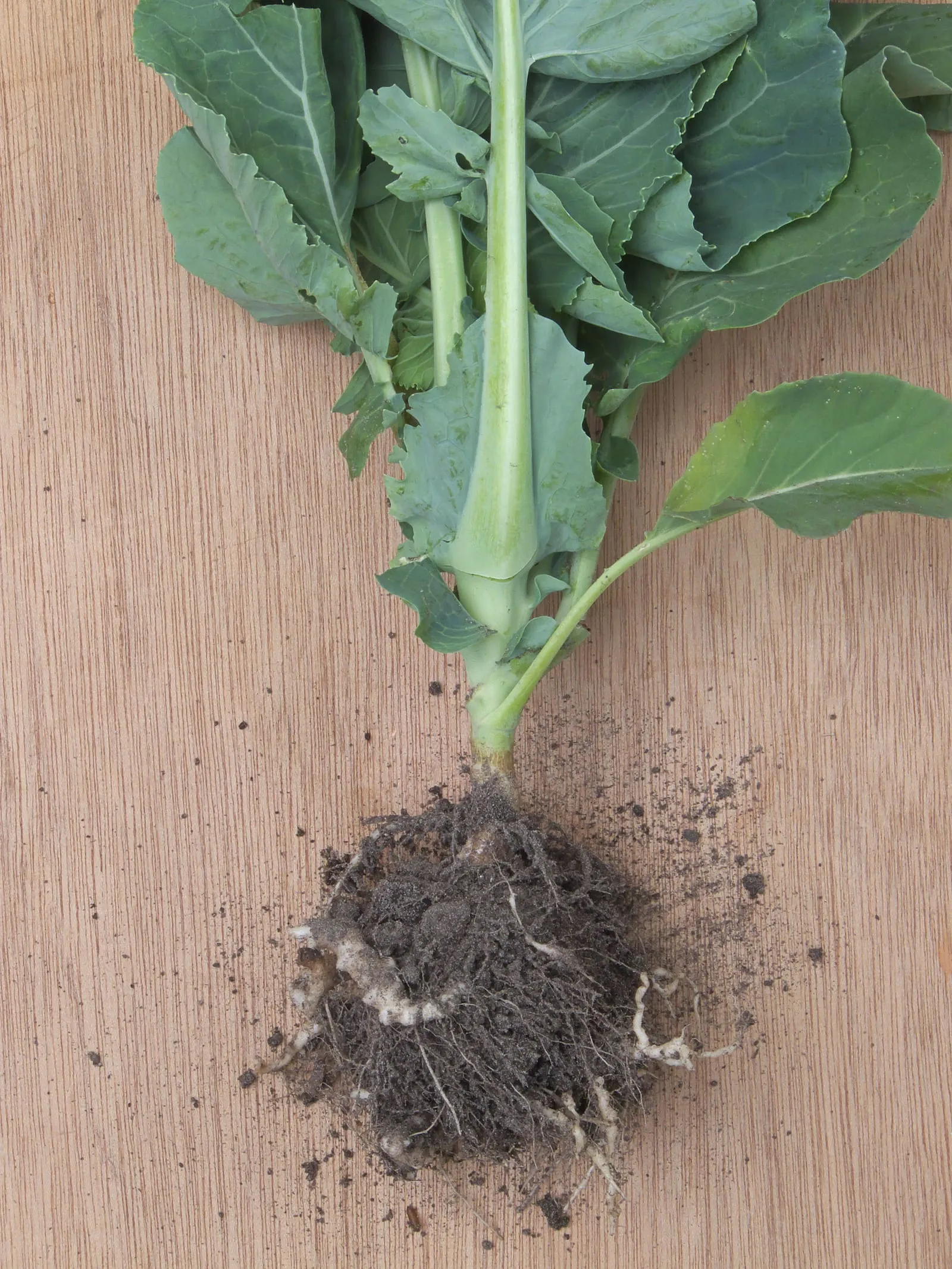
Plasmodiophora brassicae
Soil-borne disease causing characteristic distorted club-shaped roots on brassicas. Persists in soil for 10-20 years; the dominant brassica pathogen in acidic poorly-drained soils.
Common pests
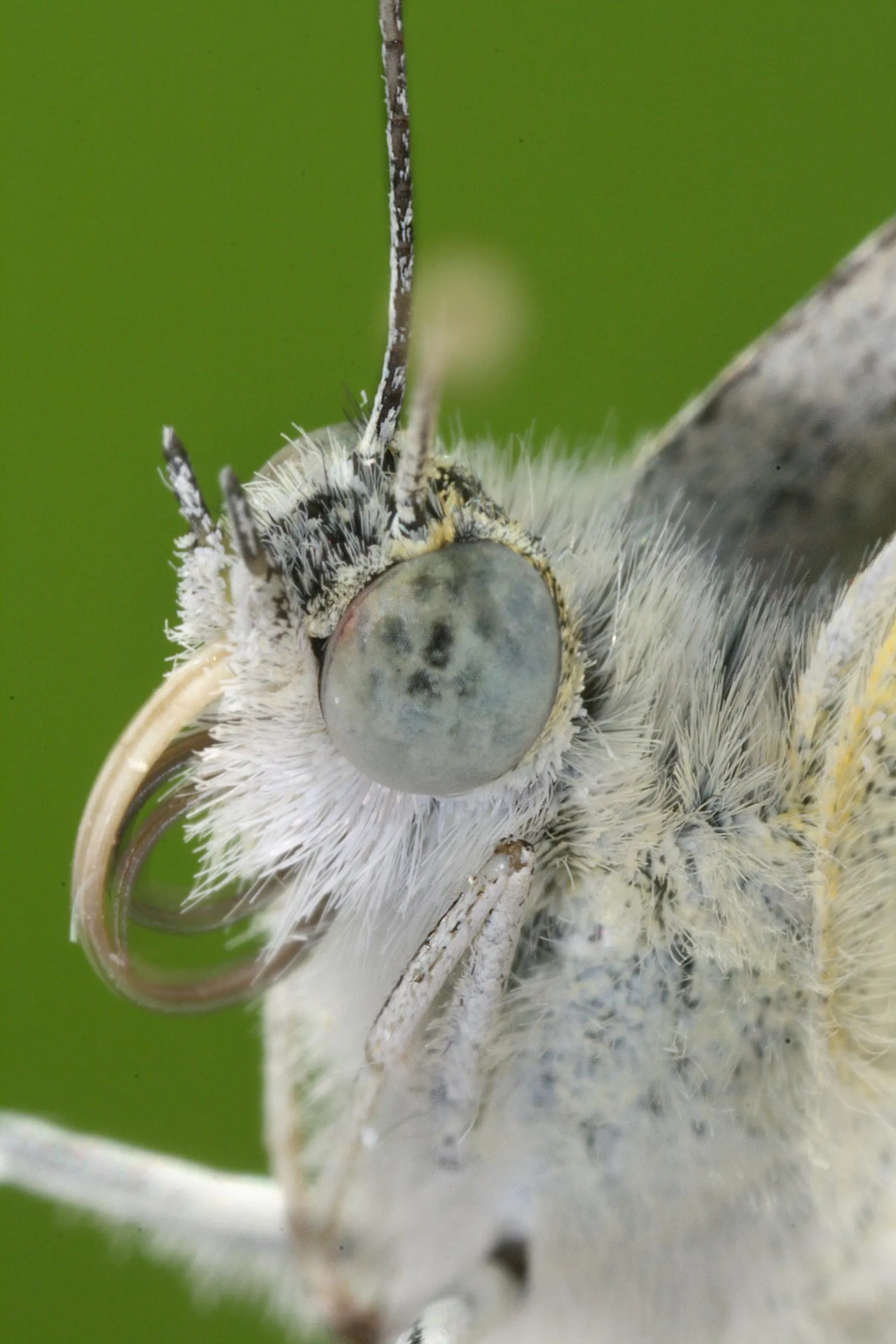
Pieris rapae
Velvety green caterpillars that chew large irregular holes in brassica leaves and bore into heads. Adults are the small white butterflies seen fluttering through the garden.
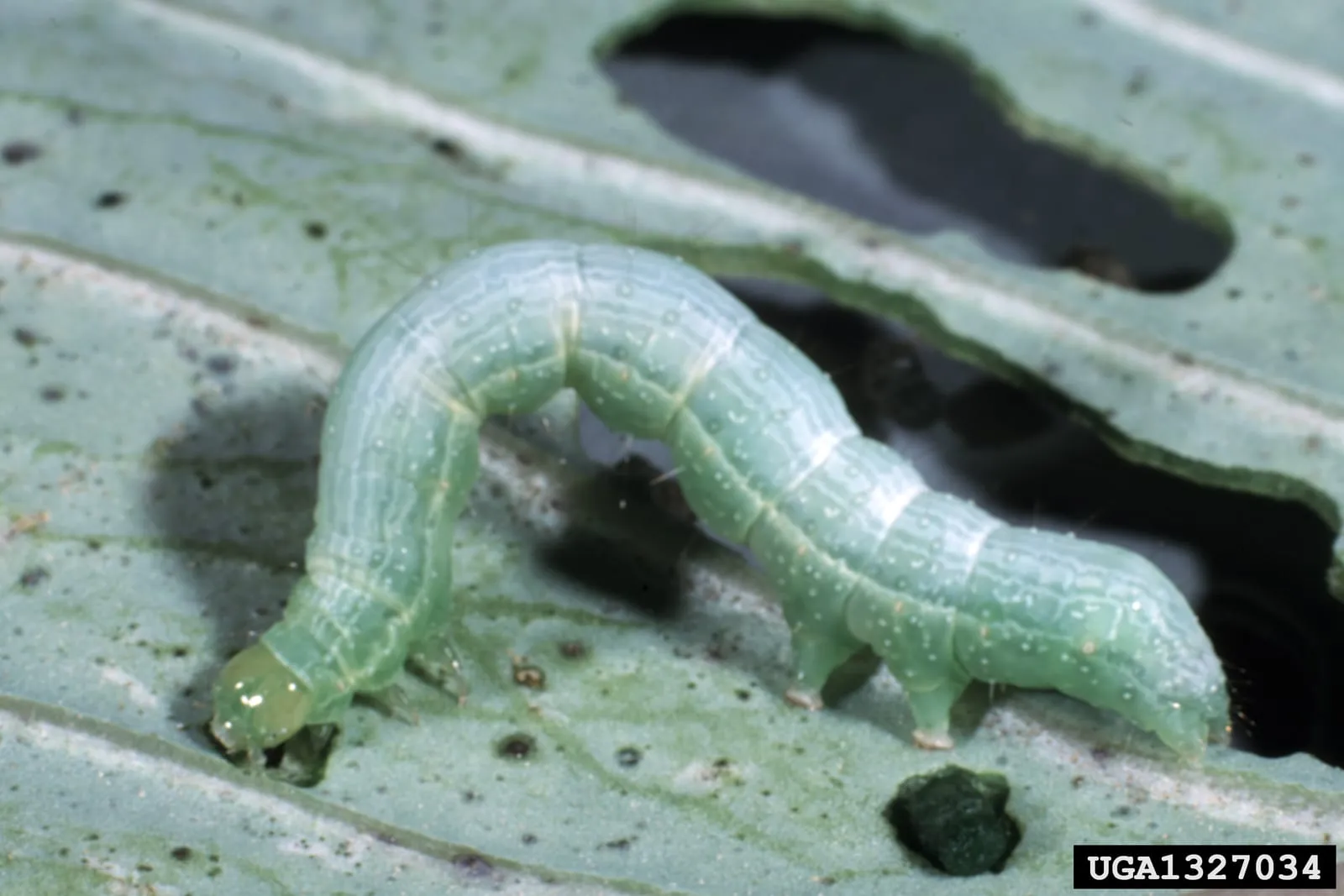
Trichoplusia ni
Pale green caterpillars that arch their backs (loop) when crawling. Defoliate brassicas and lettuce, contaminate harvested heads. Adults are mottled gray-brown moths.
Common challenges
The most frequent failures with collards trace to three problems: clubroot in acidic or poorly drained soil, caterpillar defoliation, and premature bolting from spring-planted crops as temperatures climb.
Clubroot (Plasmodiophora brassicae) is a soilborne pathogen that causes wilting and stunted growth. It persists in soil for 20 years or more and has no chemical cure once established. Prevention is the only practical management: maintain soil pH above 6.5, rotate brassicas out of the same ground for three to four years, and avoid moving soil from an infected bed. NC State Collards Production identifies pH management through liming as among the most effective cultural controls available to home growers.
Imported cabbageworms and cabbage loopers cause rapid defoliation if not caught early. Both are larvae of common butterflies and moths that lay eggs on leaf undersides. Row cover at planting excludes egg-laying adults entirely. Bt (Bacillus thuringiensis) is highly effective against both species and breaks down quickly, leaving no residue concerns on edible leaves. Check plants twice weekly during warm months.
Spring-planted collards in zones 6 and 7 sometimes bolt prematurely when warm weather arrives before the crop is fully established. Fall planting sidesteps this problem and typically delivers better-tasting greens besides.
Frequently asked questions
- Do collards require a chilling period the way fruit trees do?
Collards do not have a chill-hour requirement like perennial fruit crops. They are a cool-season annual that germinates and grows vigorously in cool temperatures. Cold exposure after the plants are established actually improves leaf sweetness, but it is not a prerequisite for the crop to mature or produce.
- How long does it take collards to reach first harvest?
From transplant, collards typically reach first harvest in 55 to 80 days depending on variety and conditions. Georgia Southern and Champion are on the faster end under good soil moisture and fertility. Harvest outer leaves as the plant grows rather than cutting the whole plant to extend the productive season.
- What USDA zones are suitable for growing collards?
Collards grow well across zones 4a through 9b, a broader range than most brassicas. In zones 4 through 7, fall and spring seasons both work. In zones 8 and 9, fall through late winter is the primary productive window. Summer crops in zone 9 are possible but quality declines in sustained heat above 90 degrees Fahrenheit.
- Are collards self-fertile, or do they need pollinators to produce?
Collards are self-fertile and do not require pollinator activity to produce leaves for harvest. The crop is grown for foliage, not fruit or seed. Pollination only becomes relevant if you are saving seed for replanting; collards are cross-pollinated by insects and will cross freely with other Brassica oleracea varieties grown nearby.
- What is the most serious disease risk for collards?
Clubroot is the most consequential disease because it is soilborne, persists for decades, and has no cure. Downy mildew is more common in wet seasons and causes yellowing of upper leaf surfaces with gray sporulation below, but it rarely kills plants. Clubroot prevention through pH management and crop rotation takes priority over any other disease strategy.
- Can collards survive a hard frost?
Established collards tolerate frost well, including temperatures in the mid-to-low 20s Fahrenheit. A light frost noticeably sweetens the leaves. Young transplants are more vulnerable and may need protection during a hard late-spring freeze. In zones 7b through 9, fall-planted collards can be harvested through winter with little or no protection.
- Which collard variety works best for traditional Southern preparations?
Georgia Southern and Morris Heading are the heritage choices for long-cooked preparations with smoked meats. Both deliver the mild, sweet flavor typical of classic Southern collard greens. Champion is a more modern bunching type that also works well slow-cooked and is notably cold-hardy, making it a solid choice in zones 4 through 6.
+−
+−
+−
+−
+−
+−
+−
Sources
Image: "Brassica oleracea var. acephala Victoria Pigeon 0zz", by Photo by David J. Stang, via Wikimedia Commons, licensed under CC-BY. Source.

Collards by zone
Related