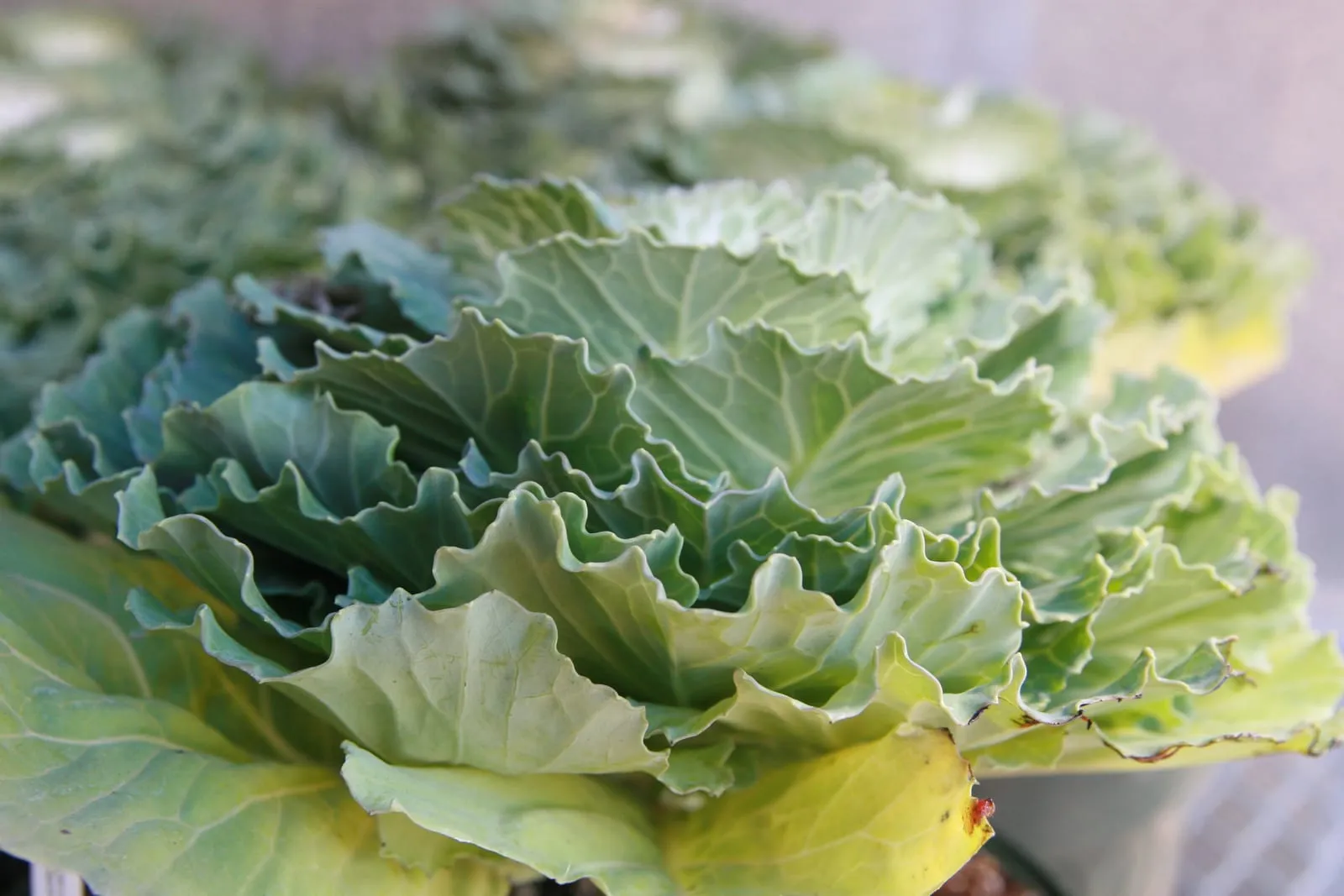
vegetable in zone 6a
Growing collards in zone 6a
Brassica oleracea var. acephala
- Zone
- 6a -10°F to -5°F
- Growing season
- 180 days
- Suitable varieties
- 3
- Days to harvest
- 55 to 80
The verdict
Collards are well-suited to zone 6a and this is closer to a sweet spot than a marginal case. As a cold-hardy brassica, collards tolerate hard frosts without damage and actually improve in flavor after temperatures dip below 32°F, which zone 6a delivers reliably in fall and early spring. The 180-day growing season supports both a spring crop and a productive fall crop in the same year.
Unlike crops with specific chill-hour requirements, collards have no chill-hour dependency. The concern in zone 6a is the opposite end: summer heat. Collards are more heat-tolerant than many brassicas, but prolonged stretches above 85°F can cause bitterness and bolting. Zone 6a summers are warm enough to create this pressure, making fall the preferred season for quality. Varieties like Georgia Southern and Champion are well-documented performers across the mid-Atlantic and upper South, which maps closely to zone 6a conditions.
Recommended varieties for zone 6a
3 cultivars suited to this zone, with disease-resistance and zone-fit annotations.
| Variety | Notes | Zone fit | Disease resistance |
|---|---|---|---|
| Georgia Southern fits zone 6a | Sweet, mild, classic tender Southern flavor; large blue-green flat leaves. Long-cooked with smoked meats, stews, ham hocks. Heritage Southern variety, heat-tolerant. | | none noted |
| Champion fits zone 6a | Mild, sweet, tender; productive bunching collard. Slow-cooked greens, salads when young. Cold-hardy, holds through frost, slow to bolt in spring. | | none noted |
| Morris Heading fits zone 6a | Sweet, classic Southern flavor; compact heading-type collard. Long-cooked traditional preparations. Heritage variety with self-blanching tender inner leaves. | | none noted |
Critical timing for zone 6a
For a spring crop, start transplants indoors 4 to 6 weeks before the last frost date, or direct sow as soon as soil can be worked. In zone 6a, the average last spring frost falls between April 15 and May 1 depending on location. Plants can tolerate light frost, so setting out transplants 2 to 3 weeks before the last frost date is reasonable.
Fall timing is the more productive window. Count back 70 to 80 days from the first fall frost (typically October 1 to 15 in zone 6a) and direct sow or transplant accordingly. This places seeding in late July to early August. Harvest runs from late September through December; leaves harvested after the first hard frost carry noticeably better flavor. Plants may survive a mild zone 6a winter under mulch but typically bolt early the following spring.
Common challenges in zone 6a
- ▸ Brown rot in stone fruit
- ▸ Japanese beetles
- ▸ Spring frost damage to peach buds
Disease pressure to watch for
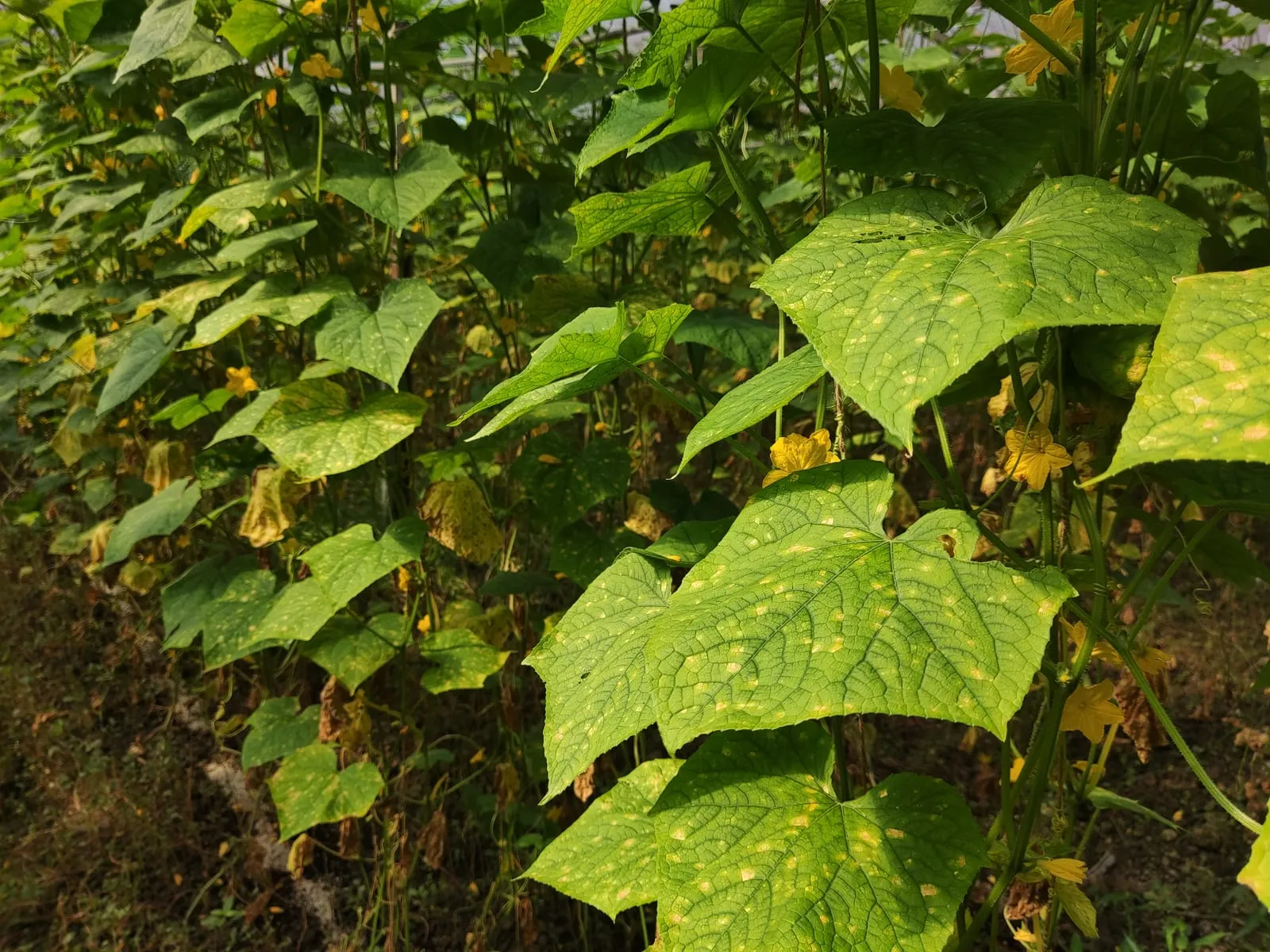
Pseudoperonospora cubensis (cucurbits) and others
Water mold (oomycete, not a true fungus) that thrives in cool damp conditions. Spreads rapidly through cucurbit and brassica plantings on wind-borne spores.
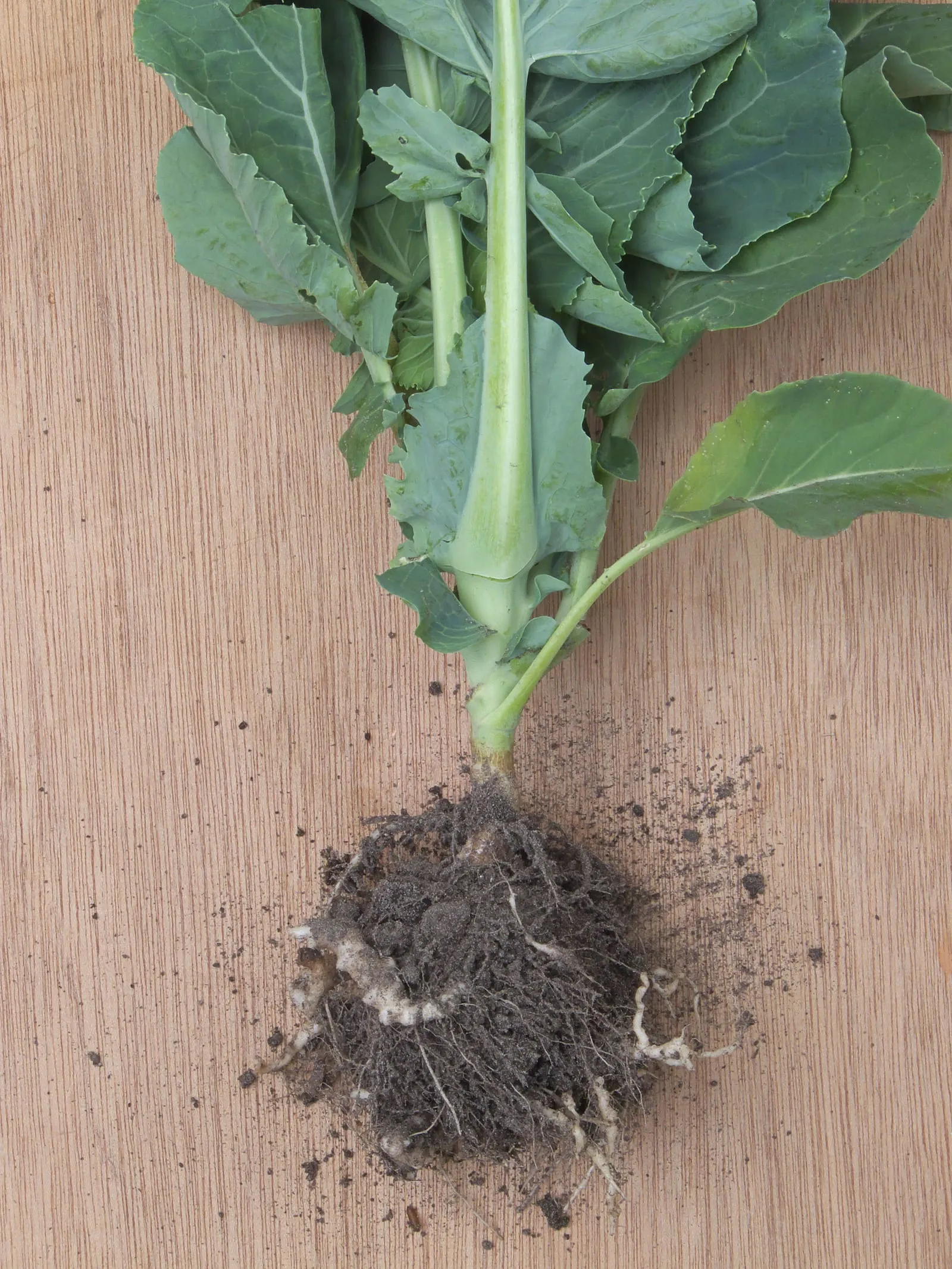
Plasmodiophora brassicae
Soil-borne disease causing characteristic distorted club-shaped roots on brassicas. Persists in soil for 10-20 years; the dominant brassica pathogen in acidic poorly-drained soils.
Modified care for zone 6a
The primary adjustment in zone 6a is pest timing. Japanese beetles peak in July and August and will skeletonize collard leaves during summer plantings. Row cover during beetle season or planting the main crop for fall (avoiding the peak beetle window) reduces damage significantly.
Clubroot is the more serious disease risk. It persists in acidic soils and zone 6a gardens with heavy clay or poorly drained beds are susceptible. Soil pH above 7.0 suppresses clubroot; lime before planting if pH is below 6.5. Downy mildew pressure increases in wet springs, which is common across zone 6a. Adequate spacing (18 inches between plants) and avoiding overhead irrigation limit leaf wetness and slow disease spread.
For overwintering attempts, 4 to 6 inches of straw mulch over the root zone helps plants survive zone 6a's -10 to -5°F lows, but survival is inconsistent and not worth depending on for continuous harvest.
Collards in adjacent zones
Image: "Brassica oleracea var. acephala Victoria Pigeon 0zz", by Photo by David J. Stang, via Wikimedia Commons, licensed under CC-BY Source.

Related