vegetable in zone 5b
Growing collards in zone 5b
Brassica oleracea var. acephala
- Zone
- 5b -15°F to -10°F
- Growing season
- 165 days
- Suitable varieties
- 3
- Days to harvest
- 55 to 80
The verdict
Collards perform well in zone 5b. Unlike fruit trees, collards carry no chill-hour requirement; what matters is their preference for cool temperatures in the 45 to 75°F range, and zone 5b delivers that in abundance during spring and fall. The crop tolerates light frost and actually improves in sweetness after exposure to temperatures in the low 30s, which are common across zone 5b in both shoulder seasons.
The 165-day growing season is more than sufficient for multiple harvests. The binding constraint is not season length but summer heat: collards planted in late spring will bolt or turn bitter when daytime highs push past 85°F. Zone 5b growers get a reliable spring window and a longer, often higher-quality fall window. Winter minimums of -15 to -10°F rule out overwintering in the ground, but that is the only meaningful limitation. Georgia Southern, Champion, and Morris Heading all handle zone 5b conditions without special accommodation.
Recommended varieties for zone 5b
3 cultivars suited to this zone, with disease-resistance and zone-fit annotations.
| Variety | Notes | Zone fit | Disease resistance |
|---|---|---|---|
| Georgia Southern fits zone 5b | Sweet, mild, classic tender Southern flavor; large blue-green flat leaves. Long-cooked with smoked meats, stews, ham hocks. Heritage Southern variety, heat-tolerant. | | none noted |
| Champion fits zone 5b | Mild, sweet, tender; productive bunching collard. Slow-cooked greens, salads when young. Cold-hardy, holds through frost, slow to bolt in spring. | | none noted |
| Morris Heading fits zone 5b | Sweet, classic Southern flavor; compact heading-type collard. Long-cooked traditional preparations. Heritage variety with self-blanching tender inner leaves. | | none noted |
Critical timing for zone 5b
For spring production, sow seed indoors 4 to 6 weeks before the average last frost, which falls in late April to mid-May across most of zone 5b. Transplant out once overnight lows stay reliably above 25°F. Expect harvestable outer leaves 60 to 75 days from transplant, depending on variety.
Fall is the stronger planting window. Direct-sow or transplant 6 to 8 weeks before the average first fall frost, typically in late July to early August. Plants mature as temperatures drop, and the first light frosts in early to mid-October convert starches to sugars, improving flavor. Harvest continues until hard freezes drop below 20°F. Succession plantings 2 to 3 weeks apart extend the harvest window through much of October.
Common challenges in zone 5b
- ▸ Plum curculio
- ▸ Codling moth
- ▸ Cedar-apple rust
Disease pressure to watch for
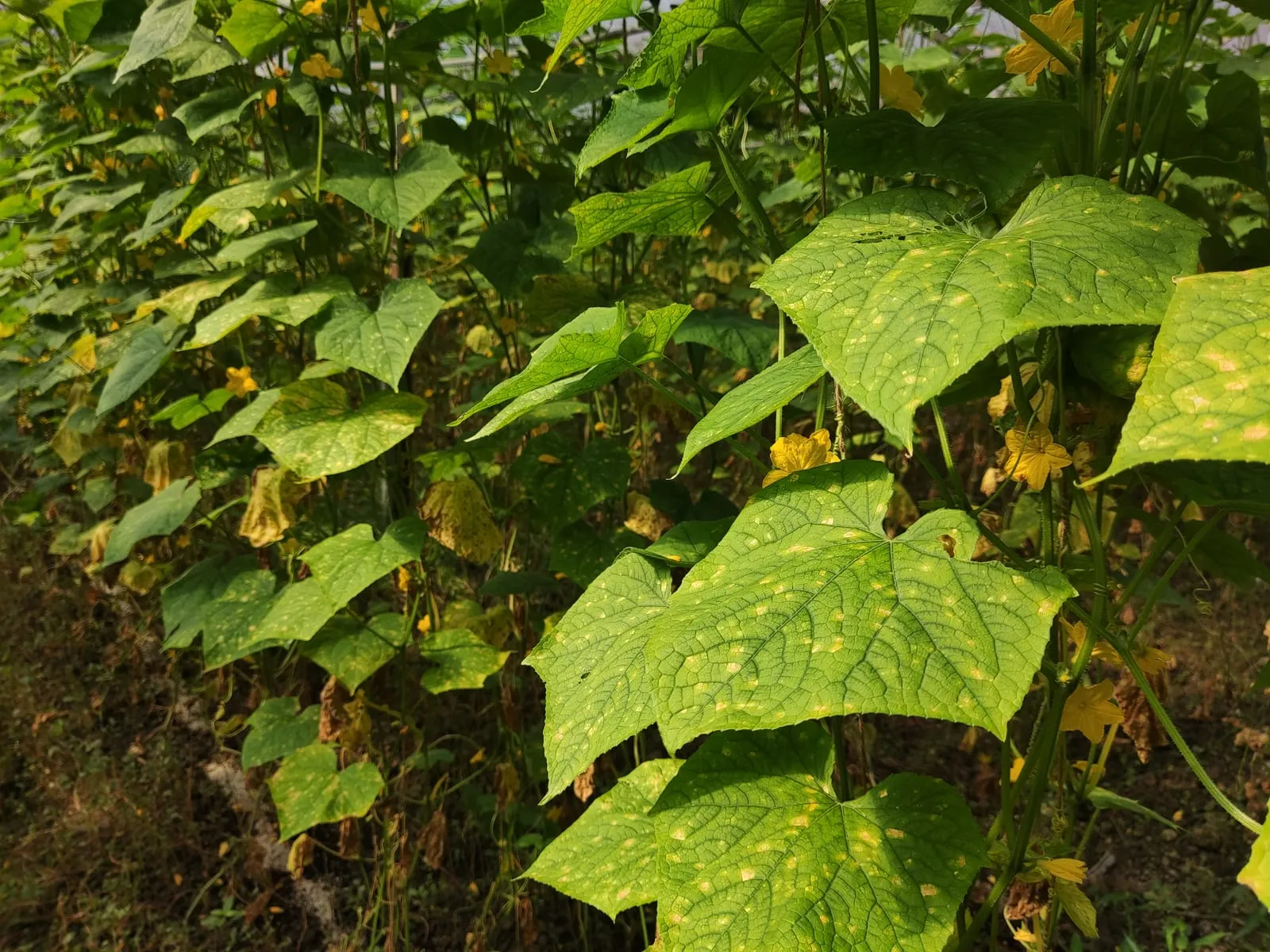
Pseudoperonospora cubensis (cucurbits) and others
Water mold (oomycete, not a true fungus) that thrives in cool damp conditions. Spreads rapidly through cucurbit and brassica plantings on wind-borne spores.
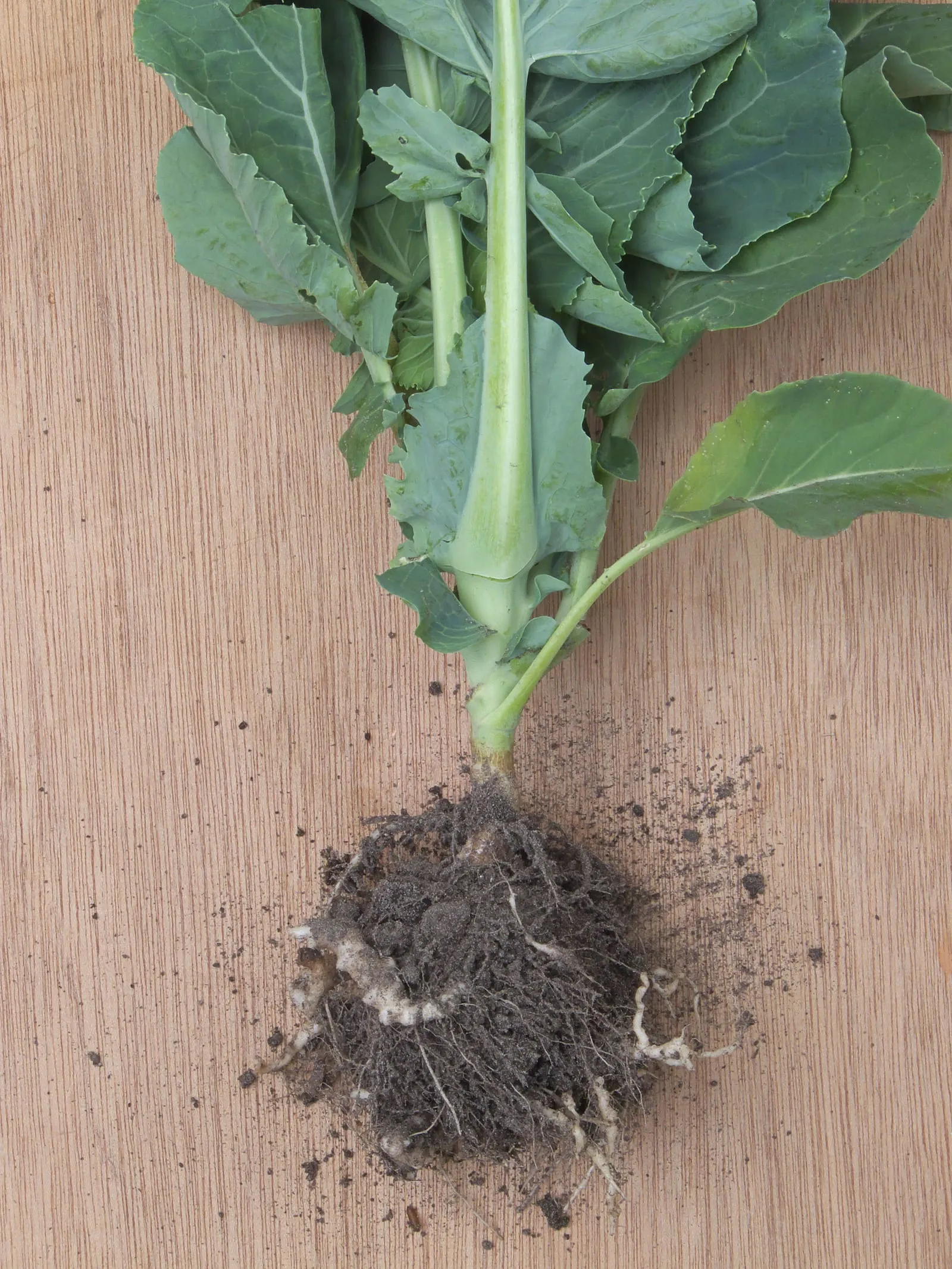
Plasmodiophora brassicae
Soil-borne disease causing characteristic distorted club-shaped roots on brassicas. Persists in soil for 10-20 years; the dominant brassica pathogen in acidic poorly-drained soils.
Modified care for zone 5b
The main adjustment in zone 5b is front-loading the fall crop. Because the spring window closes quickly once summer heat arrives, most of the useful harvest comes from plants that mature in September and October. Timing the fall transplant precisely matters more here than in warmer zones where the cool window extends longer.
Clubroot is the higher-priority disease concern. Soils with a history of brassica crops and pH below 7.0 favor infection. Raising soil pH to 7.2 or above with lime suppresses the pathogen and is the most reliable preventive step. Downy mildew pressure increases when fall nights turn cool and damp; spacing plants at least 18 inches apart and avoiding overhead watering in the evening reduces risk. Row cover applied after transplanting in spring accelerates establishment and can extend the fall harvest window by several weeks as temperatures drop.
Frequently asked questions
- Can collards survive a zone 5b winter in the ground?
No. Zone 5b minimum temperatures of -15 to -10°F will kill collard plants. Fall crops can persist through light frosts into October and even November with row cover, but they will not survive winter. Start fresh each spring or from a summer sowing for fall harvest.
- Which collard varieties do best in zone 5b?
Georgia Southern, Champion, and Morris Heading are all reliable in zone 5b. Georgia Southern is the most heat-tolerant of the three, which gives it an edge for spring plantings that run into warm June conditions. Champion and Morris Heading tend to hold up well through repeated fall frosts.
- Why do collards taste better after frost in zone 5b?
Cold temperatures trigger the plant to convert stored starches into sugars, reducing the bitterness in the leaves. This response kicks in at temperatures in the low 30s, which occur reliably in zone 5b from late September onward. Fall-harvested collards consistently taste milder than those cut in summer heat.
- How do I prevent clubroot in zone 5b collard beds?
Raise soil pH to 7.2 or above using agricultural lime before planting. Clubroot thrives in acidic conditions and cannot be eliminated once established in a bed. Rotate brassica crops on a minimum 3-year cycle and avoid transplanting from infected soil. Test pH annually in beds with a history of brassica production.
+−
+−
+−
+−
Collards in adjacent zones
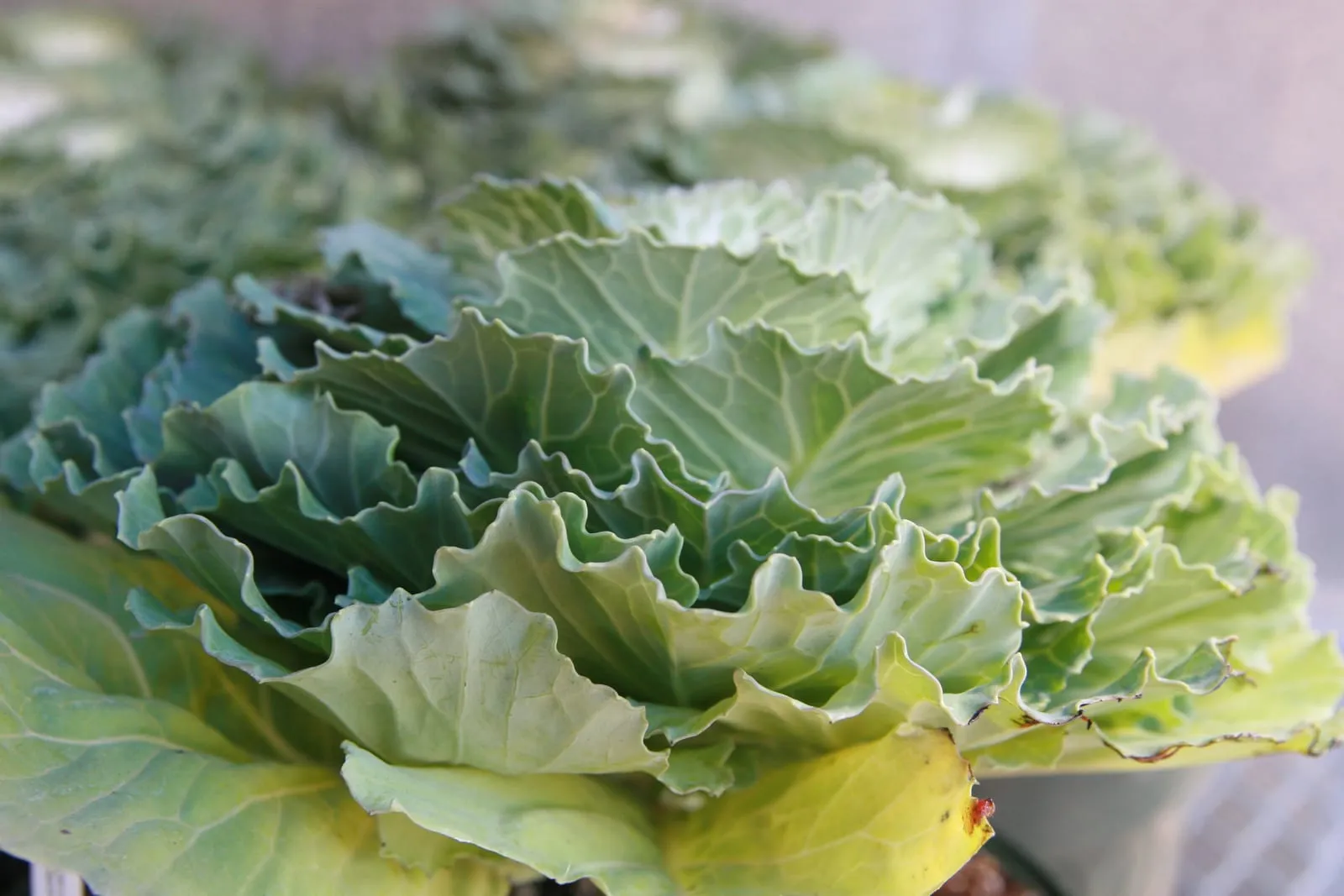
Image: "Brassica oleracea var. acephala Victoria Pigeon 0zz", by Photo by David J. Stang, via Wikimedia Commons, licensed under CC-BY Source.

Related