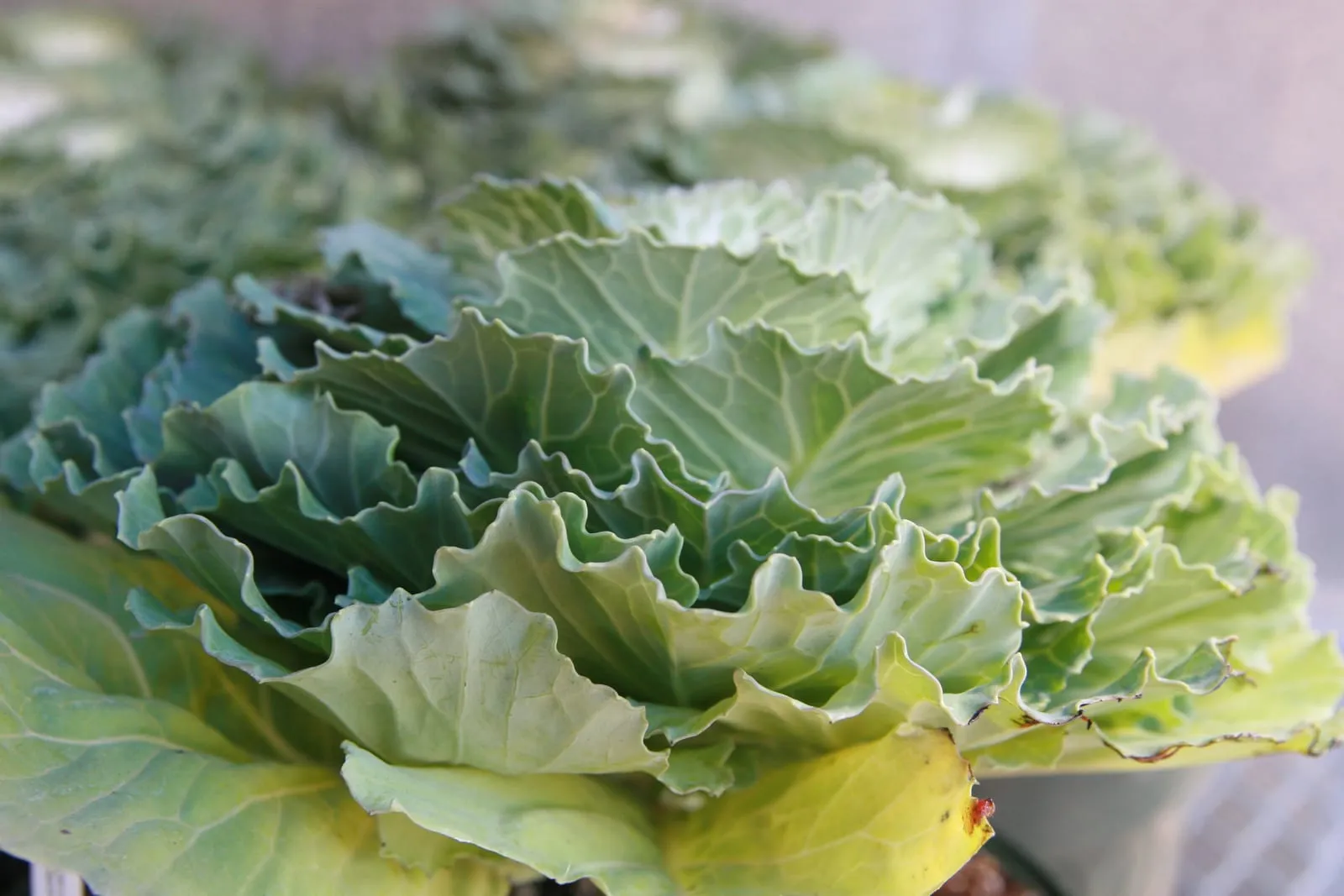
vegetable in zone 5a
Growing collards in zone 5a
Brassica oleracea var. acephala
- Zone
- 5a -20°F to -15°F
- Growing season
- 150 days
- Suitable varieties
- 3
- Days to harvest
- 55 to 80
The verdict
Collards are cool-season brassicas with no chill-hour requirement (that concept applies to dormant perennials, not annual leaf crops). The zone 5a winter minimum of -20 to -15°F matters for one narrow scenario: attempting to overwinter plants for spring seed production. For food production, collards are grown as annuals in zone 5a, and the 150-day frost-free season is adequate for two sequential plantings.
The more meaningful constraint is heat tolerance. Collards prefer sustained temperatures between 45°F and 75°F and will bolt and turn bitter under prolonged heat. Zone 5a summers are short enough to keep a fall planting productive well into October or November, and light autumn frost actually improves leaf quality by converting starches to sugars.
Georgia Southern, Champion, and Morris Heading are all proven performers in cold zones. None is a marginal choice for zone 5a; all three handle frost reliably and produce well within the zone's compressed warm season. This is not a borderline zone for collards; the cold end of the crop's range is the limiting factor far less often than summer heat.
Recommended varieties for zone 5a
3 cultivars suited to this zone, with disease-resistance and zone-fit annotations.
| Variety | Notes | Zone fit | Disease resistance |
|---|---|---|---|
| Georgia Southern fits zone 5a | Sweet, mild, classic tender Southern flavor; large blue-green flat leaves. Long-cooked with smoked meats, stews, ham hocks. Heritage Southern variety, heat-tolerant. | | none noted |
| Champion fits zone 5a | Mild, sweet, tender; productive bunching collard. Slow-cooked greens, salads when young. Cold-hardy, holds through frost, slow to bolt in spring. | | none noted |
| Morris Heading fits zone 5a | Sweet, classic Southern flavor; compact heading-type collard. Long-cooked traditional preparations. Heritage variety with self-blanching tender inner leaves. | | none noted |
Critical timing for zone 5a
Collards don't produce a seasonal bloom the way fruit crops do; flowering (bolting) only occurs after plants experience a vernalization period followed by lengthening days. Annual plantings in zone 5a typically don't bolt before harvest.
For spring production, start transplants indoors 4 to 6 weeks before the last frost (typically late April to early May in zone 5a) and set them out 2 to 3 weeks before that date. Light frost tolerance makes early transplanting low-risk. Expect harvest 60 to 80 days from transplant.
Fall is the preferred season in zone 5a. Count back 60 to 80 days from the first expected hard frost (typically mid-October) to arrive at a transplant window of late July to early August. Late spring frosts are only a concern for the spring planting window; the fall cycle is constrained by the other end of the season.
Common challenges in zone 5a
- ▸ Fire blight in pears
- ▸ Cedar-apple rust
- ▸ Late spring frosts
Disease pressure to watch for
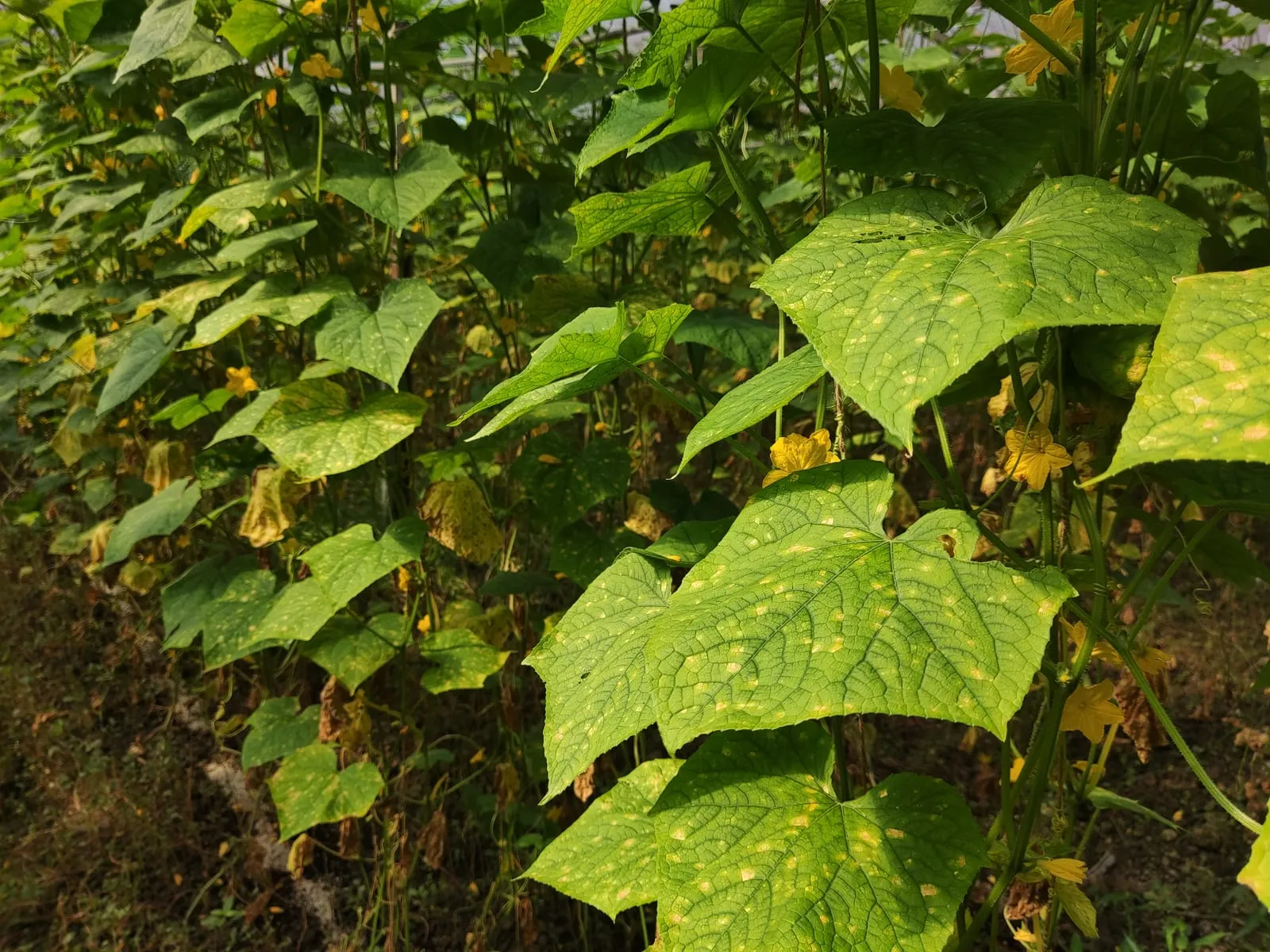
Pseudoperonospora cubensis (cucurbits) and others
Water mold (oomycete, not a true fungus) that thrives in cool damp conditions. Spreads rapidly through cucurbit and brassica plantings on wind-borne spores.
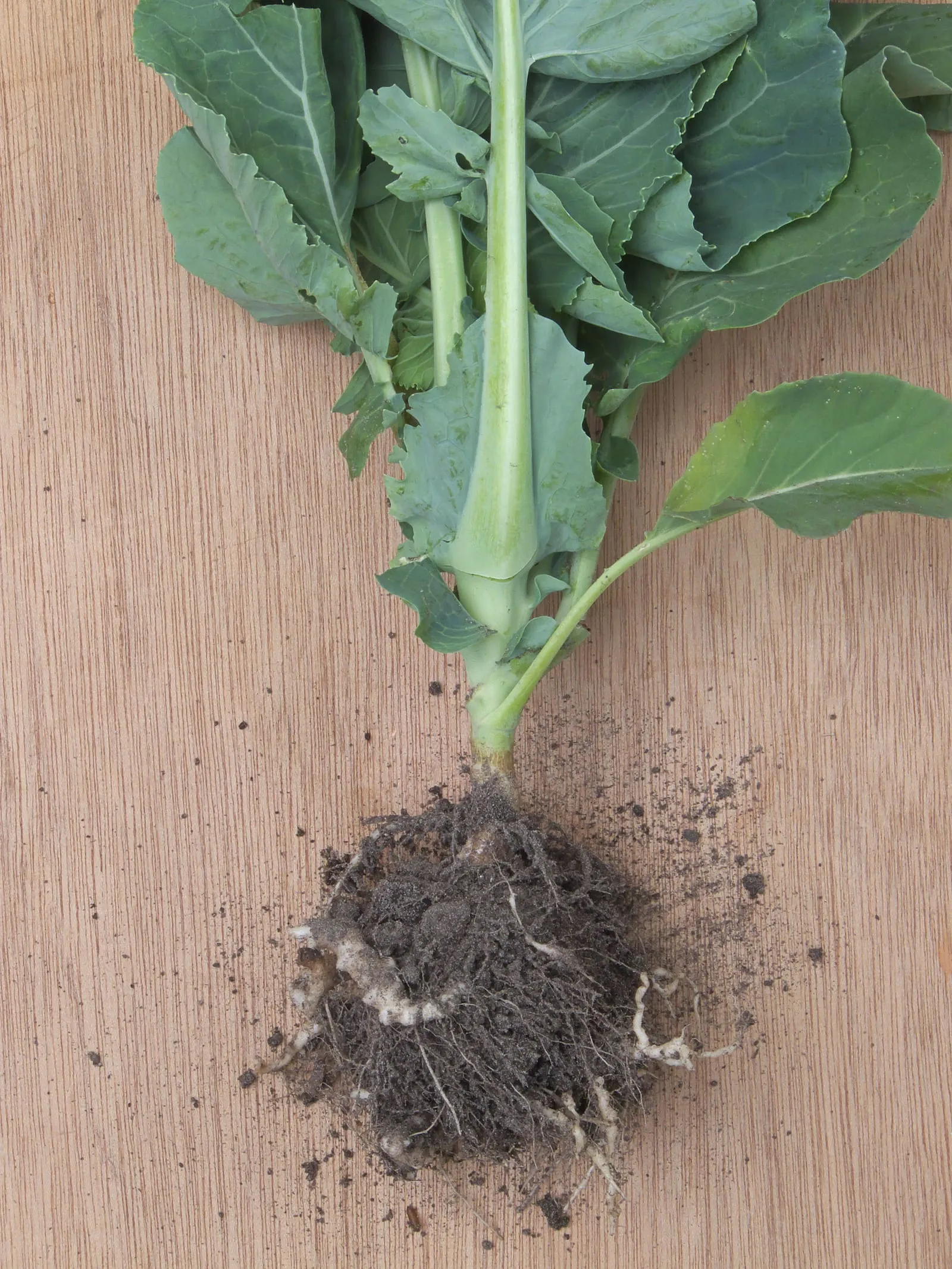
Plasmodiophora brassicae
Soil-borne disease causing characteristic distorted club-shaped roots on brassicas. Persists in soil for 10-20 years; the dominant brassica pathogen in acidic poorly-drained soils.
Modified care for zone 5a
In warmer parts of collards' range, overwintering plants can provide a second-year harvest. Zone 5a eliminates that option; plan for single-season production and clear spent plants before the first hard freeze.
The compressed planting calendar leaves little margin on the fall side. Missing the late July to early August transplant window by more than two weeks risks plants that won't reach full size before killing frost arrives in October or November.
Downy mildew pressure rises in wet, cool autumns, which are common across zone 5a. Space plants at least 18 inches apart to improve airflow and avoid overhead irrigation in September and October. Clubroot is a soil-borne pathogen that can persist for 20 years or more; it is suppressed by maintaining soil pH above 7.0 through lime application, since the pathogen thrives in acidic conditions. Rotate brassicas on a minimum 3-year cycle, even in small gardens.
Collards in adjacent zones
Image: "Brassica oleracea var. acephala Victoria Pigeon 0zz", by Photo by David J. Stang, via Wikimedia Commons, licensed under CC-BY Source.

Related