vegetable in zone 4b
Growing collards in zone 4b
Brassica oleracea var. acephala
- Zone
- 4b -25°F to -20°F
- Growing season
- 130 days
- Suitable varieties
- 1
- Days to harvest
- 55 to 80
The verdict
Collards are a cool-season brassica and one of the hardier leafy greens in the vegetable garden. Unlike fruit crops, collards have no chill-hour requirement; the relevant factors in zone 4b are the 130-day frost-free window and the crop's tolerance for cold at both ends of the season. Collards can endure light frost and develop sweeter flavor after brief exposure to temperatures near 28°F, which makes zone 4b's shoulder seasons an asset rather than a liability.
The short growing season is the binding constraint. Champion, the primary variety recommended for this zone, matures in roughly 60 to 75 days from transplant, fitting comfortably within 130 days if timing is managed carefully. A late spring frost catching young transplants or an early September frost closing the window prematurely are the real risks. Zone 4b is not the sweet spot for collards (that is generally zones 6 through 8), but it is a workable zone with disciplined scheduling.
Recommended varieties for zone 4b
1 cultivar suited to this zone, with disease-resistance and zone-fit annotations.
| Variety | Notes | Zone fit | Disease resistance |
|---|---|---|---|
| Champion fits zone 4b | Mild, sweet, tender; productive bunching collard. Slow-cooked greens, salads when young. Cold-hardy, holds through frost, slow to bolt in spring. | | none noted |
Critical timing for zone 4b
Collards are grown for foliage rather than fruit, so the critical timing events are transplant date and harvest window rather than bloom period. In zone 4b, last spring frost typically falls in late May and first fall frost arrives in mid-September, yielding a usable outdoor season of roughly 110 to 130 days depending on the specific site.
For a summer-into-fall harvest, start Champion transplants indoors 4 to 6 weeks before the last frost date, then move plants outside once hard frost risk has passed, generally early June. Harvest begins approximately 60 to 75 days after transplant. For a dedicated fall crop, direct sow or set transplants in late June through early July; leaves mature in time for September frosts to sweeten them. The September frost window is a feature in zone 4b, not a threat, as long as a hard freeze does not follow immediately.
Common challenges in zone 4b
- ▸ Spring frost timing
- ▸ Apple scab pressure
- ▸ Cane berry winter dieback
Disease pressure to watch for
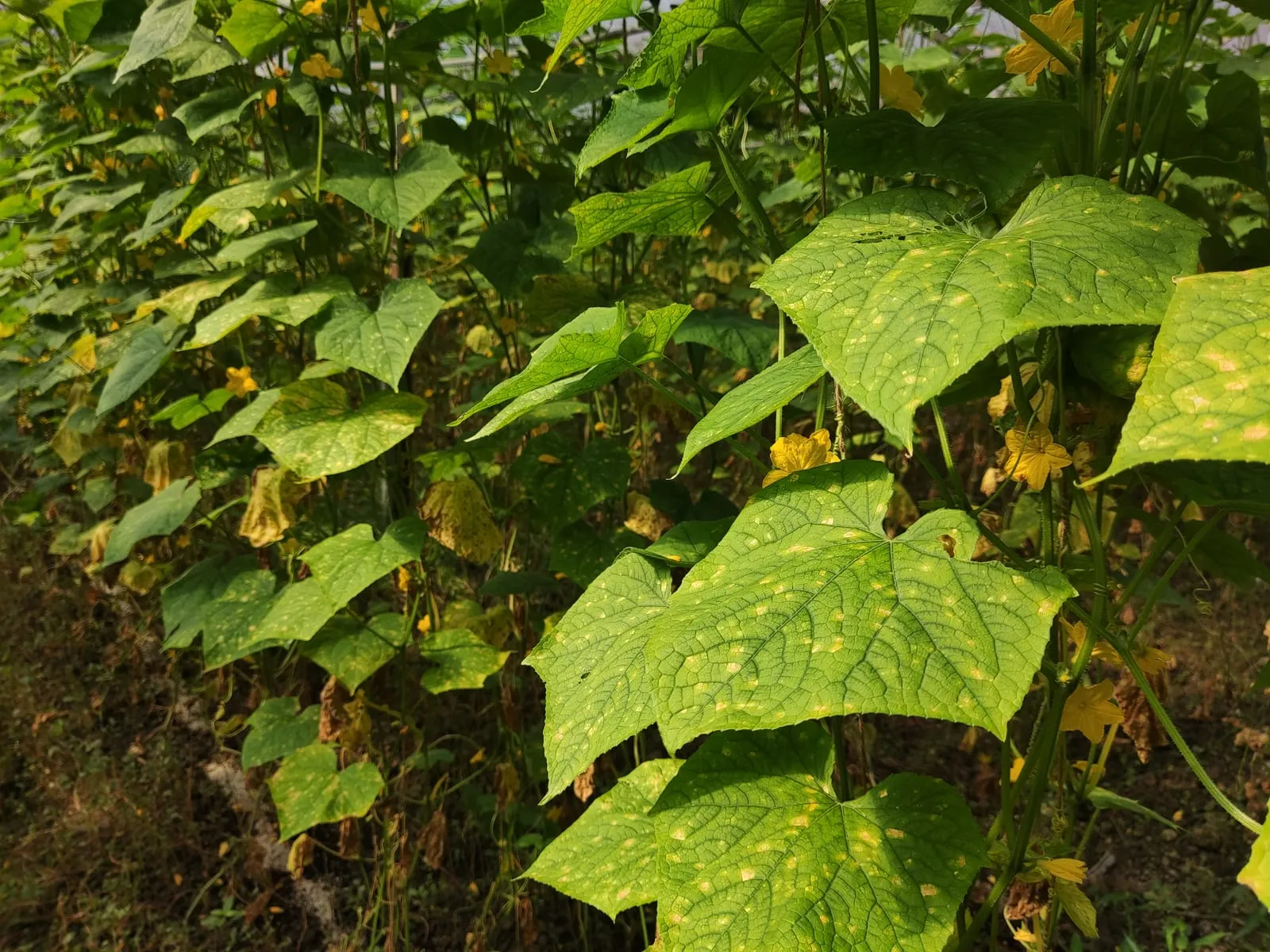
Pseudoperonospora cubensis (cucurbits) and others
Water mold (oomycete, not a true fungus) that thrives in cool damp conditions. Spreads rapidly through cucurbit and brassica plantings on wind-borne spores.
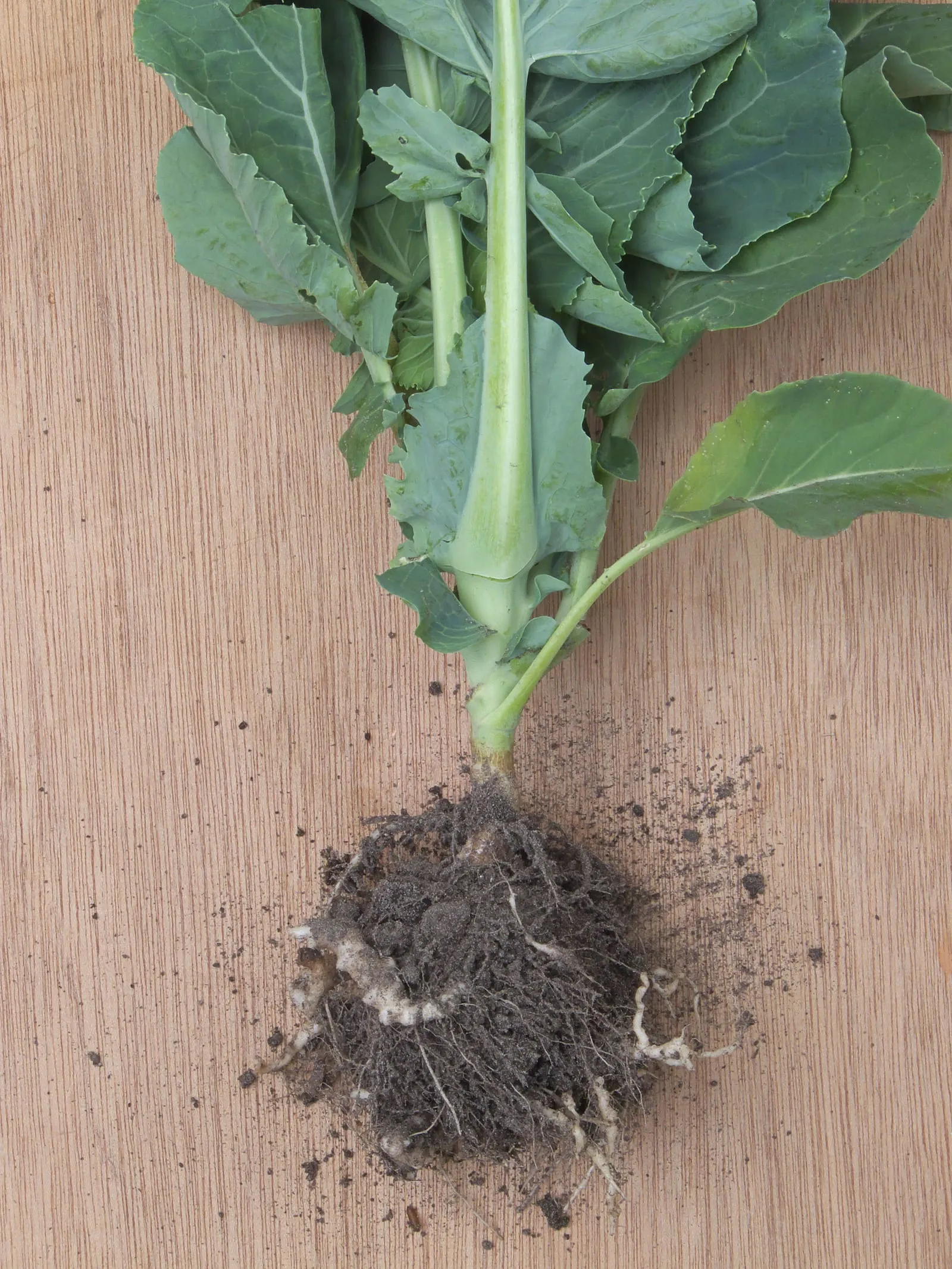
Plasmodiophora brassicae
Soil-borne disease causing characteristic distorted club-shaped roots on brassicas. Persists in soil for 10-20 years; the dominant brassica pathogen in acidic poorly-drained soils.
Modified care for zone 4b
Season extension at both ends of the calendar is the primary adaptation for zone 4b. Row covers or low tunnels protect spring transplants from late frosts that can occur into early June, and the same covers extend fall harvests past the first light frost by one to two weeks.
Downy mildew pressure rises when temperatures are cool and humidity is high, conditions that define zone 4b springs and autumns. Spacing plants for adequate airflow and keeping foliage dry by watering at the base rather than overhead reduces infection risk. Clubroot, a soil-borne pathogen, persists in acidic soils for many years; liming to maintain soil pH at or above 7.0 limits its development significantly. Heat stress is not a management concern in zone 4b, and bolting is unlikely during summer months because peak temperatures remain moderate. Summer care is comparatively straightforward relative to warmer zones where heat management dominates.
Frequently asked questions
- Can collards survive a hard freeze in zone 4b?
Collards tolerate light frost (around 28°F) and improve in flavor after brief cold exposure, but sustained temperatures below 20°F will kill unprotected plants. In zone 4b, fall crops should be harvested or heavily mulched before a hard freeze arrives, typically in October.
- Which collard variety performs best in zone 4b's short season?
Champion is well matched to zone 4b. It matures in 60 to 75 days from transplant, fitting within the 130-day frost-free window, and handles both late spring cold and early fall frost reasonably well.
- How do you prevent clubroot in zone 4b collard beds?
Clubroot is a persistent soil pathogen that worsens in acidic conditions. Raise soil pH to 7.0 or above through liming before planting, rotate brassicas to a different bed each year, and avoid moving soil from infected areas.
- Is it worth starting collards indoors in zone 4b?
Yes. Starting transplants indoors 4 to 6 weeks before the last frost date reclaims several weeks of growing time that direct sowing cannot recover. In a 130-day season, that head start meaningfully expands the harvest window.
+−
+−
+−
+−
Collards in adjacent zones
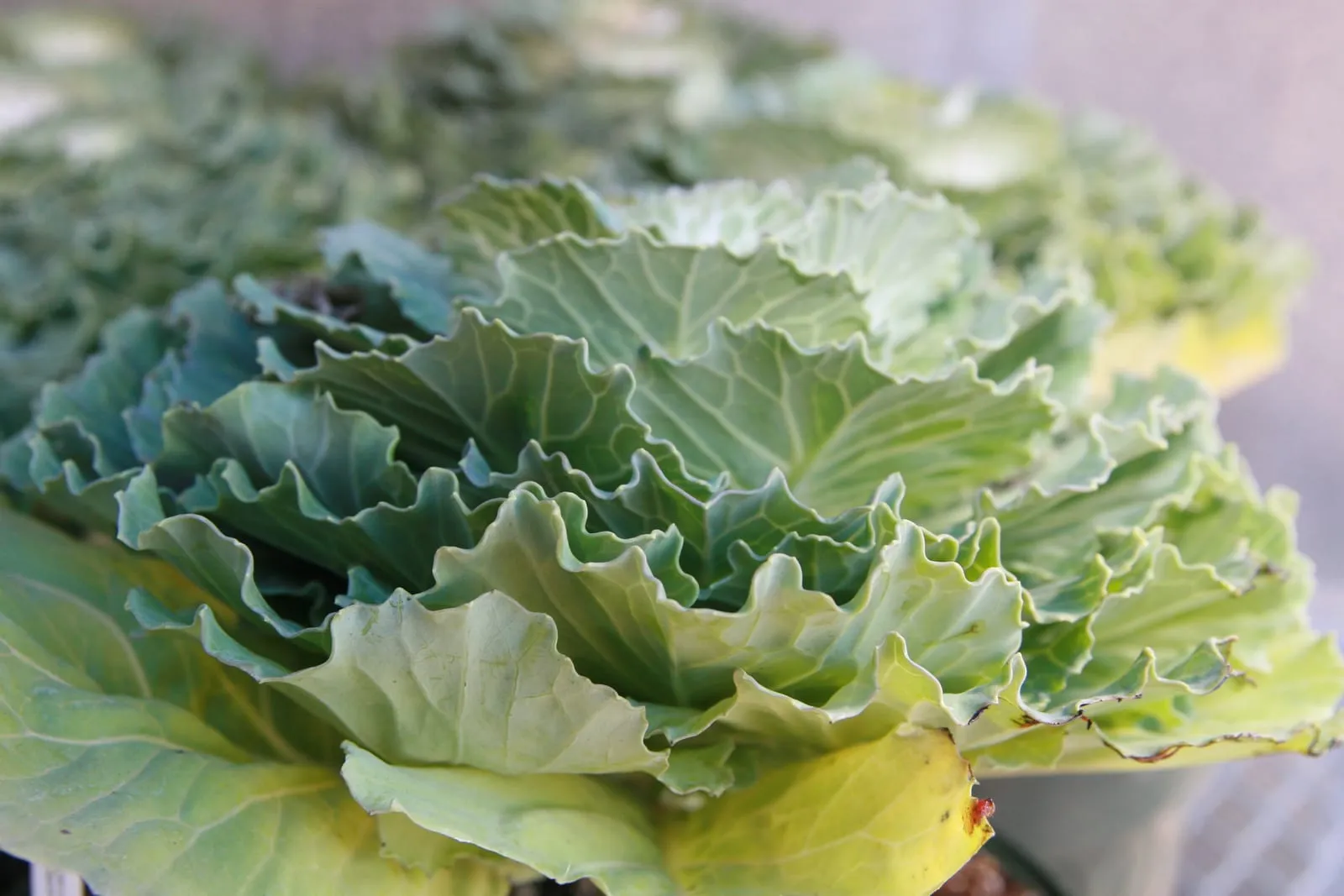
Image: "Brassica oleracea var. acephala Victoria Pigeon 0zz", by Photo by David J. Stang, via Wikimedia Commons, licensed under CC-BY Source.

Related