vegetable in zone 4a
Growing collards in zone 4a
Brassica oleracea var. acephala
- Zone
- 4a -30°F to -25°F
- Growing season
- 120 days
- Suitable varieties
- 1
- Days to harvest
- 55 to 80
The verdict
Collards are among the most cold-tolerant brassicas, and zone 4a represents a workable growing environment rather than a marginal one. Winter minimum temperatures between -30°F and -25°F are not a meaningful concern for this crop; collards are harvested during the growing season, well before those extremes arrive. The binding constraint in zone 4a is the 120-day growing season, which is tight but sufficient for a full leaf harvest when transplants are started indoors on schedule.
Flavor is actually better in cooler climates. Light frosts trigger starch-to-sugar conversion in collard leaves, producing sweeter, more tender foliage than the same plant yields under July heat. Zone 4a growers experience this benefit reliably in late summer and early fall. Champion, the variety suited for this zone, carries reasonable cold tolerance and disease resistance for shorter-season conditions. Growers expecting the large, multi-cut harvests typical of zones 6 through 8, where extended cool seasons allow repeated harvests, should set realistic expectations: one strong cutting cycle is the more probable outcome in 120 days.
Recommended varieties for zone 4a
1 cultivar suited to this zone, with disease-resistance and zone-fit annotations.
| Variety | Notes | Zone fit | Disease resistance |
|---|---|---|---|
| Champion fits zone 4a | Mild, sweet, tender; productive bunching collard. Slow-cooked greens, salads when young. Cold-hardy, holds through frost, slow to bolt in spring. | | none noted |
Critical timing for zone 4a
Collards do not have a bloom-dependent harvest window. Outer leaves can be picked progressively starting around 60 to 75 days after transplant, and the plant continues producing until hard freezes arrive. In zone 4a, with a 120-day season, set transplants out 2 to 4 weeks before the last expected spring frost to maximize leaf-production time. Hardened-off seedlings tolerate light frosts.
Late-spring frosts are a documented challenge in zone 4a and carry real risk for transplants set out too early. Row cover or cold frames bridge the gap between the indoor start date and settled outdoor conditions. Fall frosts are not the end of the season for collards: leaf quality improves after light freezes, and the crop continues producing until temperatures drop hard. Plan to use the full 120-day window, including the shoulder periods around both frost boundaries.
Common challenges in zone 4a
- ▸ Late frosts damage early bloomers
- ▸ Limited peach varieties
Disease pressure to watch for
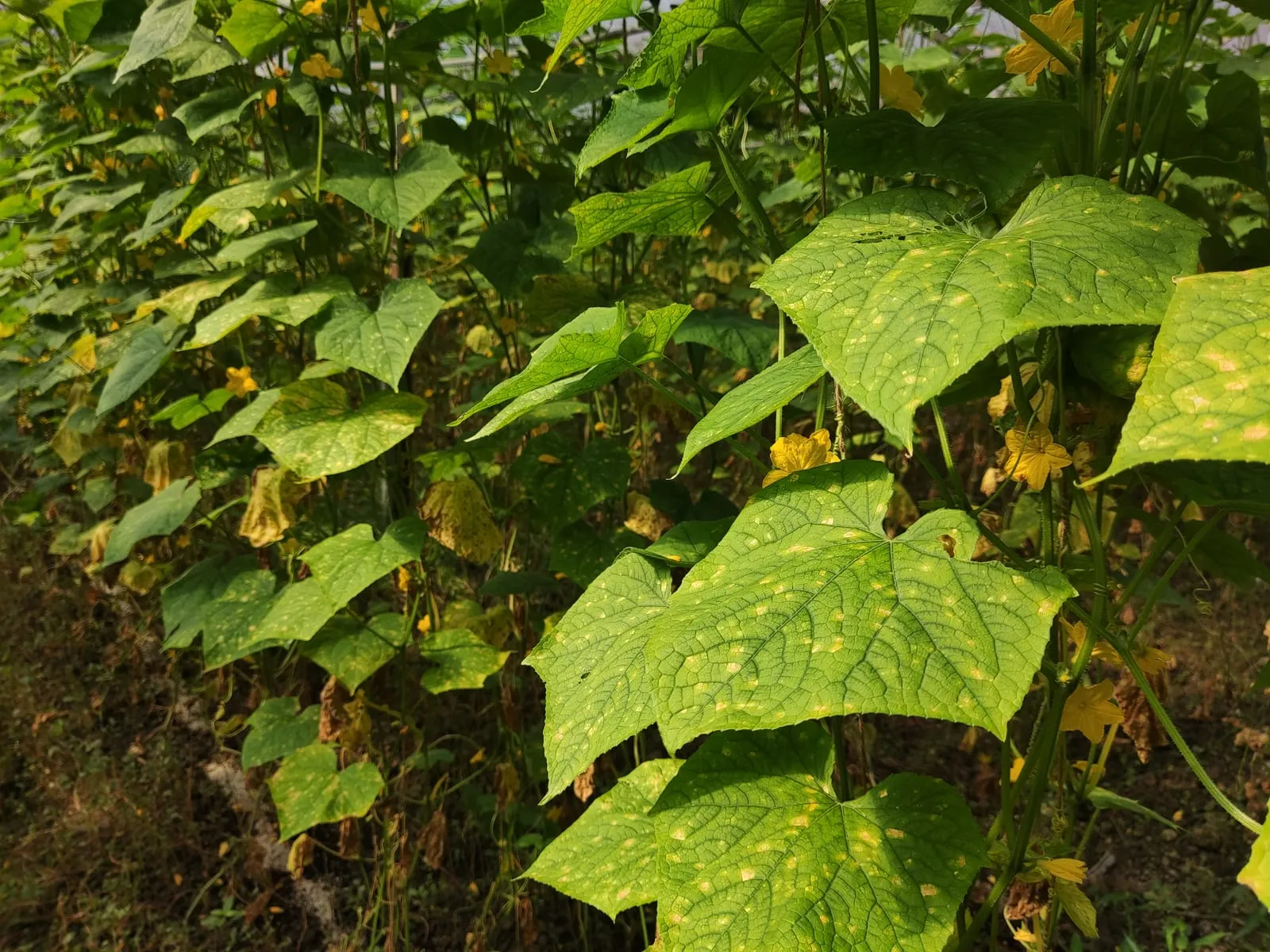
Pseudoperonospora cubensis (cucurbits) and others
Water mold (oomycete, not a true fungus) that thrives in cool damp conditions. Spreads rapidly through cucurbit and brassica plantings on wind-borne spores.
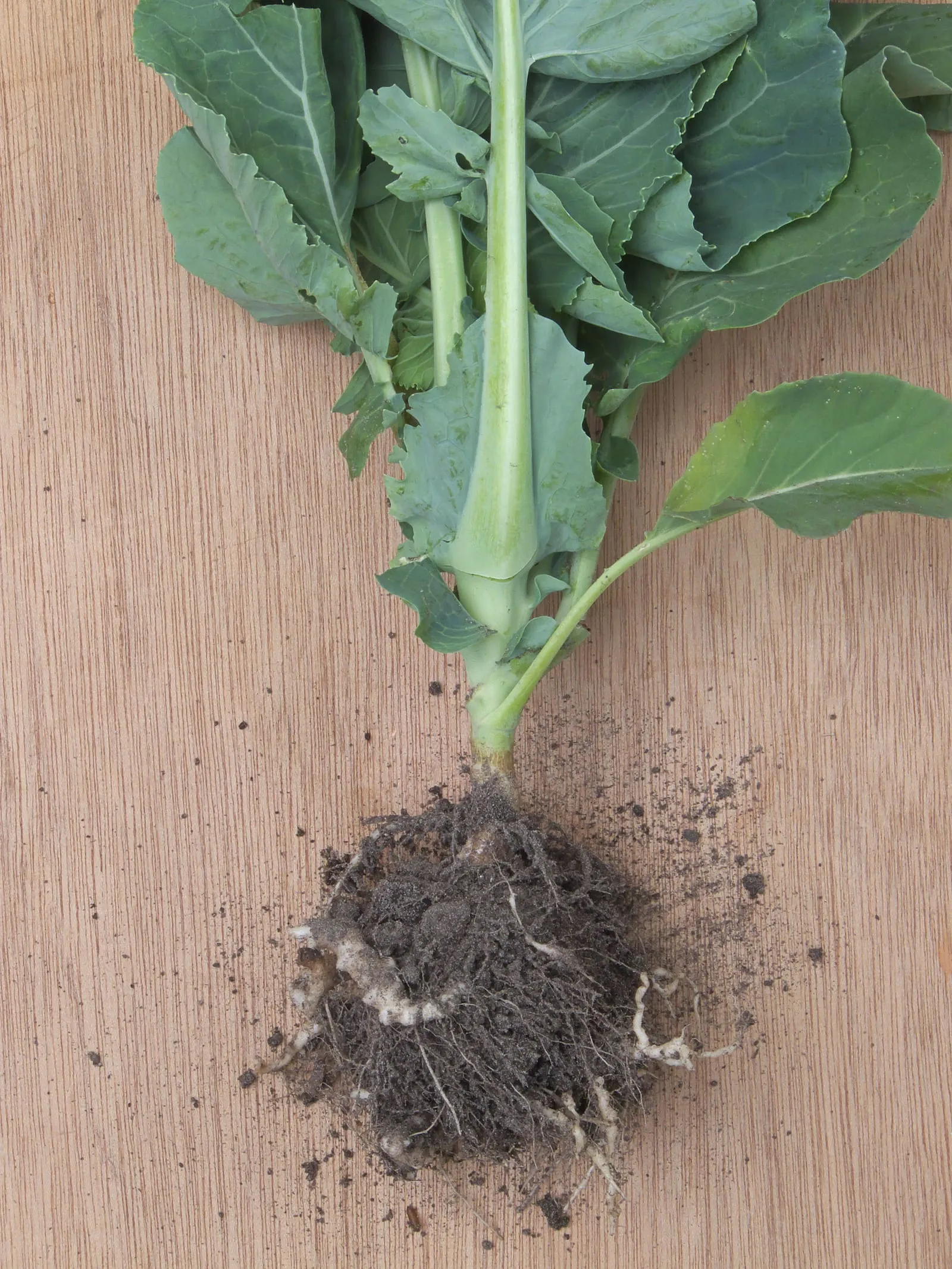
Plasmodiophora brassicae
Soil-borne disease causing characteristic distorted club-shaped roots on brassicas. Persists in soil for 10-20 years; the dominant brassica pathogen in acidic poorly-drained soils.
Modified care for zone 4a
Starting transplants indoors 4 to 6 weeks before the last frost date is a practical requirement in zone 4a, not a convenience. Direct seeding outdoors leaves insufficient season for a full harvest. Harden off seedlings over 7 to 10 days before moving them outside permanently.
Downy Mildew pressure peaks during cool, wet conditions, which zone 4a produces in spring and again in late summer. Plant with adequate spacing, 18 to 24 inches, to promote air circulation and reduce leaf wetness duration. Remove affected leaves promptly. Clubroot is a soilborne pathogen that persists in soil for many years; once identified, avoid replanting any brassica family crop in the same bed for at least 7 years and raise soil pH above 7.0 to reduce spore viability. Zone 4a winters do not eliminate clubroot from infected soil, so rotation and pH management remain the primary controls.
Collards in adjacent zones
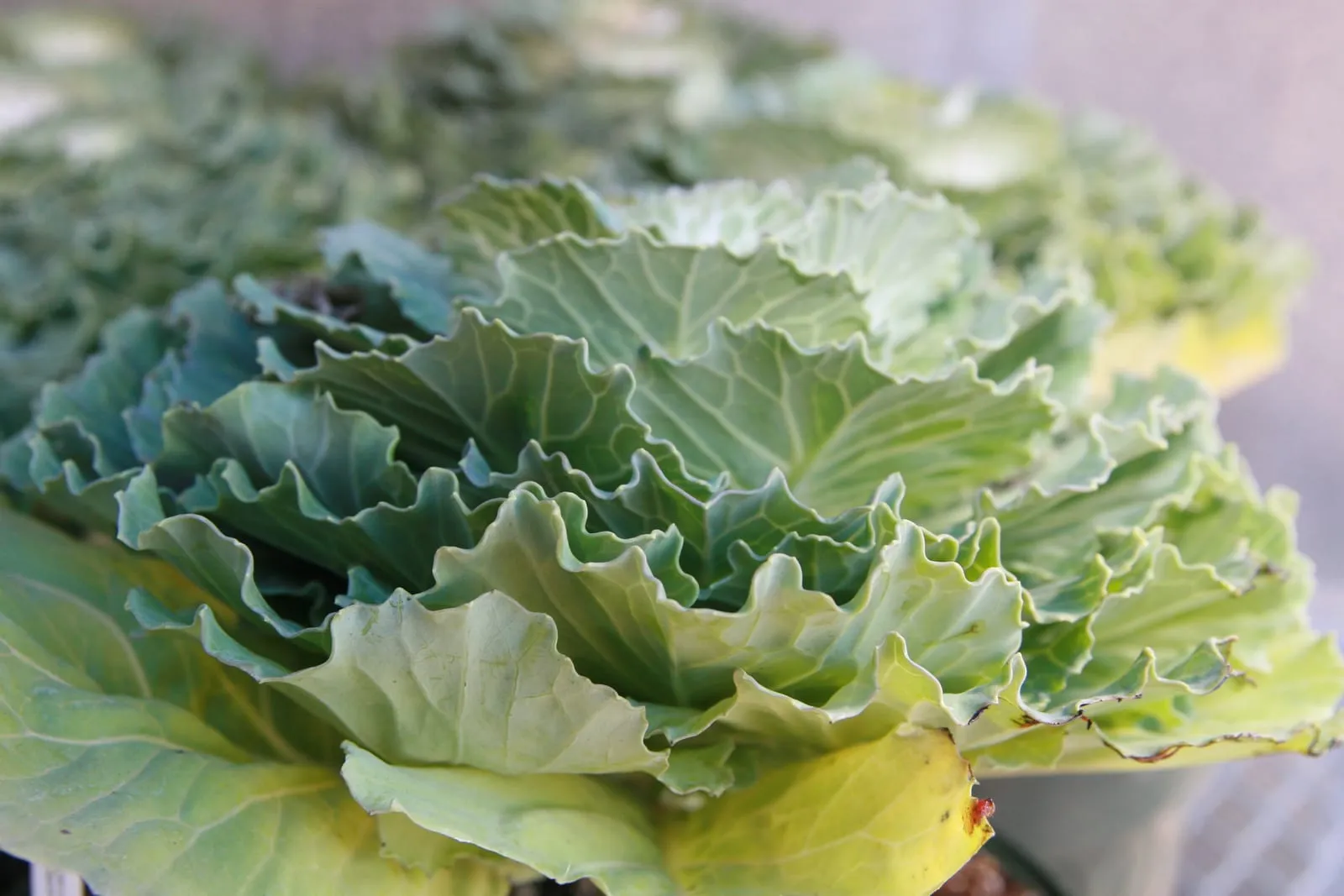
Image: "Brassica oleracea var. acephala Victoria Pigeon 0zz", by Photo by David J. Stang, via Wikimedia Commons, licensed under CC-BY Source.

Related