vegetable in zone 6b
Growing collards in zone 6b
Brassica oleracea var. acephala
- Zone
- 6b -5°F to 0°F
- Growing season
- 190 days
- Suitable varieties
- 3
- Days to harvest
- 55 to 80
The verdict
Zone 6b's minimum winter temperatures of -5 to 0°F place collards squarely in a reliable growing range. Collards are among the most cold-tolerant brassicas; established plants handle temperatures well into the teens without significant damage, and brief dips near 0°F are survivable with mulch protection. The 190-day growing season in zone 6b supports two full crop windows: a spring planting and a fall harvest that extends into early winter.
This is a sweet spot rather than a marginal zone. The cool shoulder seasons that dominate zone 6b from late March through May and again from September through November align well with collards' preferred temperature range of 45 to 75°F. Summer heat during the June through August core can cause bolting or bitterness in spring-planted crops, but fall crops largely avoid this problem. Varieties like Georgia Southern, Champion, and Morris Heading are all well-established performers in this zone and the broader mid-Atlantic and Appalachian transition region where zone 6b is common.
Recommended varieties for zone 6b
3 cultivars suited to this zone, with disease-resistance and zone-fit annotations.
| Variety | Notes | Zone fit | Disease resistance |
|---|---|---|---|
| Georgia Southern fits zone 6b | Sweet, mild, classic tender Southern flavor; large blue-green flat leaves. Long-cooked with smoked meats, stews, ham hocks. Heritage Southern variety, heat-tolerant. | | none noted |
| Champion fits zone 6b | Mild, sweet, tender; productive bunching collard. Slow-cooked greens, salads when young. Cold-hardy, holds through frost, slow to bolt in spring. | | none noted |
| Morris Heading fits zone 6b | Sweet, classic Southern flavor; compact heading-type collard. Long-cooked traditional preparations. Heritage variety with self-blanching tender inner leaves. | | none noted |
Critical timing for zone 6b
Collards are grown for leaf production, not bloom, so the relevant timing window is establishment and harvest rather than a flowering calendar. In zone 6b, spring transplants go out 2 to 4 weeks before the average last frost, typically mid-April, with harvest beginning 60 to 80 days later depending on variety.
Fall is the preferred planting window for most zone 6b growers. Direct sow or transplant from late July through mid-August, timing the main harvest period to fall in October and November. Zone 6b's first frost typically arrives in mid to late October, which triggers the sugar conversion in collard leaves that growers prize. Plants can continue producing through light frosts and into early December with basic mulch protection, extending the season well past the first freeze.
Common challenges in zone 6b
- ▸ Cedar-apple rust
- ▸ Fire blight
- ▸ Stink bugs
Disease pressure to watch for
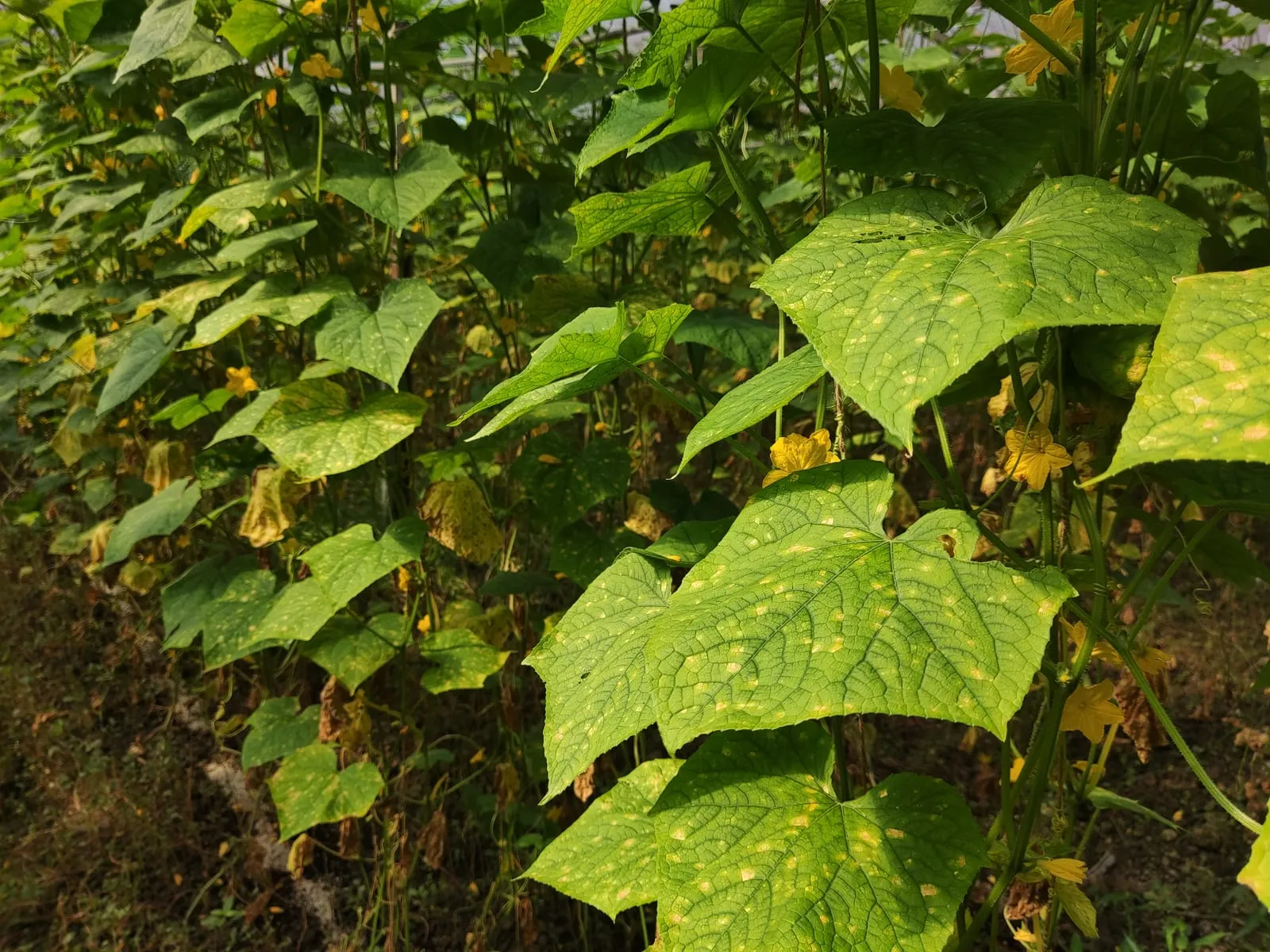
Pseudoperonospora cubensis (cucurbits) and others
Water mold (oomycete, not a true fungus) that thrives in cool damp conditions. Spreads rapidly through cucurbit and brassica plantings on wind-borne spores.
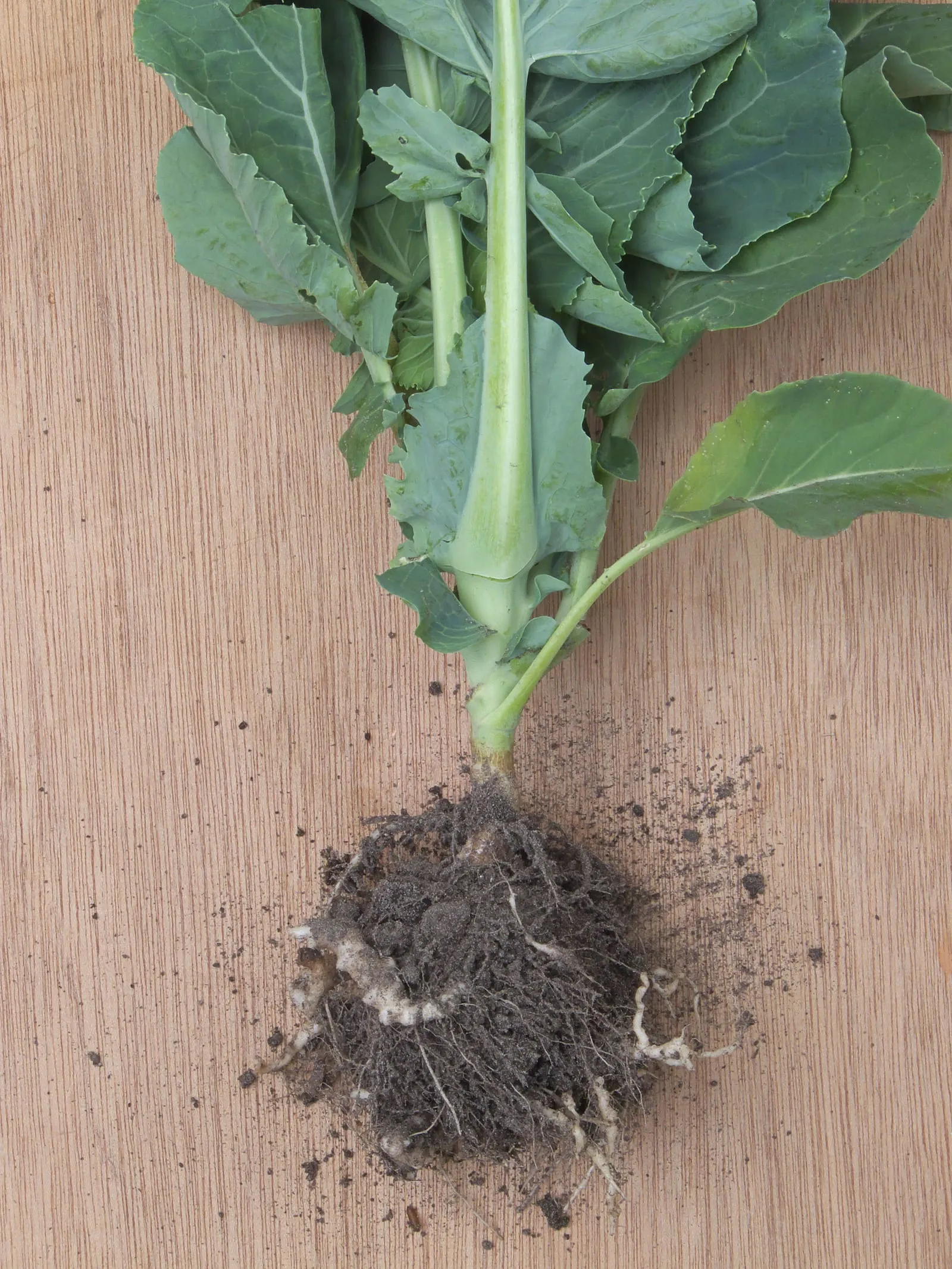
Plasmodiophora brassicae
Soil-borne disease causing characteristic distorted club-shaped roots on brassicas. Persists in soil for 10-20 years; the dominant brassica pathogen in acidic poorly-drained soils.
Modified care for zone 6b
Fall crop growers should apply 3 to 4 inches of straw mulch around plant bases once sustained cold arrives, which protects roots and extends harvest by several weeks beyond the first hard freeze. Without mulch, repeated freeze-thaw cycles heave roots and shorten the harvest window.
The two primary disease concerns in zone 6b are downy mildew and clubroot. Downy mildew pressure rises in cool, wet fall conditions; spacing plants at least 18 inches apart and avoiding overhead irrigation in the evening reduces incidence significantly. Clubroot is a soil-borne pathogen that persists for up to 20 years; if it appears, a minimum 4-year rotation away from all brassicas is necessary, and liming to raise soil pH above 7.2 reduces severity in future plantings.
Stink bug pressure, common across zone 6b's mid-Atlantic and transition-region overlap, intensifies in late summer and early fall, coinciding with transplant establishment. Row covers provide effective exclusion during this critical 3 to 4 week window and can be removed once plants are fully established.
Collards in adjacent zones
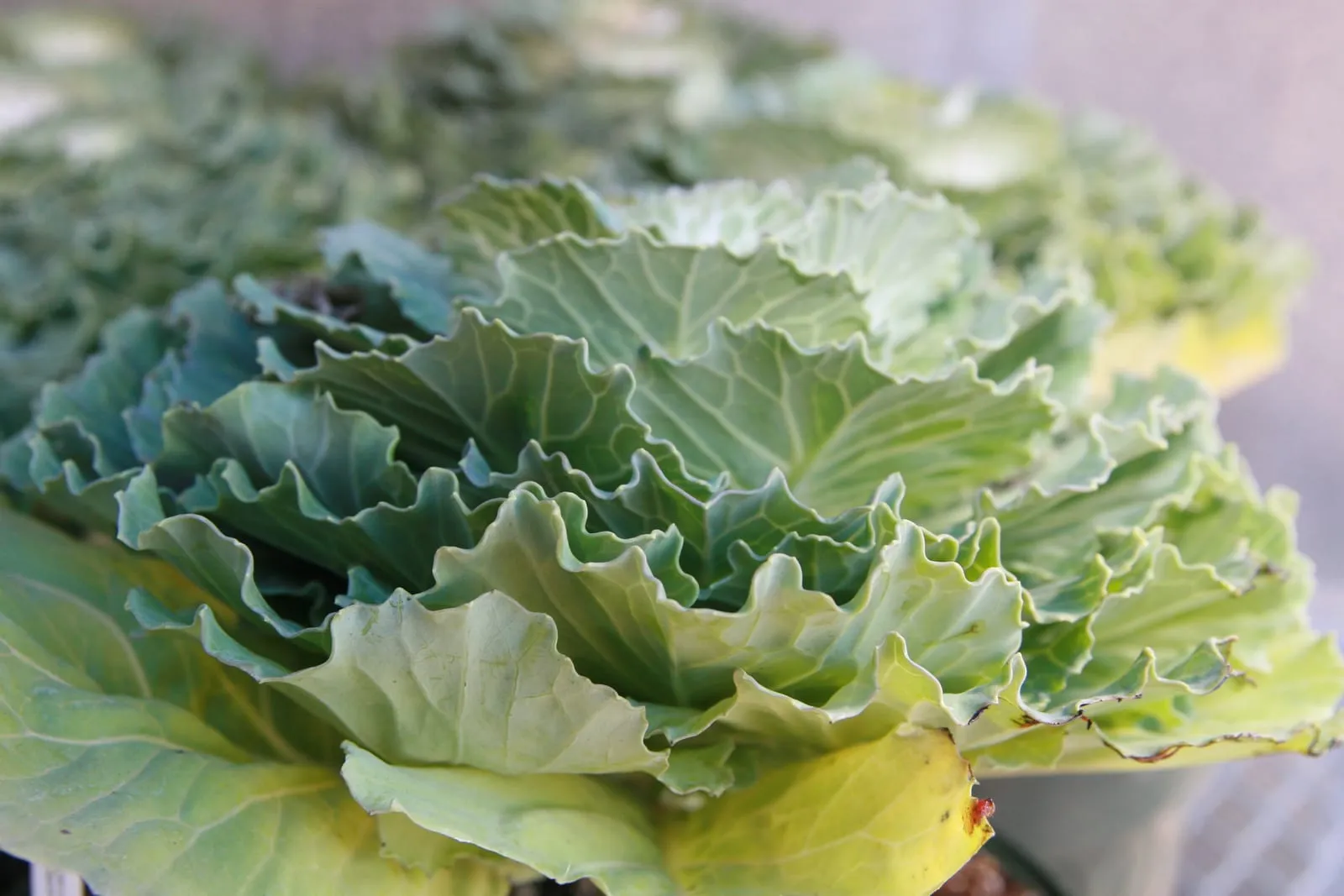
Image: "Brassica oleracea var. acephala Victoria Pigeon 0zz", by Photo by David J. Stang, via Wikimedia Commons, licensed under CC-BY Source.

Related